Maximum Comfort Indoors: 15 Ways to Improve Your Home in 2026
Your home should be a place where you can relax, recharge, and feel comfortable throughout the year. Yet maintaining a […]
Your home should be a place where you can relax, recharge, and feel comfortable throughout the year. Yet maintaining a pleasant indoor environment is not always easy. Hot summers, cold winters, poor ventilation, fluctuating humidity, and high energy bills can make everyday living uncomfortable.
For homeowners across the United States, achieving maximum comfort indoors requires more than adjusting the thermostat. A truly comfortable home combines balanced temperatures, healthy air quality, efficient insulation, controlled humidity, and thoughtfully designed living spaces.
The good news? You don’t need a complete home renovation to make meaningful improvements. Small changes, such as sealing window gaps, maintaining your heating and cooling system, or improving airflow, can make a noticeable difference.
Whether you live in a humid Florida home, a cold Minnesota neighborhood, or a hot Texas suburb, the right strategies can help create a more enjoyable living environment.
This guide explores 15 practical ways to improve indoor comfort, reduce wasted energy, and make your home a better place to live in every season.
What Does Maximum Comfort Indoors Really Mean?
Maximum indoor comfort refers to creating a balanced living environment where temperature, humidity, airflow, lighting, and air quality support everyday well-being.
Most people associate comfort with room temperature. However, temperature alone does not determine how comfortable a space feels.
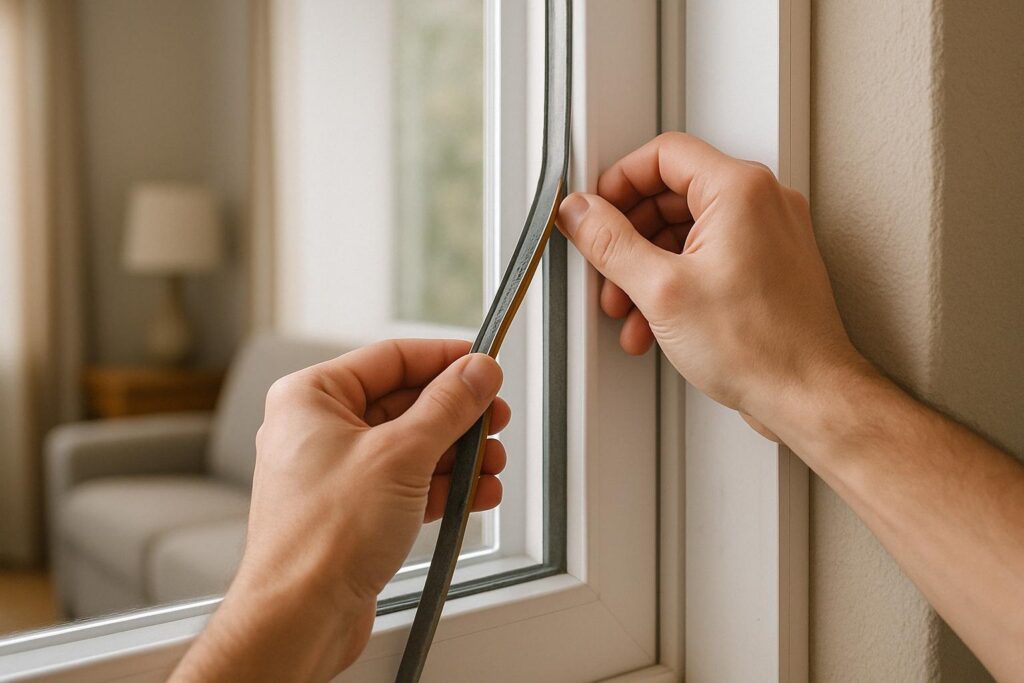
For example, a living room set to 72°F may still feel unpleasant if the air is excessively humid, cold drafts enter through windows, or sunlight overheats one side of the room.
The Five Essential Elements of Indoor Comfort
A comfortable home generally depends on five interconnected factors:
- Temperature that suits the occupants and season.
- Humidity that avoids excessive dryness or dampness.
- Clean indoor air with appropriate ventilation.
- Consistent airflow without uncomfortable drafts.
- Lighting and furnishings that support relaxation.
Improving these factors together usually produces better results than concentrating on one issue.
1. Maintain a Comfortable Indoor Temperature
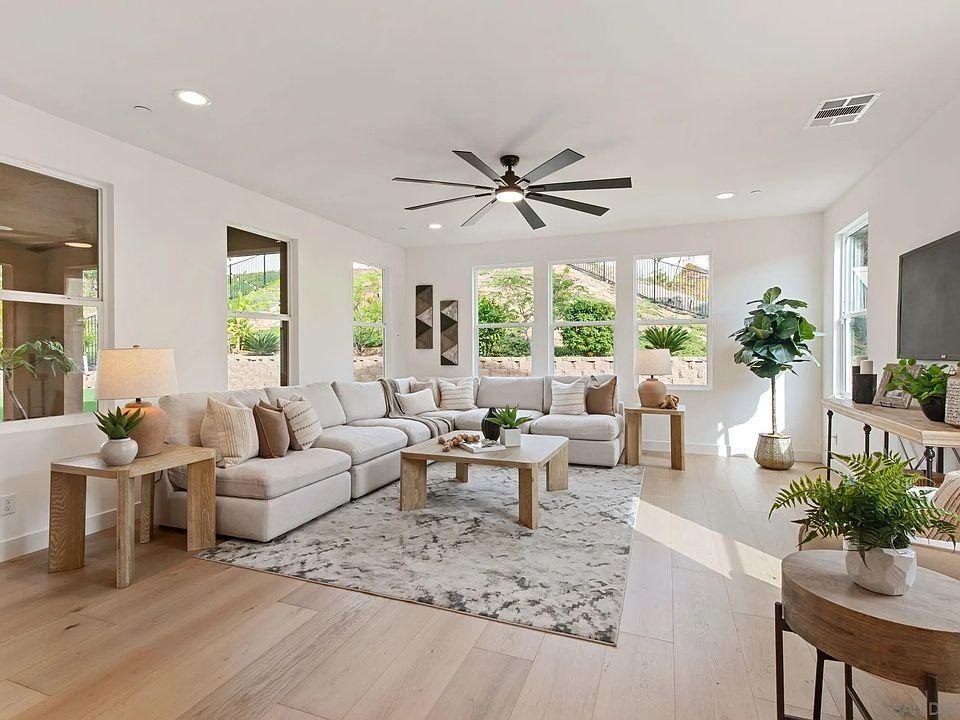
Temperature control is one of the simplest ways to improve your home environment.
However, the perfect temperature varies depending on clothing, activity, personal preference, and humidity.
Ideal Indoor Temperature for Summer and Winter
Many American households find the following temperature ranges useful as starting points:
| Season | Suggested Starting Range |
|---|---|
| Summer | 74–78°F |
| Winter | 68–72°F |
| Sleeping | Around 65–70°F, adjusted to personal needs |
These are comfort-oriented starting points, not universal requirements.
Older adults, infants, and people with certain health conditions may need different temperatures. During extreme weather, safety must take priority over energy savings.
Use a Programmable or Smart Thermostat
A programmable thermostat can automatically adjust heating and cooling settings based on your schedule.
According to the U.S. Department of Energy, adjusting your thermostat by approximately 7–10°F for eight hours daily can save as much as 10% annually on heating and cooling under suitable conditions. Savings depend on climate, building characteristics, and HVAC equipment.
Department of Energy
+1
A smart thermostat adds scheduling convenience and may help you identify unnecessary energy use.
2. Control Indoor Humidity for Better Comfort
Humidity plays a major role in how indoor temperatures feel.
Excess moisture can make rooms feel sticky and uncomfortable, while very dry conditions may cause irritation and static electricity.
What Is the Ideal Indoor Humidity Level?
The U.S. Environmental Protection Agency generally recommends indoor relative humidity between 30% and 50%.
Keeping humidity under 60% is particularly important for reducing moisture-related problems and limiting conditions that support mold growth.
US EPA
+1
You can monitor humidity using an inexpensive digital hygrometer.
During humid weather, air conditioning or a properly sized dehumidifier may help remove excess moisture.
In dry conditions, a carefully maintained humidifier may improve comfort, but excessive humidification should be avoided.
3. Improve Indoor Air Quality
Clean indoor air is an important part of a comfortable living environment.
Dust, pollen, smoke particles, cleaning chemicals, and other pollutants can accumulate inside homes.
Poor air quality may also aggravate allergies and respiratory symptoms.
Simple Ways to Keep Indoor Air Cleaner
Start by reducing pollution sources.
Use kitchen exhaust ventilation when cooking, avoid smoking indoors, and store household chemicals safely.
Vacuum regularly, consider a suitable HEPA-filter vacuum, and replace HVAC filters according to the manufacturer’s instructions.
Portable air cleaners with appropriately sized HEPA filtration can help reduce certain airborne particles, but they cannot eliminate every indoor pollutant.
The EPA emphasizes pollutant source control and adequate ventilation as important approaches to maintaining indoor air quality.
US EPA
+1
4. Upgrade Home Insulation
Insulation helps slow unwanted heat transfer between your home and the outdoor environment.
Without adequate insulation, indoor spaces may become excessively warm during summer or lose heat quickly during winter.
Areas That Often Need Better Insulation
Attics, exterior walls, crawl spaces, and floors above unconditioned areas are common places to investigate.
However, insulation upgrades should be planned around the home’s existing construction, moisture conditions, and local building requirements.
A professional home energy assessment can identify areas where improvements may deliver meaningful results.
The U.S. Department of Energy recommends combining appropriate insulation with air sealing for greater efficiency and comfort.
Department of Energy
+1
5. Seal Windows and Doors to Prevent Drafts
Even a properly heated or cooled room can feel uncomfortable when outside air enters through gaps.
Air leaks frequently occur around windows, doors, attic penetrations, and poorly sealed openings.
Affordable Air-Sealing Improvements
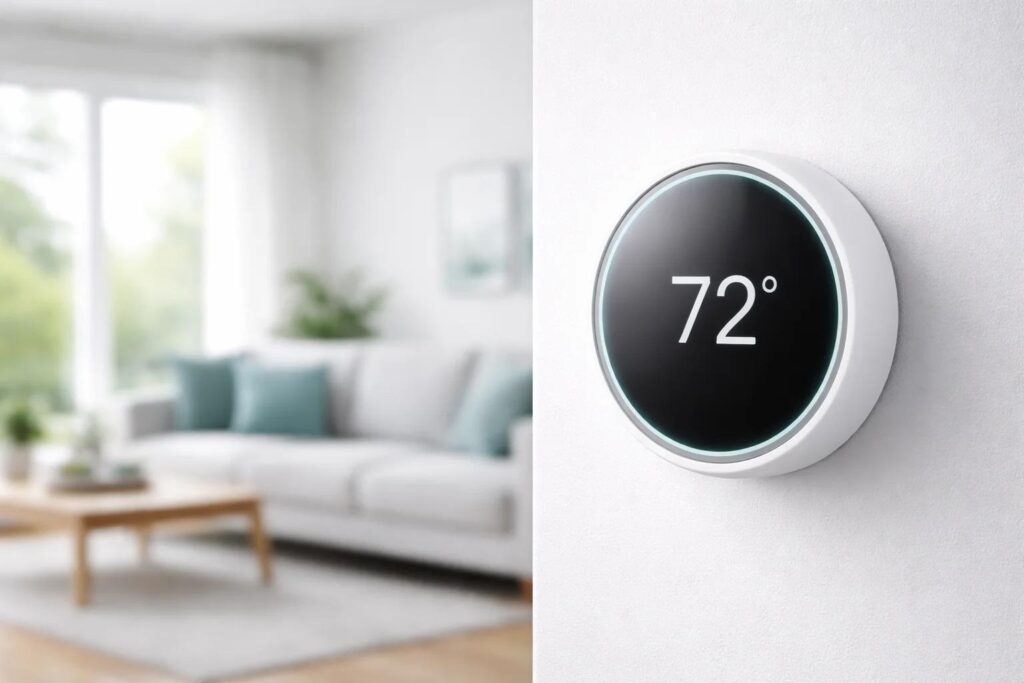
Weatherstripping can help seal movable window and door components.
Caulk is generally more suitable for stationary gaps around frames and similar building joints.
Door sweeps can also reduce drafts along the bottom of exterior doors.
These relatively small improvements can help reduce unwanted airflow without replacing every window.
Avoid blocking intentional ventilation openings or interfering with combustion appliance safety.
6. Maintain Your HVAC System Regularly
Your heating, ventilation, and air conditioning system plays a central role in maintaining maximum comfort indoors.
When equipment is poorly maintained, airflow may become restricted, temperatures may fluctuate, and the system may use more energy than necessary.
Essential HVAC Maintenance Tasks
Check air filters regularly and replace them when dirty, following equipment specifications.
Keep furniture and other objects away from supply and return air vents.
Schedule professional servicing when recommended by the manufacturer, especially before periods of heavy heating or cooling demand.
If some rooms remain uncomfortable while others reach the desired temperature, ask an HVAC professional to investigate potential ductwork problems, airflow restrictions, or equipment sizing issues.
Proper maintenance can improve performance and may help extend equipment life.
7. Improve Air Circulation With Ceiling Fans
Ceiling fans offer a practical way to improve comfort without constantly lowering the air conditioner setting.
During warm weather, moving air increases evaporation from the skin, helping occupants feel cooler.
Use Fans Effectively in Different Seasons
In summer, most ceiling fans should rotate counterclockwise when viewed from below, creating a downward breeze.
During winter, some fans can run clockwise at low speed to help redistribute warm air near the ceiling without producing an uncomfortable draft.
Always verify your fan’s manufacturer instructions because designs vary.
Remember that fans cool people rather than lowering room temperatures. Turn them off when rooms are unoccupied to avoid wasting electricity.
8. Choose Energy-Efficient Window Treatments
Windows allow natural light into your home, but they can also contribute to unwanted heat gain and heat loss.
Appropriate window coverings can improve temperature control while maintaining a pleasant interior.
Best Window Coverings for Indoor Comfort
Insulated curtains, cellular shades, and reflective blinds are useful options.
During hot afternoons, close coverings on windows receiving intense direct sunlight.
In winter, opening suitable curtains during sunny periods can allow beneficial solar warmth into the room.
Close them again when appropriate to reduce nighttime heat loss.
Choose window treatments based on climate, orientation, privacy needs, and the amount of natural light you prefer.
9. Create a Comfortable Bedroom Environment
A comfortable bedroom supports relaxation and better sleeping conditions.
Temperature, noise, lighting, bedding, and airflow all contribute to the overall experience.
Practical Bedroom Comfort Improvements
Choose breathable bedding suitable for the season and use adjustable layers rather than relying on one heavy blanket.
Blackout curtains can reduce unwanted morning light, particularly for shift workers.
Consider a quiet fan where additional air movement is helpful.
Keep air vents unobstructed and avoid placing electronics that generate unnecessary heat close to the bed.
There is no universally perfect bedroom temperature. Experiment with settings that allow you to sleep comfortably while avoiding unsafe indoor conditions.
10. Use Natural Lighting Strategically
Natural light can make indoor spaces feel more inviting, spacious, and enjoyable.
However, excessive sunlight may create glare and uncomfortable heat.
Balance Daylight and Temperature
Position desks and seating to benefit from daylight without receiving intense direct glare.
Use adjustable blinds when sunlight becomes uncomfortable.
During warmer months, consider exterior shading, where suitable, to reduce solar heat entering through windows.
In colder climates, thoughtfully managing sunlight may help warm selected living spaces.
The goal is to enjoy daylight without allowing it to undermine indoor temperature control.
11. Reduce Indoor Noise for a Peaceful Home
Maximum comfort indoors is not purely physical. A quiet environment also matters.
Traffic, household appliances, outdoor construction, and neighboring properties can interrupt relaxation and concentration.
Simple Ways to Reduce Unwanted Noise
Thick curtains, rugs, upholstered furniture, and properly sealed windows may help reduce certain sounds.
A solid interior door can provide greater sound separation than a lightweight hollow-core door.
For persistent outdoor noise, specialized acoustic improvements may be more effective than decorative materials alone.
Choose solutions based on the type and source of noise rather than assuming every soundproofing product provides equal results.
12. Arrange Furniture for Better Airflow
Furniture placement affects how air moves throughout your home.
A large sofa positioned directly in front of a heating vent may restrict airflow, creating uneven temperatures.
Similarly, blocked return vents can interfere with normal HVAC operation.
Create a Better Room Layout
Leave sufficient clearance around ventilation openings, radiators, and other heating equipment.
Avoid overcrowding small rooms with bulky furniture.
Choose layouts that provide comfortable walking paths and allow fresh air to circulate.
A thoughtful arrangement can make spaces feel more open without requiring additional square footage.
13. Prevent Moisture and Mold Problems
Leaks, condensation, and hidden moisture can undermine an otherwise comfortable home.
Common moisture sources include plumbing leaks, roof damage, poorly ventilated bathrooms, and damp basements.
Keep Moisture Under Control
Run bathroom exhaust fans when showering and use suitable kitchen ventilation during cooking.
Investigate unexplained water stains and musty smells.
Repair plumbing and building leaks promptly.
The EPA advises drying wet materials as soon as possible, ideally within 24–48 hours, to reduce the likelihood of mold growth.
US EPA
+1
Where mold covers a large area or involves contaminated water, professional evaluation may be necessary.
14. Make Your Home Comfortable During Extreme Weather
Weather conditions differ considerably across the United States.
Homes in Arizona may face prolonged summer heat, while properties in northern states experience freezing winter temperatures.
Coastal and southeastern communities may also struggle with persistent humidity.
Prepare for Summer Heat
Maintain cooling equipment before the hottest months.
Use shading to limit direct solar heat gain and manage indoor humidity.
During dangerous heat waves, follow local weather alerts and public health guidance.
If indoor temperatures become unsafe, seek an adequately cooled location rather than relying solely on fans.
Prepare for Cold Winter Weather
Check door seals, address insulation weaknesses, and ensure heating equipment operates safely.
Keep heating vents clear.
Install and maintain carbon monoxide detectors where appropriate, particularly in homes with fuel-burning appliances.
Never use outdoor grills, camping stoves, or unvented combustion equipment as substitutes for safe indoor heating.
For weather conditions affecting North Texas, homeowners can consult the National Weather Service Fort Worth/Dallas office for local forecasts and weather information. The specific weather narrative URL supplied as a reference was unavailable when checked, so it should not be used as the article’s primary supporting source.
15. Invest in Long-Term Energy-Efficient Home Improvements
Small upgrades can improve comfort, but some homes benefit from larger improvements.
These may include high-efficiency heat pumps, better attic insulation, improved ductwork, or replacement windows.
Start With a Home Energy Assessment
Before investing thousands of dollars, consider a professional home energy assessment.
An auditor can examine insulation, drafts, heating and cooling performance, and other sources of energy loss.
This information can help prioritize upgrades rather than replacing equipment that may still be functioning properly.
The Department of Energy notes that improving energy efficiency can enhance comfort while reducing unnecessary heating and cooling expenses.
Department of Energy
+1
Quick Checklist for Maximum Comfort Indoors
Use this simple checklist to identify opportunities for improvement.
Home Comfort Checklist
0 of 10 completedCheck indoor temperature and humidityInspect HVAC filters and air ventsLook for drafts around windows and doorsReview attic and wall insulationKeep kitchen and bathroom ventilation workingManage direct sunlight with window coveringsInspect plumbing leaks and moisture problemsArrange furniture to allow airflowCheck smoke and carbon monoxide alarmsConsider a professional home energy assessment
Copy checklist
Frequently Asked Questions About Maximum Comfort Indoors
What is the best temperature for maximum comfort indoors?
Many households find approximately 68–72°F comfortable during winter and 74–78°F suitable during summer. However, preferences vary according to activity, clothing, humidity, age, and individual health needs.
What is the ideal humidity level inside a house?
The EPA generally recommends maintaining indoor relative humidity between 30% and 50%. Controlling excess moisture helps reduce condensation and conditions that encourage mold growth.
How can I make my house comfortable without increasing energy bills?
Start with low-cost improvements such as sealing air leaks, using appropriate window coverings, maintaining HVAC filters, and adjusting thermostat schedules. Larger upgrades should be based on your home’s actual energy needs.
Do ceiling fans really help with indoor comfort?
Yes. Ceiling fans create air movement that can help people feel cooler. However, they do not lower the actual room temperature and should not replace adequate cooling during extreme heat.
How can I improve indoor air quality naturally?
Reduce indoor pollution sources, use suitable ventilation, control humidity, clean regularly, and avoid introducing unnecessary chemicals. Opening windows can help when outdoor air quality and weather conditions are suitable.
Is better insulation worth the investment?
Properly installed insulation can reduce unwanted heat transfer, improve temperature consistency, and lower heating and cooling demand. The financial return depends on the home’s condition, climate, installation costs, and energy prices.
Conclusion: Enjoy Maximum Comfort Indoors All Year Round
Creating maximum comfort indoors does not require expensive renovations or complicated technology.
The most effective approach is to address the factors that influence daily living: temperature, humidity, air quality, ventilation, insulation, lighting, and noise.
Start with simple improvements such as maintaining your HVAC system, controlling moisture, sealing drafts, and arranging furniture for better airflow.
If your home continues to experience uncomfortable temperatures or high energy use, a professional assessment can help identify the most worthwhile long-term upgrades.
Every home is different, so focus on solutions suited to your local climate, building design, household needs, and budget.
With thoughtful improvements and regular maintenance, you can create a healthier, more relaxing, and energy-efficient home that stays comfortable throughout the changing seasons.

Written by Twastia Editorial Team
Twastia Editorial Team shares practical insights about website design, SEO services, Google Ads, content marketing, social media, conversion rate optimization, and digital marketing strategy.
Last updated: Oct 10, 2026
Related posts from Twastia
Explore more useful articles from twastia.com about digital marketing, SEO, websites, ads, content, and growth strategy.