Rent Construction Equipment: Best Guide for Contractors
Construction projects require the right combination of skilled workers, suitable materials, careful planning, and dependable machinery. Whether you are preparing […]
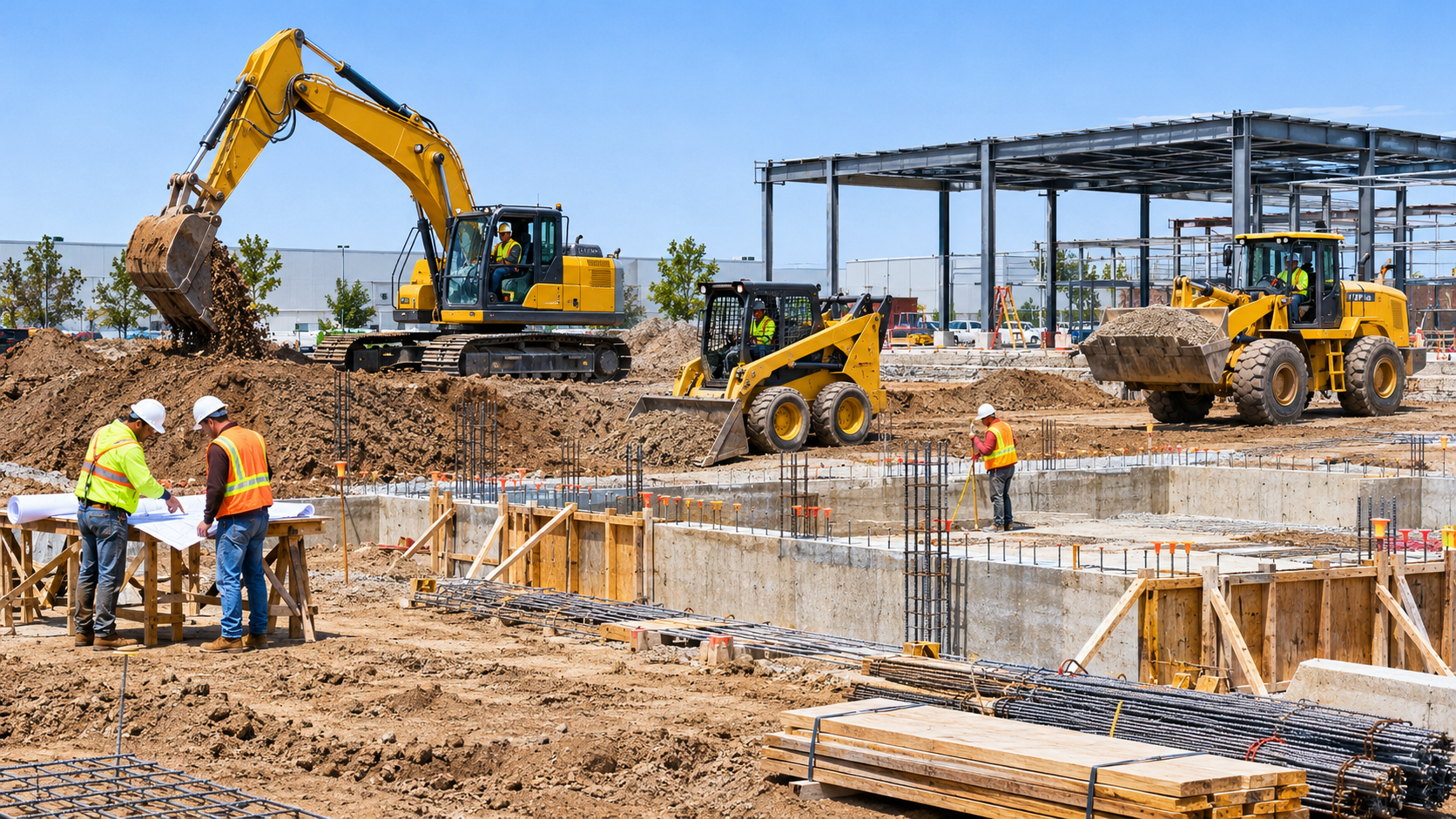
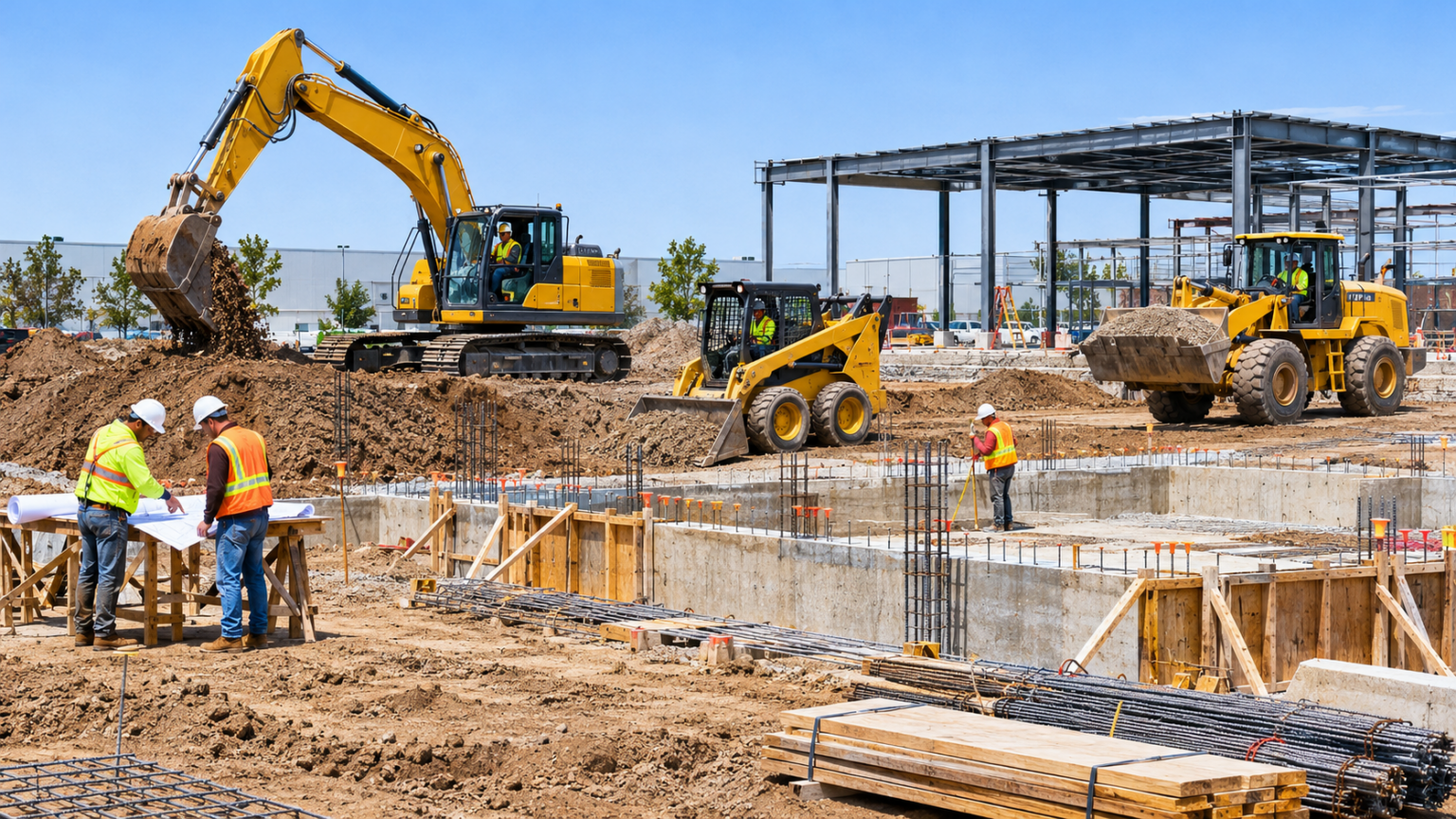
Construction projects require the right combination of skilled workers, suitable materials, careful planning, and dependable machinery. Whether you are preparing land for a new home, renovating a commercial property, or working on a large infrastructure project, access to appropriate equipment can make a significant difference in productivity and project scheduling.
However, purchasing heavy machinery is not always practical. Excavators, loaders, aerial lifts, compactors, and other specialized machines often require substantial investment, ongoing maintenance, storage space, and transportation arrangements.
For businesses that only need certain machines occasionally, renting can provide a more flexible alternative.
Choosing to Rent Construction Equipment allows contractors, builders, and property owners to access specialized machinery without committing to the full cost of ownership.
Equipment rental companies typically offer different machine sizes, attachments, and rental periods to accommodate a variety of project requirements.
According to construction equipment manufacturer Caterpillar, equipment utilization, maintenance requirements, project duration, and operating costs are important factors when evaluating whether to rent or buy machinery. Caterpillar
Before you Rent Construction Equipment, it is important to understand how rental agreements work, what affects the total cost, how to select appropriate machinery, and which safety requirements apply.
This guide explains the advantages of construction machinery rental, common equipment types, budgeting considerations, and practical steps for making an informed rental decision.
1. Understand How Construction Equipment Rental Works
Construction equipment rental is an arrangement in which a customer pays to use machinery for an agreed period without purchasing it.
Rental providers may supply small tools, compact machines, and large construction equipment depending on their inventory and service area.
When contractors Rent Construction Equipment, they generally select a machine, establish the rental duration, confirm delivery or collection arrangements, and accept the provider’s rental terms.
Choose a Suitable Rental Period
Most equipment rental businesses offer several rental durations, commonly including daily, weekly, and four-week or monthly arrangements.
The best option depends on the amount of time the machine will actually be needed.
For example, a landscaping contractor might need a mini excavator for two days, while a commercial builder may require a boom lift for several weeks.
A longer rental period may offer a lower effective daily rate, but it can still become expensive if the equipment remains unused.
Understand Operating-Hour Limits
Some rental contracts specify the operating hours included in the quoted price.
United Rentals‘ U.S. rental terms, updated August 18, 2026, describe standard one-shift usage as eight operating hours per day, 40 hours per week, or 160 hours per four-week period for applicable powered equipment. Additional shifts may increase the rental charge. United Rentals
These conditions vary by rental company, so always review the actual agreement.
Plan the Equipment Return
Customers may need to return machinery to the rental yard or arrange pickup.
Late returns, additional operating hours, and fuel shortages can result in extra charges.
Understanding these details is essential before committing to a rental period.
2. Explore the Different Types of Machinery Available
Construction projects require equipment with different capabilities.
Choosing the wrong machine can increase operating time, create unnecessary expenses, or introduce hazards.
Before deciding to Rent Construction Equipment, identify the exact work the machine needs to perform.
Tracked & Wheeled Mini Excavators Range | Finning Cat
Excavators and Mini Excavators
Commonly used for digging trenches, preparing foundations, landscaping, and removing soil. Compact machines can be useful where access is limited.
John Deere vs. Bobcat Skid Steers: A Comprehensive Comparison
Skid Steer Loaders
Used for moving material, site cleanup, grading, and other tasks with compatible attachments.
Retail | Rental specialist for retail projects | Boels
Scissor Lifts and Boom Lifts
Provide elevated work platforms for suitable construction, maintenance, and installation tasks. Selection requires careful attention to reach, capacity, terrain, and safety.
Compacteur et cylindre pour mise en oeuvre | La Centrale TP
Compactors and Rollers
Used to compact soil, gravel, or asphalt according to the requirements of the project and material.
Other commonly rented equipment includes forklifts, telehandlers, generators, concrete mixers, air compressors, trenching equipment, and lighting towers.
Select the Right Machine Size
A larger machine is not automatically the better choice.
An oversized excavator may be unsuitable for a small residential yard, while an undersized machine may struggle with the required digging depth or material volume.
Compare operating weight, working reach, lifting capacity, terrain requirements, and available access.
The best approach when you Rent Construction Equipment is to describe the intended task to the rental provider and confirm that the selected equipment is appropriate for the work.
3. Save Capital and Manage Project Expenses
One of the primary advantages of renting machinery is avoiding a large upfront purchase.
Buying equipment requires capital that may otherwise be needed for labor, materials, permits, insurance, and other essential project expenses.
When businesses Rent Construction Equipment, they can often allocate funds according to immediate project needs rather than tying up substantial capital in machinery.
Reduce Initial Investment
A contractor starting a new business may not have enough financial flexibility to purchase every type of machinery required for different jobs.
Renting provides access to equipment without requiring ownership.
This can be especially useful when project requirements vary or future demand is uncertain.
Avoid Certain Ownership Costs
Owning equipment involves more than the purchase price.
Additional expenses may include depreciation, storage, insurance, routine servicing, major repairs, and transportation.
Renting shifts some of these responsibilities to the provider, although customers may still be responsible for daily checks, proper operation, fuel, damage, and other contract-specific obligations.
Improve Cash Flow Planning
Rental expenses can often be estimated for a particular project when the expected duration and usage are known.
This makes it easier to include machinery costs in a construction estimate.
However, renting is not automatically cheaper in every situation.
If a machine is used frequently throughout the year, ownership may become more economical.
The financial decision to Rent Construction Equipment should therefore consider utilization, total project costs, and long-term business requirements.
4. Compare Renting Versus Buying Heavy Equipment
Choosing between renting and buying should be based on how often the equipment is needed, how long it will be used, and the resources available for ownership.
Businesses completing similar projects every week may benefit from owning frequently used machinery.
However, contractors handling different types of work may find rental arrangements more practical.
A significant reason to Rent Construction Equipment is the flexibility to select specialized equipment only when it is required.
When Renting May Be the Better Choice
Rental is often worth considering for short-term projects, seasonal work, occasional specialized tasks, and situations where storage space is limited.
It can also help businesses evaluate a machine before making a major purchase.
For example, a contractor considering a compact track loader could rent one for a suitable project and obtain feedback from trained operators.
When Purchasing May Make More Sense
Ownership may be advantageous when a machine is used consistently, the company has adequate maintenance capabilities, and the long-term costs are favorable.
Caterpillar recommends evaluating equipment use over time and notes that higher utilization can strengthen the case for purchasing rather than renting. Its published guidance describes utilization below approximately 40% as a situation where renting may be preferable, while higher usage calls for closer ownership analysis. These are decision guidelines, not universal financial rules. Caterpillar
Key Differences at a Glance
| Factor | Renting | Buying |
|---|---|---|
| Upfront expense | Usually lower | Usually higher |
| Ownership | No | Yes |
| Long-term availability | Depends on rental inventory | Generally available to owner |
| Maintenance | Shared or defined by agreement | Primarily owner’s responsibility |
| Storage | Usually unnecessary after return | Required |
| Specialized equipment access | Flexible selection | Requires purchasing or replacing |
| Frequent long-term use | May become costly | May offer better value |
| Resale value | None | Potential resale value |
When deciding whether to Rent Construction Equipment, consider both the cost and the operational consequences of not having the machine available on demand.
5. Understand Construction Equipment Rental Costs
Rental rates vary substantially depending on the machinery, geographic location, rental duration, current availability, and service requirements.
For this reason, broad national averages may not accurately predict what an individual contractor will pay.
Before you Rent Construction Equipment, request a detailed written quotation based on the specific machine and jobsite.
Factors Affecting Rental Prices
Several variables can influence the final amount:
- Equipment type, model, size, and operating capacity
- Daily, weekly, or monthly rental period
- Delivery distance and pickup arrangements
- Included operating hours and additional shift charges
- Attachments and specialized accessories
- Fuel, cleaning, damage protection, and other service charges
- Applicable taxes and fees
Calculate the Total Rental Expense
Suppose a contractor receives the following hypothetical quotation for a compact excavator:
| Expense | Illustrative amount |
|---|---|
| Three-day rental | $900 |
| Delivery and pickup | $250 |
| Attachment rental | $120 |
| Damage protection option | $90 |
| Fuel allowance | $80 |
| Estimated total | $1,440 |
These figures are hypothetical and should not be used as current market prices.
The actual rental agreement may contain additional fees or different rates.
Watch for Hidden or Additional Charges
United Rentals’ current U.S. rental terms identify potential charges involving delivery, pickup, refueling, environmental services, excess cleaning, damage, and late returns. United Rentals
Not every fee applies to every rental, but the customer should understand the circumstances in which each charge may be assessed.
A careful contractor planning to Rent Construction Equipment should compare complete quotations rather than looking only at the advertised daily price.
6. Select a Reliable Equipment Rental Company
The rental provider can influence project efficiency, machine availability, and the handling of unexpected mechanical problems.
An attractive price may not be worthwhile if equipment arrives late, lacks necessary accessories, or experiences repeated failures.
Choosing a reputable provider is an essential part of deciding to Rent Construction Equipment.
Evaluate the Equipment Fleet
Look for a provider with machines appropriate for your project.
Confirm that the equipment meets the required specifications and that compatible attachments are available.
Ask about maintenance records, inspection procedures, and machine condition.
Check Customer Support
Good communication is particularly important when construction schedules are tight.
Ask how the company handles breakdowns, technical questions, replacement equipment, and emergency service requests.
A clear breakdown procedure can reduce confusion if equipment fails during a project.
Compare Rental Terms
Different businesses may have different pricing structures, minimum rental periods, cancellation policies, and protection options.
Read the terms rather than assuming they are identical across providers.
Review the Company’s Reputation
Look for relevant customer feedback about equipment condition, scheduling reliability, transparency of fees, and customer support.
Feedback from contractors who have completed similar work may be especially useful.
The goal when you Rent Construction Equipment should be to establish a dependable working relationship rather than simply finding the cheapest available machine.
7. Inspect Equipment Before Accepting Delivery
An equipment inspection helps identify obvious problems before a machine enters service.
It also provides an opportunity to record the condition in which the equipment was supplied.
Before operating rented machinery, the designated qualified personnel should complete the inspections required by the manufacturer, applicable regulations, and the site’s safety procedures.
Check Visible Machine Condition
Depending on the equipment, checks may include the tires or tracks, hydraulic hoses, visible leaks, attachments, warning indicators, guards, lights, and safety devices.
Review the operator’s manual for model-specific requirements.
Never operate equipment with an unresolved condition that could affect safe operation.
Record Existing Damage
Photograph visible dents, scratches, cracked components, or other existing issues when permitted.
Report them to the rental provider immediately and ensure that the documentation is acknowledged.
This can help prevent disagreements when the equipment is returned.
Verify Accessories and Documentation
Confirm that the necessary keys, compatible attachments, operating instructions, and required safety information are provided.
The machine should match the model and specifications agreed upon.
A responsible approach when you Rent Construction Equipment is to complete acceptance checks before beginning work.
8. Follow Construction Equipment Safety Requirements
Heavy equipment can create serious hazards when operated incorrectly.
Risks may include overturning, struck-by incidents, crushing injuries, contact with overhead power lines, and accidents involving workers on foot.
Renting machinery does not remove the employer’s responsibility to provide a safe work environment.
Every decision to Rent Construction Equipment should include a plan for qualified operators, suitable site conditions, and appropriate safety procedures.
Use Trained and Authorized Operators
Different machines have different training and qualification requirements.
For example, OSHA requires operators of covered construction cranes to be trained, certified or licensed as applicable, and evaluated according to the relevant regulation. Occupational Safety and Health Administration
Other machinery, including aerial lifts and powered industrial trucks, is subject to its own applicable standards.
A rental company’s equipment demonstration should not be assumed to replace required operator training or certification.
Evaluate Jobsite Conditions
Assess the terrain, overhead obstacles, underground services, pedestrian routes, and available operating space.
Before excavation, ensure required utility locating and excavation safety measures are completed.
Establish appropriate exclusion zones where equipment and personnel could conflict.
Follow Manufacturer Instructions
Operate equipment within the specified capacity, reach, and operating limitations.
Do not modify safety devices or use incompatible attachments.
Any malfunction affecting safety should be reported and addressed before operation continues.
The safety benefits of choosing to Rent Construction Equipment depend on proper equipment selection, operator competence, and jobsite management rather than the rental arrangement alone.
9. Organize Delivery, Scheduling, and Equipment Returns
Construction projects involve multiple activities that must occur in the correct sequence.
Poor equipment scheduling can result in unnecessary rental days, idle workers, or missed milestones.
The logistical side of planning to Rent Construction Equipment is often as important as selecting the machinery itself.
Book Equipment in Advance
Certain machine types may be in high demand during busy construction periods.
Make reservations early when availability could affect your project schedule.
Confirm the exact model or agreed alternative, delivery date, rental duration, and required accessories.
Prepare the Delivery Location
Heavy machinery deliveries may require sufficient access, firm ground, unloading space, and a safe location away from public traffic.
Coordinate delivery requirements with the provider and confirm who is responsible for loading and unloading.
Avoid Paying for Idle Days
Try to arrange delivery shortly before the equipment is needed.
Coordinate labor, materials, utility clearance, and other prerequisites so that the equipment can be used efficiently.
Confirm Off-Rent Procedures
Some providers require customers to notify the rental company formally when the machine is no longer needed.
For example, United Rentals’ U.S. terms describe rental charges continuing until the equipment is returned or the required off-rent and pickup process has been completed. United Rentals
When you Rent Construction Equipment, document the return arrangements and retain the confirmation.
10. Avoid Common Equipment Rental Mistakes
Even experienced contractors can make costly mistakes when renting machinery.
The most common problems include selecting unsuitable equipment, underestimating rental duration, overlooking additional fees, and failing to coordinate delivery with project activities.
Understanding these risks can help improve both budgeting and jobsite efficiency.
Renting Equipment That Is Too Large or Too Small
A machine that is too small may increase operating time, while one that is too large may be unsuitable for the available access or ground conditions.
Describe the actual job requirements and verify machine specifications before booking.
Ignoring Contract Conditions
Rental agreements may contain important details about damage, liability, insurance, refueling, and operating-hour limits.
Review these conditions carefully before accepting delivery.
Failing to Schedule Qualified Operators
Equipment availability is only useful when authorized personnel are available to operate it safely.
Confirm operator requirements before arranging delivery.
Returning Equipment Late
Late returns can increase expenses and may disrupt another customer’s reservation.
Track the rental period and confirm return procedures early.
A well-planned decision to Rent Construction Equipment should account for these practical issues before they affect the project.
Construction Equipment Rental Checklist
Use this checklist before finalizing a rental:
| Checklist item | What to verify |
|---|---|
| Project requirements | Exact tasks, terrain, access, and working capacity |
| Equipment selection | Machine type, model, size, and compatible attachments |
| Rental period | Start date, return date, and included operating hours |
| Total cost | Rental rate, delivery, fuel, protection, taxes, and fees |
| Operator qualifications | Required training, certification, and authorization |
| Equipment condition | Inspections, visible damage, and safety equipment |
| Rental agreement | Insurance, damage liability, cancellation, and late returns |
| Delivery arrangements | Site access, unloading, pickup, and off-rent procedures |
| Breakdown support | Reporting contacts, repair responsibilities, and replacement policy |
| Return requirements | Cleaning, refueling, documentation, and confirmation |
Completing these checks can help contractors reduce preventable delays, understand financial obligations, and prepare a safer worksite.
Frequently Asked Questions
Is it cheaper to rent or buy construction equipment?
Renting may be more economical for short-term, seasonal, or occasional use. Buying can offer better long-term value when machinery is used frequently. Compare total ownership costs with expected rental expenses.
What construction equipment can I rent?
Common rental options include excavators, mini excavators, skid steers, compact track loaders, scissor lifts, boom lifts, forklifts, telehandlers, compactors, generators, and concrete equipment.
How much does heavy equipment rental cost?
The cost depends on the machine, rental duration, location, delivery requirements, and additional charges. Request a written quotation for the specific equipment and project rather than relying on broad estimates.
Do I need a license to operate rented construction equipment?
Requirements depend on the equipment, worksite, and applicable regulations. Certain machines require specific training, certification, licensing, or employer evaluation. Check the relevant OSHA standards and local requirements before operation.
Does equipment rental include insurance?
Not automatically. Rental contracts may require insurance or offer a rental protection program. Protection plans may have exclusions and are not necessarily insurance policies.
Can I extend a construction equipment rental?
Many providers allow rental extensions when the equipment is available. Contact the rental company before the scheduled return date to confirm availability, revised charges, and contract conditions.
Conclusion
Construction equipment rental can help contractors, builders, and property owners access specialized machinery without the long-term financial commitment of ownership.
From excavators and skid steers to aerial lifts and compactors, rental services offer flexibility for projects with different requirements and schedules.
However, successful equipment rental requires more than comparing daily prices.
You need to select machinery with suitable specifications, understand rental agreements, calculate the full cost, arrange qualified operators, and coordinate delivery and returns.
Choosing to Rent Construction Equipment can be a practical business decision when equipment is needed temporarily, utilization is uncertain, or purchasing would place unnecessary pressure on available capital.
Before you Rent Construction Equipment, obtain detailed quotations, confirm safety and operating requirements, and prepare a realistic project schedule.
With thoughtful planning and a dependable rental provider, you can improve equipment availability, control project expenses, and complete construction activities more efficiently.

Written by Twastia Editorial Team
Twastia Editorial Team shares practical insights about website design, SEO services, Google Ads, content marketing, social media, conversion rate optimization, and digital marketing strategy.
Last updated: Nov 7, 2026
Related posts from Twastia
Explore more useful articles from twastia.com about digital marketing, SEO, websites, ads, content, and growth strategy.