rental property investment: Best Guide for Beginners
Investing in real estate can be an appealing way to generate income, diversify your assets, and build long-term financial stability. […]

Investing in real estate can be an appealing way to generate income, diversify your assets, and build long-term financial stability. Unlike some investments that depend entirely on market prices, rental properties can produce income through tenants or paying guests while offering the possibility of future property appreciation.
However, successful rental property investment requires more than purchasing an attractive house and finding someone willing to rent it.
Investors must understand local demand, financing expenses, property taxes, insurance, maintenance, and the risks associated with vacancies. A property that looks profitable on paper may produce disappointing results if important costs are overlooked.
Across the United States, investors can choose from single-family rental homes, multifamily properties, vacation rentals, and other residential opportunities. Each strategy involves different responsibilities and financial considerations.
This guide explains how rental property investing works, the main benefits and risks, ways to evaluate potential properties, and practical strategies for beginners.
Whether you are considering your first investment home or exploring additional real estate opportunities, understanding the fundamentals can help you make better decisions.
What Is Rental Property Investment?

Rental property investment involves purchasing or holding real estate with the intention of earning income from people who pay to occupy or use it.
Investors generally receive rental income while taking responsibility for ownership expenses and property management.
They may also benefit if the property increases in market value, although appreciation is never guaranteed.
How Rental Property Investing Works

An investor purchases a property using cash, financing, or a combination of both.
The property is then offered to suitable tenants or short-term guests, depending on its intended use and applicable regulations.
Rental payments help cover operating expenses, financing costs, and potentially generate additional income.
The investor remains responsible for maintenance, financial planning, and compliance with relevant laws.
Rental Income vs. Property Appreciation
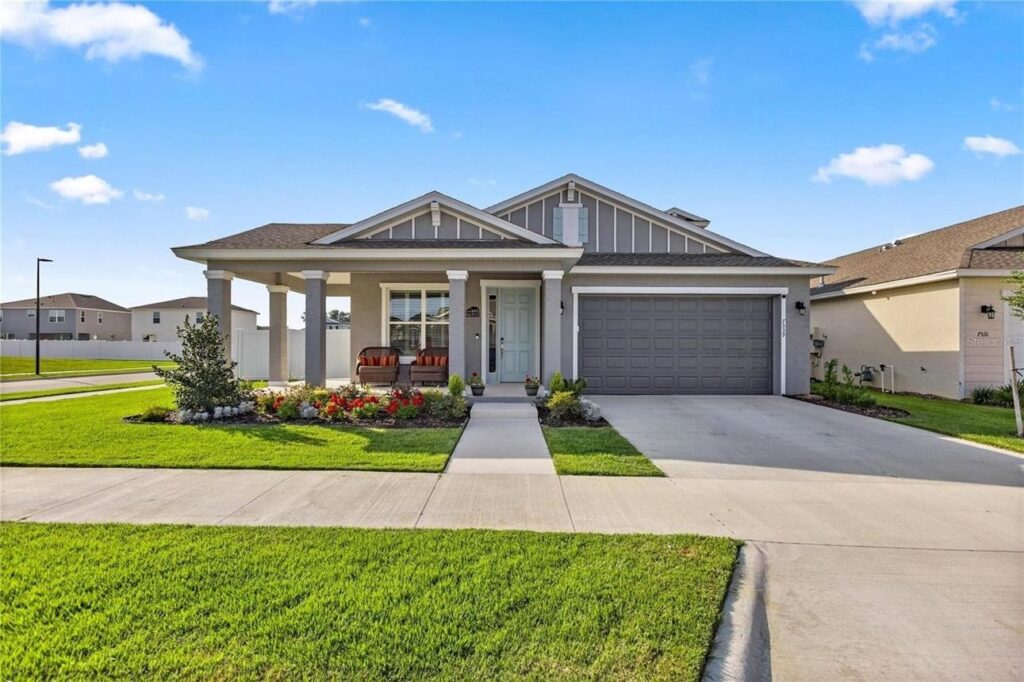
Rental income represents payments collected from occupants.
Property appreciation refers to an increase in the property’s market value over time.
Both can contribute to investment returns, but property values may decline, and rental income may be interrupted by vacancies or nonpayment.
A sound investment strategy evaluates these possibilities separately.
Benefits of Investing in Rental Properties
Rental real estate offers several potential advantages, although results depend on individual circumstances.
Potential Recurring Income
A well-managed rental may generate regular payments that help offset ownership expenses.
Long-term leases can provide a more predictable payment schedule than some short-term accommodation arrangements.
However, rental income is not guaranteed, even when a property is occupied.
Long-Term Asset Ownership
Real estate is a physical asset that investors can maintain, renovate, and potentially sell.
Its value depends on location, market conditions, property characteristics, and broader economic factors.
Portfolio Diversification
Real estate can add another asset category to an investment portfolio.
However, purchasing a single property also creates concentrated exposure to one location and one asset.
Investors should consider how real estate fits their overall financial position.
Potential Tax Benefits
Certain rental expenses may qualify for deductions under federal tax rules.
Depending on eligibility, these can include repairs, insurance, property taxes, mortgage interest, management fees, and depreciation.
The IRS explains these rules in Publication 527. Tax benefits depend on how the property is used and the investor’s circumstances.
Types of Rental Property Investments
Different property categories offer different income patterns and management demands.
Single-Family Rental Homes
Single-family properties are commonly rented to one household under a residential lease.
They can be straightforward to understand and may attract tenants seeking additional living space.
However, vacancy can eliminate rental income until another tenant is found.
Multifamily Rental Properties
Duplexes and other multifamily buildings contain multiple residential units.
Separate tenants can create several income sources within one property.
Additional units also introduce more maintenance, tenant management, and operational responsibilities.
Long-Term Residential Rentals
Long-term rentals generally involve tenants occupying a property under a lease lasting months or longer.
This approach may require less frequent turnover than vacation rentals.
Investors should still budget for repairs, vacancies, and potential rent collection problems.
Short-Term Vacation Rentals
Vacation rentals are furnished properties rented for shorter stays.
They may appeal to travelers visiting beaches, mountains, lakes, or popular destinations.
However, occupancy can fluctuate with seasonality, competition, and local regulations.
They also require guest communication, cleaning, furnishing, and frequent property inspections.
How to Choose the Right Rental Property Location
Location is one of the most important factors affecting rental demand and operating performance.
Research Employment Opportunities
Communities with varied employers and reliable transportation connections may offer broader rental demand.
Investigate local industries, employment trends, and the types of households seeking accommodation.
Do not assume that rapid population growth automatically produces profitable rental conditions.
Compare Rental Prices
Review similar properties currently advertised and, where available, recent completed rental transactions.
Consider bedroom count, property size, amenities, condition, and exact location.
A recently renovated property may achieve different rent from an older home nearby.
Evaluate Neighborhood Amenities
Transportation, shopping, healthcare, parks, and other local conveniences may influence rental demand.
For vacation properties, proximity to attractions and seasonal activities can be relevant.
Understand Local Restrictions
Cities and counties may regulate short-term rentals, business licenses, zoning, and occupancy.
Some homeowners associations also impose rental restrictions.
Verify these rules before purchasing rather than assuming future rental use will be permitted.
Understanding Rental Property Cash Flow
Cash flow measures the money remaining after a property’s relevant income and expenses are accounted for.
Positive cash flow can support ongoing operations, while negative cash flow may require additional funds from the investor.
Calculate Gross Rental Income
Begin with a realistic rental amount supported by comparable properties.
For example, a home renting for $2,000 per month would produce $24,000 in annual scheduled rent if occupied and paid for all 12 months.
Actual income may be lower because of vacancies, concessions, or missed payments.
Identify Operating Expenses
Typical operating expenses may include:
- Property taxes and insurance
- Routine maintenance and repairs
- Property management fees
- Utilities paid by the owner
- Advertising and leasing costs
- HOA fees where applicable
- Vacancy and replacement reserves
Mortgage principal and interest payments should also be included when calculating cash flow after financing.
Example Monthly Cash Flow
Consider a hypothetical property receiving $2,000 in monthly rent.
Suppose operating expenses average $650, and the monthly mortgage payment is $1,050.
The estimated cash flow would be $300 per month.
This simplified example is not a guaranteed return. Investors should stress-test the figures for major repairs, unexpected vacancies, and other costs.
Key Rental Property Investment Metrics
Financial calculations help investors compare opportunities using a consistent approach.
Capitalization Rate
The capitalization rate, or cap rate, compares annual net operating income with property value.
Net operating income generally excludes mortgage payments and income taxes.
Cap rates are useful for comparing properties, but they do not capture financing costs or all investment risks.
Cash-on-Cash Return
Cash-on-cash return compares annual pretax cash flow with the total cash invested.
Initial cash invested may include the down payment, closing costs, and necessary upfront improvements.
This metric can help investors evaluate financing strategies.
Return on Investment
Return on investment measures financial results relative to the amount invested.
Calculations may include income, changes in property value, transaction costs, and other factors.
Always check which assumptions are included when comparing advertised returns.
Financing Your First Rental Property
Financing influences monthly costs, financial risk, and the amount of cash needed to purchase a property.
Investment Property Mortgages
Some lenders offer loans specifically for non-owner-occupied residential properties.
Requirements may differ from mortgages for primary residences.
Borrowers should compare interest rates, down payment requirements, loan terms, reserves, and closing costs.
Down Payment Planning
A larger down payment may reduce the amount borrowed and lower monthly debt payments.
However, using too much available cash can leave insufficient funds for repairs or vacancies.
Maintain adequate reserves after completing the purchase.
Compare Lenders Carefully
Ask lenders for written loan information and understand whether quoted terms apply to investment properties.
Review prepayment provisions, fees, insurance requirements, and other financial obligations.
Exploring Rental Opportunities Through Here
Investors interested in vacation rental opportunities can explore rental property investment ideas through Here, an American real estate investment research platform.
The company’s current website focuses on identifying and sharing potential Airbnb investment properties rather than offering conventional rental listings for tenants.
Curated Vacation Rental Opportunities
Here publishes property selections organized around themes such as coastal destinations, mountain locations, lakeside properties, forests, and urban markets.
Its website describes a newsletter that shares investment opportunities with subscribers.
Property Research and Analysis
According to Here, its team reviews numerous property opportunities and selects a limited number for publication.
The platform also describes partnerships intended to connect investors with services related to buying, renovating, furnishing, financing, managing, and insuring vacation properties.
Important Investment Considerations
A featured property is not automatically a profitable investment.
Buyers should independently verify purchase prices, expected occupancy, operating expenses, local rental restrictions, and management requirements.
Here’s published opportunities are research starting points, not guaranteed financial outcomes.
Long-Term Rentals vs. Short-Term Rentals
Investors should understand how management demands differ between these strategies.
Income Predictability
Long-term rentals generally involve recurring payments under residential lease agreements.
Short-term rental revenue depends on nightly rates, bookings, and occupancy patterns.
An attractive nightly rate does not necessarily produce higher annual profit.
Operational Responsibilities
Vacation rentals require regular cleaning, guest communication, booking management, and furnishing upkeep.
Long-term rentals generally involve fewer move-ins but still require tenant support and property maintenance.
Regulatory Considerations
Short-term rental regulations can differ substantially between destinations.
Long-term residential landlords must comply with applicable housing, tenancy, and fair housing laws.
Investors should review rules for their particular property.
Property Management: Self-Manage or Hire Professionals?
Rental property ownership requires ongoing attention even when day-to-day operations appear straightforward.
Self-Managing a Rental
Self-management gives investors direct control over tenant communications, maintenance decisions, and operating expenses.
However, it can demand significant time and knowledge of local rental requirements.
Hiring a Property Manager
Professional property managers may coordinate leasing, maintenance, tenant communications, and rent collection.
Services and fees vary.
Request clear information about responsibilities, reporting, approval limits, and contract termination.
Planning for Emergencies
Unexpected plumbing failures, storm damage, and heating problems may require urgent attention.
Every investor should have a practical maintenance response plan.
Rental Property Taxes in the United States
Rental income is generally subject to federal reporting requirements.
Reporting Rental Income
The IRS generally requires landlords to report rental income.
Certain expenses may be deductible, subject to applicable limitations.
Many individual investors report qualifying rental activity using Schedule E.
Understanding Depreciation
Residential rental buildings are commonly depreciated over 27.5 years under the general federal tax system.
Land is not depreciable.
Depreciation rules, property improvements, and mixed personal use can complicate calculations.
Work With a Tax Professional
Rental tax treatment may involve passive activity limitations, depreciation recapture, and state-specific requirements.
A qualified tax professional can help evaluate your individual circumstances.
Common Rental Property Investment Risks
Rental real estate can produce financial losses.
Vacancies and Tenant Nonpayment
Rental income may stop while expenses continue.
Maintain financial reserves and use consistent, lawful tenant screening procedures.
Unexpected Repairs
Major repairs involving roofs, foundations, plumbing, or HVAC equipment can be expensive.
Professional inspections and maintenance reserves help investors prepare.
Market Changes
Property prices and market rents can decrease.
Avoid relying entirely on optimistic appreciation assumptions.
Insurance and Natural Hazards
Flooding, hurricanes, wildfires, and other hazards can affect ownership costs and property availability.
Review insurance coverage and relevant local risks before purchasing.
How to Start Investing in Rental Property
A disciplined process can help beginners avoid common mistakes.
Step 1: Establish Investment Goals
Decide whether your priority is monthly income, long-term ownership, or a combination.
Step 2: Set Your Budget
Calculate your available capital, borrowing capacity, emergency reserves, and maximum acceptable expenses.
Step 3: Research Suitable Markets
Compare rental demand, housing prices, expenses, and local regulations.
Step 4: Analyze Individual Properties
Use realistic income and expense estimates rather than relying solely on seller projections.
Step 5: Arrange Professional Due Diligence
Consider inspections, insurance estimates, title review, financing, and legal advice.
Step 6: Prepare for Management
Establish maintenance procedures, recordkeeping, and suitable property management arrangements before welcoming occupants.
Frequently Asked Questions About Rental Property Investment
1. Is rental property investment good for beginners?
It can be appropriate for some beginners who understand financing, maintenance, and financial risks. Careful research and adequate reserves are important.
2. How much money do I need to buy rental property?
The amount depends on the purchase price, financing, closing costs, repairs, and required reserves.
3. What is positive rental cash flow?
Positive cash flow occurs when collected income exceeds operating expenses and financing payments over the measured period.
4. Are vacation rentals more profitable than long-term rentals?
Not necessarily. Short-term rentals may earn higher nightly rates but also experience greater operating costs and occupancy fluctuations.
5. Can rental property generate passive income?
Rental property may provide income with limited personal involvement when professional management is used. However, ownership still carries financial and management responsibilities.
6. What expenses are deductible on rental property?
Qualifying expenses may include maintenance, insurance, management fees, taxes, mortgage interest, and depreciation, subject to IRS requirements.
7. What does Here offer rental property investors?
Here publishes curated Airbnb investment opportunities and provides information intended to help investors research vacation rental properties.
8. What is the biggest risk of rental property investment?
There is no single biggest risk for every property. Vacancies, unexpected repairs, financing costs, market declines, and regulatory changes can all affect returns.
Conclusion
Rental property investment can provide opportunities for recurring income, long-term asset ownership, and portfolio diversification.
However, successful investing depends on careful analysis rather than assumptions about guaranteed rent or rising property values.
Before buying, research the local market, estimate realistic operating expenses, understand financing obligations, and review legal requirements.
Whether you prefer a traditional long-term rental or a vacation property discovered through a platform such as Here, evaluate each opportunity independently.
By setting clear goals, maintaining financial reserves, and making informed decisions, investors can build a more responsible real estate strategy aligned with their financial circumstances and long-term objectives.

Written by Twastia Editorial Team
Twastia Editorial Team shares practical insights about website design, SEO services, Google Ads, content marketing, social media, conversion rate optimization, and digital marketing strategy.
Last updated: Oct 27, 2026
Related posts from Twastia
Explore more useful articles from twastia.com about digital marketing, SEO, websites, ads, content, and growth strategy.