Residential Windows: Enhance Your Home With Better Comfort, Efficiency, and Style
Windows are one of the most important features of any home because they influence appearance, natural lighting, ventilation, security, and […]
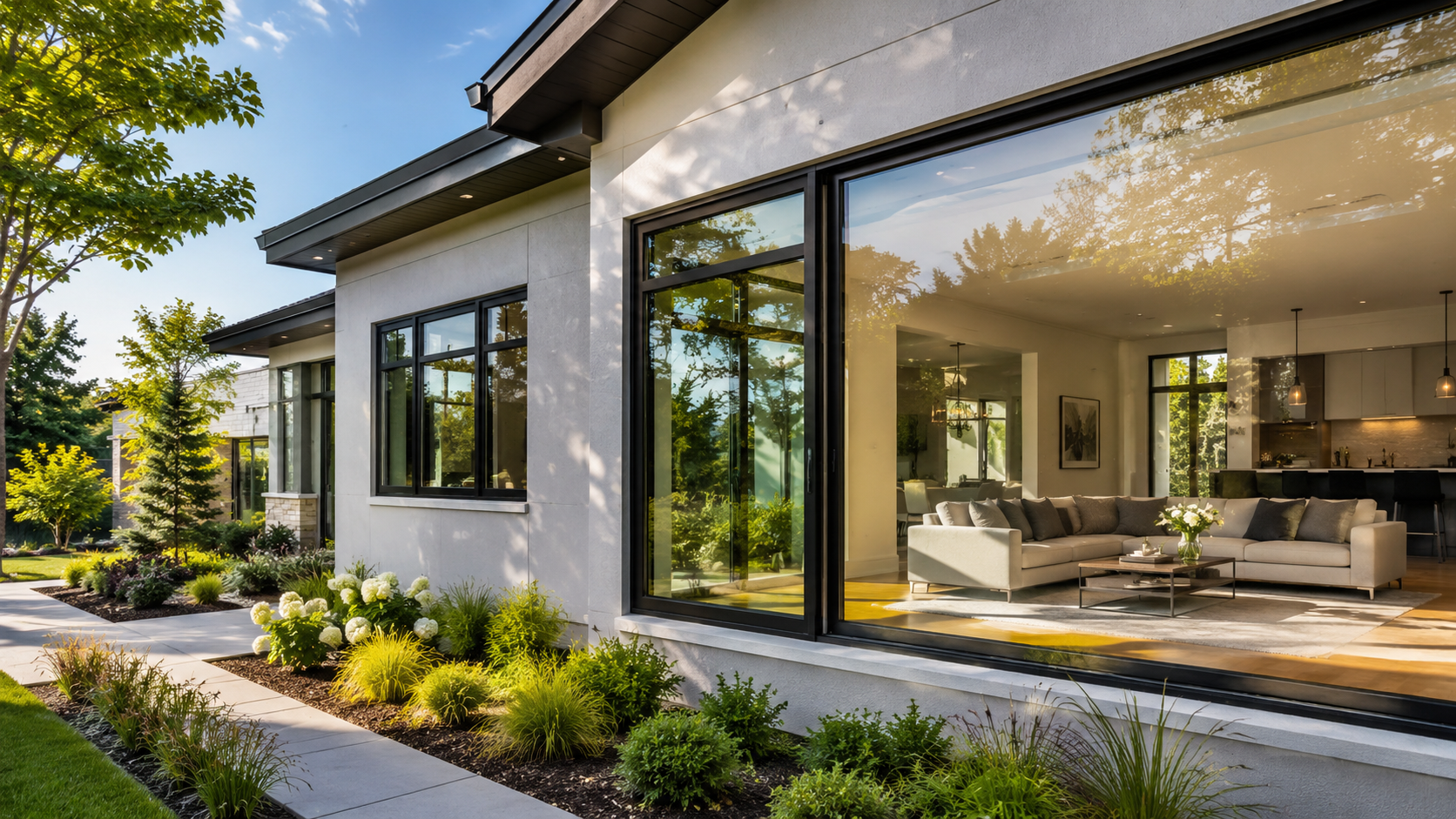
Windows are one of the most important features of any home because they influence appearance, natural lighting, ventilation, security, and indoor comfort. Many homeowners underestimate the role windows play until they experience problems such as drafts, rising energy bills, outside noise, or outdated designs. Choosing high-quality residential windows can transform both the interior and exterior of a property while improving everyday living conditions.
Modern homeowners are no longer choosing windows only based on appearance. They are looking for solutions that provide better insulation, durability, low maintenance, and long-term value. Today’s window designs combine advanced materials, improved glass technology, and stylish finishes to meet different architectural preferences and performance needs. Energy-efficient window features such as improved glazing and insulation options can help reduce heat transfer and improve indoor comfort.
Whether building a new home or replacing outdated installations, selecting the right window system requires careful consideration. Factors such as climate, home design, room purpose, budget, and maintenance expectations all influence the best choice.
Furthermore, professionally selected and installed windows can contribute to better energy performance, improved property appearance, and increased homeowner satisfaction. The right window upgrade is not simply a cosmetic improvement; it is a long-term investment in comfort and functionality.
Windows perform several important functions beyond allowing natural light into a room. They create a connection between indoor and outdoor spaces while helping control temperature, airflow, and privacy.
Older windows often create challenges for homeowners. Poor sealing, damaged frames, and outdated glass can allow unwanted air movement, making heating and cooling systems work harder.
By upgrading to modern window solutions, homeowners can improve:
- Indoor comfort
- Energy efficiency
- Exterior appearance
- Noise reduction
- Home security
- Natural lighting
Additionally, modern windows are designed with improved materials that require less maintenance compared with traditional options.
A well-designed window system supports a healthier and more comfortable living environment. Proper ventilation helps improve airflow, while quality glass solutions can reduce unwanted heat gain or heat loss.
Therefore, investing in better windows can create noticeable improvements throughout the home.
Selecting the right windows requires more than choosing an attractive design. Homeowners should consider several technical and practical factors before making a decision.
Consider Your Home Design
The architectural style of a home plays an important role in window selection.
Traditional homes may benefit from classic double-hung designs, while modern properties often use larger glass areas and minimal frame styles.
The right design should complement the existing structure while improving functionality.
Evaluate Climate Conditions
Climate affects how windows perform throughout the year.
Homes in warmer regions may benefit from glass options that reduce heat transfer, while colder climates may require stronger insulation features.
Understanding local weather conditions helps homeowners select windows that provide better year-round performance.
Think About Room Function
Different rooms have different window requirements.
For example:
- Bedrooms may need privacy-focused designs
- Living rooms may benefit from larger windows
- Kitchens may require easy ventilation
- Bathrooms may need moisture-resistant solutions
Choosing windows based on room purpose improves both comfort and practicality.
Modern homeowners have many window styles to choose from. Each option provides different benefits depending on design preferences and functional needs.
Double-Hung Windows
Double-hung windows remain one of the most popular choices because they provide classic appearance and practical ventilation.
They feature movable upper and lower sections, allowing homeowners to control airflow.
These windows are commonly selected because they work well with many architectural styles and are relatively easy to maintain.
Sliding Windows
Sliding windows operate horizontally and are ideal for spaces where outward opening is limited.
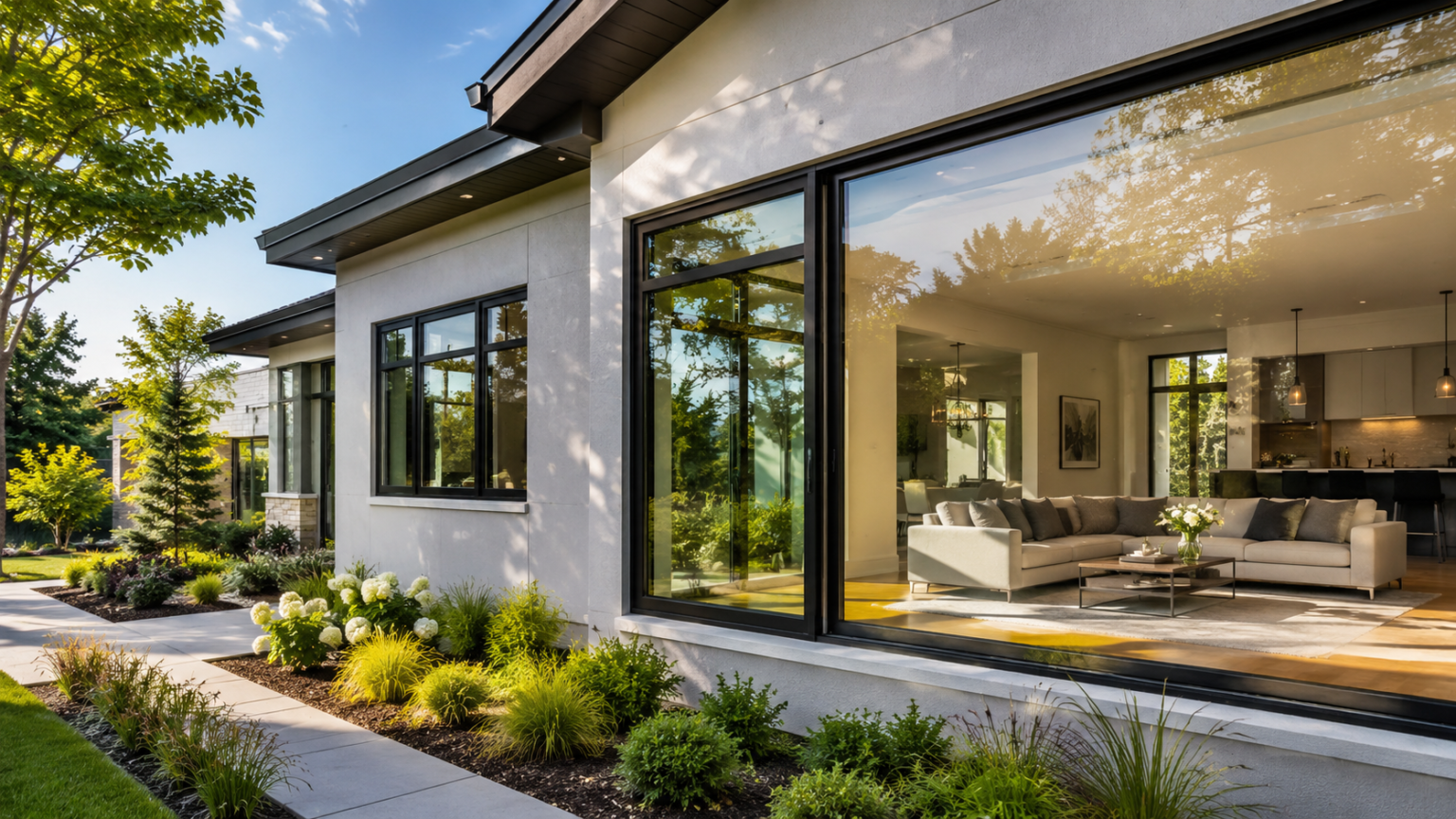
They provide wide views and convenient operation, making them suitable for modern homes.
Casement Windows
Casement windows open outward using a hinge system.
They provide excellent ventilation because the entire window opening can allow airflow into the room.
Picture Windows
Picture windows are designed primarily to provide large, unobstructed views.
They are often used in living rooms and areas where homeowners want maximum natural light.
Bay and Bow Windows
Bay and bow windows extend outward from the wall, creating additional interior space and architectural character.
They can make rooms feel larger while adding visual interest to a home’s exterior.
Improved Energy Efficiency
One of the biggest advantages of modern windows is improved insulation.
Poor-quality windows allow heat transfer, causing heating and cooling systems to work harder.
Energy-efficient windows with advanced glazing technology help maintain more consistent indoor temperatures. Features such as double-pane glass and low-emissivity coatings are commonly used to improve insulation performance.
Enhanced Home Appearance
Windows significantly influence curb appeal.
New designs, updated frames, and modern glass options can refresh the appearance of an older home.
Inside the property, stylish windows create brighter and more welcoming spaces.
Better Noise Reduction
Outside noise from traffic, neighbors, and environmental activity can affect comfort.
Modern window systems with improved sealing and multi-layer glass options can help reduce unwanted sound transmission.
Increased Security
Quality windows include stronger frames, improved locking systems, and durable materials.
These features provide homeowners with additional peace of mind.
Lower Maintenance Requirements
Many modern windows are designed for easier cleaning and long-lasting performance.
Durable materials resist common issues such as warping, corrosion, and deterioration.
The material used in window frames affects durability, maintenance, appearance, and insulation.
Vinyl Windows
Vinyl windows are popular because they require minimal maintenance and provide good insulation performance.
They do not require regular painting and are resistant to moisture-related problems.
Wood Windows
Wood windows offer a natural and traditional appearance.
They are often chosen for historic properties or homeowners who prefer classic aesthetics.
However, wood generally requires more maintenance compared with other materials.
Fiberglass Windows
Fiberglass windows provide strength, durability, and resistance to temperature changes.
They are often selected for homeowners seeking long-term performance.
Aluminum Windows
Aluminum windows offer a sleek appearance and strong structural performance.
Modern aluminum systems may include thermal improvements to enhance energy efficiency.
Glass selection plays a major role in window performance.
Modern residential windows often include advanced glass features designed to improve comfort.
Double-Pane Glass
Double-pane windows include two layers of glass separated by an insulating space.
This design reduces heat transfer and improves indoor temperature control.
Triple-Pane Glass
Triple-pane windows provide additional insulation through an extra glass layer.
They are commonly considered for locations where maximum energy performance is needed.
Low-E Glass
Low-emissivity coatings help control heat movement through glass while allowing natural light to enter.
This technology can improve comfort and protect interior furnishings from excessive sunlight exposure.
Many homeowners are unsure when replacement is necessary. Several warning signs indicate that existing windows may no longer perform effectively.
Common signs include:
- Drafts near windows
- Difficulty opening or closing
- Condensation between glass layers
- Damaged frames
- Increasing energy costs
- Outside noise becoming more noticeable
- Outdated appearance
Additionally, windows that require frequent repairs may become more expensive to maintain over time.
Replacing inefficient windows can improve comfort while reducing ongoing maintenance concerns.
Even the highest-quality windows will not perform properly without correct installation.
Professional installation ensures:
- Proper measurements
- Secure fitting
- Effective sealing
- Correct operation
- Long-term performance
Incorrect installation can create problems such as air leaks, moisture damage, and reduced energy efficiency.
Therefore, homeowners should consider experienced professionals when upgrading their window systems.
A proper installation process protects the investment and helps ensure the windows perform as expected.
Focusing Only on Price
Choosing the cheapest option may create long-term problems.
Lower-quality windows may require more repairs and provide weaker performance.
Ignoring Energy Ratings
Homeowners should consider performance features instead of focusing only on appearance.
Choosing the Wrong Style
A window should match both the home’s design and the room’s purpose.
Skipping Professional Advice
Expert guidance can help homeowners avoid costly mistakes and select suitable solutions.
Neglecting Installation Quality
Poor installation can reduce the benefits of even premium windows.
Windows are an important home improvement investment because they affect both appearance and functionality.
Updated windows can make a property more attractive to potential buyers by improving:
- Exterior appearance
- Energy performance
- Comfort
- Security
- Maintenance convenience
Additionally, modern windows create a more enjoyable living environment for current homeowners.
A brighter, quieter, and more comfortable home can significantly improve daily experiences.
How long do residential windows typically last?
The lifespan depends on material quality, installation, maintenance, and environmental conditions. Many modern windows are designed for long-term performance.
Which window style is best for a home?
The best style depends on the home’s architecture, room requirements, ventilation needs, and personal preferences.
Are energy-efficient windows worth the investment?
Yes. Energy-efficient options can improve comfort and may help reduce heating and cooling demands.
How do I know if my windows need replacement?
Drafts, damage, difficulty operating, condensation, and rising energy costs are common indicators.
Should windows be professionally installed?
Professional installation helps ensure proper sealing, performance, and long-term durability.
Choosing the right windows can significantly improve the comfort, efficiency, and appearance of any home. Modern residential windows provide homeowners with better insulation, improved security, stylish designs, and easier maintenance compared with outdated options. By considering factors such as materials, glass technology, climate, and professional installation, homeowners can make smarter decisions that deliver long-term value. A quality window upgrade is more than a home improvement project; it is an investment in a more comfortable, efficient, and attractive living space.

Written by Twastia Editorial Team
Twastia Editorial Team shares practical insights about website design, SEO services, Google Ads, content marketing, social media, conversion rate optimization, and digital marketing strategy.
Last updated: Aug 22, 2026
Related posts from Twastia
Explore more useful articles from twastia.com about digital marketing, SEO, websites, ads, content, and growth strategy.