Workforce Health Assessors: Improving Workplace Safety Through Professional Health Assessments
Modern businesses understand that employee wellbeing is directly connected to workplace productivity, safety, and long-term success. Companies operating in industries […]
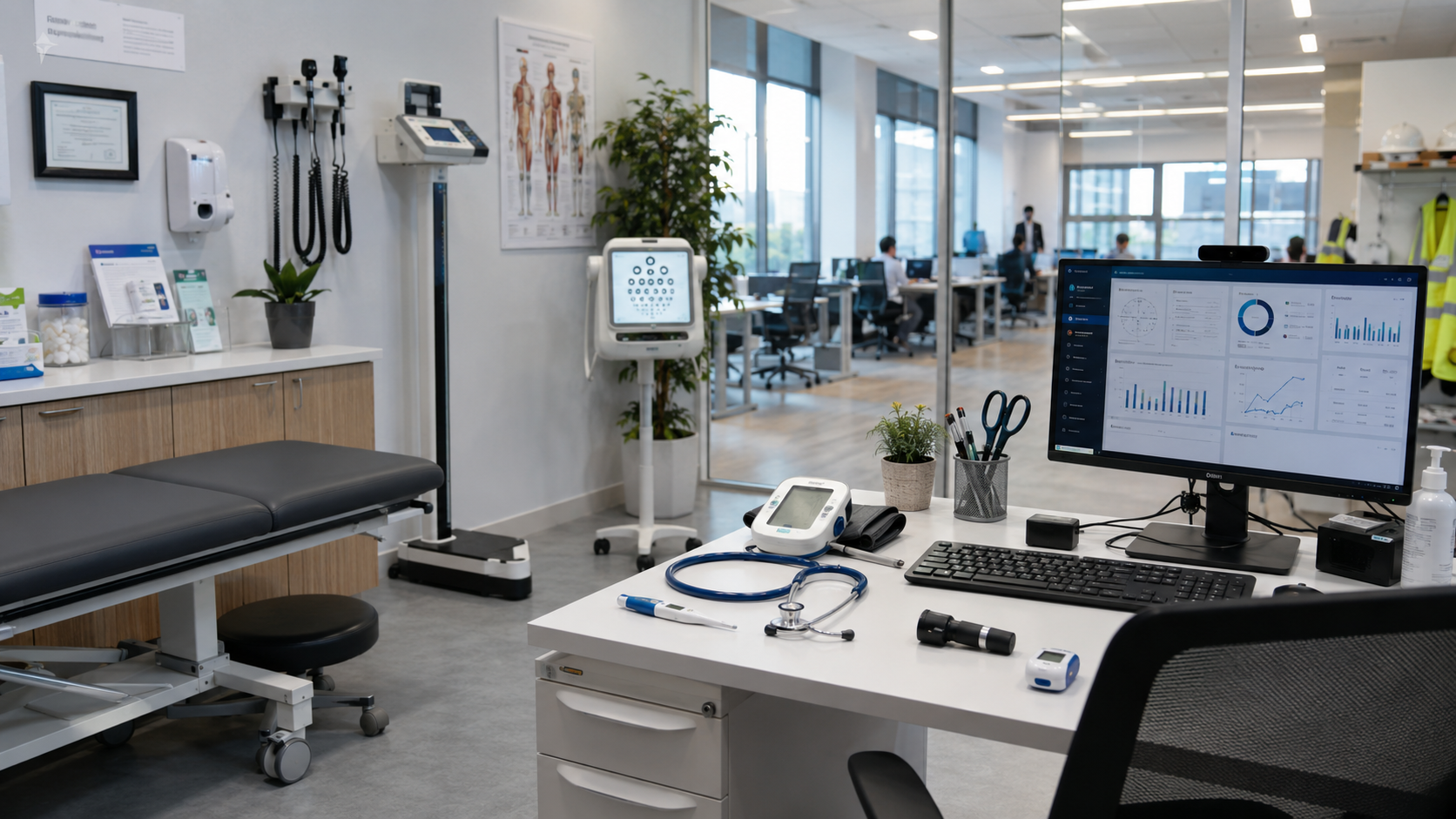
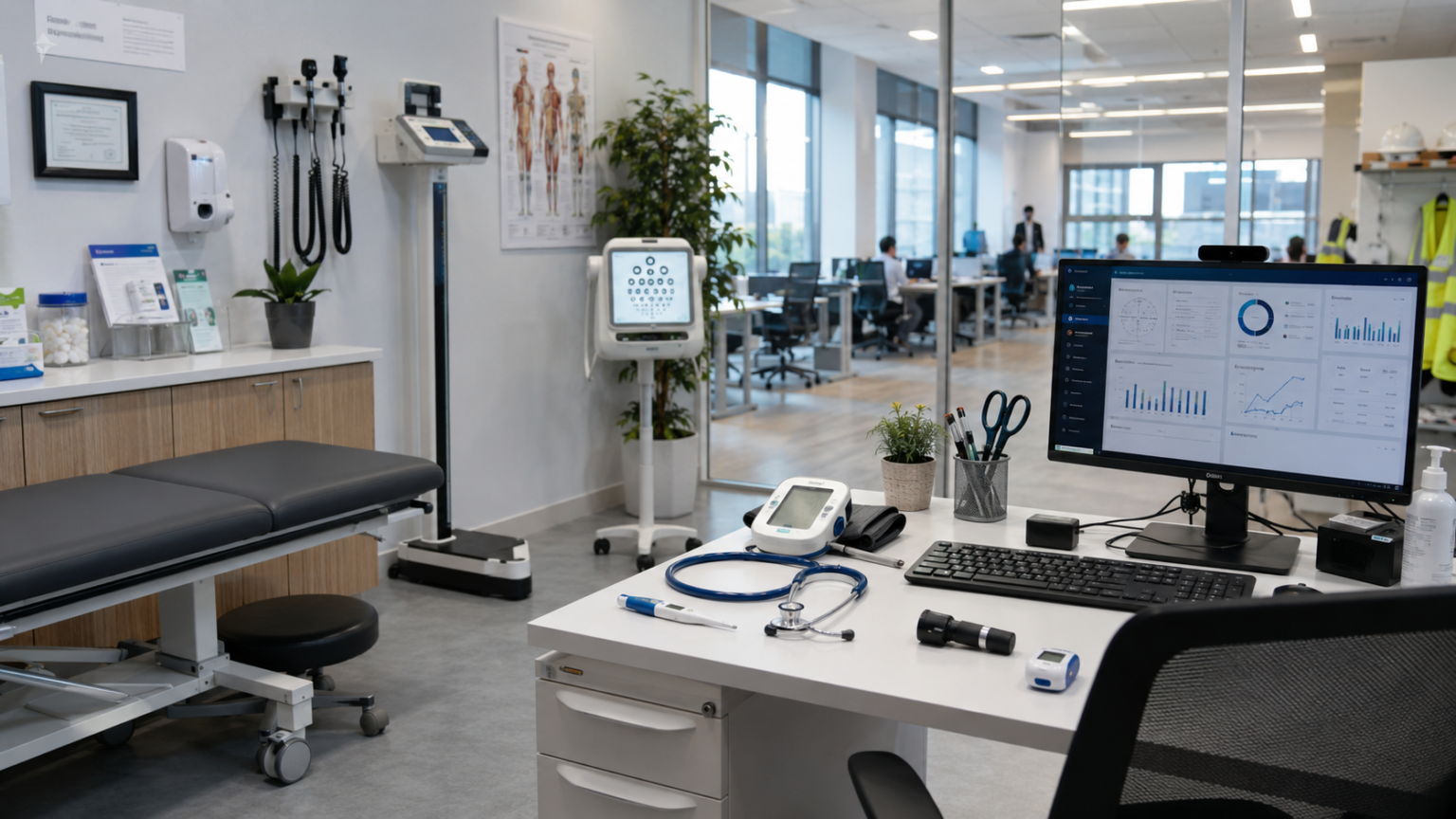
Modern businesses understand that employee wellbeing is directly connected to workplace productivity, safety, and long-term success. Companies operating in industries with physical demands, safety-sensitive roles, or regulatory requirements need reliable systems to ensure employees are medically prepared for their responsibilities. This is where professional occupational health services become essential.
Workforce Health Assessors help organizations manage workplace health requirements through professional medical assessments, fitness evaluations, and tailored health screening solutions. These services allow employers to better understand whether employees and candidates are suitable for specific job requirements while supporting safer workplace environments.
Workplace health is no longer limited to preventing injuries. Today, businesses focus on proactive strategies that identify potential risks, support employee wellbeing, and improve overall workforce performance. A comprehensive occupational health approach helps companies create safer conditions while also protecting employees.
Furthermore, professional health assessments provide valuable information for employers making recruitment and workforce management decisions. Instead of relying only on general medical information, companies can evaluate whether an individual can safely perform the essential requirements of a specific role.
As workplaces continue to evolve, health assessment services have become an important part of responsible business operations. They support compliance, reduce workplace risks, and contribute to healthier teams.
Workplace health assessments are designed to evaluate an employee’s ability to safely perform job-related duties. These assessments consider the physical, medical, and functional requirements associated with different positions.
Every role has unique demands. A construction worker, driver, healthcare professional, or office employee may require different health considerations depending on their daily responsibilities.
A professional assessment process helps identify whether a person’s health condition aligns with workplace requirements. It also allows employers to consider reasonable adjustments when necessary.
Additionally, workplace assessments can support existing employees, not only new candidates. Regular health monitoring helps organizations identify potential issues early and develop better workplace wellness strategies.
Professional providers such as Workforce Health Assessors offer customized assessment solutions based on job requirements, helping businesses evaluate workforce health needs more effectively.
Companies across different industries face increasing responsibility for employee safety and workplace compliance. Professional health assessment services provide several advantages that support both employers and employees.
Supporting Safer Recruitment Decisions
Hiring the right person for a role involves more than reviewing experience and qualifications. Employers must also consider whether candidates can safely complete the physical and functional requirements of the position.
Health assessments provide additional information that supports informed recruitment decisions.
For example, roles involving heavy machinery, transportation, hazardous environments, or physical activity may require specific medical evaluations before employment begins.
Reducing Workplace Risks
Workplace injuries and health-related incidents can affect employees, businesses, and overall productivity.
By identifying potential health concerns early, organizations can implement appropriate workplace adjustments and safety measures.
Therefore, occupational health assessments become a proactive approach rather than simply a response after problems occur.
Improving Employee Wellbeing
A healthy workforce contributes to stronger business performance. Health assessments can identify areas where employees may benefit from additional support.
This approach encourages organizations to focus on prevention, wellness, and long-term employee care.
Occupational health providers offer a wide range of services designed to meet different workplace requirements.
Pre-Employment Medical Assessments
Pre-employment medicals help employers understand whether candidates are medically suitable for specific job responsibilities.
These assessments may include:
- Medical history reviews
- Physical capability evaluations
- Functional assessments
- Vision screening
- Hearing assessments
- Respiratory testing
A customized approach ensures that assessments match the actual requirements of the position.
Workplace Medical Assessments
Existing employees may also require ongoing health evaluations depending on their role and workplace environment.
Regular assessments can help monitor employee wellbeing and identify changes that may affect workplace safety.
Drug and Alcohol Testing
Safety-sensitive industries often require drug and alcohol screening as part of workplace safety programs.
Professional testing helps businesses maintain safer environments while following appropriate workplace policies.
Audiometry Testing
Hearing assessments are important for employees exposed to workplace noise.
Industries such as construction, manufacturing, and mining may require regular hearing monitoring to protect employees from long-term hearing damage.
Spirometry and Respiratory Assessments
Some workplaces involve exposure to dust, chemicals, or airborne substances.
Respiratory testing helps monitor lung function and identify possible health concerns related to workplace exposure.
Businesses require health solutions that are efficient, accurate, and adaptable. Workforce Health Assessors provide services designed around different workplace environments and industry requirements.
A major advantage of professional occupational health providers is flexibility. Businesses may require assessments at clinics, online platforms, or onsite locations depending on their workforce size and operational needs.
For example, onsite health services can reduce employee downtime by bringing assessment services directly to workplaces. This approach is especially useful for companies managing large teams or remote operations.
Furthermore, digital platforms improve administration by allowing businesses to manage appointments, track assessment progress, and access reports more efficiently.
This combination of professional expertise and technology helps organizations create smoother workplace health processes.
Better Workplace Safety Culture
A strong health program demonstrates that an organization values employee safety.
When employees see that their health is considered important, it can improve trust and workplace engagement.
Improved Compliance Management
Many industries operate under strict safety requirements. Health monitoring programs help businesses maintain appropriate workplace standards.
Professional providers understand industry-specific requirements and help organizations manage necessary assessments.
Reduced Workplace Disruptions
Health problems and workplace incidents can interrupt operations.
Preventive assessments allow businesses to identify potential risks earlier and take appropriate action.
Improved Workforce Productivity
Healthy employees are more likely to remain engaged and productive.
By supporting employee wellbeing, businesses can create stronger and more sustainable teams.
Different industries have different workplace health requirements.
Construction and Manufacturing
Physical demands, machinery operation, and workplace hazards make health assessments especially valuable in these sectors.
Transport and Logistics
Drivers and transport workers often require fitness evaluations to ensure they can safely perform their responsibilities.
Mining and Resource Industries
Mining environments may involve exposure to noise, dust, chemicals, and physically demanding conditions.
Health monitoring helps protect workers in these challenging environments.
Healthcare
Healthcare professionals may require assessments related to physical capability, infection control, and workplace responsibilities.
Corporate Workplaces
Even office-based organizations benefit from employee wellness programs, health checks, and preventive initiatives.
Every workplace is different. A standard approach may not always provide accurate results because job requirements vary significantly.
A tailored assessment considers:
- Workplace risks
- Physical requirements
- Environmental conditions
- Employee responsibilities
- Industry regulations
This ensures that health evaluations provide meaningful information relevant to the actual role.
Additionally, customized assessments prevent unnecessary testing while focusing on areas that matter most for workplace safety.
Selecting the right provider is an important decision for businesses.
Organizations should consider several factors before choosing an occupational health partner.
Experience and Expertise
A provider with industry experience understands different workplace challenges and assessment requirements.
Range of Services
A comprehensive provider should offer various solutions, including medical assessments, testing services, and workplace health programs.
Technology and Reporting
Efficient systems make it easier for businesses to manage appointments, receive reports, and maintain records.
Professional Healthcare Team
Qualified assessors ensure that evaluations are accurate, consistent, and reliable.
Flexible Service Options
Businesses benefit from providers offering clinic-based, onsite, and digital assessment options.
Treating Health Assessments as a One-Time Requirement
Workplace health should be an ongoing priority rather than a single recruitment step.
Using Generic Assessment Programs
Different roles require different evaluation criteria. Generic assessments may not identify important risks.
Ignoring Employee Privacy
Health information must be handled professionally and confidentially.
Delaying Health Monitoring
Waiting until problems occur can increase workplace risks and operational challenges.
What are workplace health assessments?
Workplace health assessments evaluate whether employees can safely perform the requirements of their roles while supporting workplace safety.
Why do companies use occupational health services?
Companies use these services to improve safety, support compliance, reduce risks, and make informed workforce decisions.
What types of tests may be included in health assessments?
Assessments may include medical history reviews, physical evaluations, hearing tests, respiratory testing, and other role-specific checks.
Are workplace health assessments only for new employees?
No. Existing employees may also require ongoing monitoring depending on their workplace environment and responsibilities.
How do businesses choose the right health assessment provider?
Businesses should consider experience, service range, technology, qualified professionals, and the ability to provide tailored solutions.
Workplace health plays a critical role in creating safer, healthier, and more productive organizations. Professional health assessments help businesses understand workforce capabilities, identify potential risks, and support employee wellbeing through structured evaluation processes. By partnering with experienced occupational health providers, companies can develop stronger safety programs while improving long-term workforce performance. A proactive approach to employee health benefits both organizations and the people who help them succeed.

Written by Twastia Editorial Team
Twastia Editorial Team shares practical insights about website design, SEO services, Google Ads, content marketing, social media, conversion rate optimization, and digital marketing strategy.
Last updated: Aug 22, 2026
Related posts from Twastia
Explore more useful articles from twastia.com about digital marketing, SEO, websites, ads, content, and growth strategy.