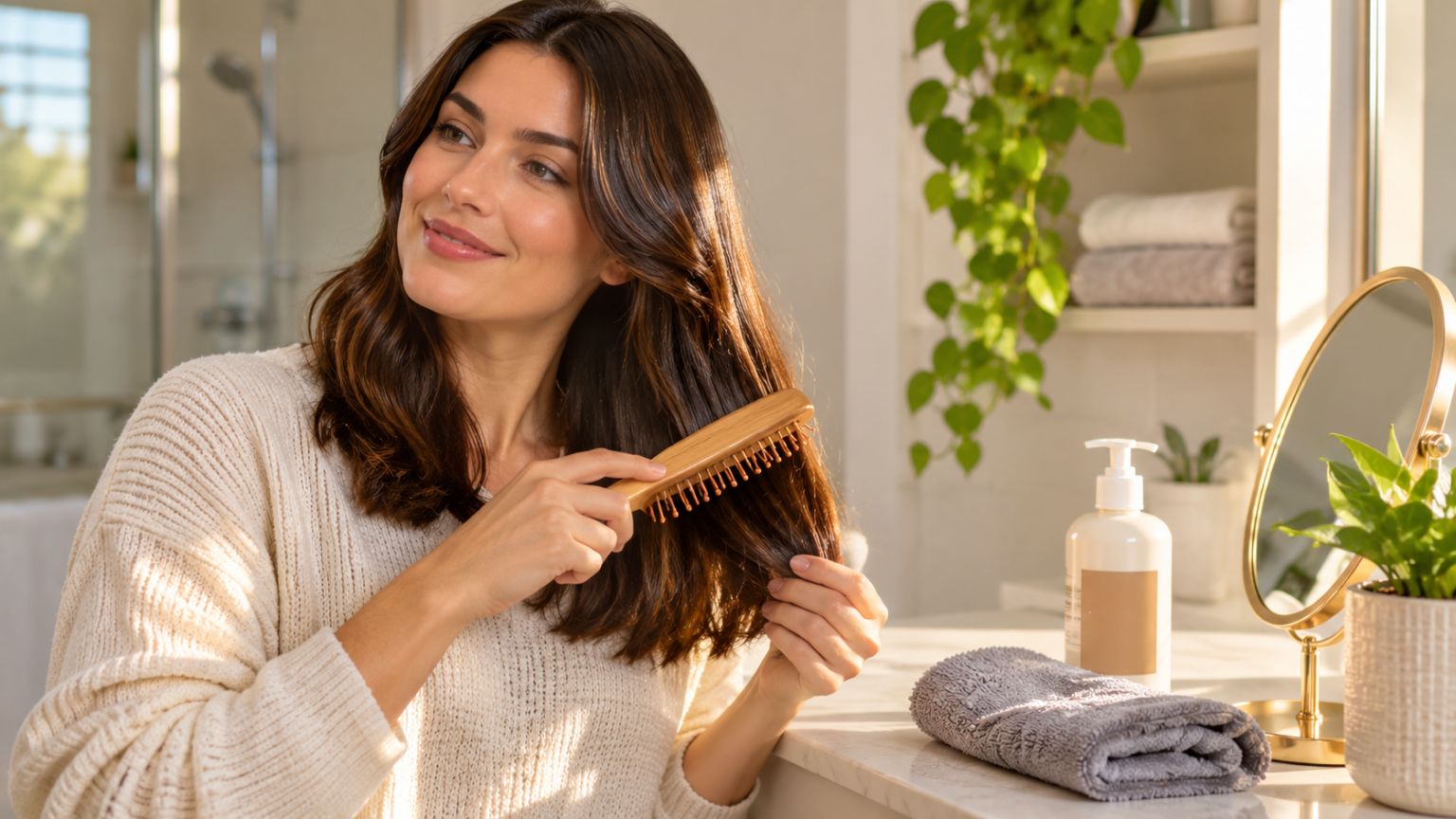
Say Bye to Hair Issues With These Tips: Best Hair Care Advice
Hair concerns are common, but they do not all have the same cause. Frizz may come from dryness or humidity, […]
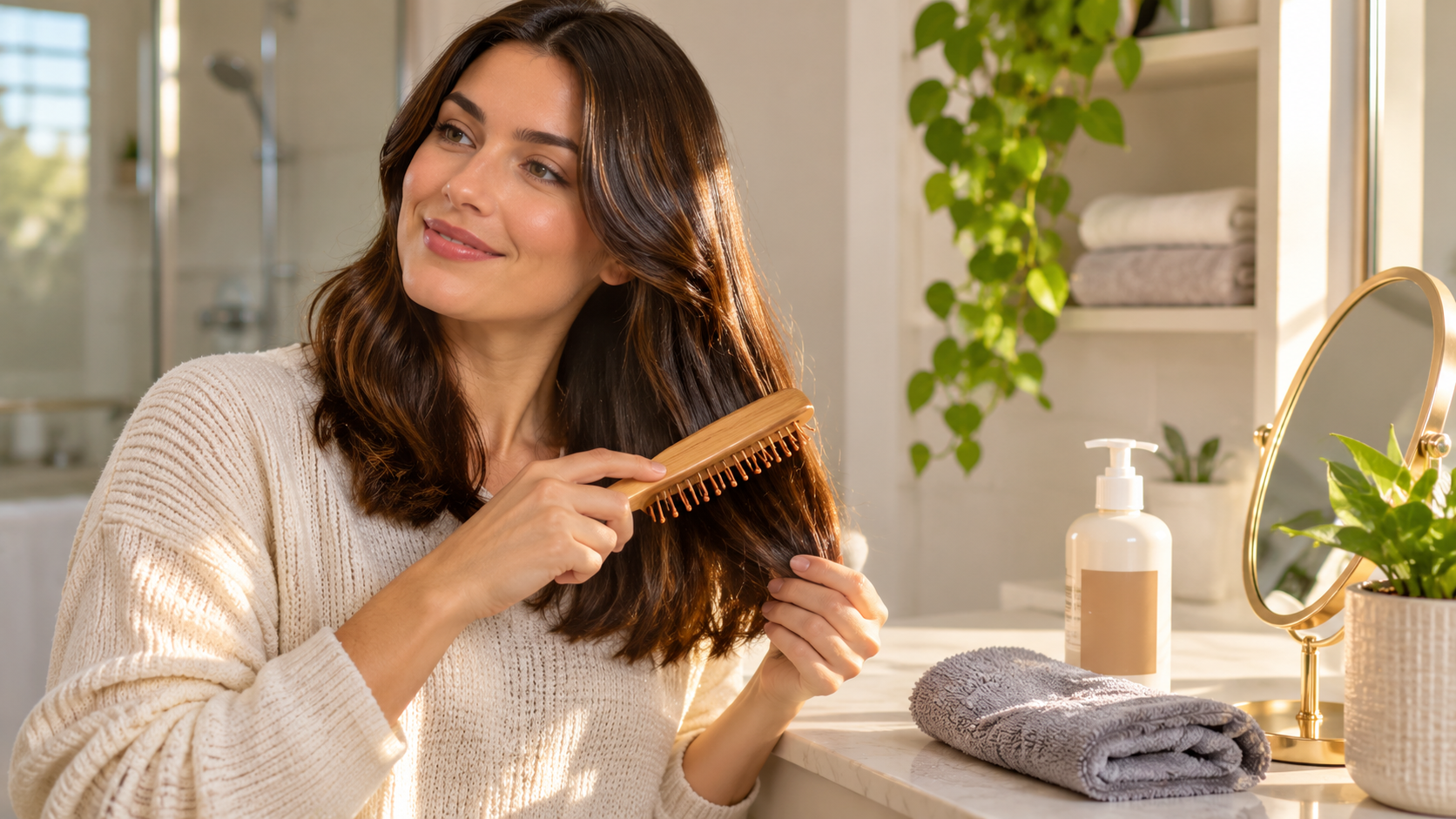
Hair concerns are common, but they do not all have the same cause. Frizz may come from dryness or humidity, breakage can result from rough handling, and scalp flakes may reflect dandruff or another skin condition. Meanwhile, thinning hair is not necessarily something that a new conditioner can solve.
Say Bye to Hair Issues With These Tips is a practical starting point for understanding the difference. Instead of chasing a product that promises instant transformation, focus on gentle everyday habits and learn when a concern deserves medical attention. Hair texture, styling preferences, age, and scalp conditions all influence what works.
The American Academy of Dermatology (AAD) recommends choosing products suited to your hair type, cleansing the scalp appropriately, conditioning after washing, and limiting heat damage. American Academy of Dermatology The advice below explains how to make those principles work in ordinary life without expecting a single routine to solve every medical cause of hair loss.
1. Understand the Problem Before Choosing a Product
Before buying another treatment, take a few minutes to describe what is happening. Hair that snaps partway along the strand is experiencing breakage; hair that comes out from the root may be shedding. A flaky, itchy scalp is different from dry-looking ends, even though the problems can occur together.
An essential part of Say Bye to Hair Issues With These Tips is not treating those symptoms as interchangeable. A damaged strand can sometimes look smoother with conditioner, but a receding hairline, patchy loss, or persistent scalp inflammation may need evaluation by a dermatologist.
Watch for Patterns Instead of Isolated Hairs
Finding hair on a brush does not automatically mean something is wrong. The AAD says shedding roughly 50 to 100 hairs a day can be normal. Sudden heavy shedding after illness, childbirth, or severe stress may have a different explanation from gradual hereditary thinning. American Academy of Dermatology Rather than counting every hair anxiously, notice changes in density, scalp visibility, breakage, and symptoms over time.
Keep a Simple Record
If you are worried, photograph the same area in similar lighting every few weeks and note relevant symptoms or recent changes. This can help you describe the concern accurately to a clinician without relying on memory.
2. Wash According to Your Scalp and Hair Type
There is no universal rule that everybody should shampoo daily, twice a week, or on an exact schedule. Say Bye to Hair Issues With These Tips recommends adjusting your routine to real scalp needs. People with oily scalps and fine straight hair may need frequent cleansing. Those with dry, thick, textured, or tightly curled hair often benefit from less frequent washing, adjusted to buildup and scalp comfort.
The cleansing approach in Say Bye to Hair Issues With These Tips begins at the scalp. Gently massage shampoo into the scalp to remove oil, dead skin, sweat, and accumulated styling products. As you rinse, the lather can move through the lengths without aggressive scrubbing. Shampooing every strand vigorously may leave already dry ends feeling rough.
Avoid Overcorrecting an Oily Scalp
If hair becomes greasy quickly, do not assume that skipping washing for long periods will automatically retrain your scalp. Choose a product that cleans effectively without causing irritation, and adjust your schedule to what the scalp actually needs. If the skin is persistently red, painful, or unusually flaky, request professional advice rather than cycling through harsh cleansers.
Protect Color-Treated Hair
Colored or chemically processed hair can be more fragile. Choose a gentle compatible shampoo, follow processing instructions, and reconsider frequent chemical treatments if you notice breakage. The aim is a clean scalp and manageable lengths, not a squeaky-dry feeling after every wash.
3. Condition Regularly to Reduce Friction and Frizz
Conditioner cannot permanently repair a split strand, but it can make hair easier to detangle and style. Say Bye to Hair Issues With These Tips emphasizes the role of consistent conditioning. By reducing friction and improving manageability, it may help limit avoidable breakage. The amount and placement should depend on hair texture rather than a one-size-fits-all rule.
For Say Bye to Hair Issues With These Tips, use rinse-out conditioner after shampooing. People with fine or straight hair may prefer applying it mainly to the ends; curly or very dry hair may benefit from conditioning more of the length. Follow the product’s instructions and rinse appropriately.
Add a Leave-In Product When Needed
A light leave-in conditioner or detangling product can help hair that tangles easily. Start with a small amount on damp lengths, especially dry areas and ends. Applying heavy products to the scalp can contribute to buildup or irritation. If a cream makes fine hair limp, try a lighter formulation rather than abandoning conditioning altogether. American Academy of Dermatology
Be Realistic About Split Ends
A serum can temporarily improve the look of worn ends, but it cannot fuse a split strand back into healthy hair. Trimming visibly split ends can improve appearance and reduce snagging; prevention depends on gentler handling afterward.
4. Handle Wet Hair With Extra Care
Hair can be vulnerable to mechanical damage during washing, detangling, and drying. Say Bye to Hair Issues With These Tips starts with gentler handling. Harsh rubbing with a towel, forceful brushing, and tugging through knots may increase breakage. Small changes often matter more than adding an elaborate collection of styling products.
The handling principle behind Say Bye to Hair Issues With These Tips is to minimize unnecessary pulling. Gently squeeze out excess water, wrap hair in a soft towel or cotton T-shirt, and detangle in sections. Start near the ends and work upward rather than dragging a brush from the roots through a large knot.
Adjust Your Method to Texture
Straight hair can often be allowed to dry slightly before gentle combing. Very curly or tightly textured hair may be easier to detangle when damp and coated with conditioner. The AAD emphasizes that detangling guidance varies with hair type, so observe which method reduces pulling and breakage for you. American Academy of Dermatology
Choose Tools That Move Smoothly
A wide-tooth comb may be helpful, but even the right tool can damage hair if used forcefully. Replace brushes with broken bristles, remove knots patiently, and avoid pulling hair into painful styles.
5. Reduce Heat and Chemical Styling Damage
Blow-dryers, straighteners, curling irons, bleaching, and chemical relaxing can create attractive styles, but frequent or poorly controlled use may weaken the hair shaft. Say Bye to Hair Issues With These Tips calls for reducing preventable styling damage. Damage is especially noticeable when strands are already dry, color-treated, or prone to breaking.
One of the most practical ideas in Say Bye to Hair Issues With These Tips is using less heat whenever possible. Let hair partially air-dry, choose lower settings appropriate for the style, and minimize how long a hot tool touches one section. A heat-protectant product may help reduce some styling damage, but it does not make unlimited high heat harmless.
Give Hair Recovery Time Between Treatments
Avoid overlapping multiple chemical services without professional advice. If you color, straighten, or perm your hair, ask a qualified stylist about timing, compatibility, and aftercare. Stop a process if it causes significant burning or scalp irritation and seek medical advice for persistent symptoms.
Keep Tight Hairstyles Occasional
Repeated tension from tight braids, buns, ponytails, or extensions may contribute to traction alopecia, a potentially permanent form of hair loss. Choose styles that do not pull painfully on the scalp, vary their placement, and address signs of thinning around the hairline early. American Academy of Dermatology
6. Treat Dandruff Without Guessing at the Cause
Scalp flakes can be embarrassing, but they are not evidence of poor hygiene. Say Bye to Hair Issues With These Tips encourages treating symptoms without shame. Dandruff can involve oily skin and other factors, while similar symptoms may occur with eczema, psoriasis, or scalp infections. The treatment depends on the cause.
For people researching Say Bye to Hair Issues With These Tips, mild dandruff may respond to appropriate washing and an over-the-counter dandruff shampoo. The AAD lists ingredients used in dandruff products, including ketoconazole, selenium sulfide, salicylic acid, and certain other formulations. Product availability and labeling differ, so follow the directions on the specific bottle. American Academy of Dermatology
Use Treatment Shampoos Correctly
Some formulas need to remain on the scalp briefly before rinsing, while others have different frequency limits. Apply them as directed and avoid combining multiple treatments indiscriminately. A product designed for scalp care should not automatically be used as an all-over hair mask.
Know When Flaking Needs Medical Attention
Seek a dermatologist’s evaluation when dandruff persists despite suitable care, is severe, or comes with significant redness, sores, pain, or areas of hair loss. More intensive treatment may be needed, and an examination can identify look-alike conditions.
7. Support Hair Health With Balanced Everyday Habits
Hair growth depends on biological factors that cannot be controlled with a single food or supplement. Say Bye to Hair Issues With These Tips rejects one-product growth promises. However, nutritional deficiencies, certain illnesses, major weight changes, and medication effects can contribute to shedding or changes in hair quality. A balanced eating pattern supports general health, including the body’s ability to maintain hair.
The lifestyle lesson in Say Bye to Hair Issues With These Tips is to avoid extreme dieting and unsupported miracle claims. Eat enough food for your needs and include varied sources of protein, iron, and other essential nutrients. If you have dietary restrictions or suspect a deficiency, ask a healthcare professional whether testing is appropriate.
Be Cautious With Hair-Growth Supplements
Supplements are not risk-free. The AAD warns that taking excessive amounts of certain nutrients can worsen hair loss. American Academy of Dermatology Do not start high-dose vitamins merely because a social media advertisement claims they produce thicker hair. Discuss existing medications and supplements with a clinician if unusual shedding begins.
Put Stress in Perspective
Major physical or emotional stress can be associated with increased shedding several months later, but stress is not the cause of every hair problem. Avoid blaming yourself for changes in hair density. If shedding persists or is distressing, seek an assessment instead of assuming relaxation alone will reverse it.
8. Know When Home Care Is Not Enough
Many cosmetic problems respond to gentler routines, but persistent thinning, round bald patches, scalp pain, scaling with inflammation, or sudden substantial loss are reasons to consult a dermatologist. Say Bye to Hair Issues With These Tips also emphasizes professional diagnosis. A clinician may consider the pattern of loss, medical history, medications, scalp examination, and appropriate tests.
A crucial takeaway from Say Bye to Hair Issues With These Tips is that early evaluation can matter. Some conditions are treatable, while others require ongoing management. A shampoo advertised for growth cannot reliably diagnose hereditary hair loss, autoimmune conditions, or nutritional deficiencies. American Academy of Dermatology
Set Reasonable Expectations
Hair grows gradually. Cosmetic improvements in softness and manageability may appear sooner than changes in density, and some forms of loss will not respond to at-home care. Ask about evidence, potential side effects, and realistic timelines before starting any treatment.
A Simple Routine You Can Adapt
Start with a few steps rather than replacing every product at once. The following framework is intended for ordinary hair care; medical scalp conditions may require a different plan.
| When | Habit | Why it helps |
|---|---|---|
| Wash day | Shampoo the scalp gently | Removes buildup without excessive friction |
| After washing | Apply suitable conditioner | Improves manageability and detangling |
| Drying | Blot rather than rub | Reduces unnecessary mechanical damage |
| Styling | Limit high heat and tension | Helps prevent avoidable breakage |
| Weekly | Review scalp comfort and product buildup | Helps identify routines that need adjustment |
| As needed | Seek professional evaluation for unusual changes | Addresses possible medical causes |
The point of Say Bye to Hair Issues With These Tips is consistency, not perfection. Choose habits you can sustain and make one change at a time so you can tell whether it helps.
Frequently Asked Questions
How often should I wash my hair?
Wash according to oiliness, texture, styling products, and scalp condition. An oily scalp may need frequent cleansing, whereas dry or tightly curled hair may need a different schedule. Persistent discomfort deserves professional guidance.
Can conditioner stop hair loss?
Conditioner can reduce tangling and some breakage, but it cannot treat all causes of hair loss. Thinning from genetics, illness, or scalp conditions may require medical assessment and targeted care.
What is the best way to deal with frizz?
Try gentle cleansing, regular conditioning, careful detangling, and reduced heat styling. The best approach depends on whether frizz comes from dryness, damage, humidity, or natural texture.
Are dandruff shampoos safe to use regularly?
Many are intended for repeated use according to their labels, but formulas differ. Follow product instructions and seek a dermatologist’s advice if symptoms persist, worsen, or cause significant irritation.
Does brushing hair more often make it grow faster?
No reliable evidence supports the idea that 100 brush strokes a day improve growth. Excessive brushing can contribute to breakage. Brush or comb gently only as needed for styling and detangling.
When should I see a doctor about shedding?
Seek advice for sudden or significant shedding, visible thinning, patches, painful or inflamed scalp, or changes that worry you. Medical guidance can help determine whether the issue is temporary or requires treatment.
Conclusion
Better-looking hair usually begins with a routine that respects your natural texture and scalp needs. Wash according to oiliness, condition the lengths, detangle gently, reduce heat and tight hairstyles, and treat persistent dandruff appropriately. Just as important, recognize when a problem cannot be solved by another bottle from the beauty aisle.
Say Bye to Hair Issues With These Tips is not a promise of overnight regrowth or flawless hair. It is a practical approach to reducing avoidable damage, improving daily manageability, and seeking expert care when symptoms suggest an underlying condition. Small, sustainable habits often make more sense than dramatic fixes.

Written by Twastia Editorial Team
Twastia Editorial Team shares practical insights about website design, SEO services, Google Ads, content marketing, social media, conversion rate optimization, and digital marketing strategy.
Last updated: Nov 6, 2026
Related posts from Twastia
Explore more useful articles from twastia.com about digital marketing, SEO, websites, ads, content, and growth strategy.