Sydney Conveyancing Company: A Complete Guide for U.S. Buyers and Property Investors
Buying property in another country can be exciting, but it also introduces legal, financial, and procedural differences that can quickly […]
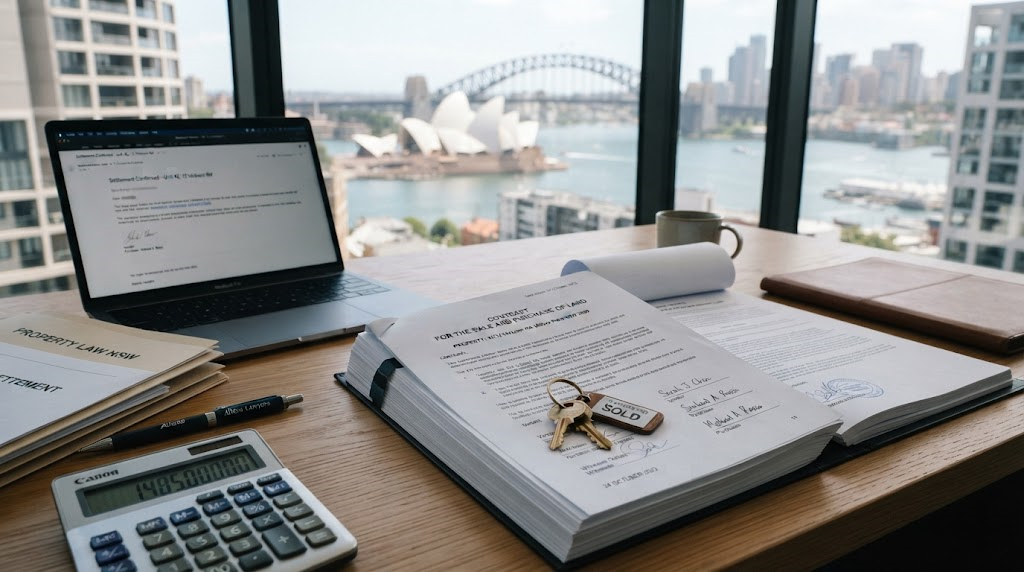
Buying property in another country can be exciting, but it also introduces legal, financial, and procedural differences that can quickly become confusing.
For American buyers considering residential or investment property in Sydney, the Australian property transaction process may feel unfamiliar. Terms such as conveyancing, settlement, contract review, searches, cooling-off periods, and title transfer are handled differently from many transactions in the United States.
This is where a Sydney conveyancing company can become an important part of the transaction.
A conveyancer helps manage the legal and administrative process involved in transferring property ownership from one party to another. Their role may include reviewing contracts, conducting property searches, communicating with lenders and agents, preparing settlement documents, and ensuring that legal requirements are completed correctly.
For overseas buyers, this guidance can be especially valuable because Australian property law and purchasing rules differ from those in the U.S.
This guide explains what conveyancers do, when you need one, how the Sydney property settlement process works, and what international buyers should understand before committing to a purchase.
What Is Conveyancing?

Conveyancing is the legal process of transferring ownership of real estate.
It begins before a buyer signs the final contract and continues until settlement is completed and ownership is legally transferred.
In Australia, conveyancing may be handled by:
- Licensed conveyancers
- Solicitors
- Property lawyers
The exact professional you choose depends on the complexity of the transaction and the legal services required.
A straightforward residential purchase may often be handled by a licensed conveyancer, while a complex legal dispute or unusual ownership structure may require a solicitor.
What Does a Sydney Conveyancing Company Do?

A professional conveyancing company can assist buyers and sellers throughout the transaction.
Reviewing the Contract of Sale
One of the most important early steps is reviewing the contract before signing.
The conveyancer may examine issues such as:
- Property title
- Special conditions
- Settlement period
- Deposits
- Included fixtures
- Easements
- Restrictions
- Zoning information
- Strata information where relevant
The goal is to identify legal obligations and potential risks before the buyer becomes fully committed.
Conducting Property Searches
Property searches help uncover information that may not be obvious during an inspection.
Depending on the transaction, searches may reveal:
- Ownership details
- Registered interests
- Easements
- Planning restrictions
- Outstanding rates
- Strata matters
- Government notices
These checks are important because buying a property means acquiring both its benefits and certain legal obligations attached to it.
Managing Settlement
Settlement is the stage when ownership is formally transferred.
Your conveyancer coordinates with other parties, including:
- Seller’s representative
- Mortgage lender
- Real estate agent
- Government authorities
They help ensure required funds and documents are ready for completion.
Why U.S. Buyers Need to Understand the Australian Process
American buyers should not assume the Sydney property process works like a U.S. closing.
The terminology, legal structure, and transaction timeline can differ substantially.
In the United States, buyers may be familiar with:
- Escrow companies
- Title insurance
- Closing attorneys
- Home inspections
- Closing disclosures
Australia uses a different combination of professionals and legal procedures.
A conveyancer serves as one of the key professionals managing the legal transfer process.
Understanding this difference can prevent costly assumptions.
Buying Property in Sydney as a Foreign Buyer
Foreign buyers may face additional rules when purchasing Australian real estate.
Depending on residency status, property type, and current regulations, overseas purchasers may need government approval or may face limitations on the types of property they can acquire.
These rules can change.
International buyers should confirm current requirements before committing to a purchase.
Professional advice may be needed from:
- Conveyancers
- Solicitors
- Tax professionals
- Mortgage advisers
- Immigration or investment specialists where appropriate
Do not rely solely on a real estate agent for legal or tax guidance.
Contract Review Should Happen Early
A common mistake is waiting until after agreeing to purchase a property before obtaining legal advice.
Ideally, the contract should be reviewed before signing.
Why?
Because the contract may contain special terms that affect:
- Deposits
- Deadlines
- Penalties
- Settlement conditions
- Property inclusions
- Buyer rights
Once a contract becomes legally binding, changing the terms may be difficult.
Early review gives the buyer an opportunity to understand the agreement before accepting the risk.
Understanding the Cooling-Off Period
Some residential property transactions in New South Wales may include a cooling-off period.
This generally allows a buyer to withdraw from the contract within a limited period, although financial penalties or exceptions may apply.
Certain transactions, including some auction purchases, may operate differently.
Do not assume that every purchase automatically provides a cooling-off period.
Your conveyancer can explain whether one applies to your specific contract.
Buying at Auction
Sydney has a strong property auction culture.
For American buyers, this is an important difference.
When purchasing at auction, the process can move quickly.
If your bid wins, you may become immediately committed to the transaction under the auction conditions.
This means important work should be completed before bidding.
Before the Auction
Consider arranging:
- Contract review
- Property inspection
- Building inspection
- Pest inspection
- Financing approval
- Legal advice
Waiting until after winning the auction may be too late to investigate major concerns.
Building and Pest Inspections
A conveyancer reviews legal documents, but they do not replace a building inspector.
A professional building inspection can identify physical problems such as:
- Structural damage
- Water intrusion
- Roof problems
- Cracking
- Moisture
- Maintenance issues
Pest inspections may identify termite activity or other timber-related problems.
Buyers should treat legal and physical due diligence as separate but equally important tasks.
Understanding Property Title
The title identifies legal ownership and certain interests affecting the property.
A conveyancer reviews title information to identify issues such as:
- Easements
- Restrictions
- Mortgages
- Covenants
- Rights of way
These conditions can affect how you use the property.
For example, an easement may allow utility infrastructure or access across part of the land.
You should understand these restrictions before buying.
Strata Property in Sydney
Apartments and many townhouses in Sydney are commonly sold under strata arrangements.
Strata ownership typically means you own your individual lot while sharing ownership and responsibility for common property.
Common areas may include:
- Elevators
- Hallways
- Roofs
- Gardens
- Swimming pools
- Parking structures
Strata ownership can involve regular fees and special levies.
What Buyers Should Review
Important strata information may include:
- Financial records
- Meeting minutes
- Insurance
- Maintenance plans
- Special levies
- Building defects
- Disputes
A low purchase price may be less attractive if the building is facing large future repair costs.
What Is Property Settlement?
Settlement is the formal completion of the transaction.
At settlement:
- Purchase funds are transferred
- Existing mortgages may be discharged
- Ownership changes
- Legal documents are finalized
Modern Australian property settlements are often completed electronically.
Your conveyancer coordinates this process and confirms when settlement has been completed.
After settlement, the buyer can usually take possession according to the contract.
How Long Does Conveyancing Take?
There is no universal timeline.
The length of a Sydney property transaction depends on:
- Contract terms
- Financing
- Property type
- Search results
- Buyer and seller readiness
- Settlement period
- Legal issues
A transaction may take several weeks from contract exchange to settlement, but the exact timeline can vary.
International buyers should allow additional time for banking, documentation, identity verification, and cross-border transfers.
Conveyancer vs. Solicitor
Both can play important roles in property transactions.
Licensed Conveyancer
A conveyancer specializes primarily in property transfer matters.
For straightforward residential transactions, this can be an efficient option.
Solicitor
A solicitor has broader legal training and can assist with complex legal matters beyond ordinary conveyancing.
You may consider a solicitor when the transaction involves:
- Legal disputes
- Complex trusts
- Unusual contract conditions
- Business structures
- Litigation risks
The right choice depends on the complexity of the deal.
How Much Does Conveyancing Cost?
Fees vary between providers and transactions.
Some firms charge fixed fees, while others charge based on the complexity of the work.
Costs may include:
- Professional fee
- Search fees
- Government charges
- Disbursements
- Additional legal work
Always ask for a written quote.
The cheapest quote is not automatically the best option.
Property transactions involve significant amounts of money, so communication quality and accuracy matter.
Fixed-Fee vs. Hourly Conveyancing
Some Sydney conveyancing providers advertise fixed fees.
This can make budgeting easier.
However, read what is included.
A fixed fee may exclude:
- Additional contract reviews
- Complex negotiations
- Urgent work
- Extra searches
- Contract amendments
Ask what circumstances could increase the final bill.
Questions to Ask a Sydney Conveyancing Company
Before hiring a provider, ask:
- Are you licensed to provide conveyancing services in New South Wales?
- Do you regularly work with overseas buyers?
- What is included in your fee?
- Are searches included?
- Who will manage my file?
- How will you communicate with me?
- Can documents be handled electronically?
- What happens if a legal issue appears?
- Do you review contracts before signing?
- Are there additional fees for urgent matters?
Clear answers can help you evaluate professionalism before committing.
Why Communication Matters
Property transactions involve deadlines.
A slow response can create unnecessary stress or, in some cases, financial consequences.
International buyers have additional communication challenges because of time zones.
Look for a conveyancer who provides:
- Clear email communication
- Written explanations
- Regular updates
- Prompt responses
- Electronic document handling
A technically competent professional who communicates poorly can still create a frustrating transaction.
Electronic Conveyancing
Australian property transactions increasingly use digital settlement systems.
Electronic conveyancing can allow parties to complete financial settlement and legal transfer without physically attending a closing meeting.
For overseas buyers, this can make the process significantly easier.
However, identity verification and document requirements still apply.
Your conveyancer should explain exactly what is required from you.
Financing a Sydney Property
International buyers may face different financing conditions from Australian residents.
Lenders may require:
- Larger deposits
- Additional income documentation
- Foreign tax records
- Proof of assets
- Identity verification
Mortgage approval should be investigated early.
Do not sign an unconditional contract assuming financing will automatically be available.
If financing is required, understand exactly how the contract addresses finance approval.
Currency Risk for American Buyers
A U.S. buyer purchasing Australian property is exposed to currency fluctuations.
If the Australian dollar strengthens against the U.S. dollar before settlement, the property may effectively become more expensive in USD terms.
For large purchases, even small currency movements can create significant differences.
International buyers may want professional guidance regarding foreign exchange arrangements.
Your conveyancer handles the legal transfer but may not provide currency advice.
Taxes and Government Charges
Purchasing Australian property may involve taxes and government charges.
Potential costs can include:
- Transfer duty
- Foreign purchaser surcharges
- Land-related taxes
- Registration fees
Tax treatment depends on the buyer, property, and current laws.
Foreign investors should obtain independent tax advice.
Do not use general internet estimates as a substitute for professional calculations.
Common Mistakes Overseas Buyers Make
Signing Before Legal Review
This can expose the buyer to conditions they did not understand.
Assuming U.S. Rules Apply
Australian property law operates differently.
Ignoring Strata Documents
Apartment buyers should investigate the building, not just the individual unit.
Underestimating Taxes
Foreign purchaser charges can materially affect total cost.
Delaying Finance Approval
Financing problems late in the transaction can become serious.
Forgetting Currency Exposure
Exchange rates can change your actual purchase cost.
How Conveyancing Helps Sellers
Conveyancing is not only for buyers.
Sellers also need professional assistance.
A seller’s conveyancer may:
- Prepare the contract
- Gather required property information
- Respond to buyer questions
- Negotiate contract amendments
- Coordinate mortgage discharge
- Complete settlement
Preparing documents correctly can help reduce delays once a buyer is found.
Choosing the Right Conveyancing Provider
Do not judge solely on price.
Consider:
- Experience
- Licensing
- Local knowledge
- Responsiveness
- International buyer experience
- Transparent fees
- Digital capabilities
A good conveyancer should explain risks rather than simply process paperwork.
If a contract contains something unusual, you want a professional who will identify it and explain what it means.
Frequently Asked Questions
What does a Sydney conveyancing company do?
A Sydney conveyancing company assists with the legal transfer of property ownership, including contract review, searches, settlement preparation, communication with other parties, and title transfer.
Do I need a conveyancer to buy property in Sydney?
While requirements depend on the transaction, most buyers use a licensed conveyancer or solicitor because of the legal and financial complexity involved.
Can Americans buy property in Sydney?
Foreign buyers may be able to purchase Australian property, but government approval and restrictions may apply depending on residency status and property type. Current rules should be verified before purchasing.
Should I contact a conveyancer before signing a contract?
Yes. Having the contract reviewed before signing can help identify unfavorable conditions or legal issues.
What is the difference between a conveyancer and a real estate agent?
An estate agent markets and negotiates property sales. A conveyancer manages the legal transfer process.
Can a Sydney conveyancer work with overseas clients?
Many conveyancing firms work remotely using email, electronic signatures, and digital settlement systems. Ask about their international client experience.
How much does conveyancing in Sydney cost?
Fees vary depending on provider, property type, searches, and transaction complexity. Request a written quote showing professional fees and additional costs.
Do I need a building inspection if I have a conveyancer?
Yes. Conveyancers review legal matters, while building inspectors assess the physical condition of the property.
What happens on settlement day?
Funds and legal documents are finalized, ownership is transferred, and the transaction is formally completed.
How long does settlement usually take?
Settlement timing is determined by the contract and circumstances of the transaction. Several weeks is common, but actual timelines vary.
Conclusion
Purchasing property in Sydney from the United States requires more than finding the right home or investment.
You also need to understand the legal process that transfers ownership correctly.
A qualified Sydney conveyancing company can help review the contract, investigate title information, coordinate searches, communicate with other parties, and manage settlement.
For American buyers, professional guidance is especially valuable because Australian property transactions differ substantially from the U.S. system.
Do not assume familiar closing procedures, foreign buyer rules, financing standards, or taxes will apply in the same way.
Before signing a contract, investigate your financing, foreign purchaser obligations, property condition, title, strata information where relevant, and total transaction costs.
Most importantly, involve your conveyancer early.
Legal review is most valuable before you become committed to a contract, not after a problem appears.
A good conveyancing professional does more than move documents from one party to another. They help you understand what you are agreeing to, identify risks that deserve attention, and make the path from accepted offer to legal ownership considerably clearer.

Written by Twastia Editorial Team
Twastia Editorial Team shares practical insights about website design, SEO services, Google Ads, content marketing, social media, conversion rate optimization, and digital marketing strategy.
Last updated: Oct 8, 2026
Related posts from Twastia
Explore more useful articles from twastia.com about digital marketing, SEO, websites, ads, content, and growth strategy.