Utilizing fluted wall panels to design an energizing red restaurant: Best Interior Ideas
Restaurant interiors influence how guests feel long before the food arrives. The color palette, lighting, materials, and layout all shape […]
Restaurant interiors influence how guests feel long before the food arrives. The color palette, lighting, materials, and layout all shape the mood of the dining experience. Some spaces aim to feel calm and intimate, while others are designed to feel lively, energetic, and visually memorable. For restaurants that want strong identity and high visual impact, red can be a powerful direction when used with discipline.
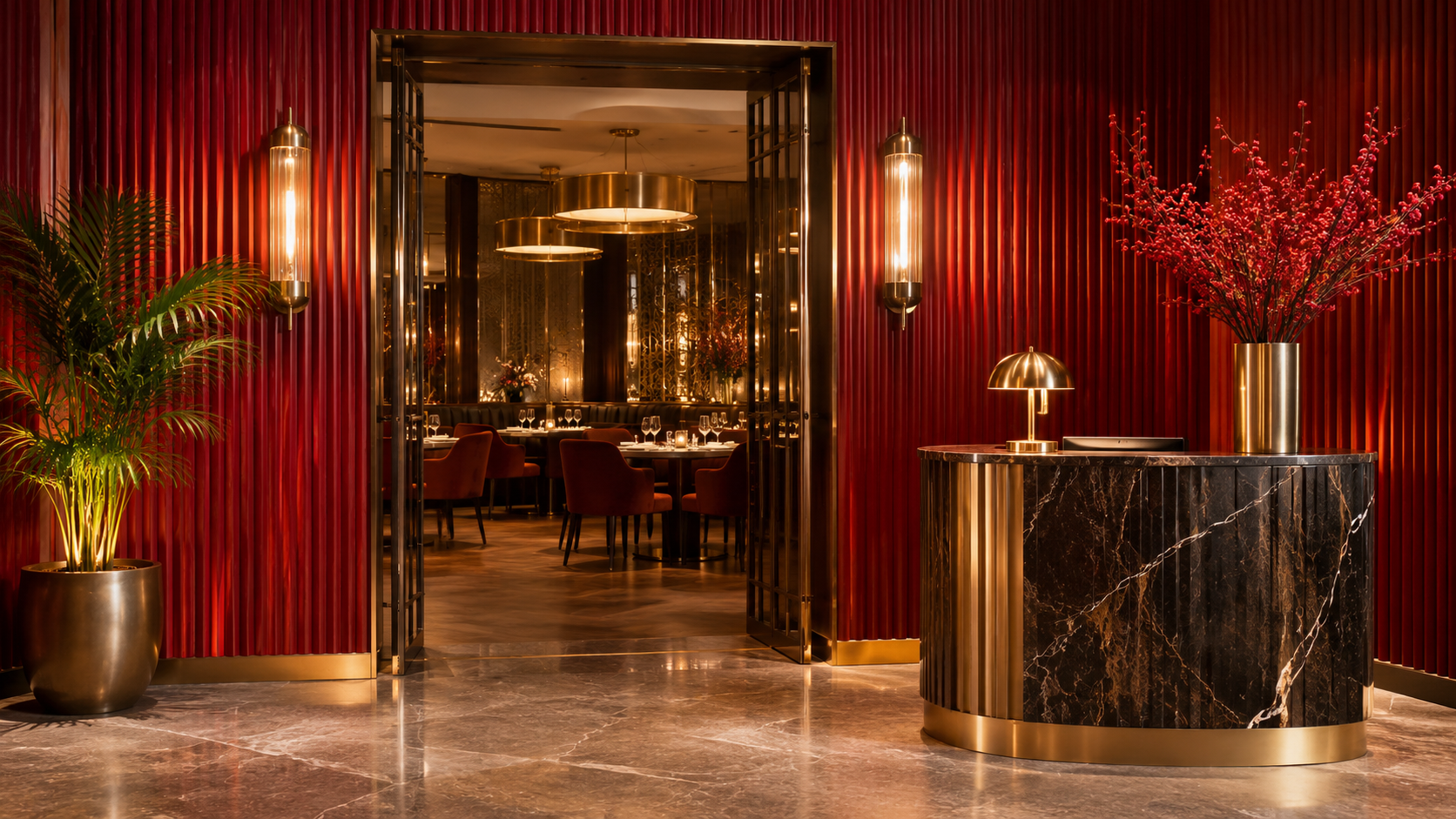
Utilizing fluted wall panels to design an energizing red restaurant offers a practical way to combine texture, movement, and color in one design strategy. Fluted wall panels bring depth and rhythm to surfaces, while red can add warmth, appetite appeal, and energy. Used together, they can help create a restaurant that feels bold without looking flat or overwhelming.
The appeal of Utilizing fluted wall panels to design an energizing red restaurant is not only aesthetic. Fluted surfaces can help define feature walls, support acoustic comfort depending on material selection, and add a refined architectural quality that elevates the entire concept. The key is balancing strong visual expression with comfort, maintenance, and brand identity.
Creating Energy Through Color Psychology
Red is one of the most emotionally active colors in interior design. It can suggest passion, warmth, movement, excitement, and confidence. In hospitality settings, red is often associated with stimulation and social energy, which makes it especially attractive for restaurants, lounges, and casual dining concepts.
When considering Utilizing fluted wall panels to design an energizing red restaurant, it is important to remember that not every red creates the same effect. Bright scarlet can feel vibrant and youthful, deep burgundy can feel luxurious and dramatic, and earthy brick red can feel grounded and contemporary. The chosen shade should support the restaurant’s brand, menu style, and target audience.
A successful approach to Utilizing fluted wall panels to design an energizing red restaurant often involves layering several shades instead of painting every surface the same tone. This helps the space feel designed rather than saturated. Deep red fluted panels, muted red upholstery, and warmer terracotta accents can work together to create richness and variation.
Avoiding Visual Overload
Because red is visually powerful, it should be used with care. Too much intense red on flat surfaces may make the room feel aggressive or tiring. Texture helps solve that problem. Fluted wall panels soften the visual heaviness of bold color by introducing shadow, movement, and dimension.
This is one reason Utilizing fluted wall panels to design an energizing red restaurant can be more successful than relying on plain red walls alone. The vertical grooves add sophistication and keep the color feeling intentional and architectural.
Why Fluted Wall Panels Work So Well
Fluted wall panels are known for their repeating vertical grooves. They create a sense of rhythm and depth, and they can make walls feel more dynamic without requiring excessive decoration. In restaurant design, this is particularly useful because strong wall treatments can help shape the identity of the room.
A key benefit of Utilizing fluted wall panels to design an energizing red restaurant is that the panels add texture even when the palette remains tight. Instead of filling the room with too many decorative objects, the walls themselves become part of the storytelling. This supports a more polished and cohesive design language.
Another reason Utilizing fluted wall panels to design an energizing red restaurant is so effective is that fluting catches light beautifully. As light moves across the grooves, it creates subtle highlights and shadows that change throughout the day and evening. This makes the interior feel layered and alive.
Supporting Luxury and Modern Style
Fluted panels can look contemporary, classic, or luxurious depending on the finish. Painted MDF, stained wood, laminate, acoustic felt systems, and specialty hospitality panels can each produce a different expression. In a red restaurant concept, the designer can choose a material that fits the operational and visual goals of the brand.
Choosing the Right Locations for the Panels
Not every wall in a restaurant needs the same treatment. Strategic placement usually creates stronger results than using one finish everywhere. Entry walls, banquette backdrops, bar fronts, reception areas, and feature dining zones are especially effective locations for fluted panel applications.
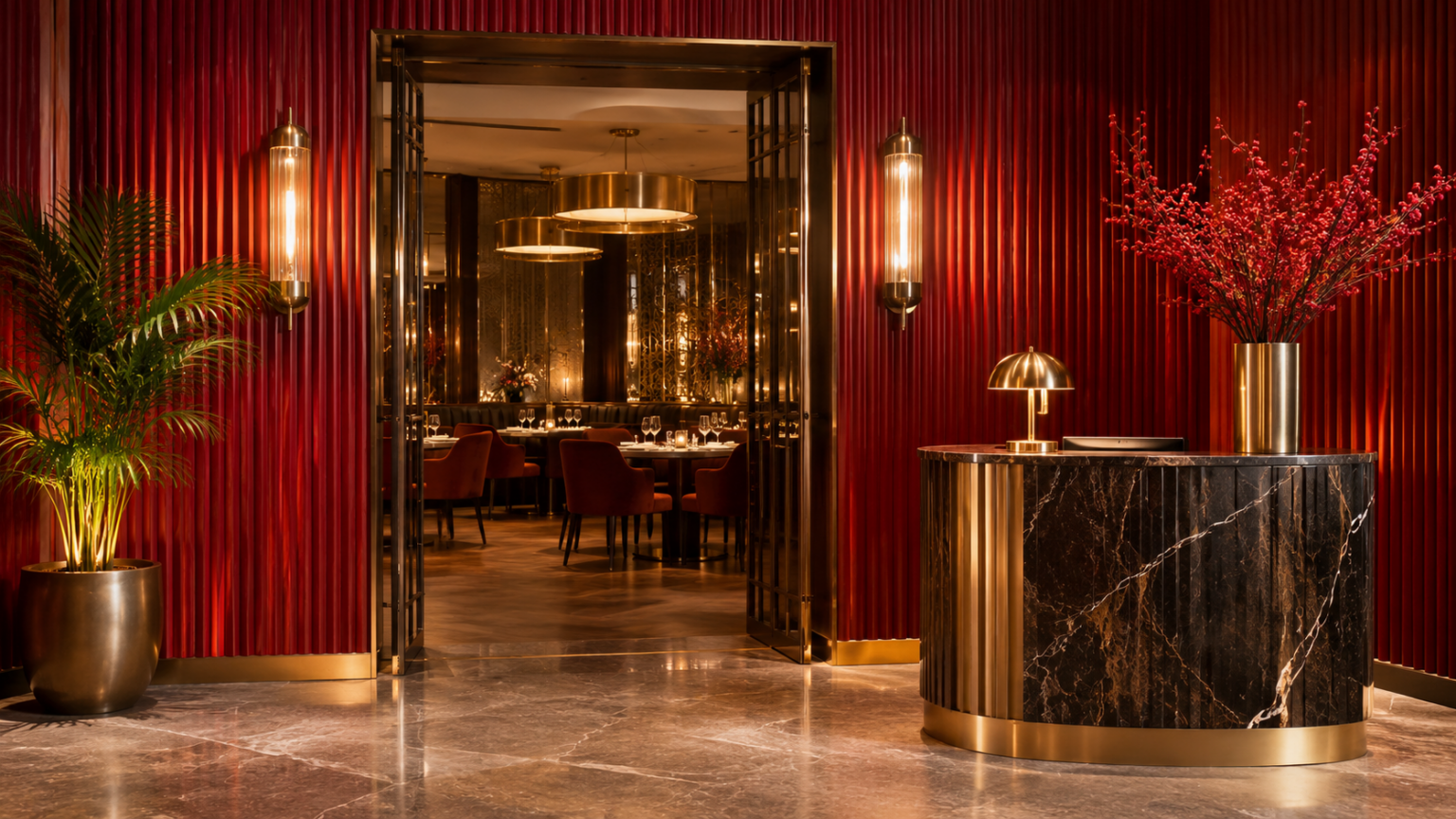
In practice, Utilizing fluted wall panels to design an energizing red restaurant works best when the panels help define focal points. A red fluted feature wall behind the hostess stand can make the entrance memorable. A darker red fluted backdrop behind booth seating can add intimacy and character. A fluted bar surround can strengthen the atmosphere of the evening service.
Designers exploring Utilizing fluted wall panels to design an energizing red restaurant should also consider scale. Narrower grooves may feel elegant and refined, while wider fluting may look bolder and more contemporary. The dimensions of the room should influence the panel profile.
Using Vertical Lines to Shape Perception
Fluted panels draw the eye upward, which can make a restaurant feel taller and more architecturally composed. This is especially helpful in smaller dining spaces where ceiling height is limited and the designer wants a stronger sense of verticality.
Balancing Red With Supporting Materials
A restaurant with a strong red concept should still include balancing materials. Without contrast, the space may feel visually heavy. Warm woods, natural stone, brass, bronze, black accents, smoked glass, and soft neutral upholstery can all help red feel more sophisticated.
One of the smartest aspects of Utilizing fluted wall panels to design an energizing red restaurant is that the panels can carry much of the visual identity, which means the other finishes can become calmer and more supportive. This prevents the room from becoming chaotic.
For example, Utilizing fluted wall panels to design an energizing red restaurant might involve deep red fluted walls paired with walnut furniture, cream tableware, soft amber lighting, and a charcoal floor finish. The result can feel energetic yet controlled.
Flooring and Furniture Choices
The floor should ground the space rather than compete with the walls. Dark wood, stone-look tile, terrazzo, or muted concrete-style finishes often work well. Furniture should reinforce comfort and durability while fitting the concept. Upholstery in rust, burgundy, tan, or neutral tones can help connect the palette.
Lighting That Brings the Design to Life
Lighting is essential in restaurant design, and it becomes even more important when rich colors and textured walls are involved. Poor lighting can make red look harsh, flat, or muddy. Thoughtful lighting can reveal its depth and warmth.
This is why Utilizing fluted wall panels to design an energizing red restaurant should always include a layered lighting plan. Ambient lighting establishes the overall mood. Accent lighting highlights the fluted texture. Task lighting supports table visibility and service efficiency.
Wall washers, concealed LED strips, warm pendant lighting, and directional spotlights can all contribute to the success of Utilizing fluted wall panels to design an energizing red restaurant. Warm white lighting generally complements red tones better than cold lighting, which can make the space feel less inviting.
Day-to-Night Atmosphere
Restaurants often operate across different dayparts. A design that feels vibrant at lunch may need to feel more intimate at dinner. Dimmers and layered lighting controls help the space transition smoothly without changing the underlying design concept.
Improving Comfort, Acoustics, and Flow
A visually striking restaurant still needs to function well. Guests should be comfortable, staff should move efficiently, and the environment should support conversation. Hard surfaces can cause noise problems, so material choices should consider acoustics as well as appearance.
An operational strength of Utilizing fluted wall panels to design an energizing red restaurant is that some fluted systems can be paired with acoustic backing or soft-core materials. This can help reduce harsh echo and improve the overall dining experience. In lively restaurant settings, this is a meaningful design advantage.
In addition, Utilizing fluted wall panels to design an energizing red restaurant should support zoning within the interior. Panels can separate visual areas without the need for full partitions. A bar section, casual dining zone, and private seating area can all feel connected while still having distinct identity.
Comfort Beyond the Walls
Booth spacing, circulation width, lighting at table level, and seating ergonomics all contribute to the success of the restaurant. Strong walls alone cannot compensate for cramped planning or poor furniture layout.
Supporting Branding and Social Media Appeal
Today’s restaurants often need interiors that are both operationally effective and visually shareable. Guests increasingly photograph interiors, especially when the setting feels stylish or immersive. A restaurant with red fluted walls can create a memorable visual signature that strengthens brand recognition.
From a branding perspective, Utilizing fluted wall panels to design an energizing red restaurant helps create a consistent design story. The panels can appear in the entrance, menus, brand photography, and even the bar design, giving the restaurant a recognizable design vocabulary.
Another marketing benefit of Utilizing fluted wall panels to design an energizing red restaurant is that it creates photo-worthy backgrounds. Guests are more likely to share their experience when the environment feels visually distinctive yet polished.
Designing for Identity, Not Just Trends
Trends can inspire, but the final design should reflect the restaurant’s concept, cuisine, service style, and customer expectations. A romantic fine-dining restaurant may use deeper reds and more subtle lighting, while a lively casual concept may use brighter tones and bolder contrasts.
Thinking About Maintenance and Durability
Restaurant interiors need finishes that can tolerate frequent cleaning, heavy use, and changing light conditions. A beautiful design that stains easily or chips quickly may create long-term problems. This makes material selection especially important.
A realistic approach to Utilizing fluted wall panels to design an energizing red restaurant includes asking how the panels will be cleaned, repaired, and maintained. Smooth painted grooves may be easier to wipe than more delicate decorative finishes. Commercial-grade materials are often worth the investment in high-traffic hospitality projects.
Because Utilizing fluted wall panels to design an energizing red restaurant involves a strong visual concept, consistency matters over time. If a damaged panel cannot be replaced with a matching finish later, the design may lose its integrity. Designers should therefore consider product continuity and serviceability early in the process.
Practical Questions to Ask
Before finalizing the design, ask:
- Will the finish resist staining and scuffing?
- Can panels be replaced in sections?
- How will lighting affect the color appearance?
- Are the materials suitable for a hospitality environment?
- Does the wall design support the restaurant’s brand positioning?
A Practical Design Framework
Below is a simple guide for organizing the concept:
| Design Element | Role in the Space | Best Practice |
|---|---|---|
| Red fluted wall panels | Create identity and texture | Use on focal walls and key zones |
| Supporting neutrals | Balance intensity | Add through floors, ceilings, and tableware |
| Warm lighting | Enhance color and texture | Use dimmable layered lighting |
| Natural materials | Add sophistication | Pair with wood, stone, or metal accents |
| Seating layout | Support guest comfort | Maintain circulation and zone clearly |
| Acoustic planning | Improve experience | Use soft finishes or acoustic backing where needed |
This structure helps ensure Utilizing fluted wall panels to design an energizing red restaurant remains both visually powerful and operationally practical.
Frequently Asked Questions
Are fluted wall panels suitable for restaurants?
Yes, fluted wall panels can work very well in restaurants when the material is selected for commercial use. They add texture, visual depth, and design identity.
Why is red a good color for restaurant interiors?
Red can create warmth, energy, and appetite appeal. The effect depends on the shade, lighting, and how the color is balanced with other materials.
Can a red restaurant still feel elegant?
Yes. Deep reds, layered tones, quality finishes, and controlled lighting can make the space feel refined rather than overwhelming.
Where should fluted wall panels be installed?
They work especially well on feature walls, bar backdrops, reception zones, booth surrounds, and selected dining areas.
Do fluted wall panels help with acoustics?
Some do, especially when paired with acoustic materials or designed as sound-absorbing panel systems. Not all fluted panels provide the same acoustic benefit.
How do you stop a red interior from feeling too intense?
Balance the red with wood, stone, metal, soft neutrals, and layered lighting. Using texture instead of flat color everywhere also helps.
Conclusion
Restaurant design is most effective when color, material, layout, and brand identity work together. Red can bring energy and memorability, while fluted wall panels add the texture and sophistication needed to keep that energy visually refined.
Utilizing fluted wall panels to design an energizing red restaurant is a strong strategy for creating a space that feels bold, immersive, and distinctive. When handled thoughtfully, it can support not only aesthetic appeal but also comfort, atmosphere, guest experience, and long-term brand recognition.

Written by Twastia Editorial Team
Twastia Editorial Team shares practical insights about website design, SEO services, Google Ads, content marketing, social media, conversion rate optimization, and digital marketing strategy.
Last updated: Nov 6, 2026
Related posts from Twastia
Explore more useful articles from twastia.com about digital marketing, SEO, websites, ads, content, and growth strategy.