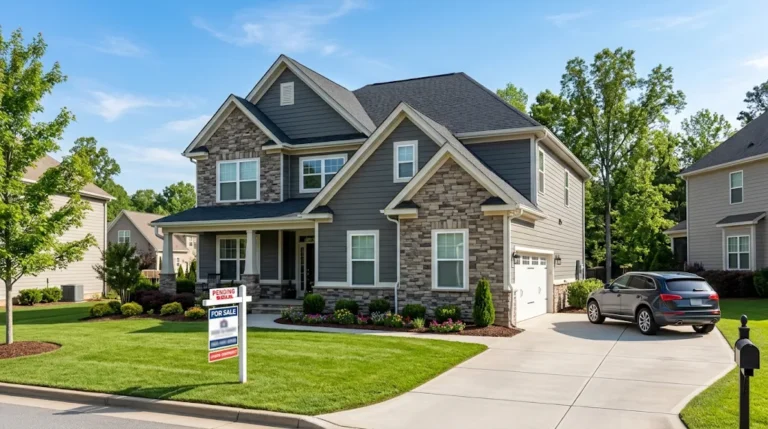
How to Get Started on the Real Estate Developer Path: Best Beginner’s Guide
Real estate development can be an exciting career for people interested in property, business, architecture, and investment. From transforming vacant […]

Real estate development can be an exciting career for people interested in property, business, architecture, and investment. From transforming vacant land into residential neighborhoods to renovating outdated commercial buildings, developers play an important role in shaping communities and creating spaces where people live and work.
However, becoming a successful property developer involves much more than purchasing land and constructing buildings. It requires financial knowledge, market research, project management, legal awareness, and the ability to make informed decisions.
Understanding How to Get Started on the Real Estate Developer Path is essential for beginners who want to enter the industry without making expensive mistakes. The process may seem complicated at first, but learning its individual stages makes it easier to identify realistic opportunities.
Whether you have experience in construction, real estate sales, finance, or an unrelated profession, the industry offers different entry points.
This guide explains How to Get Started on the Real Estate Developer Path, including the skills you need, how development projects work, ways to finance an investment, and practical steps for preparing your first project in the United States.
1. Understand the Role of a Real Estate Developer
Before beginning your career, understand what a developer actually does.
A real estate developer identifies opportunities to improve land or existing buildings and coordinates the activities required to transform those opportunities into completed properties.
Developers may acquire vacant land, renovate existing structures, construct residential housing, or manage commercial building projects.
The first step in How to Get Started on the Real Estate Developer Path is recognizing that developers are responsible for coordinating the overall business process rather than personally completing every construction task.
Common Responsibilities
A property developer’s work may involve researching potential investments, assessing land suitability, preparing budgets, obtaining financing, securing approvals, hiring contractors, and overseeing project progress.
Developers also need an exit strategy. Some sell completed properties, while others retain ownership and earn rental income.
Different Types of Property Development
Residential development includes single-family houses, duplexes, townhouses, and apartment buildings. Commercial development includes retail buildings, offices, warehouses, and mixed-use properties.
For beginners, smaller residential developments or appropriately scoped renovation projects may be easier to understand than large commercial developments, although every project carries financial risk.
2. Develop the Essential Knowledge and Skills
A formal degree can be helpful, but there is no single educational path into property development.
People enter the industry through construction management, architecture, finance, real estate brokerage, engineering, business ownership, and other professions.
A major part of How to Get Started on the Real Estate Developer Path is developing skills that allow you to evaluate opportunities and coordinate qualified professionals.
Learn Real Estate Finance
Developers need to understand acquisition costs, construction expenses, financing terms, projected revenue, and cash flow.
You should become comfortable preparing budgets, estimating potential returns, calculating financing expenses, and reviewing different investment scenarios.
A project can appear profitable on paper yet become financially difficult if construction is delayed or costs exceed expectations.
Build Negotiation and Communication Skills
Developers negotiate with property owners, lenders, contractors, investors, and government agencies.
Clear communication helps establish expectations and reduce misunderstandings throughout a project.
Understand Career Flexibility
Career changes are increasingly part of professional life. A 2021 LinkedIn article by Leonie Sanderson cited an estimate that Australians may hold an average of 13 jobs throughout their working lives. The figure refers to jobs, not 13 separate careers, and its original research basis is not clearly established.
For someone exploring How to Get Started on the Real Estate Developer Path, the broader point is that professional experience gained elsewhere can be valuable. Budgeting, leadership, project coordination, and negotiation are transferable skills that may help you enter property development.
Find Opportunities to Learn
Consider internships, entry-level roles at development companies, construction project coordination, or working alongside an experienced property developer.
Practical exposure helps you understand decisions that are difficult to appreciate through online courses alone.
3. Research the Local Property Market
Understanding local property demand is one of the most important responsibilities of a developer.
A profitable opportunity in one neighborhood may be a poor investment in another. Population trends, employment opportunities, transportation access, neighborhood amenities, and competing developments can all influence property demand.
Market research is therefore a critical part of How to Get Started on the Real Estate Developer Path.
Identify Potential Growth Areas
Begin by studying neighborhoods where residential or commercial activity is developing.
Review recent property transactions, rental demand, vacancy rates, construction activity, and planned infrastructure improvements.
Publicly available information from local planning departments, the U.S. Census Bureau, and property transaction databases can provide useful context.
However, increasing population or new construction does not automatically guarantee strong investment returns.
Study Comparable Properties
Comparable properties help you estimate what a completed project might realistically sell or rent for.
Focus on properties with similar locations, sizes, conditions, and characteristics.
For example, if you are planning a small townhouse development, research recently completed townhouse sales rather than relying on the prices of detached luxury homes.
Understand Your Target Customers
Another important consideration in How to Get Started on the Real Estate Developer Path is identifying the future occupants or buyers.
A development targeting first-time buyers may require a different layout and pricing strategy from a project intended for retirees or high-income households.
The more clearly you understand your target market, the easier it becomes to make appropriate design and investment decisions.
4. Learn How to Evaluate Land and Properties
Finding affordable land does not necessarily mean finding a profitable development opportunity.
A property may have an attractive asking price but contain restrictions or physical conditions that make construction expensive or impossible.
For anyone studying How to Get Started on the Real Estate Developer Path, property due diligence is one of the most valuable skills to develop.
Examine Zoning and Land-Use Regulations
Local zoning regulations determine how a property can legally be used.
Before purchasing, investigate whether the intended project is permitted and whether additional approvals, variances, or rezoning would be required.
Check requirements involving building height, setbacks, density, parking, and access.
A parcel advertised as suitable for development does not automatically have approval for your proposed project.
Inspect Physical Site Conditions
Physical characteristics can affect construction costs and feasibility.
Important considerations include soil conditions, slopes, flooding risks, utility connections, drainage, road access, and any existing structures.
Land surveyors, civil engineers, environmental specialists, and other qualified professionals may be needed to assess these conditions.
Review Legal and Environmental Issues
Verify property ownership, title restrictions, easements, and any existing legal obligations.
Some properties may also require environmental assessment before acquisition, especially when previous land uses suggest possible contamination.
A practical lesson in How to Get Started on the Real Estate Developer Path is to investigate potential obstacles before making an unconditional financial commitment.
Protect Yourself During Negotiations
Where appropriate, discuss due-diligence contingencies with a qualified real estate attorney. Such provisions may allow time to investigate important conditions before completing a purchase.
5. Create a Realistic Development Budget
Financial planning is essential because property development often requires substantial capital before any revenue is received.
Developers need to understand not only the cost of buying land but also the additional expenses involved in turning that land into a usable property.
Developing a realistic budget is a fundamental part of How to Get Started on the Real Estate Developer Path.
Calculate the Total Development Cost
A comprehensive budget should consider land acquisition, legal expenses, surveys, architectural design, engineering, permits, construction materials, contractor labor, insurance, financing, utilities, marketing, and selling costs.
You should also include a contingency allowance for unforeseen expenses.
Evaluate the Potential Profit
Consider this simplified hypothetical example:
| Development expense | Estimated cost |
|---|---|
| Land acquisition | $120,000 |
| Design, surveys, and permits | $30,000 |
| Construction | $280,000 |
| Financing and holding costs | $35,000 |
| Marketing and selling expenses | $20,000 |
| Contingency reserve | $25,000 |
| Total projected cost | $510,000 |
If the completed project sells for $600,000, the projected difference is $90,000 before any unaccounted costs or applicable taxes.
This is only an illustrative calculation, not a guaranteed profit.
Prepare for Unexpected Changes
Learning How to Get Started on the Real Estate Developer Path also involves understanding financial uncertainty.
Construction delays, increased material prices, unexpected site conditions, and weaker market demand can affect a project’s results.
Prepare alternative scenarios to estimate what might happen if costs increase or the expected selling price decreases.
Understand Cash Flow
A development can show a positive projected return but still encounter serious problems if funds are unavailable when payments become due.
Prepare a timeline showing expected expenses, loan disbursements, interest, contractor payments, and revenue.
6. Explore Financing Options for Your First Project
Real estate development frequently requires a combination of personal capital, borrowed funds, and investment partners.
Financing options depend on the project type, borrower qualifications, market conditions, and lender requirements.
Understanding funding is another important component of How to Get Started on the Real Estate Developer Path.
Construction Loans
Construction loans can provide financing for eligible development projects.
Lenders may examine land value, project feasibility, construction budgets, borrower experience, creditworthiness, and projected repayment sources.
Unlike a conventional mortgage, construction financing may involve staged payments linked to project progress.
Private Investors and Partnerships
Some developers work with investment partners who provide capital in exchange for an agreed ownership interest or share of the project’s financial outcome.
Partnership agreements should clearly define contributions, responsibilities, management authority, profit distribution, and the handling of losses.
Raising money from outside investors may also involve securities regulations, so obtain appropriate legal advice.
Personal Savings and Smaller Projects
Beginning with personal funds may reduce financing complexity, but it can also expose significant savings to development risk.
For those considering How to Get Started on the Real Estate Developer Path, starting small can help limit complexity. However, smaller projects are not necessarily low-risk.
The best first investment is one that has been carefully evaluated and can be managed within your financial capacity.
7. Understand Permits, Construction Regulations, and Approvals
Real estate development is subject to local laws and government approval processes.
The requirements vary depending on the property location, proposed construction, land use, and applicable building codes.
A key stage in How to Get Started on the Real Estate Developer Path is learning which approvals are necessary before construction begins.
Contact the Local Planning Department
Local planning officials can provide information about zoning classifications, subdivision requirements, and approval procedures.
Some developments require public hearings, design reviews, environmental investigations, or infrastructure improvements.
These processes can influence both the project schedule and total cost.
Obtain Necessary Building Permits
Building permits help ensure that construction work is reviewed against applicable regulations.
The process may require architectural plans, engineering documents, and inspections during different construction stages.
Do not assume that owning a property gives you unrestricted permission to build on it.
Allow Time for Administrative Delays
Another lesson in How to Get Started on the Real Estate Developer Path is planning for uncertainty in approval timelines.
Additional documentation, revised designs, or inspection corrections may delay construction.
Include realistic allowances for these possibilities in your project schedule and budget.
8. Build a Professional Development Team
Even experienced property developers depend on specialists.
Managing a successful project requires coordination between people who understand legal requirements, financial planning, design, construction, and property marketing.
Building a dependable team is an essential part of How to Get Started on the Real Estate Developer Path.
Identify the Professionals You Need
An architect can prepare building designs, while engineers evaluate structural and infrastructure requirements.
A general contractor typically coordinates construction activities. Surveyors establish property boundaries, and attorneys help review contracts and property transactions.
Accountants and financial advisers may assist with tax planning and financial reporting.
Depending on the project, you may also need a real estate broker, environmental consultant, or specialized project manager.
Evaluate Experience and Reliability
Before hiring professionals, review their qualifications, relevant experience, references, insurance, and service agreements.
Look for people who have worked on developments similar to your proposed project.
Maintain Effective Communication
A good team needs clear responsibilities and timely information.
Schedule regular progress meetings, document major decisions, and establish procedures for approving changes.
Manage Contractors Carefully
Construction projects may encounter unexpected issues, but changes should be documented and their financial implications reviewed.
Avoid approving additional work without understanding its effect on costs and scheduling.
The team-building aspect of How to Get Started on the Real Estate Developer Path is not simply hiring experts. It is creating a structure that allows them to work together effectively.
9. Start With a Manageable Development Project
One of the biggest mistakes beginners make is attempting a project that is too complicated for their experience and financial resources.
Large developments may offer substantial potential revenue, but they also require greater capital, extensive coordination, and more complex risk management.
The practical approach to How to Get Started on the Real Estate Developer Path is to begin with a carefully researched project that allows you to gain experience while maintaining realistic financial limits.
Consider Smaller Development Opportunities
Depending on your budget, skills, and local market, possible starting opportunities could include renovating an existing property, converting a suitable building, or developing a small residential unit.
Every option requires a proper feasibility study, and some seemingly simple conversions involve significant approval or structural challenges.
Create a Clear Project Timeline
Divide the project into manageable stages, including acquisition, due diligence, design, approvals, financing, construction, inspections, and completion.
Set realistic milestones and identify dependencies between activities.
For example, construction may not begin until the required permits are approved and financing conditions are satisfied.
Decide on Your Exit Strategy
Before investing, determine how the project is expected to generate returns.
You might plan to sell the completed property, lease it, or retain it as a long-term investment.
Each strategy has different tax, financing, operating, and market considerations.
Learn From Every Completed Project
Once a project is finished, compare your original expectations with actual results.
Review construction costs, project duration, financing expenses, contractor performance, and the final financial outcome.
Use those findings to improve the planning of future developments.
A Step-by-Step Roadmap for Beginners
| Stage | Recommended action | Expected outcome |
|---|---|---|
| 1. Industry knowledge | Learn development fundamentals | Understand the project lifecycle |
| 2. Skill development | Study finance, construction, and negotiation | Build practical capabilities |
| 3. Market research | Analyze demand and comparable properties | Identify suitable opportunities |
| 4. Property evaluation | Check zoning, site conditions, and legal restrictions | Understand feasibility |
| 5. Financial planning | Prepare budgets and risk scenarios | Evaluate potential returns |
| 6. Financing | Explore lenders and investment partners | Establish funding arrangements |
| 7. Approvals | Confirm permits and regulations | Prepare a lawful development process |
| 8. Team building | Hire qualified specialists | Establish project delivery capacity |
| 9. Project execution | Start with a manageable development | Build practical experience |
Common Mistakes New Developers Should Avoid
Beginners sometimes become excited about attractive properties before evaluating their financial and legal limitations.
Purchasing land without checking zoning, relying on overly optimistic selling prices, underestimating construction expenses, and choosing contractors solely because they offer the lowest price can create serious problems.
Other mistakes include insufficient contingency funds, unclear partnership agreements, and proceeding without a realistic exit strategy.
Successful developers do not eliminate uncertainty. Instead, they identify important risks, investigate them carefully, and decide whether the remaining exposure is acceptable.
Frequently Asked Questions
Do you need a degree to become a real estate developer?
No specific degree is universally required to own or manage real estate development projects in the United States. However, education in real estate, finance, construction management, architecture, or business can be valuable. Certain professional activities require appropriate licensing.
How much money do beginners need for property development?
There is no fixed amount. The capital required depends on the property, construction scope, financing arrangements, and local market. Beginners should prepare a detailed feasibility assessment before committing funds.
Can you become a property developer without previous experience?
Yes, although limited experience can increase financial and operational risk. Industry employment, mentorship, training, and collaboration with qualified professionals can help beginners develop essential knowledge.
Is real estate development a profitable career?
It can be profitable, but returns are not guaranteed. Market changes, financing expenses, construction delays, and unexpected problems can reduce profits or produce losses.
What is the difference between a real estate investor and a developer?
A real estate investor may purchase existing properties to generate rental income or benefit from appreciation. A developer typically takes a more active role in transforming land or buildings through construction, renovation, or changes in use. Some professionals do both.
How long does a real estate development project take?
Timelines vary considerably. Smaller renovations may require months, while ground-up construction and projects involving complicated approvals can take substantially longer. The schedule depends on the location, design, permits, financing, and construction scope.
Conclusion
Real estate development provides opportunities for people who enjoy business planning, property investment, construction, and long-term project management.
However, success requires more than identifying attractive land or estimating potential profits.
Developers need to understand market demand, conduct thorough property investigations, prepare realistic budgets, secure appropriate funding, and coordinate experienced professionals.
Ultimately, How to Get Started on the Real Estate Developer Path is about developing the knowledge and judgment needed to make responsible investment decisions.
Begin by learning the fundamentals, studying your local property market, gaining practical experience, and building relationships with qualified professionals.
Rather than rushing into an expensive project, focus on opportunities that match your resources and experience.
With careful preparation, realistic expectations, and a willingness to learn from each project, you can establish a foundation for a long-term career in real estate development.

Written by Twastia Editorial Team
Twastia Editorial Team shares practical insights about website design, SEO services, Google Ads, content marketing, social media, conversion rate optimization, and digital marketing strategy.
Last updated: Nov 6, 2026
Related posts from Twastia
Explore more useful articles from twastia.com about digital marketing, SEO, websites, ads, content, and growth strategy.