virtual walkthroughs: The Best Guide to Immersive Real Estate
In today’s fast-paced digital economy, the way buyers explore, evaluate, and purchase real estate has undergone a permanent transformation. Gone […]
In today’s fast-paced digital economy, the way buyers explore, evaluate, and purchase real estate has undergone a permanent transformation. Gone are the days when homebuyers relied solely on static two-dimensional photographs, basic floor plan sketches, or weekend open houses to select their next property. Across the
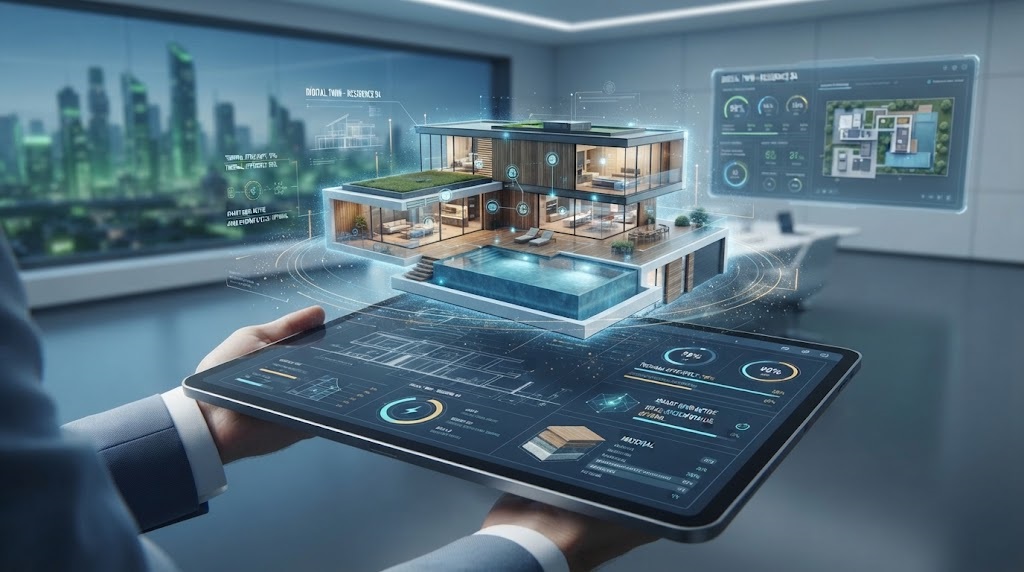
United States, adopting virtual walkthroughs provides a competitive edge for real estate agents, property managers, architects, and commercial developers looking to showcase spaces with unprecedented realism. By creating an interactive, 360-degree digital twin of any physical location, immersive digital tours allow potential buyers to navigate through rooms at their own pace from anywhere in the world.
Whether marketing a luxury residential home, leasing commercial office space, or showcasing pre-construction architectural models, implementing virtual walkthroughs transforms how potential buyers experience property listings. Digital spatial technology bridges the gap between online browsing and physical visits, saving
valuable time for both buyers and listing agents while generating higher-quality leads. In this ultimate comprehensive guide, we will analyze how immersive spatial rendering works, explore key benefits for real estate professionals, evaluate hardware and software creation tools, detail optimization strategies for online syndication, and answer the most frequently asked questions about immersive digital tours.
What Are Virtual Walkthroughs and How Do They Work?

Understanding the underlying technology behind immersive digital tours helps real estate professionals and property owners choose the ideal visual solution for their marketing needs.
Photogrammetry, 3D Spatial Scanning, and Digital Twins
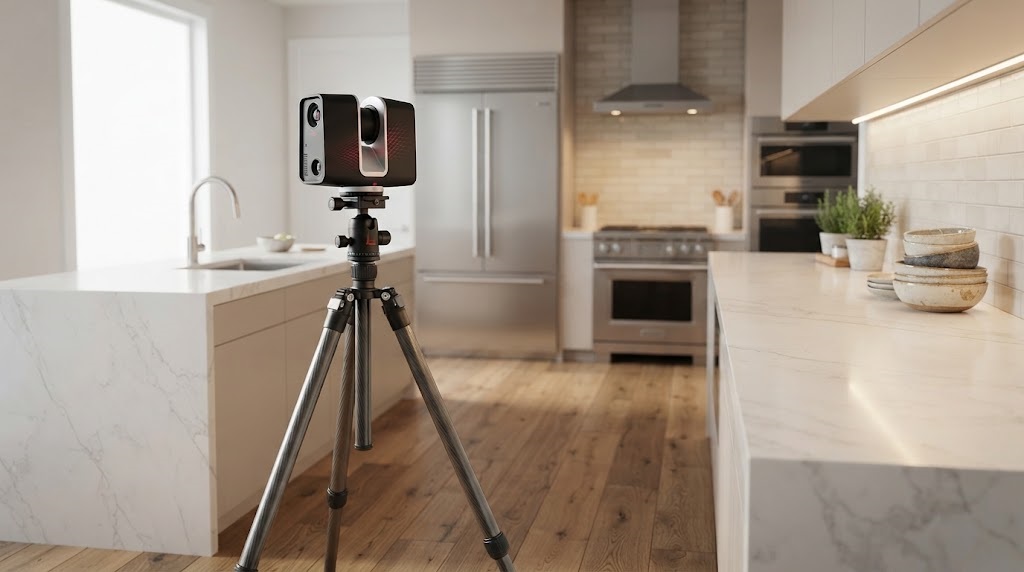
At its technical core, understanding how virtual walkthroughs are created involves looking at spatial capture technology. Modern immersive tours are built using advanced 3D spatial scanning cameras or high-resolution 360-degree lenses equipped with Infrared (IR) or LiDAR sensors. As a photographer moves a specialized camera from point to point throughout a home, the device captures high-definition HDR photographs while simultaneously measuring room dimensions, ceiling heights, and spatial depth.
The captured visual and spatial data is then processed through cloud-based photogrammetry software. This software stitches individual scan points together to generate a photorealistic “digital twin”—a fully navigable 3D replica of the physical building envelope. Viewers can interact with this digital twin using a computer mouse, touchscreen, or Virtual Reality (VR) headset, moving seamlessly from room to room while exploring floor plans from a bird’s-eye “dollhouse” perspective.
Interactive Navigation vs 360-Degree Video Tours

It is important to distinguish between passive video tours and fully interactive spatial environments. Passive 360-degree videos play along a predetermined timeline, forcing the viewer to follow a fixed camera path set by the videographer. While video tours offer visual context, they lack user autonomy.
By contrast, distinguishing between static video clips and interactive virtual walkthroughs is crucial for engagement. Interactive digital tours grant users total freedom over their movement. Viewers can pause in any room, rotate their viewing angle 360 degrees, zoom in to inspect countertop textures or cabinet finishes, measure wall dimensions digitally, and re-visit specific spaces as often as they choose. This self-guided exploration fosters a deeper emotional connection with the property.
Key Benefits of Virtual Walkthroughs for Real Estate and Architecture
Integrating interactive 3D tours into property listings delivers measurable operational, marketing, and financial advantages across multiple industries.
Expanding Reach to Out-of-State and International Buyers
In an increasingly mobile society, a significant portion of residential and commercial real estate transactions involve relocation. Buyers moving across state lines or purchasing property internationally often face tight schedules and expensive travel budgets, making in-person preliminary showings difficult.
Utilizing virtual walkthroughs enables out-of-state home buyers to conduct thorough remote walk-throughs before booking expensive flights or submitting long-distance purchase offers. Buyers can evaluate spatial flow, natural light orientation, and room proportions with complete confidence, allowing out-of-town clients to make competitive offers sight-unseen.
Saving Time for Realtors and Eliminating Unnecessary Showings
Managing physical open houses and individual property showings consumes significant time and energy for real estate professionals and sellers alike. Traditional showings require staging the home, tidying living spaces, accommodating pets, and driving across town for buyers who may lose interest within seconds of stepping through the front door.
Listing agents who feature virtual walkthroughs report significant time savings because the digital tour acts as a continuous 24/7 open house. Casual browsers and unqualified buyers filter themselves out digitally, ensuring that clients who request in-person walkthroughs are highly qualified buyers genuinely interested in submitting an offer.
Accelerating Construction and Architectural Planning
Beyond residential sales, immersive spatial modeling plays a crucial role in architectural design, historic restoration, and commercial construction management. Architects and builders use virtual walkthroughs during initial design phases to present 3D BIM (Building Information Modeling) concepts to project stakeholders before ground is broken.
During active construction, regular 3D spatial scans document hidden mechanical, electrical, and plumbing (MEP) rough-ins behind drywall. This creates an invaluable digital record for facility managers, simplifying future building maintenance and structural renovations for the entire lifecycle of the building.
Essential Hardware and Software Tools for Creating Virtual Walkthroughs
Creating polished, high-definition digital tours requires selecting hardware and software tools tailored to your technical skills and project budget.
High-End 3D Cameras vs Mobile Smartphone Scans
Property marketers can choose from various spatial capture options depending on required resolution and budget constraints:
- Dedicated 3D Pro Cameras (e.g., Matterport Pro2/Pro3): Equipped with professional-grade sensors and long-range LiDAR, these industry-standard cameras capture millimeter-accurate spatial measurements and ultra-high-definition imagery. They are ideal for luxury residential listings, large commercial facilities, and architectural documentation.
- 360-Degree Consumer Cameras (e.g., Insta360, Ricoh Theta): Compact, dual-lens 360 cameras provide a balance of speed, affordability, and high image quality. They allow agents to capture mid-sized residential listings in under an hour.
- Smartphone Capture Apps: Modern spatial capture platforms leverage built-in smartphone cameras and LiDAR sensors (found on newer iPhone Pro models). While smartphone scans offer a cost-effective entry point for budget listings, hardware options for capturing virtual walkthroughs range from basic mobile apps to high-end dedicated cameras.
Top Virtual Tour Platforms and Hosting Solutions
Once spatial data is captured, selecting the right software hosting platform hosting your virtual walkthroughs determines overall loading speed, mobile responsiveness, and interactive feature customization. Leading platforms include Matterport, Metareal 3D, CloudPano, and Kuula. Top platforms provide smooth web browser rendering, automated dollhouse view creation, and seamless integration with major real estate MLS portals.
How to Optimize Virtual Walkthroughs for Maximum Marketing Engagement
Capturing a high-quality spatial scan is only the first half of a successfulPropTech marketing strategy. Optimizing digital tour presentation maximizes user engagement and conversion rates.
Embedding Interactive Hotspots and Floor Plan Overlays
To convert passive viewers into active leads, digital tours should incorporate interactive media tags. Interactive hotspots embedded inside virtual walkthroughs display material specs, appliance user guides, brand names, embedded promotional videos, or custom upgrade options directly within the 3D space.
For instance, clicking a digital tag on a kitchen island can reveal quartz countertop specifications, while a tag in a master suite can link directly to a digital booking calendar for scheduling an in-person tour. Furthermore, featuring an interactive 2D floor plan overlay alongside the 3D tour helps users maintain spatial orientation as they move between building levels.
Integrating Virtual Tours into MLS Listings and Social Media
To maximize listing exposure, immersive tours must be distributed strategically across multiple digital marketing channels. Syndicating your virtual walkthroughs across MLS feeds and social media channels increases listing visibility significantly. Major real estate portals—such as Zillow, Realtor.com, and Redfin—prioritize listings featuring interactive 3D tours, boosting them in user search results.
Additionally, embedding 3D tours directly onto custom property landing pages, sharing interactive links via email marketing campaigns, and posting short video walkthrough teasers on Instagram and TikTok drives organic web traffic back to your primary listing page.
Frequently Asked Questions
Why are virtual walkthroughs so effective in real estate marketing?
They provide an immersive, self-guided viewing experience available 24/7 from any device. They build buyer trust by showcasing true spatial proportions, attract out-of-state buyers, filter out unqualified leads, and keep buyers engaged on listing pages longer.
What is the difference between a 3D virtual tour and a 360 video?
A 360 video is a passive recording where the viewer follows a set camera path on a fixed timeline. A 3D virtual tour is an interactive digital twin that lets the user move freely through rooms, rotate angles, measure distances, and explore at their own pace.
How long does it take to scan a home for a virtual walkthrough?
For a standard 2,000 to 2,500 square foot residential home, capturing a full 3D spatial scan with a professional camera typically takes between 45 and 90 minutes, depending on room layout complexity.
How much does it cost to create a professional virtual walkthrough?
Hiring a professional real estate photographer to capture a 3D virtual tour costs between $150 and $450 for a standard home. Real estate professionals who purchase their own 360 cameras can produce tours for the cost of monthly software hosting fees ($10 to $50/month).
Can virtual walkthroughs be viewed on mobile devices?
Yes. Modern 3D tour platforms utilize responsive HTML5 web players, allowing users to navigate spaces smoothly on smartphones, tablets, desktop computers, and Virtual Reality (VR) headsets without downloading extra software.
Do virtual walkthroughs help listings rank higher on Zillow and Realtor.com?
Yes. Major real estate search platforms use algorithms that favor listings with 3D virtual tours and interactive floor plans, giving them higher search placement and special badging that attracts more buyer clicks.
Can you measure room dimensions inside a virtual walkthrough?
Yes. Advanced 3D platforms include digital measurement tools that allow users to measure walls, doorways, ceiling heights, and floor areas directly inside the virtual environment to confirm furniture fit.
Conclusion
Incorporating interactive 3D tours into your real estate marketing framework is no longer a luxury reserved for multi-million-dollar estates—it is a modern standard expected by home buyers across North America. In conclusion, embracing virtual walkthroughs elevates property marketing by delivering immersive transparency, expanding reach to global buyers, and accelerating sales velocity. By providing potential buyers
with complete spatial control, listing agents and property owners build trust while streamlining the sales process. Whether using professional 3D cameras or mobile capture tools, investing in high-quality virtual walkthroughs guarantees long-term engagement and elevates your brand in today’s competitive real estate market. Embrace spatial technology today to transform how your clients explore properties tomorrow.

Written by Twastia Editorial Team
Twastia Editorial Team shares practical insights about website design, SEO services, Google Ads, content marketing, social media, conversion rate optimization, and digital marketing strategy.
Last updated: Oct 21, 2026
Related posts from Twastia
Explore more useful articles from twastia.com about digital marketing, SEO, websites, ads, content, and growth strategy.