Wall-Mounted Televisions: Complete Guide to TV Mounting, Installation Costs, and Home Design
Wall-mounted televisions have become a popular choice for American homeowners who want a modern, organized, and comfortable entertainment space. Whether […]
Wall-mounted televisions have become a popular choice for American homeowners who want a modern, organized, and comfortable entertainment space. Whether you are upgrading your living room, designing a home theater, or making better use of a small apartment, mounting your television can transform the appearance and functionality of your room.
Unlike traditional TV stands, wall-mounted displays free up valuable floor space and create a streamlined appearance. They also provide flexibility in screen placement, allowing homeowners to choose viewing angles that suit their furniture and everyday routines.
However, successful TV mounting involves more than attaching a bracket to the wall. Choosing the right hardware, identifying proper wall supports, managing cables, and positioning the screen correctly are essential.
This guide explains everything you need to know about wall-mounted televisions, including installation methods, costs, safety precautions, mounting options, and attractive design ideas.
What Are Wall-Mounted Televisions?
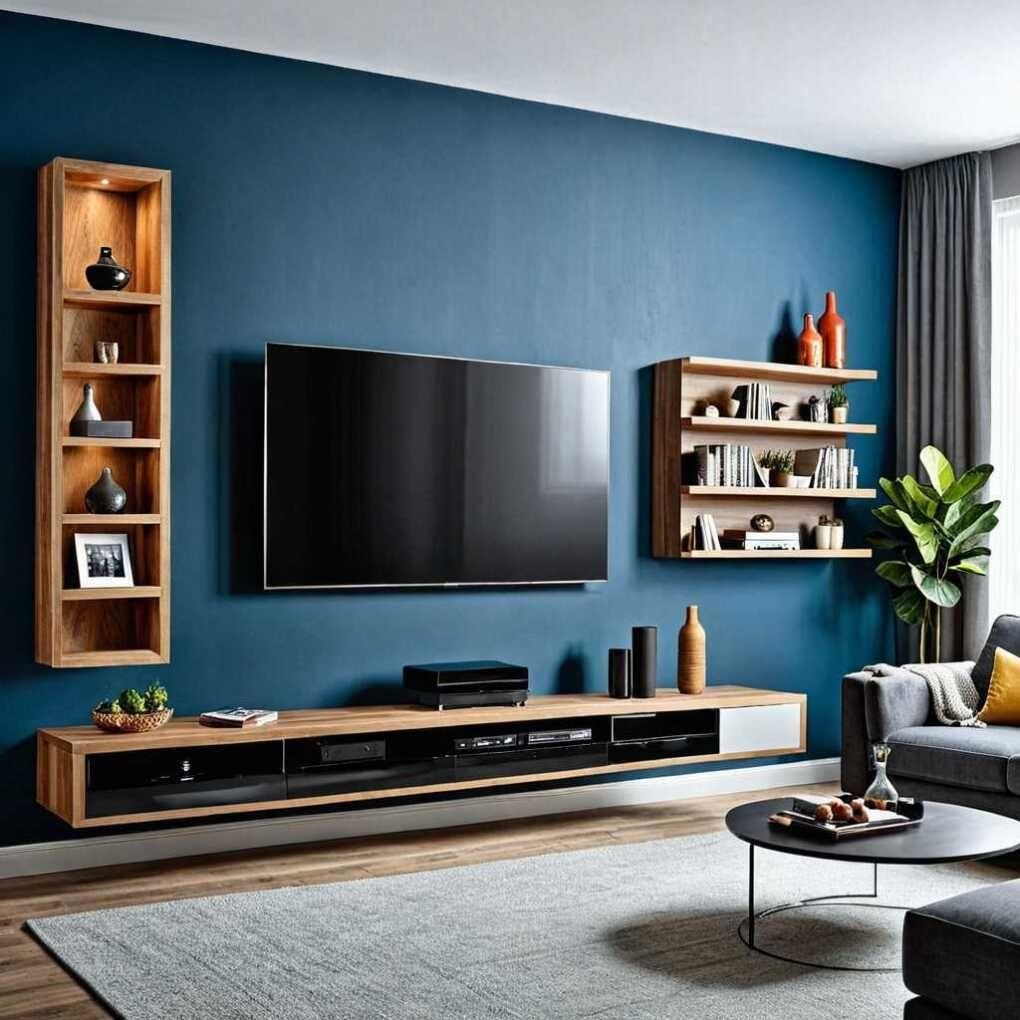
Wall-mounted televisions are flat-screen TVs secured to a wall using specially designed mounting brackets. Instead of sitting on entertainment furniture, the television is supported by hardware connected to an appropriate wall structure.
Modern LED, OLED, and QLED televisions are commonly designed to support wall mounting, although compatibility varies by model.
The installation typically includes a mounting bracket, appropriate fasteners, and hardware connecting the television to the bracket.
Why Are Wall-Mounted TVs So Popular?
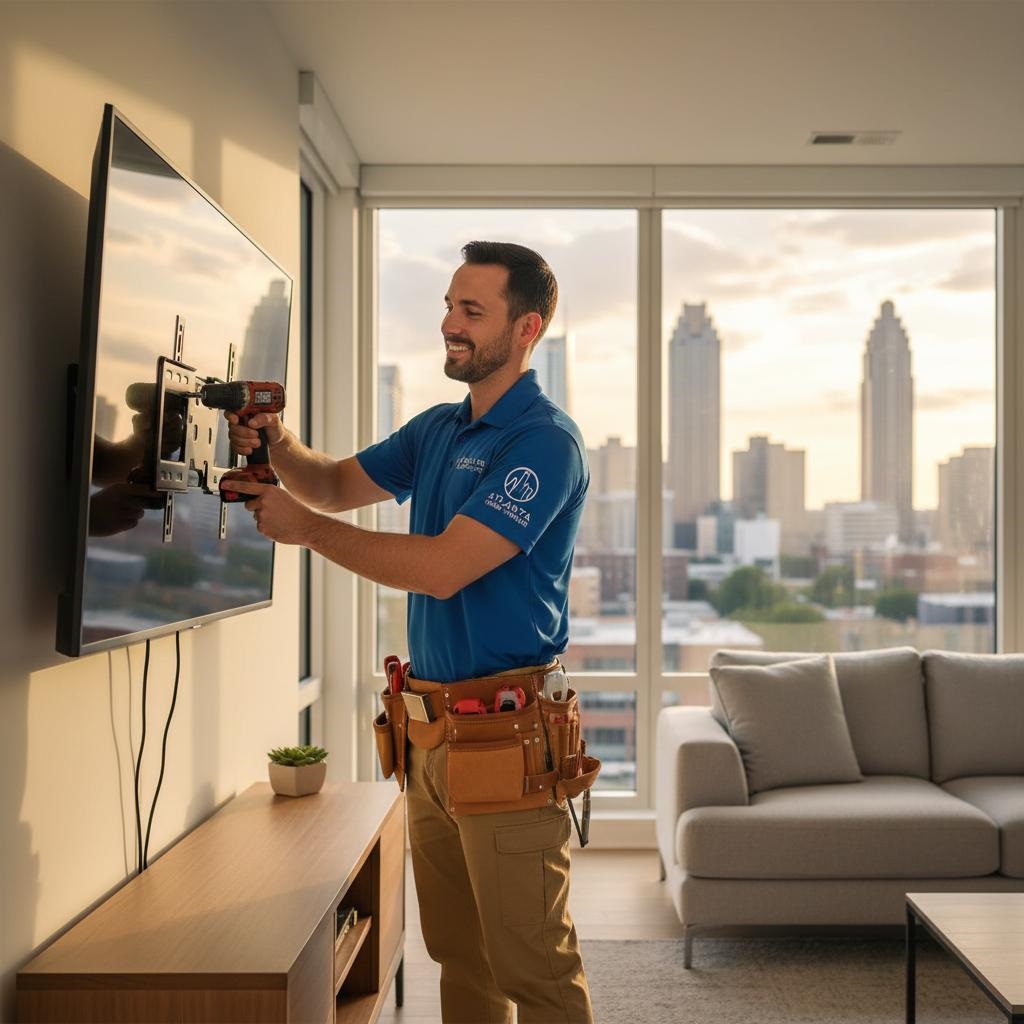
Wall mounting creates a cleaner entertainment area while reducing dependence on bulky furniture.
It also makes it easier to integrate televisions with soundbars, floating cabinets, decorative wall panels, and home theater equipment.
For families, properly installed wall-mounted televisions can also reduce certain tip-over hazards associated with unsecured TVs.
Benefits of Wall-Mounted Televisions for Modern Homes
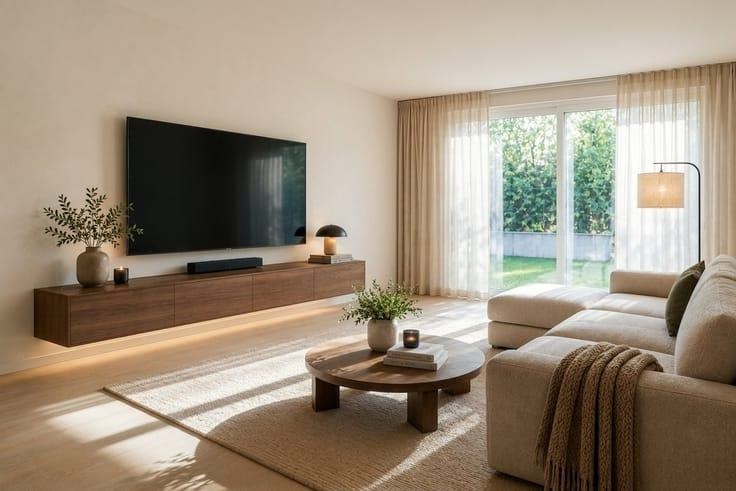
Installing a wall-mounted TV offers several practical and visual advantages.
1. Saves Valuable Floor Space
Traditional entertainment centers occupy considerable room, especially when accommodating large televisions.
Wall mounting frees up space beneath the screen, making smaller bedrooms, apartments, and living rooms feel more open.
Homeowners can use the available area for compact storage or leave it uncluttered.
2. Creates a Modern Interior Appearance
A television mounted directly on the wall offers a clean, contemporary look.
When combined with concealed cables and coordinated furniture, the display becomes part of the room’s design rather than a separate electronic appliance.
This approach works particularly well in minimalist and modern interiors.
3. Improves Viewing Flexibility
An appropriately positioned wall-mounted television can create a comfortable viewing experience.
Depending on the bracket, homeowners may tilt or swivel the screen to reduce glare and improve visibility from different seating positions.
4. Supports a More Organized Entertainment Area
Wall mounting makes it easier to arrange speakers, streaming devices, and entertainment accessories around a central display.
Thoughtful cable management can also reduce visible clutter.
However, proper installation remains essential for both appearance and safety.
Different Types of TV Wall Mounts
Choosing the best TV wall mount depends on your television, wall construction, room layout, and preferred viewing position.
Fixed TV Wall Mounts
Fixed brackets hold the television close to the wall without allowing significant movement.
They are generally affordable, straightforward, and suitable for rooms where viewers sit directly opposite the screen.
Their slim profile makes them particularly attractive for minimalist interiors.
However, accessing connections behind the television may be less convenient.
Tilting TV Wall Mounts
Tilting brackets allow the screen to move vertically.
This feature can help reduce reflections from windows or ceiling lights.
Tilting mounts are useful when the television must be installed somewhat higher than the preferred seated viewing position.
They are commonly selected for bedrooms and certain living room arrangements.
Full-Motion TV Wall Mounts
Full-motion mounts, also called articulating mounts, allow televisions to extend away from the wall, swivel sideways, and tilt.
They provide greater flexibility for open-concept spaces and rooms with multiple seating areas.
These brackets are generally more expensive and require careful attention to load capacity and mounting support.
Understanding VESA Compatibility
Before purchasing a bracket, check your television’s mounting specifications.
Many manufacturers use VESA mounting patterns, which describe the spacing between the mounting holes on the back of the television.
For example, a VESA 400 × 400 pattern has mounting holes spaced 400 millimeters apart horizontally and vertically.
Always confirm the TV’s mounting pattern, weight, and the bracket manufacturer’s compatibility requirements.
How to Choose the Best Location for Your Wall-Mounted TV
Even an expensive television can be uncomfortable to watch when installed in the wrong location.
Find the Right TV Mounting Height
For many living rooms, positioning the center of the television near seated eye level provides comfortable viewing.
A commonly used starting point is approximately 42 inches from the floor to the center of the screen, although the ideal height depends on your seating and personal preferences.
Avoid mounting the television excessively high, as prolonged upward viewing can cause neck discomfort.
Before installation, sit in your usual viewing position and evaluate the proposed screen location.
Consider Lighting and Viewing Distance
Windows and bright lamps can create distracting reflections.
Choose a location that minimizes glare, or consider an adjustable mounting bracket.
Viewing distance also matters.
Larger televisions generally allow immersive viewing from greater distances, but ideal placement depends on screen resolution, personal comfort, and room dimensions.
Arrange furniture before finalizing the television’s position.
Can You Mount a Television on Any Wall?
Not every wall can support a TV using the same installation method.
Understanding wall construction is essential for a secure installation.
Drywall With Wood or Metal Studs
Many American homes have drywall installed over wood or metal framing.
For wood-framed walls, approved mounting fasteners are commonly secured into suitable studs.
Metal studs require mounting hardware and procedures specifically approved for that wall construction.
Drywall alone should not be assumed capable of supporting a heavy television.
Brick and Concrete Walls
Brick and concrete can support television brackets when appropriate masonry anchors and installation methods are used.
However, installing hardware in these materials generally requires specialized drilling equipment.
The condition of the masonry also affects the installation.
Plaster and Other Wall Materials
Older homes may have plaster walls, while newer properties sometimes feature decorative panels or unusual framing.
These surfaces may conceal structural supports or require special mounting arrangements.
When wall construction is uncertain, consult an experienced installer before drilling.
How to Install Wall-Mounted Televisions Safely
A secure installation requires planning, suitable tools, and careful attention to manufacturer instructions.
Step 1: Check TV and Bracket Compatibility
Confirm that the mounting bracket supports your television’s size, weight, and mounting-hole pattern.
Also review the television manufacturer’s installation recommendations.
Step 2: Identify Suitable Structural Supports
Use appropriate detection methods to locate studs or other approved structural supports.
Check for potential electrical cables, plumbing, and other concealed services before drilling.
Never rely on guesswork when identifying a safe mounting location.
Step 3: Mark the Mounting Position
Determine the desired viewing height and use a level to position the wall bracket.
Double-check measurements before making holes.
Step 4: Install the Wall Bracket
Attach the bracket using fasteners specified for the wall construction and mounting system.
Follow the manufacturer’s requirements for fastener size, penetration, spacing, and tightening.
Improvised hardware substitutions can compromise safety.
Step 5: Attach the TV and Verify Security
Secure the television-side hardware according to the instructions.
With sufficient assistance, lift the television into place and engage all required locking mechanisms.
Verify that the display is properly seated and supported before releasing it.
Step 6: Connect Devices and Test the Setup
Connect the required power, HDMI, streaming, and audio equipment.
Check picture quality, sound, cable clearance, and screen positioning.
Avoid restricting the ventilation openings on the television.
How to Hide Cables Behind a Wall-Mounted Television
Visible cables can make an otherwise attractive TV installation appear unfinished.
Fortunately, several cable management solutions are available.
Surface-mounted cable covers provide a simple way to organize wiring without opening the wall. Paintable covers can blend with surrounding surfaces.
In-wall low-voltage cable systems may accommodate properly rated audio and video cables when installed according to applicable requirements.
Recessed electrical outlets can provide convenient power access behind the television.
However, ordinary extension cords and standard TV power cords should not simply be routed through wall cavities.
Use an approved power-relocation system where permitted or hire a qualified electrician to install an appropriate outlet.
Always follow local electrical codes and product instructions.
How Much Does TV Wall Mounting Cost in the USA?
The cost of installing wall-mounted televisions depends on screen size, mounting hardware, wall materials, labor rates, and additional services.
According to Angi’s 2026 TV mounting cost guide, professional installation commonly costs approximately $150–$350, although complex installations can cost considerably more.
Common Installation Expenses
Approximate mounting hardware prices include:
- Fixed TV mounts: $20–$80
- Tilting mounts: $30–$100
- Full-motion mounts: $70–$250
Additional charges may apply for masonry installation, above-fireplace mounting, electrical work, concealed wiring, or soundbar installation.
Labor prices also vary by location.
For example, installation costs in major cities may differ from those in smaller communities.
Request an itemized estimate that clearly identifies what is included before approving the project.
DIY vs. Professional TV Mounting: Which Is Better?
Homeowners comfortable with basic tools may be able to install a compatible television mount on a suitable wall.
However, larger screens, unusual wall construction, electrical modifications, and complicated mounting locations introduce additional risks.
Professional TV mounting services can help with structural assessment, bracket selection, accurate positioning, and secure installation.
For example, Mr. Handyman’s wall-mounted televisions installation services in Boise, Meridian, and Nampa illustrate the type of professional assistance available to homeowners seeking customized TV mounting solutions.
Before hiring an installer, ask about experience, insurance, mounting hardware, cable management, pricing, and workmanship coverage.
The lowest quote is not necessarily the best choice when safety and expensive electronics are involved.
Creative Wall-Mounted TV Design Ideas
A thoughtfully mounted television can complement nearly any home interior.
Minimalist Floating Entertainment Center
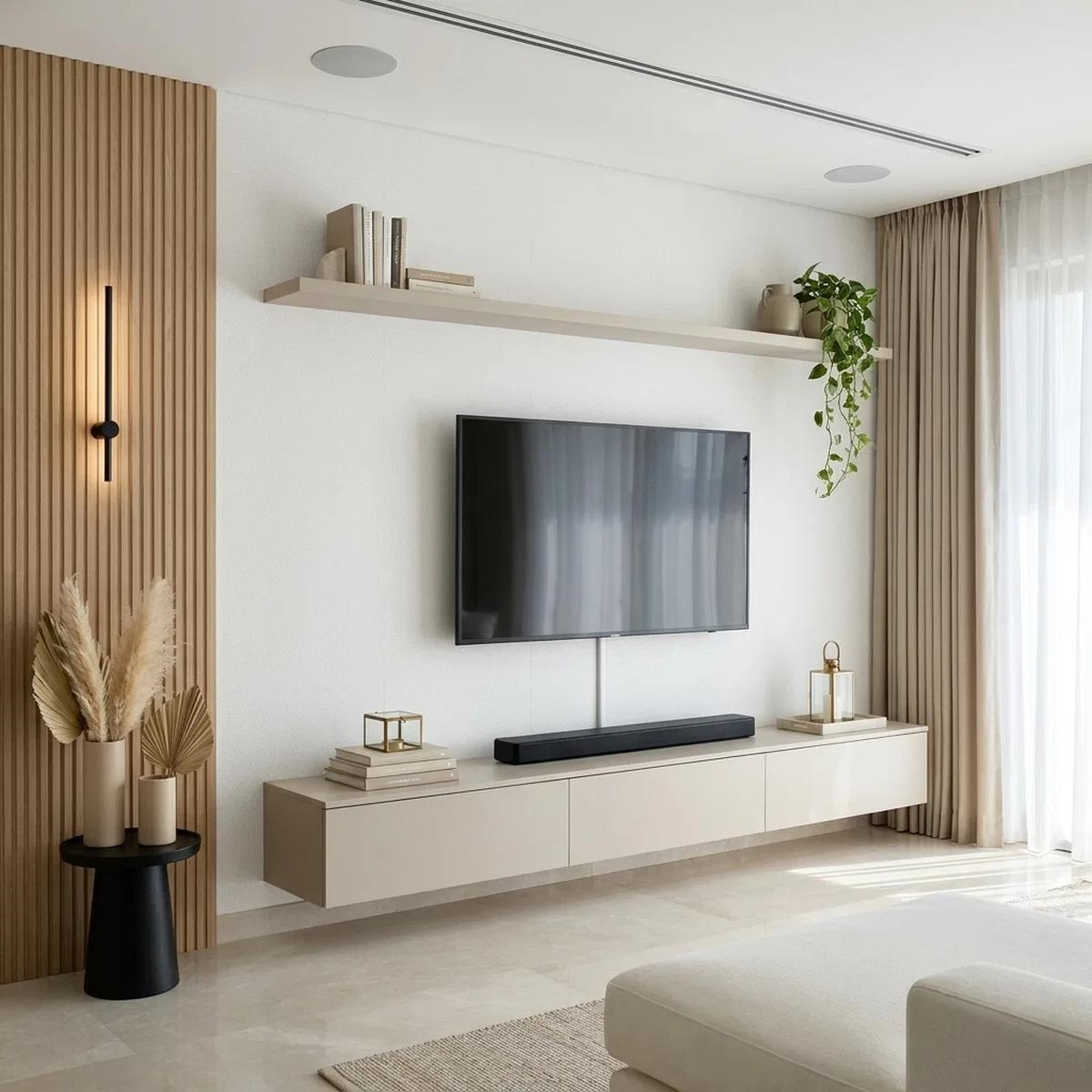
Combine a slim wall-mounted display with a floating cabinet and concealed wiring.
Neutral colors and simple furniture maintain a clean appearance.
Accent Wall With Ambient Lighting
Install the television against a wood-paneled, painted, or textured feature wall.
Subtle lighting behind the screen can create an inviting entertainment atmosphere without overwhelming the room.
Compact Bedroom Entertainment Setup
Mounting a television across from the bed can eliminate the need for a large TV cabinet.
Choose an appropriate height and adjustable bracket based on your usual viewing position.
Built-In Home Theater Wall
For larger living rooms, custom shelving and carefully positioned speakers can create a dedicated entertainment area.
Allow proper ventilation and access to equipment connections.
Common TV Wall Mounting Mistakes to Avoid
Several installation errors can affect safety, comfort, or appearance.
Mounting the screen too high: This can create uncomfortable viewing angles.
Using incompatible brackets: Always verify weight limits, mounting patterns, and approved hardware.
Ignoring wall construction: Incorrect fasteners or unsupported drywall installations can lead to serious failures.
Poor cable planning: Forgotten outlets and connections may require expensive adjustments later.
Skipping safety checks: Confirm that every required locking mechanism is engaged and the mount is secure.
For families with young children, the U.S. Consumer Product Safety Commission recommends properly securing televisions and furniture to reduce tip-over hazards.
Frequently Asked Questions About Wall-Mounted Televisions
1. Is it safe to mount a television on drywall?
Yes, when the mounting system is properly secured to suitable structural supports or uses an engineered anchoring method specifically approved for the TV, wall construction, and load.
Ordinary drywall alone should not be assumed to support a heavy television.
2. How high should a wall-mounted TV be?
A comfortable starting point is to position the center of the screen near seated eye level.
The final height depends on your furniture, screen size, viewing position, and room layout.
3. Can a 75-inch television be wall-mounted?
Many 75-inch televisions can be mounted safely using compatible brackets and adequately supported wall installations.
Check the manufacturer’s weight, mounting pattern, and handling instructions. Larger televisions generally require at least two people for lifting.
4. Is mounting a TV above a fireplace recommended?
It is possible in some homes, but heat exposure, wall construction, and viewing height must be evaluated carefully.
Follow the television manufacturer’s temperature and clearance requirements, and confirm that a safe installation is feasible.
5. How long does professional TV installation take?
A straightforward installation may take approximately one to two hours.
Complex mounting locations, concealed cables, structural reinforcement, and electrical modifications can require additional time.
6. Can wall-mounted televisions be moved later?
Yes. Most wall-mounted televisions can be removed by following the bracket manufacturer’s instructions.
Relocating the display may require new mounting hardware, suitable wall supports, and repairs to the original mounting holes.
Conclusion
Wall-mounted televisions provide an attractive and practical way to improve modern American homes. From saving floor space to creating organized entertainment areas, the right installation can enhance comfort, functionality, and interior design.
However, choosing compatible mounting hardware, identifying suitable wall supports, and planning safe electrical connections are essential.
Whether you prefer a simple fixed bracket or a flexible full-motion installation, prioritize secure mounting and comfortable screen placement.
With careful preparation and qualified professional assistance when needed, your wall-mounted television can become a stylish, dependable centerpiece for everyday entertainment.

Written by Twastia Editorial Team
Twastia Editorial Team shares practical insights about website design, SEO services, Google Ads, content marketing, social media, conversion rate optimization, and digital marketing strategy.
Last updated: Oct 13, 2026
Related posts from Twastia
Explore more useful articles from twastia.com about digital marketing, SEO, websites, ads, content, and growth strategy.