6 Common Home Plumbing Issues in Summer in Australia: Best Prevention Tips
Summer in Australia brings long sunny days, outdoor gatherings, backyard barbecues, and increased water use around the home. However, warmer […]
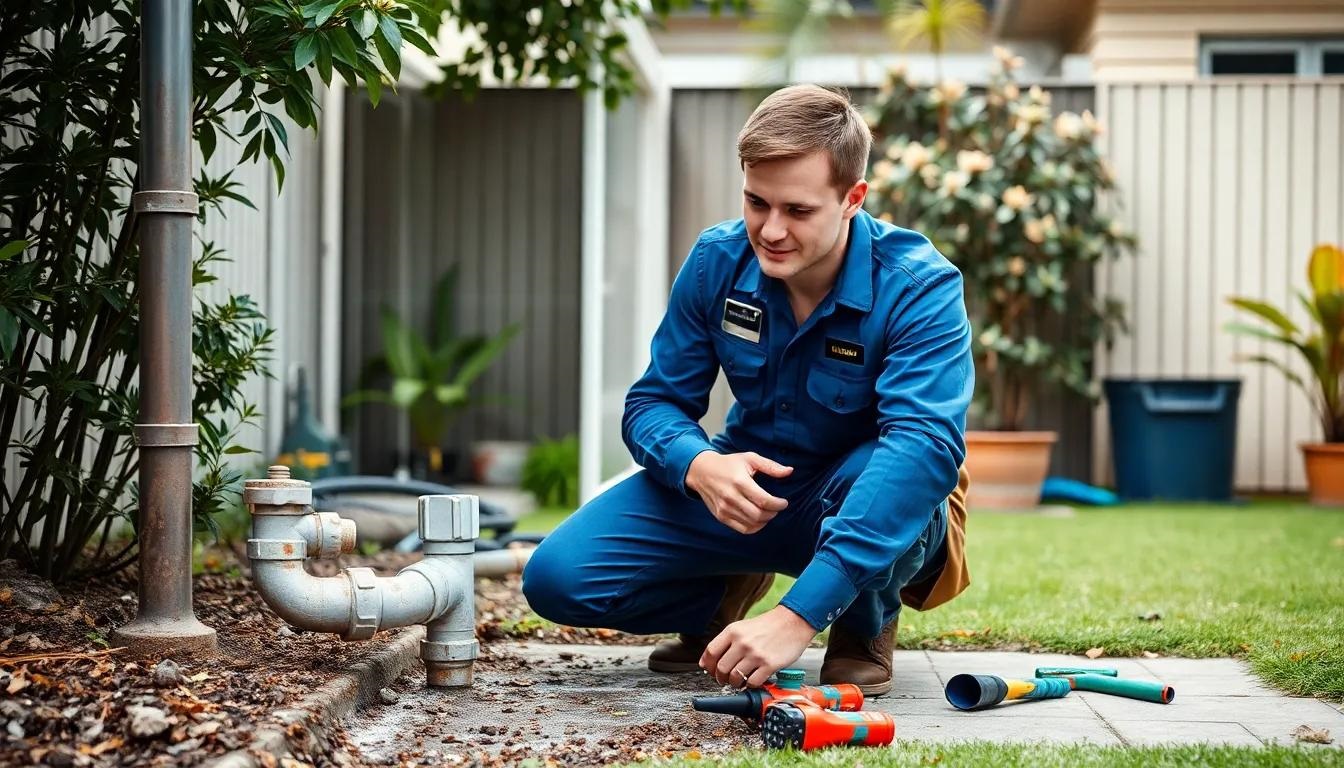
Summer in Australia brings long sunny days, outdoor gatherings, backyard barbecues, and increased water use around the home. However, warmer weather can also reveal plumbing problems that homeowners may not notice during other seasons.
From leaking outdoor taps to blocked drains and unexpected hot water system failures, plumbing issues can quickly interrupt everyday activities. Some problems develop gradually, while others become noticeable when household water demand increases or summer storms arrive.
Understanding the 6 common home plumbing issues in summer in Australia can help homeowners recognise warning signs, prevent unnecessary water waste, and avoid expensive emergency repairs.
Australia’s summer conditions vary considerably. Southern regions may experience prolonged hot, dry periods, while tropical and subtropical areas can face heavy rainfall and humid weather. These differences make seasonal plumbing maintenance particularly important.
This guide explains six common plumbing problems, their possible causes, warning signs, and practical ways to protect your property throughout the summer months.
1. Leaking Pipes and Outdoor Taps
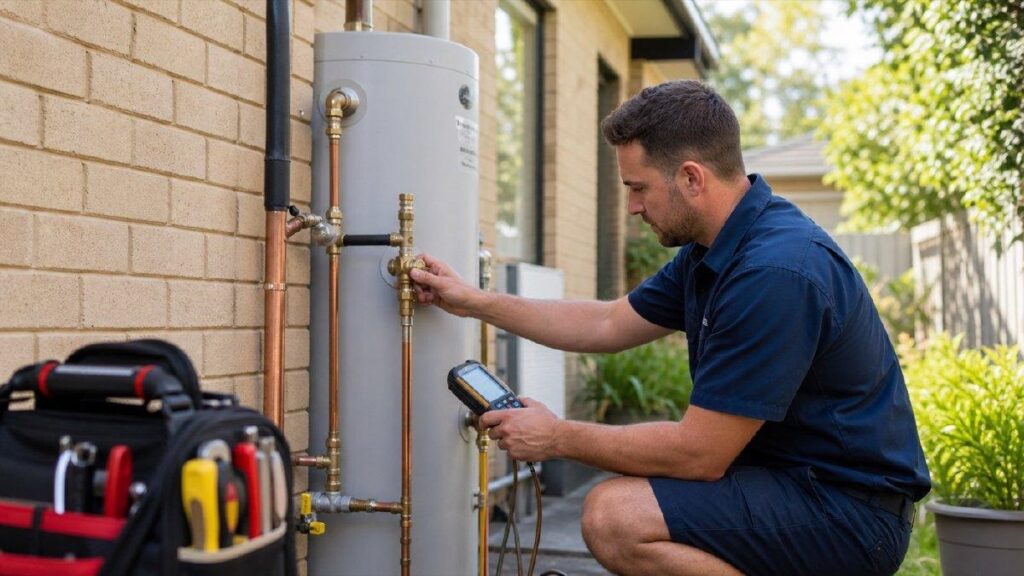
Leaking pipes and taps are among the most frustrating plumbing problems homeowners encounter. During summer, increased gardening, outdoor cleaning, and irrigation can make existing leaks more noticeable.
A small leak might seem harmless initially, but continuous water loss can increase household bills and contribute to moisture damage.
Why Do Pipes and Taps Leak During Summer?
Plumbing leaks can develop for several reasons, including ageing pipework, worn seals, damaged connections, corrosion, and physical damage.
Outdoor plumbing is particularly exposed to changing weather conditions. Pipes and fittings that experience prolonged sunlight or temperature fluctuations may deteriorate over time, depending on their materials and installation.
Frequent use of garden hoses and outdoor taps can also reveal loose fittings or existing weaknesses.
Common warning signs include:
- Water dripping from taps after they have been turned off.
- Unexpectedly damp areas around walls or flooring.
- Unusually green patches in otherwise dry lawns.
- A noticeable increase in water bills.
- Reduced water pressure at certain fixtures.
According to Sydney Water’s leak detection guidance, checking taps, toilets, irrigation connections, and water meters can help homeowners identify hidden leaks. sydneywater.com.au
How to Prevent Summer Water Leaks
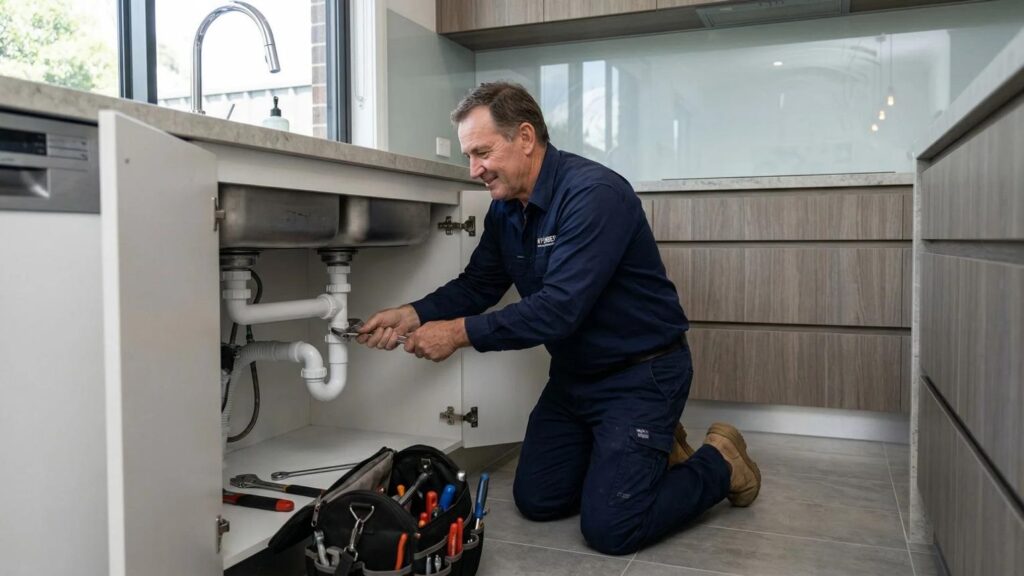
Inspect outdoor taps and hose connections before regularly watering your garden. Look for dripping fittings, cracked hoses, and moisture around exposed pipes.
You can also perform a simple water meter test. Turn off all water-using appliances, record the meter reading, avoid using water for at least an hour, and compare the reading.
If the meter changes, there may be a leak requiring further investigation.
Homeowners should arrange professional inspections when leaks are hidden, persistent, or difficult to locate. Early repairs can prevent a minor problem from becoming a major plumbing emergency.
2. Blocked Drains and Sewer Pipes
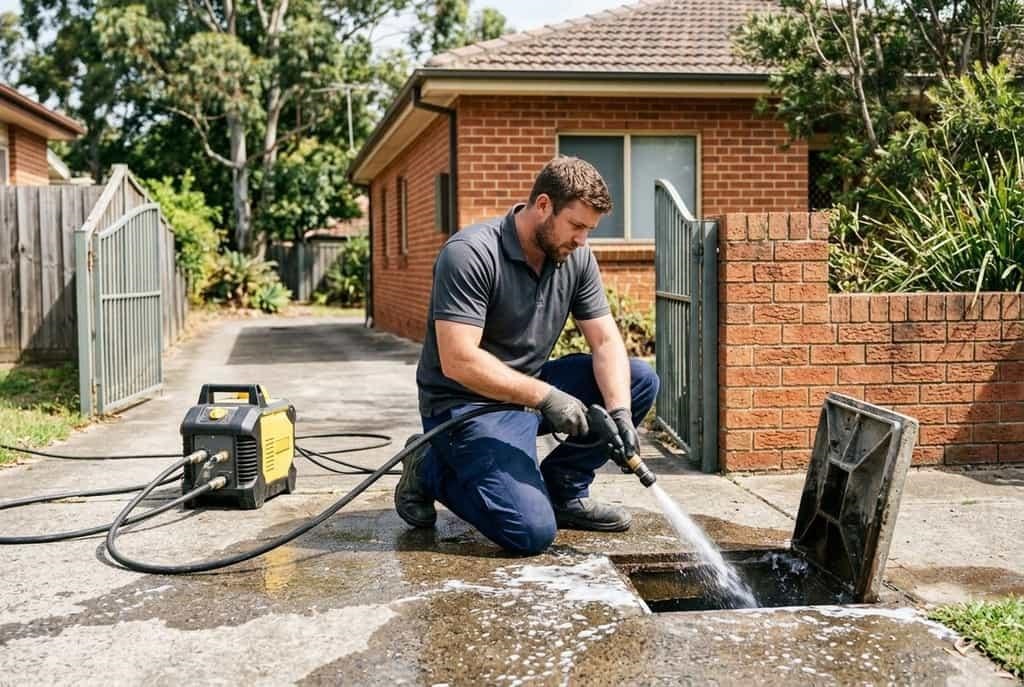
Blocked drains are another common concern during Australian summers. Kitchen sinks, bathroom drains, outdoor drainage systems, and sewer pipes can all develop obstructions.
These problems often become more noticeable when household water use increases or heavy rainfall affects drainage networks.
What Causes Blocked Drains in Summer?
Different types of drains become blocked for different reasons.
Kitchen drains may collect cooking oils, grease, and food waste. Bathroom drains can develop obstructions from hair, soap residue, and other debris.
Outside the home, fallen leaves, soil, and garden materials can obstruct surface drainage grates.
Tree roots can also enter existing cracks in underground sewer pipes. Once inside, roots may grow and restrict wastewater flow.
Sydney Water identifies tree roots, wet wipes, fats, oils, and stormwater entering wastewater networks as important contributors to blockages. sydneywater.com.au
Signs Your Drains May Be Blocked
Common symptoms include:
- Water draining slowly from sinks or showers.
- Gurgling sounds from toilets and floor drains.
- Unpleasant smells near drainage outlets.
- Wastewater backing up into fixtures.
- Overflowing external gullies.
- Recurring blockages despite temporary clearing.
These warning signs should not be ignored, particularly when several fixtures are affected simultaneously.
How to Prevent Drain Blockages
Avoid pouring cooking oils and grease into kitchen sinks. Instead, allow fats to cool and dispose of them appropriately.
Use drain strainers to catch food particles and hair. Only flush toilet paper and human waste down the toilet.
Outside, regularly remove leaves and debris from accessible stormwater grates, especially before forecast storms.
If roots or underground pipe damage are suspected, a licensed plumber may recommend a CCTV drain inspection.
Professional inspection can help identify the underlying cause without relying on repeated temporary fixes.
Avoid using harsh chemical drain cleaners unnecessarily, as they can create safety risks and may not resolve deeper blockages.
3. Low Water Pressure During Summer
Low water pressure can make everyday activities frustrating, particularly when showering, washing dishes, or watering the garden.
Although low pressure may occur at any time of year, increased household water usage during summer can make the problem more apparent.
What Causes Low Water Pressure?
Water pressure problems can originate inside the property or within the wider water supply network.
Possible causes include leaking pipes, partially closed isolation valves, blocked fittings, faulty pressure-reducing valves, or problems affecting the local supply.
If several taps or appliances operate simultaneously, available flow may also be divided between them.
It is important not to assume that hot weather alone causes low pressure.
The Australian Government’s Water Rating guidance recommends checking fitting blockages, pressure-reducing valve settings, and whether plumbing products suit the property’s water pressure. Water Rating
How to Identify the Problem
First, determine whether low pressure affects one fixture or the entire property.
If only one tap has poor flow, the issue may involve its aerator, cartridge, or another component.
If every tap has low pressure, check whether your water supplier has reported maintenance or supply interruptions.
You can also ask nearby neighbours whether they are experiencing similar problems.
A sudden, unexplained reduction in pressure may indicate a leak and should be investigated promptly.
How to Improve Water Pressure Safely
Start by checking that accessible valves are in their correct operating positions.
Clean removable tap aerators where the manufacturer permits it. Avoid adjusting pressure-reducing equipment without appropriate qualifications.
If pressure remains low, contact a licensed plumber to investigate.
A professional can determine whether the problem involves internal pipework, a faulty valve, an unsuitable fitting, or the external supply.
Fixing the actual cause is safer and more effective than attempting to increase pressure without understanding the system.
4. Hot Water System Problems
Hot water systems are essential throughout the year, even during Australia’s hottest months.
Although many people associate hot water problems with winter, system faults can happen during summer too.
An unexpected breakdown can disrupt showers, laundry, cleaning, and other household activities.
Common Summer Hot Water Problems
Hot water systems may experience problems involving thermostats, heating elements, valves, electrical components, gas controls, or ageing storage tanks.
Existing faults can become more noticeable when additional guests stay at the property and household hot water demand increases.
Signs of trouble include:
- Water temperatures that fluctuate unexpectedly.
- Hot water running out unusually quickly.
- Rust-coloured or cloudy hot water.
- Unusual sounds coming from the system.
- Water collecting around the tank or connections.
- Persistent dripping from a relief or expansion valve.
Some discharge from certain valves can be normal during heating cycles, but continuous or excessive leaking requires professional assessment.
How to Maintain Your Hot Water System
Inspect the area around your hot water system occasionally for obvious signs of moisture, corrosion, or damage.
Keep surrounding areas accessible and follow the manufacturer’s servicing recommendations.
Do not attempt to adjust electrical connections, gas components, temperature controls, or safety valves without the necessary qualifications.
If your system is approaching the end of its expected service life, arrange a professional assessment rather than waiting for a complete failure.
A plumber can advise whether repairs, maintenance, or replacement would be the most suitable option.
For outdoor systems, also ensure surrounding vegetation and stored items do not obstruct required ventilation or maintenance access.
Regular servicing can help identify developing faults and support reliable operation throughout the year.
5. Running Toilets and Faulty Plumbing Fixtures
A running toilet may not seem like an urgent plumbing problem, but it can waste substantial amounts of water when left unrepaired.
During summer, water conservation becomes particularly important in areas experiencing dry conditions or water restrictions.
A faulty toilet can continue wasting water even when nobody is actively using it.
Why Does a Toilet Keep Running?
Toilet cisterns contain components that control how water enters and leaves the tank.
Over time, seals may wear out, inlet valves can malfunction, and internal mechanisms may become misaligned.
When these parts stop working correctly, water can continuously flow into the toilet bowl.
Common symptoms include:
- A constant trickling sound.
- Water entering the bowl between flushes.
- A cistern repeatedly refilling.
- An unusually high household water bill.
- Difficulty flushing properly.
These symptoms may develop gradually, making the problem easy to overlook.
How to Check for Toilet Leaks
One straightforward method involves placing a small piece of dry toilet paper against the back of the toilet bowl after flushing.
Once the flush has finished, the paper should remain dry until the next flush.
If water continuously enters the bowl, the cistern may be leaking.
Sydney Water recommends regularly checking toilets for these signs because an unnoticed running toilet can waste significant amounts of water. sydneywater.com.au
How to Prevent Toilet Problems
Pay attention to changes in flushing performance and unusual refilling sounds.
Avoid placing unnecessary pressure on flush buttons or handles, and never dispose of wet wipes or sanitary products in the toilet.
If internal cistern components are faulty, arrange an appropriate repair.
Simple maintenance may solve some problems, but persistent leaks or recurring flushing failures should be assessed by a licensed plumber.
Addressing toilet issues early can reduce water waste and help maintain efficient household plumbing.
6. Stormwater Drainage and Outdoor Plumbing Problems
Summer storms are a major consideration for homeowners in many parts of Australia, particularly in Queensland and other regions that experience intense seasonal rainfall.
Heavy downpours can expose drainage problems that remain unnoticed during dry weather.
Blocked stormwater grates, damaged drainage pipes, and poor surface drainage can all contribute to water accumulating around a property.
Why Do Summer Storms Cause Drainage Issues?
Stormwater drainage systems are designed to carry rainwater away from roofs, driveways, and other surfaces.
However, exceptionally heavy rainfall may exceed their capacity.
Leaves, sediment, and garden debris can make matters worse by obstructing drainage points.
Stormwater and wastewater are separate systems. When excessive rainwater enters a sewerage network, it can contribute to sewer overflows and wastewater backups.
Urban Utilities explains that heavy rainfall entering sewer networks can overwhelm their capacity and cause overflows. urbanutilities.my.site.com
Warning Signs of Stormwater Problems
Look for water pooling near foundations, overflowing drainage pits, recurring puddles across paved areas, or water flowing towards doorways.
Water entering garages or lower-level rooms during rainfall may also indicate a serious drainage concern.
Other warning signs include erosion around drainage outlets, unpleasant sewer odours, or wastewater appearing in unexpected locations.
How to Prepare Your Plumbing for Summer Storms
Inspect accessible drainage grates before the summer storm season.
Remove loose leaves and surface debris without entering pits or attempting unsafe excavation.
Keep roof gutters and downpipes maintained, using qualified professionals for work at heights.
Check whether outdoor drainage points remain clear after landscaping or garden maintenance.
If water repeatedly collects around the home, consult a licensed plumber or suitably qualified drainage professional.
Never connect stormwater drainage directly to sewer pipes without the necessary approvals and compliant design.
Correct drainage maintenance can reduce the likelihood of flooding, erosion, and moisture damage during intense rainfall.
Essential Summer Plumbing Maintenance Tips for Australian Homeowners
Preventive maintenance can help reduce the risk of unexpected plumbing emergencies.
Instead of waiting until a fixture stops working, take time to inspect your home before summer temperatures rise.
Create a Simple Summer Plumbing Checklist
Consider including these tasks in your seasonal home maintenance routine:
- Inspect indoor and outdoor taps for dripping or moisture.
- Check garden hose connections and irrigation equipment.
- Monitor water meter readings for unexplained usage.
- Clear accessible outdoor drainage grates.
- Check toilets for continuous running water.
- Look for leaks around hot water systems.
- Monitor unusual changes in water pressure.
- Arrange professional inspections for recurring problems.
Homeowners should also familiarise themselves with the location of their main water shut-off valve.
Knowing how to isolate the water supply can help limit damage if a pipe suddenly bursts.
Know When to Call a Licensed Plumber
Not every plumbing issue requires emergency assistance, but some situations need immediate professional attention.
Contact a plumber promptly if you discover a burst pipe, significant water leak, sewage backup, or rapidly spreading water damage.
If water is close to electrical equipment, avoid touching affected appliances or switches and seek appropriate emergency assistance.
Australian plumbing work is regulated, and licensing requirements vary between states and territories.
For repairs beyond permitted minor maintenance, choose a properly licensed professional who can identify the cause and complete the work safely.
Frequently Asked Questions About Summer Plumbing Problems in Australia
What Are the Most Common Plumbing Problems During Australian Summer?
Common problems include leaking taps, blocked drains, low water pressure, faulty hot water systems, running toilets, and stormwater drainage issues. Their frequency depends on the condition of the property, household water usage, local climate, and existing plumbing infrastructure.
Can Extreme Heat Cause Water Pipes to Burst?
Heat can cause some pipe materials to expand, and prolonged exposure may affect unsuitable or deteriorating materials. However, burst pipes usually involve additional factors such as damage, excessive pressure, corrosion, or installation defects. Hot weather alone does not mean healthy pipes will burst.
Why Do My Drains Smell Worse During Summer?
Warm temperatures can make existing drain odours more noticeable. Common causes include accumulated organic waste, blocked drains, dry water traps, or sewer ventilation problems. Persistent unpleasant smells should be investigated, particularly if accompanied by slow drainage or gurgling sounds.
How Often Should Home Plumbing Be Inspected?
Homeowners should perform basic visual checks regularly and arrange professional inspections when warning signs appear. Older properties, recurring blockages, and ageing hot water systems may benefit from more frequent professional attention. The appropriate schedule depends on the plumbing system’s condition and manufacturer recommendations.
How Can I Reduce Water Waste During Summer?
Repair dripping taps, address running toilets, check irrigation connections, and monitor your water meter. Water-efficient fixtures can also help reduce consumption. Always follow any applicable local water restrictions and use water-efficient gardening practices.
Should I Call an Emergency Plumber for a Blocked Drain?
A slow-draining sink may not require emergency assistance. However, sewage overflowing into living areas, multiple blocked fixtures, or wastewater backing up into toilets and showers can require urgent attention. Stop using affected fixtures and contact a licensed plumber.
Conclusion
Understanding the 6 common home plumbing issues in summer in Australia is an important step towards keeping your property safe, comfortable, and water-efficient.
Leaking pipes, blocked drains, low water pressure, hot water system faults, running toilets, and stormwater problems can all disrupt household routines and lead to costly repairs when ignored.
Fortunately, many plumbing problems provide early warning signs. Regular inspections, responsible water usage, timely maintenance, and professional assistance can significantly reduce the risk of unexpected emergencies.
Before the next Australian summer begins, inspect your plumbing fixtures, prepare outdoor drainage systems, and address minor issues before they become serious.
A little preventive maintenance today can help protect your home, conserve water, and avoid unnecessary plumbing expenses tomorrow.

Written by Twastia Editorial Team
Twastia Editorial Team shares practical insights about website design, SEO services, Google Ads, content marketing, social media, conversion rate optimization, and digital marketing strategy.
Last updated: Nov 4, 2026
Related posts from Twastia
Explore more useful articles from twastia.com about digital marketing, SEO, websites, ads, content, and growth strategy.