Designing Interiors: A Guide to Beautiful Home Design
A beautiful home does more than impress guests. It supports your routines, reflects your personality, and makes everyday life easier. […]
A beautiful home does more than impress guests. It supports your routines, reflects your personality, and makes everyday life easier. Yet designing a room can feel overwhelming when you are choosing paint colors, furniture, lighting, storage, and finishes all at once. The secret is not buying more decor. It is making thoughtful decisions in the right order.
Whether you live in a suburban house, a city apartment, or a compact condo, the basics of designing interiors remain the same: understand how the space will be used, create a comfortable layout, and build a consistent look around your needs. This guide walks you through a practical process, from planning your first room to adding the finishing touches without overspending.
Why Thoughtful Interior Design Matters
Good interior design balances appearance with everyday function. A stunning sofa is not useful if it blocks the hallway. An all-white kitchen may look beautiful in photos but may not suit a household that needs easy-care finishes. The best choices account for traffic, comfort, maintenance, and the people who live in the home.
1. Start With Your Lifestyle, Not a Shopping List
Identify What Each Room Needs to Do
Before choosing a design style, write down the activities that happen in each room. Does your living room host movie nights, visiting family, or a work-from-home setup? Does the dining area need to handle homework as well as dinner? Your answers determine furniture sizes, storage needs, and lighting choices.
Think about common frustrations, too. If shoes pile up by the front door, add an entryway storage solution. If the kitchen counter is always cluttered, prioritize drawers, shelves, and dedicated appliance space before selecting decorative accessories.
Build a Realistic Project Brief
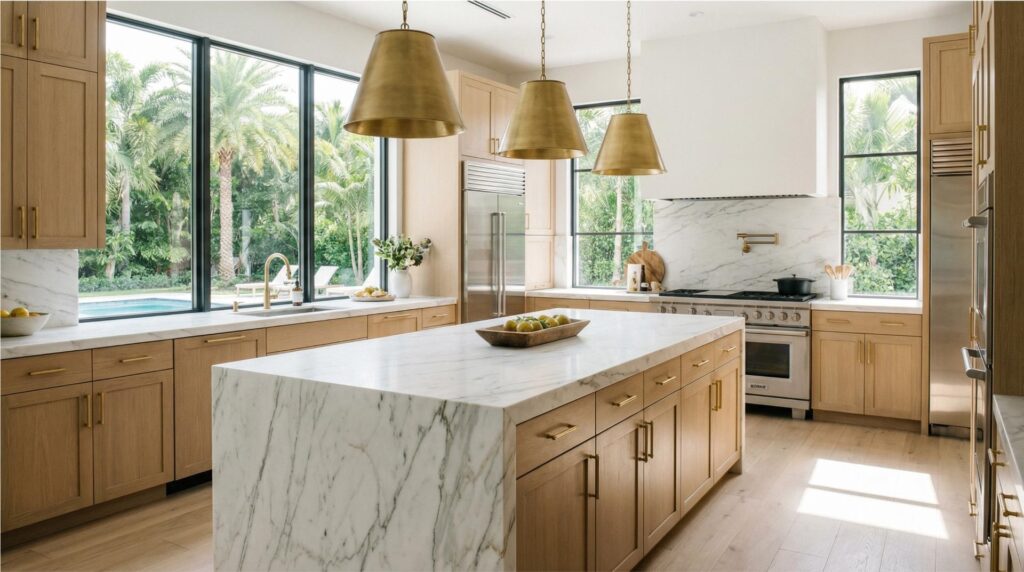
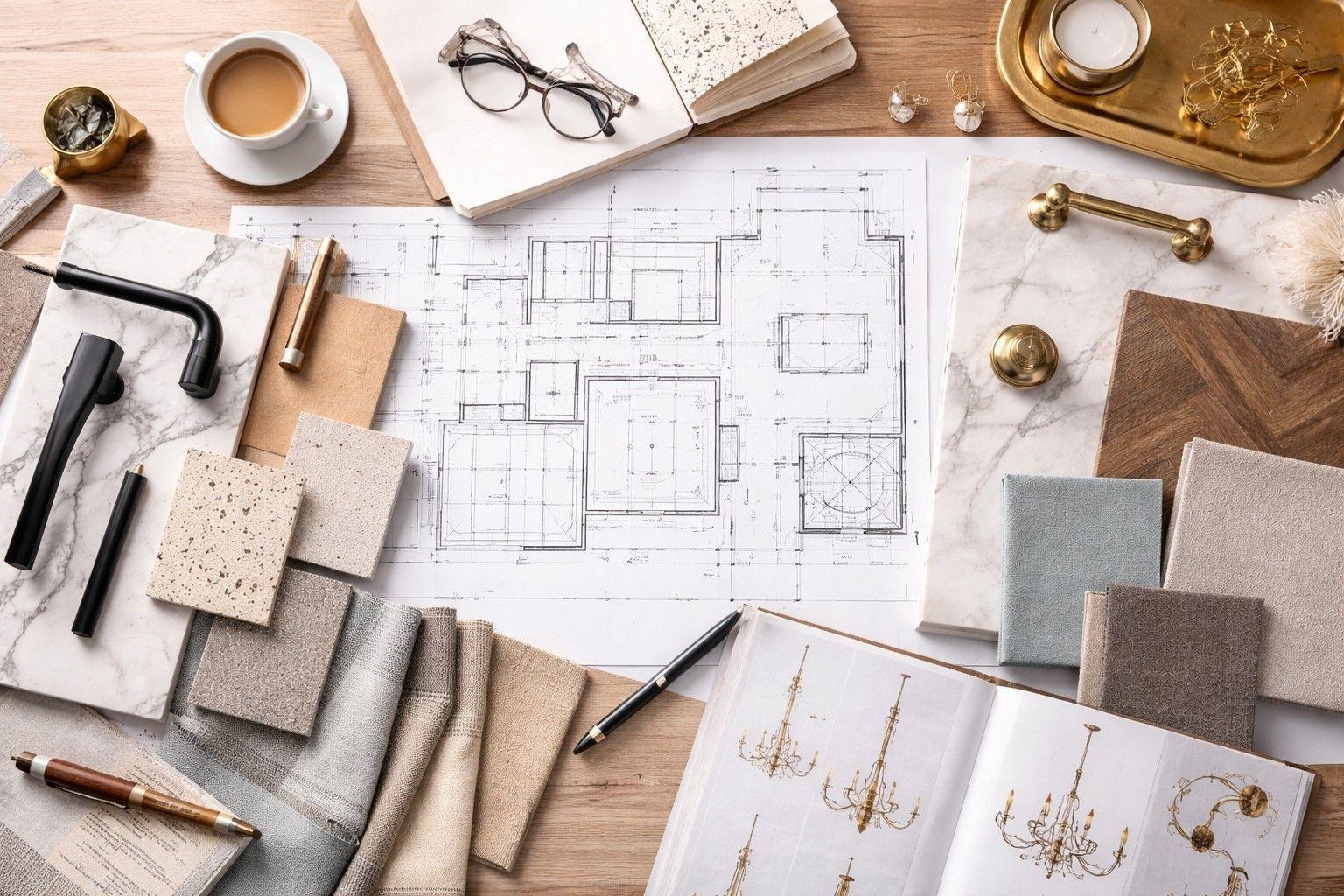
List your must-haves, nice-to-haves, and items you can keep. Take photographs and measurements, note the locations of outlets and windows, and identify any structural changes that would require professional help. A simple room plan saves time later because every purchase has to serve a clear purpose.
2. Choose a Style That Feels Like You
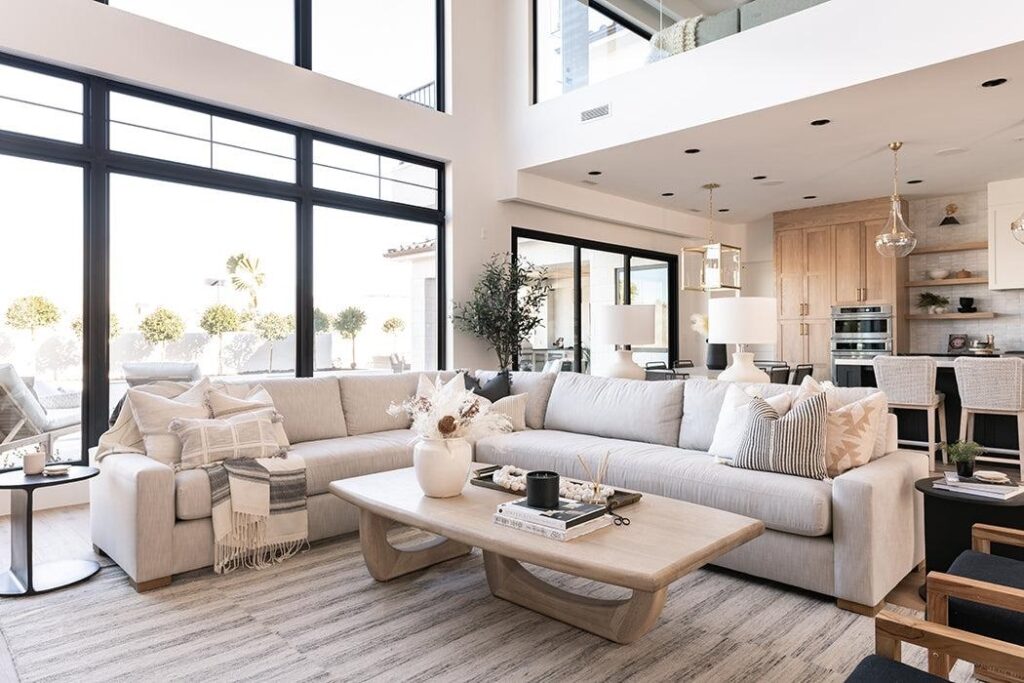
Interior design styles are useful starting points, not strict rules. Modern design favors clean lines and uncluttered surfaces. Traditional rooms often include classic shapes, detailed woodwork, and layered textiles. Scandinavian-inspired interiors emphasize light, simplicity, and warmth, while transitional design blends classic and contemporary pieces.
Create a small mood board with inspiration images, material samples, and three words that describe your goal, such as “calm, warm, practical.” When you see an appealing item online, check whether it fits those words before adding it to your cart.
If you need inspiration, browsing resources such as Designing Interiors can help you explore different approaches to styling a space.
3. Plan the Layout Before Buying Furniture
Measure for Comfortable Movement
A room works best when people can move through it naturally. Measure the space, including doors, window openings, and existing furniture. Make a scale sketch or use a simple room-planning app to test arrangements. In frequently used walkways, aim for roughly 30 to 36 inches of clearance where space allows.
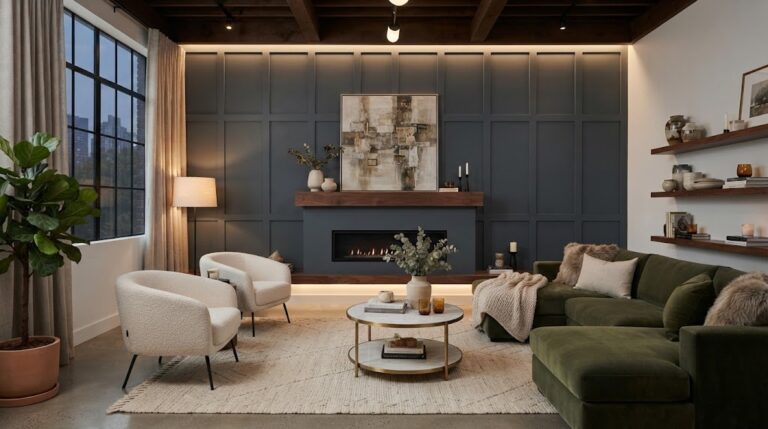
Choose a focal point, such as a fireplace, window, or TV wall, then arrange major furniture around it. Do not assume everything must sit against the walls. In a larger living room, pulling seating inward can create a comfortable conversation area and make the room feel intentional.
Check Proportion and Scale
A huge sectional can overwhelm a modest room, while a tiny rug beneath large furniture may make the arrangement feel disconnected. Use painter’s tape on the floor to mark the dimensions of sofas, tables, islands, or beds before ordering. This inexpensive step helps prevent costly returns and awkward furniture placement.
4. Build a Cohesive Color and Material Palette
Start with a base color for large surfaces, a supporting color for furniture or textiles, and one or two accents for personality. Warm whites, soft grays, earthy greens, and muted blues can all form flexible backdrops. The right choice depends on your daylight, flooring, and the feeling you want to create.
Test paint samples on more than one wall and view them in morning and evening light. Colors can look dramatically different under warm bulbs, cool daylight, and shadows. Rather than selecting everything from a screen, compare physical samples where possible.
Materials are equally important. Mix smooth finishes with textured ones: perhaps a leather chair, linen curtains, a woven rug, and a wooden coffee table. Repeating a metal finish or wood tone across several rooms helps the home feel connected without making every room look identical.
5. Layer Lighting for Comfort and Flexibility
Lighting is one of the easiest design elements to overlook. Relying on a single overhead fixture can leave corners dark and create harsh shadows. A stronger plan combines three layers: ambient lighting for general visibility, task lighting for activities, and accent lighting to highlight art or architectural details.
In a kitchen, recessed or ceiling lights may provide general illumination while under-cabinet lighting improves visibility during food preparation. A bedroom benefits from bedside lamps or sconces, and a living room feels more inviting with a combination of floor lamps and table lamps.
Choose bulbs with a consistent color temperature within each area so the light does not feel mismatched. Dimmers are especially helpful in multipurpose rooms because they let you move from bright, practical light to a softer evening atmosphere.
6. Design Each Room Around Its Purpose
Living Room: Balance Gathering and Relaxation
Start with comfortable seating and a layout that supports conversation. Position the coffee table within easy reach, but leave enough space to walk around it. A properly sized rug helps define the seating area, while side tables and accessible lighting make the room practical. Add cushions, art, and personal objects only after the main furniture is in place.
Kitchen: Prioritize Workflow and Easy Maintenance
Consider how you move between food storage, preparation, cooking, and cleanup. Keep frequently used tools close to where you need them, and use drawers or organizers to reduce countertop clutter.
Select cabinet finishes, backsplash materials, and counters based on cleaning needs and durability, not appearance alone. For a remodel, consult qualified tradespeople before changing electrical or plumbing locations.
Bedroom: Create a Restful Retreat
Give the bed a clear position and preserve comfortable access on both sides when possible. Use window coverings that suit your sleep preferences, provide bedside storage, and avoid filling every surface with accessories. Soft textures and restrained color combinations often make a bedroom feel calmer than numerous competing patterns.
Bathroom: Combine Beauty With Practicality
Bathrooms need effective ventilation, suitable lighting, and surfaces appropriate for moisture. Thoughtful vanity storage can keep everyday products out of sight.
If renovating, prioritize slip resistance and accessible clearances as well as tile patterns and fixtures. Good mirrors and layered lighting can make even a small bathroom feel polished.
Home Office: Support Focus and Comfort
Place your desk where glare will not dominate the screen. Choose an adjustable chair, maintain a comfortable monitor height, and provide task lighting.
Closed storage hides paperwork, while a limited amount of artwork or greenery adds warmth. If the office shares another room, a shelving unit or area rug can help define its boundaries.
7. Make Small Spaces Work Harder
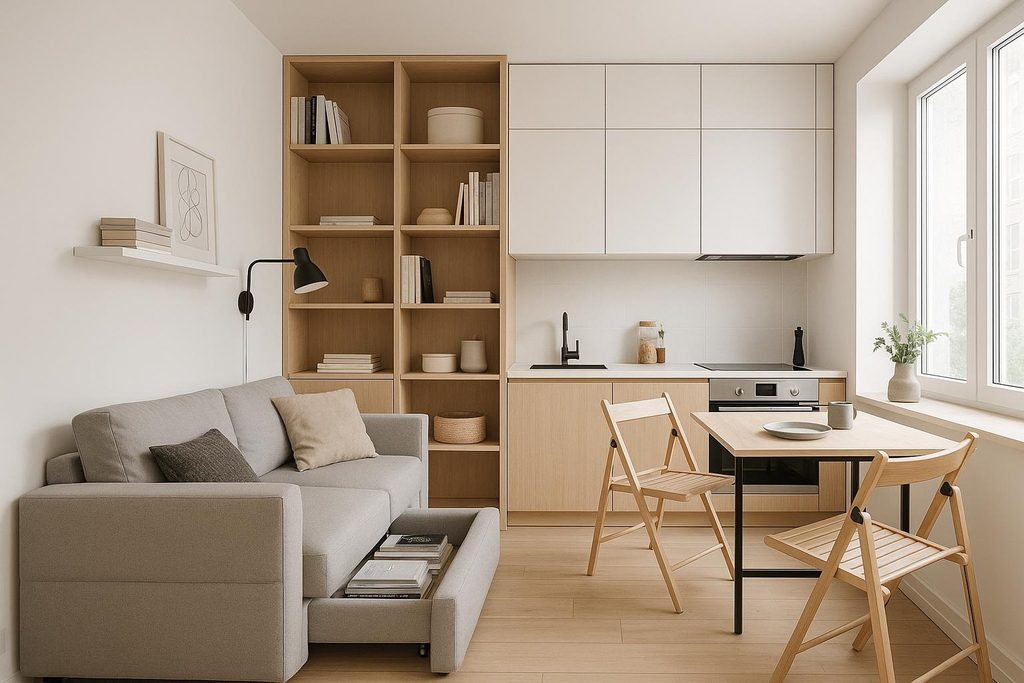
Designing interiors in a small home requires careful editing. Choose furniture that earns its footprint, such as an ottoman with storage, a dining table that extends, or a bed with drawers beneath it. Wall-mounted shelves free up floor space, and furniture with visible legs can make the room feel less crowded.
Mirrors can reflect available light, but placement matters more than size. Hang one where it reflects a window or an attractive view rather than a cluttered corner.
Use a limited range of finishes and avoid too many tiny accessories, which can make a compact room appear busy. Above all, keep pathways clear.
8. Create a Budget With Room for Surprises
A smart budget begins with priorities. Spend more on pieces that affect comfort or get heavy use, such as a mattress, sofa, or daily dining chairs. Look for savings in smaller decorative items, secondhand furniture, or improvements you can handle safely yourself.
Price the complete project, not just the obvious furniture. Include delivery, installation, window treatments, rugs, paint supplies, and possible repairs.
For renovations, reserve a contingency for surprises discovered after work begins. Buying in phases is perfectly reasonable: finish the essentials first, live with the room, and then choose accessories once you understand what is missing.
9. Design for Longevity and Responsible Choices
A timeless home does not have to look plain. Choose quality pieces you genuinely like, then introduce trend-driven colors through easier-to-replace items such as pillows, throws, and artwork.
Repairing an existing piece or refinishing a solid-wood table may deliver more character than buying something new.
When selecting materials, consider durability, cleaning requirements, and indoor air quality. Look for low-emission paint and finish options where appropriate, and select efficient lighting and appliances that suit your needs.
Durable materials and thoughtful purchases can reduce waste while creating a home that feels personal rather than disposable.
10. Avoid Common Interior Design Mistakes
The most frequent mistakes are not dramatic; they are small decisions that compound. Buying furniture before measuring, choosing paint before checking samples, and placing all light sources on one switch can undermine an otherwise beautiful room.
Another common issue is decorating for a photograph instead of real life. An immaculate white couch may not be the best choice for a busy household with pets and young children.
Similarly, matching every piece perfectly can make a room feel flat. Aim for coordination, not duplication, and leave some empty space so your favorite objects can stand out.
When Should You Hire an Interior Designer?
You may be able to refresh a room with your own plan, especially when changes are limited to paint, furniture, and decor. A professional designer becomes more valuable when you are coordinating several rooms, making expensive material decisions, planning cabinetry, or handling a major renovation.
Before hiring, review a designer’s portfolio and ask about services, fees, timelines, and how purchasing decisions are approved. A clear brief and budget help both sides avoid misunderstandings. For structural, electrical, or plumbing work, make sure appropriately licensed professionals are involved under your local requirements.
Frequently Asked Questions About Designing Interiors
What Is the First Step in Designing a Home Interior?
Start by identifying how you use each space, what is not working, and what you want to change. Measure the room and decide on a realistic budget before shopping. Function should guide the design direction.
How Can I Make My Home Look Professionally Designed on a Budget?
Use a consistent color palette, improve lighting, choose correctly sized rugs, and reduce clutter. Rearranging existing furniture and upgrading window treatments can make a noticeable difference without a complete renovation.
What Colors Make a Small Room Feel Bigger?
Light, consistent wall colors can help create an airy appearance, but there is no universal rule. Good lighting, furniture scale, and uncluttered sightlines are often just as important. Deep colors can also work beautifully in small rooms when used intentionally.
Should All Rooms in a House Have the Same Style?
No. Each room can express a different mood, but repeating a few materials, colors, or design details creates continuity. The goal is a home that feels connected rather than identical from room to room.
Can I Design My Interiors Without Hiring a Professional?
Yes, especially for furniture arrangements, decor, and cosmetic updates. Professional guidance may be useful for complex layouts, custom built-ins, or costly renovations. Always use qualified tradespeople for work that requires permits or specialized skills.
Conclusion: Create a Home That Works for You
Successful interior design is not about copying a showroom. It is about pairing beauty with practical decisions that suit your life.
Start with your needs, plan the layout, choose a clear palette, layer the lighting, and buy thoughtfully.
Whether you are refreshing one room or planning an entire home, a patient, purpose-driven approach to designing interiors will help you create spaces that feel welcoming, functional, and unmistakably yours.

Written by Twastia Editorial Team
Twastia Editorial Team shares practical insights about website design, SEO services, Google Ads, content marketing, social media, conversion rate optimization, and digital marketing strategy.
Last updated: Oct 13, 2026
Related posts from Twastia
Explore more useful articles from twastia.com about digital marketing, SEO, websites, ads, content, and growth strategy.