Fireplace Store Billings MT: 2026 Buying Guide
A fireplace can make a Montana living room feel welcoming while providing extra warmth during long winter evenings. But shopping […]
A fireplace can make a Montana living room feel welcoming while providing extra warmth during long winter evenings. But shopping for one involves much more than picking a beautiful surround. Fuel type, ventilation, heating capacity, installation requirements, and ongoing maintenance all affect whether the finished system fits your home.
If you are searching for a fireplace store Billings MT, this guide will help you compare gas, wood, pellet, and electric options without overlooking the details that matter. Billings homeowners must account for cold weather, varied floor plans, local building requirements, and the cost of running heating equipment.
Below, you will learn what to ask a fireplace retailer, how to plan an installation, which safety precautions matter, and how to choose a design that suits your budget and lifestyle.
Why Visit a Fireplace Store in Billings, Montana?
A local hearth specialist can help you compare real appliance sizes, flame appearances, control options, and installation configurations. Product photographs rarely communicate how a unit looks at different flame settings or how far its face projects into a room.
A knowledgeable retailer should also discuss available fuels, chimney conditions, manufacturer clearances, and whether a proposed model can serve as supplemental heat. Ask whether design advice, installation, inspection, and future servicing are provided directly or through separate contractors.
Shopping locally can simplify communication, but never assume a store is licensed for every type of work or has a particular brand in stock. Verify its current operations and credentials before placing an order.
Types of Fireplaces Available for Montana Homes
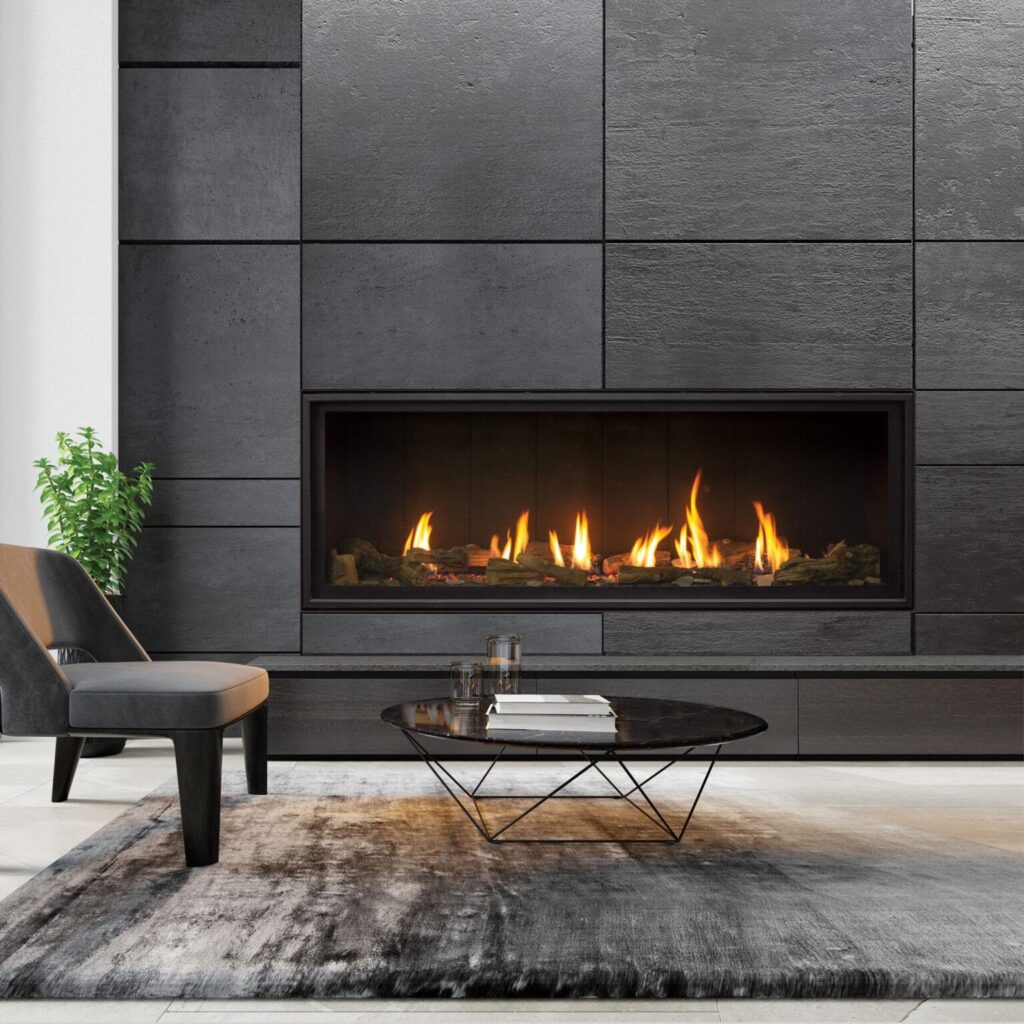
Gas Fireplaces: Convenient Heat and Ambiance
Gas fireplaces use natural gas or propane and commonly offer electronic ignition, adjustable flames, and optional thermostatic controls. Direct-vent models draw combustion air from outside and discharge exhaust outdoors through an approved vent system. This separates combustion from the indoor air more effectively than an open fireplace.
Gas models may suit homeowners who want realistic flames without storing firewood. Consider fuel availability, service access, annual operating costs, and whether the unit requires electricity for particular features.
Avoid assuming that unvented gas appliances are permitted or suitable. Ask the local building authority and a qualified installer about code restrictions and indoor air quality.
Wood-Burning Fireplaces: Traditional Character
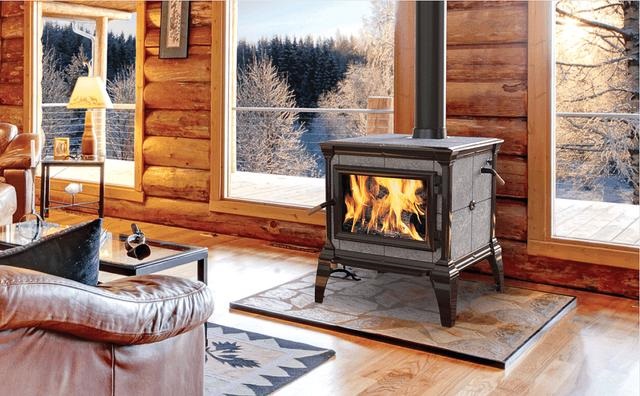
Wood fires provide the sounds, fragrance, and appearance many people associate with mountain homes. However, an open masonry fireplace is often less effective as a room heater than a properly designed enclosed appliance.
Wood use also involves ash disposal, chimney maintenance, dry fuel storage, and smoke emissions. For substantial heating, ask about EPA-certified wood stoves or compatible inserts rather than judging performance by firebox size alone.
Pellet Stoves: Controlled Solid-Fuel Heating
Pellet appliances burn manufactured pellets through a controlled feed system. They can provide steady supplementary heat and may offer programmable settings.
Most require electrical power for feeding and ventilation components, so ask about outage behavior. Availability, dry pellet storage, cleaning access, and replacement parts are important long-term considerations.
Electric Fireplaces: Flexible Appearance
Electric fireplaces create a simulated flame effect, often with a separate electric heater. Some can display flames without producing heat, which is useful in warmer months.
They avoid combustion and chimney requirements, but their heating output depends on electrical capacity and the model. Built-in units still require suitable electrical installation and manufacturer-specified clearances.
Fireplace Inserts vs. New Fireplace Installations
An insert is designed to fit an existing compatible fireplace opening and improve its functionality. Inserts may burn gas, wood, or pellets, depending on the specific model.
A new fireplace installation is different. It may require framing, an approved enclosure, a vent route, gas piping, electrical work, and a finished surround.
Before buying an insert, obtain measurements of the existing firebox, chimney information, and photographs of the area. A qualified professional must verify compatibility; an insert cannot safely be placed in every factory-built fireplace.
Choosing the Right Heating Capacity
Manufacturers usually express heat output in British thermal units per hour, abbreviated BTU/h. A higher number does not automatically mean a better appliance.
Room dimensions, insulation, ceiling height, air leakage, and connection to adjoining spaces all influence heat demand. Oversized equipment can make a small room uncomfortable, while undersized equipment may not provide useful warmth.
Ask a qualified installer to distinguish input rating from delivered heat output and evaluate the model’s tested efficiency. If you already use a central furnace, decide whether the fireplace is mainly decorative or intended to supplement whole-home heating.
Fireplace Design Ideas for Billings Homes
Rustic Stone Hearths
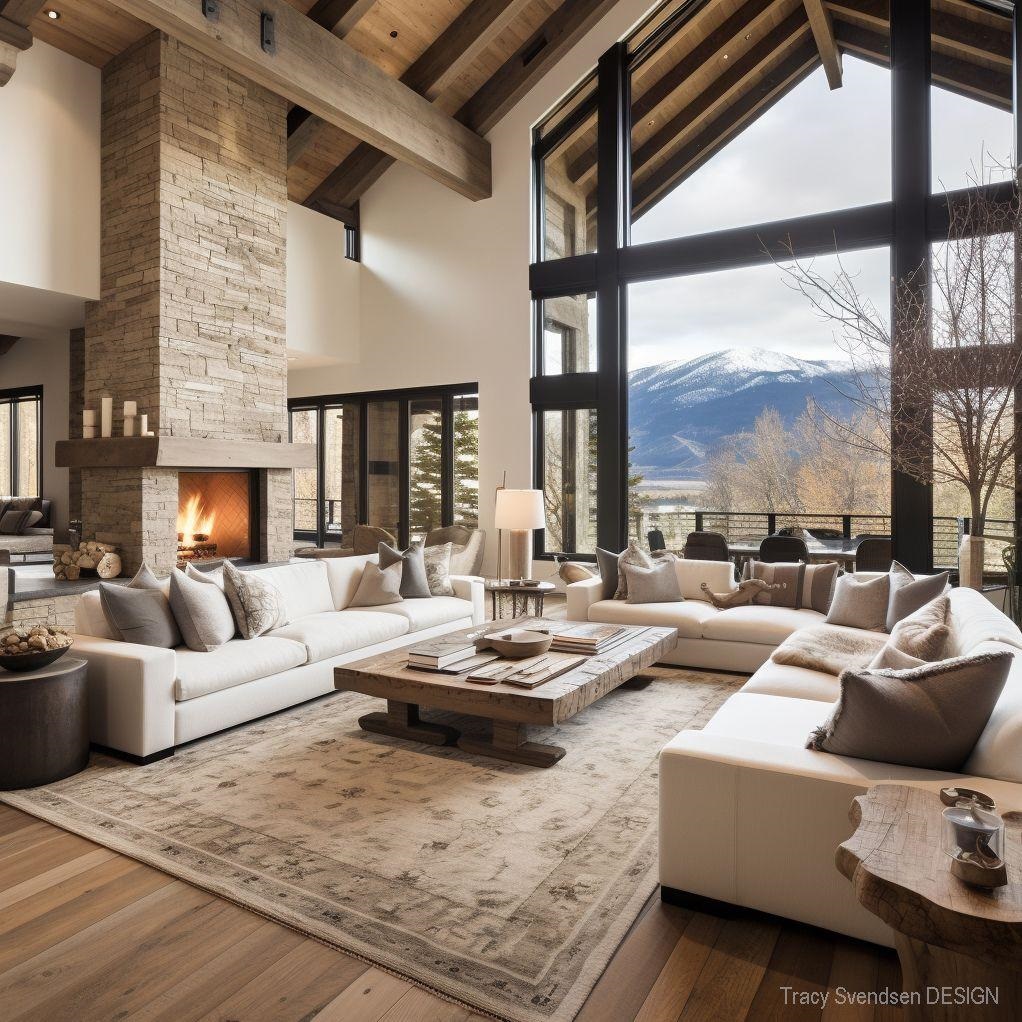
A natural-looking stone surround and solid-wood mantel can complement Montana’s mountain-inspired interiors. Choose finishes that work with existing flooring and furniture rather than adding competing textures.
Combustible mantel clearance is not a decorative preference: it must follow the particular appliance’s installation instructions.
Modern Linear Fireplaces
A wide linear gas or electric unit can become a focal point in a contemporary living room. Neutral plaster, porcelain tile, or approved stone finishes can create a clean appearance.
When installing a television above a fireplace, follow both manufacturers’ temperature and mounting requirements. Do not assume a mantel automatically protects electronics.
Traditional Fireplace Refreshes
A dated surround may be improved through approved tile, hearth, or mantel updates. Before changing anything near the firebox, have the existing structure and venting assessed.
Design changes must preserve access panels, required noncombustible materials, and safe operating clearances.
Fireplace Installation and Permits in Billings
A fireplace is a heating appliance, not simply a piece of furniture. Gas piping, mechanical venting, structural work, and electrical connections may require permits or inspections.
The City of Billings maintains a Building Division and publishes local adopted building and mechanical codes. Montana also administers mechanical permitting where state jurisdiction applies. Requirements depend on location and project scope, so confirm them before work begins.
A practical installation sequence includes a site assessment, model selection, written quotation, permits when required, preparation of utilities and venting, appliance placement, finish work, and final testing.
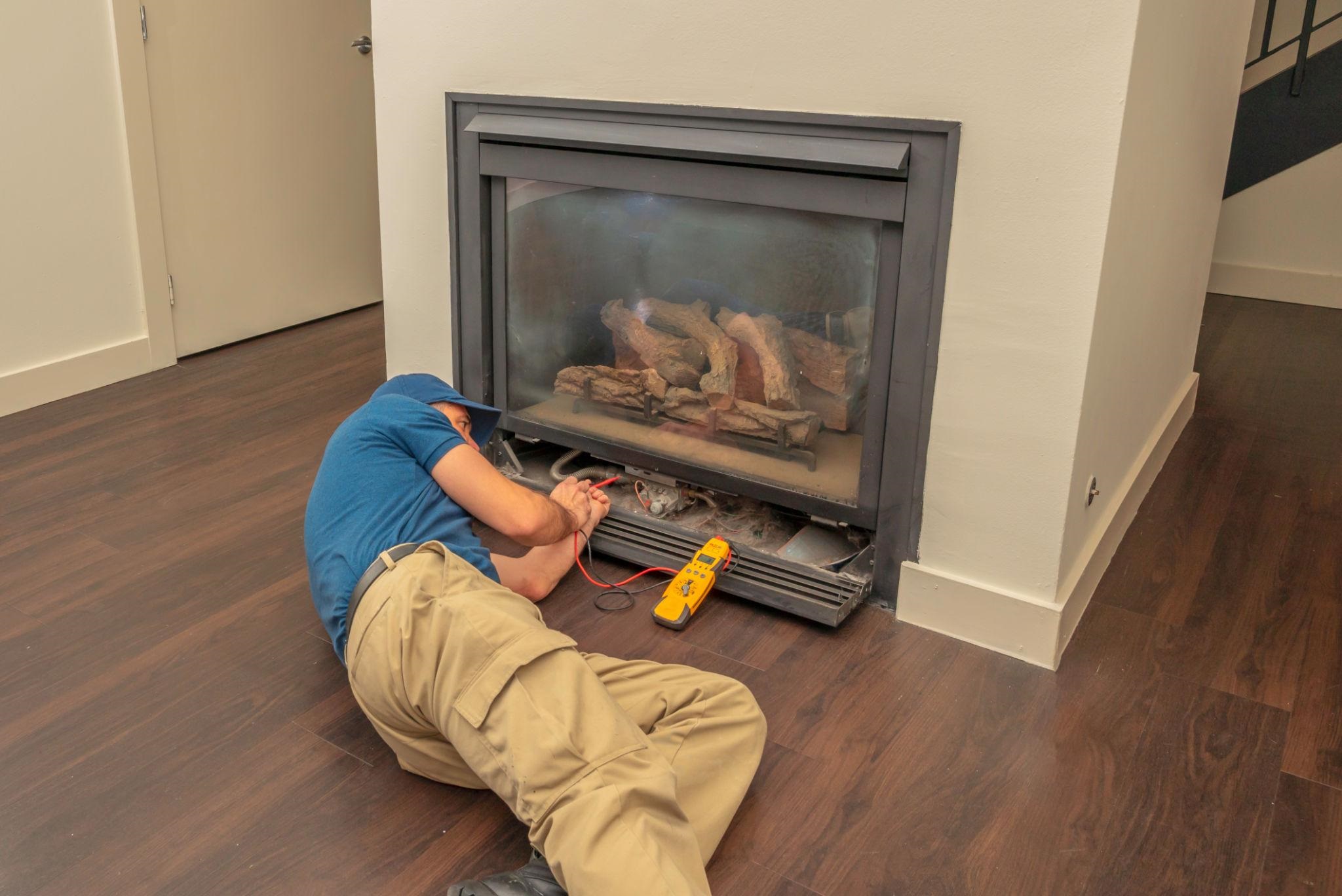
Ask who obtains permits, performs pressure tests, commissions the appliance, and supplies the final documentation. Never substitute a do-it-yourself gas connection for qualified installation.
How Much Does a Fireplace Cost?
The total expense involves the appliance and everything needed to install it safely. A simple electric setup may cost less than a new vented gas fireplace requiring a gas line and wall modifications.
Potential cost items include demolition, framing, chimney repairs, vent components, gas piping, electrical service, masonry, mantel materials, permits, and labor. Specialty finishes and difficult vent routes can increase the quote.
Request itemized estimates that specify the exact model, fuel type, accessories, scope of finish work, warranty, and projected schedule. Avoid treating online national averages as reliable Billings installation prices.
For operating costs, compare local gas, propane, pellet, wood, or electricity rates along with the equipment’s actual output and efficiency.
What to Ask Before Choosing a Fireplace Retailer
Start by asking which appliance types and brands the store currently carries. Next, confirm whether installers are qualified for gas, mechanical, and chimney work and whether the retailer uses subcontractors.
Request references, written warranty terms, replacement-part information, and an explanation of service response procedures. Ask whether the quotation includes venting materials, hearth protection, permits, and startup testing.
A showroom visit should help you narrow your preferences, but the final model must match your home and the manufacturer’s approved installation configuration.
A Note About R & T Services in Billings
The supplied link for fireplace store billings MT previously related to R & T Services. A Better Business Bureau business profile describes R & T Services as a Billings company involved in custom fireplace design, installation, and maintenance.
However, the specific fireplace page currently returns a 404 error, the domain’s home page appears to be a generic placeholder, and a current business listing marks the location permanently closed. These sources do not establish that the company is accepting new fireplace orders today.
Before relying on any old listing, verify whether the business is operating under another name or location. The buying advice in this article applies regardless of which active, qualified Billings hearth dealer you choose.
Essential Fireplace Safety and Maintenance
The U.S. Fire Administration recommends keeping combustible items at least three feet from heating equipment and having heating systems and chimneys inspected and cleaned annually by qualified professionals.
Install working smoke and carbon monoxide alarms in appropriate locations. Fuel-burning appliances can create carbon monoxide if something goes wrong, even when flames appear normal.
Use only fuels approved for your particular appliance. Never burn garbage or treated lumber in a wood stove, and keep ashes in an appropriate covered metal container away from combustibles until completely cooled.
Have gas appliances serviced according to the manufacturer. If you smell gas, leave the building and contact emergency services or the gas utility from a safe location. Do not attempt to relight the fireplace.
Energy Efficiency and Winter Comfort
A fireplace can supplement a home’s heating, but performance depends on the technology and how you use it. Traditional open fireplaces can allow heated indoor air to escape through the chimney, while sealed-combustion units and efficient inserts may perform differently.
Choose equipment based on tested efficiency and actual heating needs. Insulation and air sealing can also reduce the amount of heat required to keep your home comfortable.
If electrical outages are a concern, ask exactly which ignition, fan, and safety functions remain available without power. Never assume every gas or pellet unit operates during an outage.
Common Fireplace Shopping Mistakes
Choosing a fireplace solely by appearance can lead to inadequate heat, costly venting changes, or unsuitable clearances. Other mistakes include skipping a chimney assessment, overlooking ongoing service costs, and ordering an insert before verifying dimensions.
Avoid comparing quotations without matching the installation scope. A low appliance price may exclude essential parts or inspections.
Finally, do not use outdated business listings as proof of current service availability. Confirm directly that your selected provider is operating and qualified for the project.
Frequently Asked Questions About Fireplace Stores in Billings, MT
Which Fireplace Type Is Best for Montana Winters?
The answer depends on your heating goals, available fuel, room size, and maintenance preferences. Properly specified gas, wood, and pellet appliances may provide supplemental heat; electric models are often chosen for convenience and ambiance.
Are Gas Fireplaces More Convenient Than Wood Fireplaces?
Generally, gas fireplaces eliminate firewood handling and routine ash cleanup. However, they still need approved venting where applicable, professional maintenance, and safe operation.
Do I Need a Permit to Install a Fireplace in Billings?
Some projects require building, mechanical, gas, or electrical permits. Check with the City of Billings Building Division and the installer before work begins.
Can I Convert My Wood Fireplace to Gas?
Potentially, if the existing structure and an approved gas insert or system are compatible. A qualified professional must evaluate the firebox, chimney, gas supply, and required clearances.
How Often Should a Fireplace Be Inspected?
The U.S. Fire Administration recommends annual professional inspection and cleaning of heating equipment and chimneys as appropriate. Follow any more specific manufacturer requirements.
Do Electric Fireplaces Need a Chimney?
Most electric fireplaces do not require a combustion chimney because they do not burn fuel. However, built-in installations must still meet electrical and clearance requirements.
Is R & T Services Currently Open?
Its older BBB profile describes fireplace services, but the linked page is unavailable and a current business listing marks the company permanently closed. Confirm its status independently before attempting to schedule work.
Conclusion: Shop Smarter for a Fireplace in Billings
Finding the right fireplace store billings MT starts with understanding what your home needs. Compare fuel types, heating performance, installation requirements, design options, warranties, and maintenance before making a purchase.
Whether you prefer a contemporary gas fireplace, a traditional wood insert, or a convenient electric unit, choose equipment approved for your specific installation and have qualified professionals handle the work.
With a carefully planned project and reliable maintenance, a fireplace can become a comfortable, attractive focal point for many Montana winters.

Written by Twastia Editorial Team
Twastia Editorial Team shares practical insights about website design, SEO services, Google Ads, content marketing, social media, conversion rate optimization, and digital marketing strategy.
Last updated: Oct 14, 2026
Related posts from Twastia
Explore more useful articles from twastia.com about digital marketing, SEO, websites, ads, content, and growth strategy.