How to Hire a Commercial Electrician and Get Quality Service in 2026
Every successful business depends on reliable electricity. From office lighting and computer networks to manufacturing equipment and commercial refrigeration, electrical […]
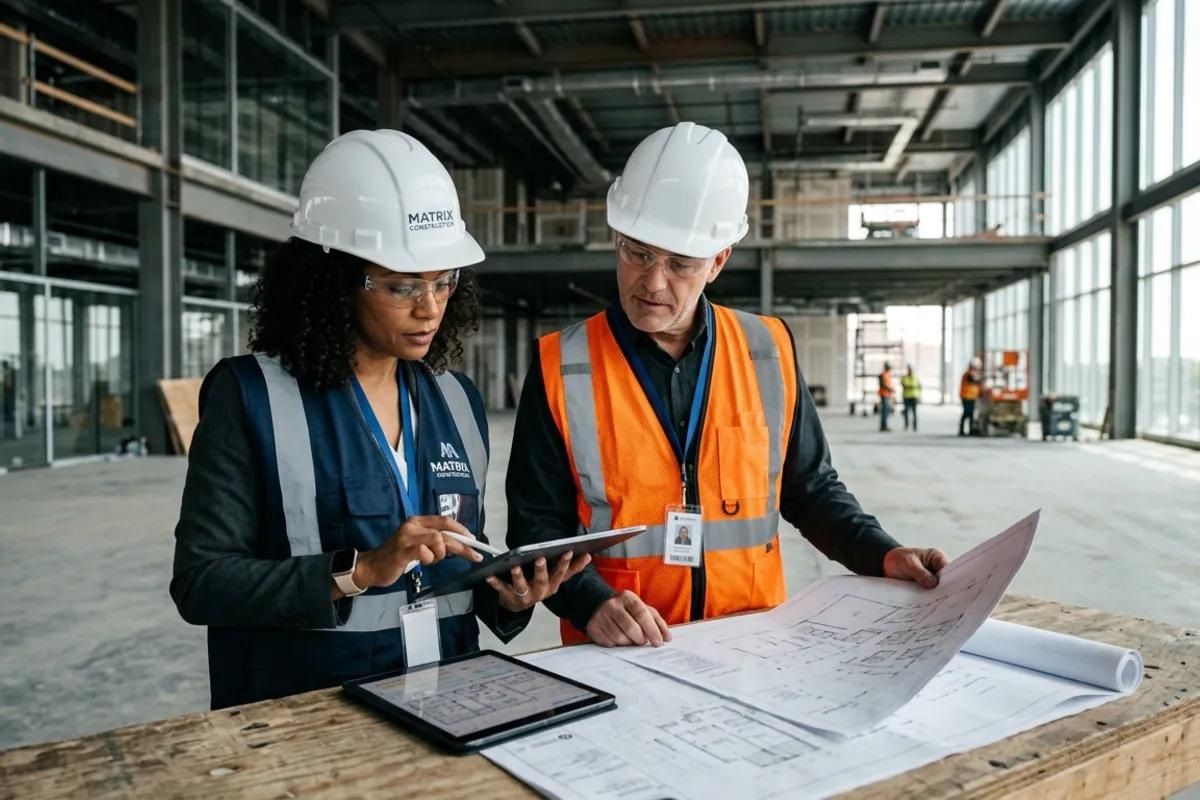
Every successful business depends on reliable electricity. From office lighting and computer networks to manufacturing equipment and commercial refrigeration, electrical systems support essential daily operations.
When these systems experience problems, the consequences can extend beyond inconvenience. Electrical failures may interrupt business activities, damage equipment, create safety hazards, and increase operating expenses.
That’s why choosing a qualified commercial electrician is an important decision for business owners, property managers, and facility operators.
Professional electrical contractors can help businesses install equipment, maintain distribution systems, investigate problems, and plan upgrades that meet applicable regulations.
However, not every contractor offers the same experience, qualifications, or service standards.
This guide explains how commercial electrical services work, why professional expertise matters, what services to expect, and how to evaluate contractors before signing an agreement.
What Is a Commercial Electrician?
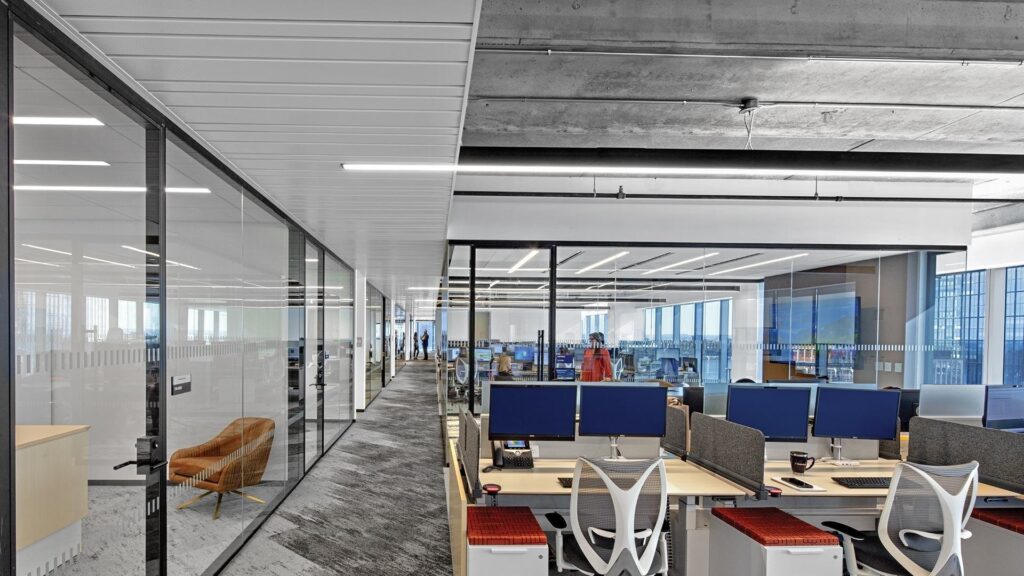
A commercial electrician specializes in installing, inspecting, maintaining, and repairing electrical systems in business and commercial properties.
These properties may include offices, restaurants, retail stores, hotels, warehouses, medical facilities, and shopping centers.
Commercial projects can involve complex electrical distribution equipment, three-phase power, specialized lighting, emergency systems, and machinery connections.
The work requires appropriate technical training and familiarity with the hazards associated with the specific equipment.
Commercial vs. Residential Electricians
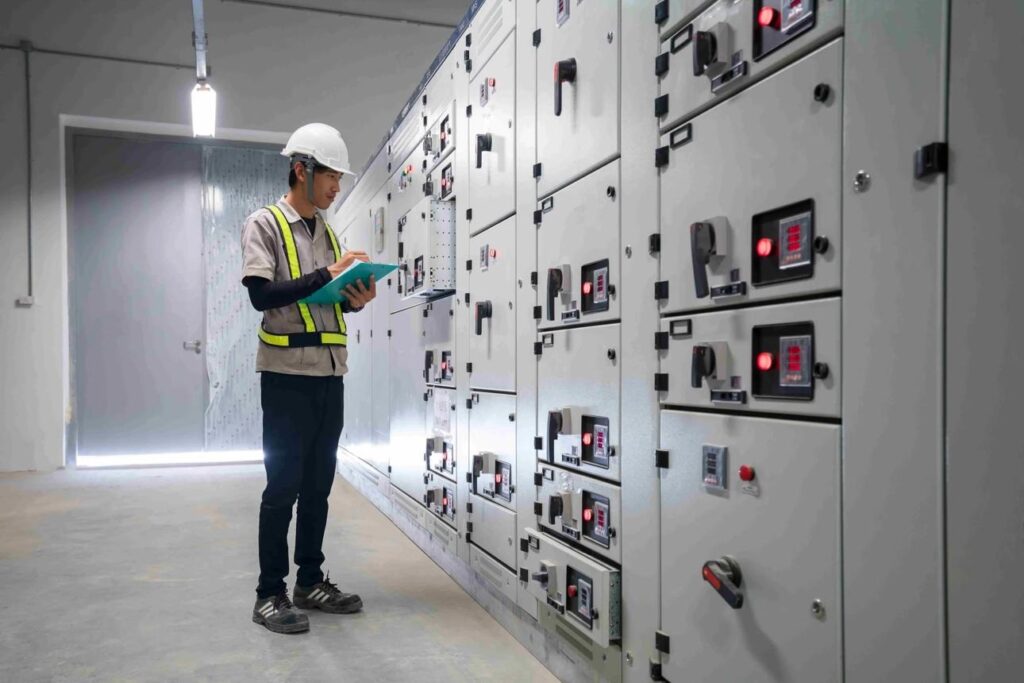
Residential electricians generally work on electrical installations within houses and smaller residential properties.
Commercial electricians often handle larger electrical loads, specialized equipment, and different construction requirements.
The distinction is not absolute. Some contractors are qualified for both residential and commercial projects.
The important consideration is whether the contractor is properly licensed where required and experienced with your particular facility.
Why Hiring a Professional Commercial Electrician Matters
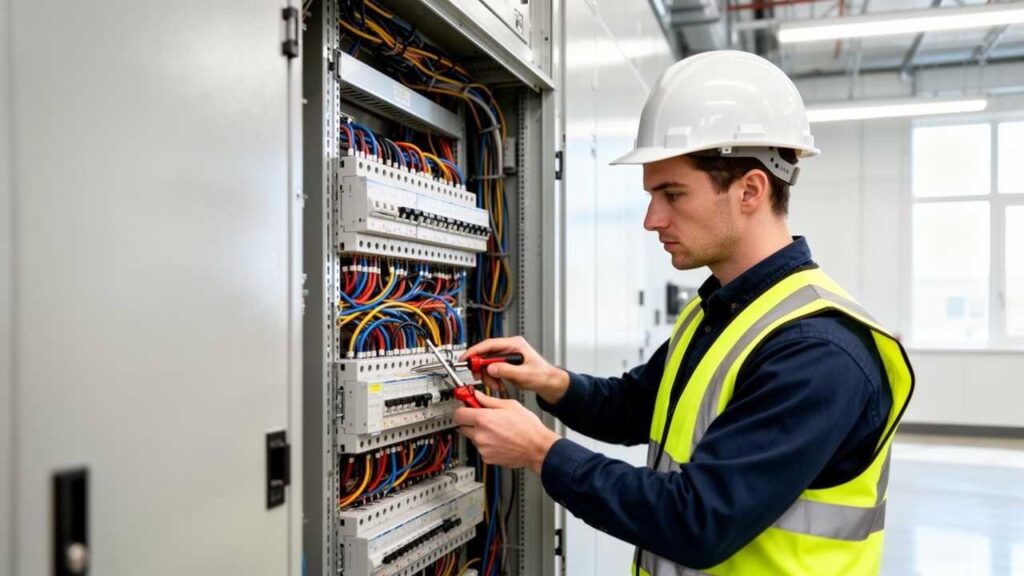
Commercial electrical systems require careful planning and knowledgeable installation.
Improper electrical work can create shock hazards, increase fire risks, and lead to expensive disruptions.
A qualified contractor understands how to evaluate existing equipment, select appropriate components, and complete work according to applicable requirements.
Protect Employees and Customers
Electrical installations can contain hazardous energy even when equipment appears inactive.
OSHA requires appropriate protective work practices and generally calls for exposed live parts to be deenergized before employees work near them, subject to specified exceptions.
Electrical testing and work on exposed energized equipment require properly qualified personnel.
Reduce Business Interruptions
Unexpected electrical problems may interrupt sales, production, communications, or building access.
Preventive maintenance and timely repairs can help businesses identify developing problems before they cause unplanned shutdowns.
However, no maintenance program can guarantee that electrical failures will never occur.
1. Improve Electrical Safety in Your Business
Safety should be the first priority when choosing a commercial electrician.
A professional contractor should assess potential electrical hazards before starting work.
This includes considering shock exposure, arc-flash risks, equipment condition, and whether circuits can be safely isolated.
Electrical Lockout and Tagout
Appropriate lockout and tagout procedures protect workers from unexpected energization.
OSHA provides requirements for controlling hazardous energy and for safely working on electrical equipment.
A contractor should be able to explain the relevant procedures without asking unqualified employees to handle electrical hazards.
Protecting Occupied Workspaces
Electrical projects in occupied buildings require coordination.
A responsible contractor should consider employees, customers, access routes, temporary shutdowns, and sensitive equipment when planning the work.
2. Meet Applicable Electrical Codes and Requirements
Commercial electrical installations must comply with the rules adopted by the relevant jurisdiction.
The National Electrical Code, known as NFPA 70, provides a widely used framework for electrical design and installation.
The latest published edition is the 2026 NEC.
However, states and municipalities may adopt different editions or introduce local amendments.
Why Permits Matter
Many electrical installations and major modifications require permits and inspections.
Requirements depend on the project and location.
Qualified contractors should understand the approval process and clarify which party is responsible for obtaining permits.
Avoid Compliance Problems
Noncompliant work may require correction, create inspection delays, or complicate future renovations.
Ask the contractor to document completed work and provide applicable inspection records.
3. Benefit From Specialized Commercial Experience
Different commercial properties have different electrical needs.
A restaurant may require dedicated circuits for kitchen equipment, while a warehouse may use industrial lighting and material-handling systems.
Office buildings can require extensive power distribution, networking support, and specialized controls.
Experience With Commercial Equipment
An experienced contractor can evaluate the electrical requirements of specific machines and installations.
Ask whether the company has completed similar projects involving your type of building or equipment.
Better Project Planning
Commercial experience can help contractors coordinate with other trades, understand operational restrictions, and anticipate installation challenges.
These capabilities are particularly important during renovations and business expansions.
4. Prevent Problems Through Routine Maintenance
Electrical maintenance is an important part of commercial facility management.
Over time, electrical systems may experience deterioration, environmental exposure, or changing load requirements.
Professional inspections can help identify issues needing attention.
What Does Preventive Maintenance Include?
Depending on the facility, maintenance may involve evaluating electrical panels, connections, protective devices, distribution equipment, and operating conditions.
Testing and inspection methods should be appropriate for the equipment and performed by qualified personnel.
Understanding NFPA 70B
NFPA 70B addresses electrical equipment maintenance programs for commercial, institutional, and industrial settings.
The current 2026 edition provides a framework for managing maintenance activities according to equipment needs and operating risks.
Building owners should work with qualified professionals to determine which requirements apply to their facilities.
5. Reduce Energy Expenses With Efficient Lighting
Commercial lighting can contribute significantly to electricity consumption.
Upgrading inefficient systems may lower energy use while improving illumination.
LED Lighting Upgrades
Modern commercial LED fixtures can provide high light output using comparatively less electricity than older lighting technologies.
The U.S. Department of Energy publishes efficiency guidance for commercial and industrial LED luminaires.
Occupancy Sensors and Controls
Motion sensors, daylight controls, and scheduling systems can reduce unnecessary lighting operation.
For example, lighting in seldom-used storage rooms may not need to remain on continuously.
Actual savings depend on operating hours, equipment performance, and installation quality.
6. Support Business Renovations and Expansions
Growing businesses often need changes to their electrical infrastructure.
Additional machinery, new office layouts, or expanded commercial kitchens can increase electrical demand.
Evaluate Existing Capacity
Before installing equipment, a qualified electrician should assess the relevant electrical supply and distribution capacity.
Adding circuits without understanding existing loads may create problems.
Coordinate With Other Contractors
Commercial electrical work frequently overlaps with HVAC, plumbing, communications, and general construction.
Careful scheduling can reduce conflicts and unnecessary delays.
7. Receive Professional Troubleshooting and Repairs
Electrical problems aren’t always easy to identify.
Flickering lights, repeatedly tripping breakers, unusual odors, and equipment interruptions can have different causes.
A qualified electrician uses appropriate diagnostic methods to identify the underlying problem.
Avoid Temporary Fixes
Repeatedly resetting a breaker without investigating why it trips may conceal a serious issue.
Business owners should not attempt repairs inside electrical panels or energized equipment.
Recognize Urgent Warning Signs
Smoke, sparking, burning odors, or exposed damaged wiring require immediate attention.
Keep people away from affected equipment and contact emergency services when there is an immediate danger.
8. How to Ensure You’re Getting Quality Service
Hiring a professional is a good starting point, but contractor selection still requires careful research.
An article published by Urban Splatter discusses how choosing an experienced commercial electrician can help business owners ensure you’re getting quality service.
Its main themes include technical experience, electrical maintenance, energy savings, and allowing business owners to focus on their operations.
These are useful considerations, but quality work should never be assumed or treated as guaranteed.
Verify Licensing
Check licensing requirements through the appropriate state or local authority.
Ask for the contractor’s legal business name and applicable license information.
Confirm Insurance
Request evidence of appropriate liability coverage and workers’ compensation coverage where required.
Check that coverage is current and relevant to the project.
Review Commercial Experience
Ask for examples of comparable projects and contactable references.
Experience installing residential lighting does not automatically establish expertise with large commercial electrical systems.
9. Compare Commercial Electrical Quotes Carefully
A written estimate should explain the work being proposed.
For complex projects, it may include equipment specifications, materials, labor, access requirements, permits, and expected scheduling.
Compare Similar Work Scopes
The cheapest quotation may exclude services included in another contractor’s proposal.
Review the same specifications before comparing prices.
Ask About Change Orders
Unexpected site conditions may require modifications.
Establish how additional work will be approved and priced before construction begins.
Confirm Warranty Terms
Ask what workmanship warranty is provided and which manufacturer warranties apply to installed equipment.
Obtain these conditions in writing.
10. How Much Do Commercial Electrical Services Cost?
Commercial electrical costs depend on the project.
A small lighting repair may require less work than a complete distribution panel replacement or new building installation.
Factors That Influence Pricing
Important variables include project complexity, equipment requirements, labor rates, building access, permits, and the need for work outside normal business hours.
Specialized testing, shutdown coordination, and difficult installations can increase costs.
Evaluate Long-Term Value
A professionally completed installation may reduce repeat repairs and improve operational reliability.
However, savings depend on the quality of the work and the facility’s actual conditions.
Request detailed proposals rather than relying on generalized national hourly estimates.
11. Questions to Ask Before Hiring a Commercial Electrician
Before selecting a contractor, prepare a short list of practical questions.
Ask whether the company has experience with similar facilities, who will supervise the work, and whether necessary permits are included.
Confirm how electrical shutdowns will be scheduled and how employees will be protected.
Request a written completion timeline, payment schedule, and explanation of any exclusions.
Ask which documentation will be provided after the work is finished.
Clear answers can reveal whether the contractor understands your expectations.
12. Common Mistakes Businesses Should Avoid
One common mistake is choosing an electrician solely based on the lowest price.
Another is failing to verify the contractor’s qualifications for the specific installation.
Businesses may also neglect routine electrical maintenance until a serious failure occurs.
Avoid approving major projects without written specifications, clear responsibilities, and defined procedures for additional charges.
Do not assume every contractor follows the latest published code edition automatically; locally adopted requirements control.
Finally, never allow unqualified staff to investigate hazardous electrical equipment.
Frequently Asked Questions About Commercial Electricians
What Does a Commercial Electrician Do?
Commercial electricians install, inspect, maintain, troubleshoot, and repair electrical equipment in business and commercial properties.
How Is a Commercial Electrician Different From a Residential Electrician?
Commercial projects often involve larger electrical systems, specialized equipment, and different installation requirements. Some electricians are qualified to work in both settings.
How Can I Verify an Electrician’s License?
Contact your state’s electrical licensing board or the relevant local authority and confirm the contractor’s current credentials and permitted scope of work.
Do Commercial Electrical Projects Require Permits?
Many projects do, but requirements vary by location and work type. Confirm with the local building or electrical department.
How Often Should Commercial Electrical Systems Be Inspected?
Inspection frequency depends on equipment, operating environment, applicable standards, manufacturer recommendations, and risk assessment.
Can Commercial Electricians Help Reduce Energy Bills?
Yes. Appropriate LED lighting upgrades, efficient controls, and other improvements may reduce energy consumption, although savings vary.
Is Preventive Electrical Maintenance Worth It?
It can help identify deterioration and support equipment reliability. The scope should be based on facility risks and relevant maintenance requirements.
What Should I Do During an Electrical Emergency?
Keep people away from hazardous equipment. If fire, smoke, or immediate danger is present, contact emergency services. Use qualified electrical professionals for diagnosis and repairs.
Conclusion: Choose Commercial Electrical Services With Confidence
Hiring a qualified commercial electrician is an important step toward maintaining a reliable and appropriately managed business environment.
Professional expertise can support electrical safety, code compliance, preventive maintenance, energy efficiency, and successful facility upgrades.
However, good results depend on choosing the right contractor, not simply hiring the first available company.
Verify credentials, compare detailed quotations, discuss safety procedures, and confirm responsibilities before work begins.
With careful planning and appropriate professional support, businesses can maintain their electrical infrastructure more effectively while reducing avoidable operational disruptions.

Written by Twastia Editorial Team
Twastia Editorial Team shares practical insights about website design, SEO services, Google Ads, content marketing, social media, conversion rate optimization, and digital marketing strategy.
Last updated: Oct 15, 2026
Related posts from Twastia
Explore more useful articles from twastia.com about digital marketing, SEO, websites, ads, content, and growth strategy.