Save on Budget: Can a Bidet Lower Your Bathroom Costs?
If you are trying to save on budget, bathroom supplies may not be the first place you look. Toilet paper […]
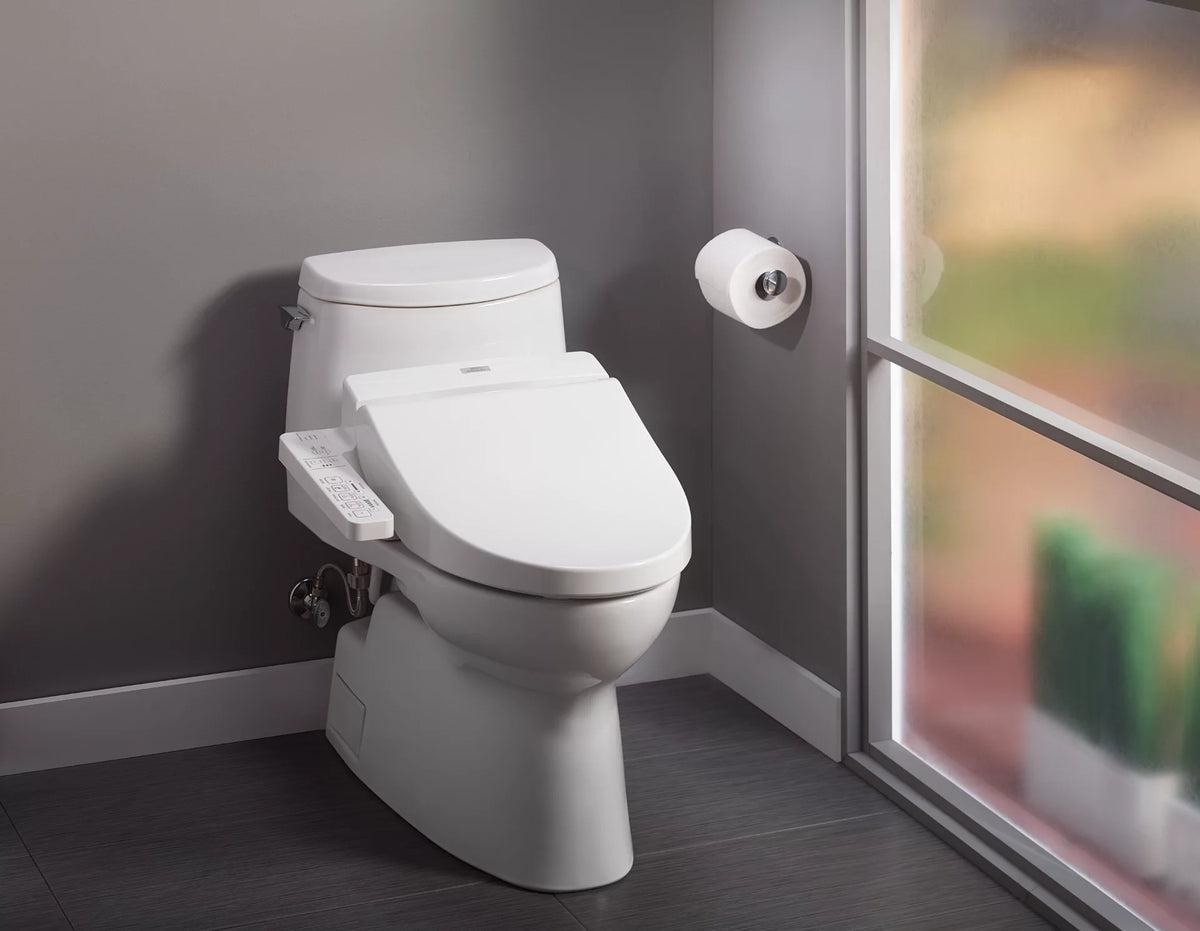
If you are trying to save on budget, bathroom supplies may not be the first place you look. Toilet paper is a small purchase each time, but it is a recurring expense that never really disappears. A bidet can change that pattern by replacing much of the paper you use with water, potentially turning a routine household expense into a one-time or occasional equipment cost.
The basic idea is simple: buy a bidet attachment or seat, use less toilet paper, and keep more money in your household budget over time. Money Crashers makes a similar case in its discussion of whether a bidet is worth the cost, including examples of how reduced toilet-paper purchases can affect the break-even period. For readers comparing the economics, the save on budget approach is less about buying the cheapest bathroom fixture and more about choosing an option that fits your household and gets used consistently.
Why a Bidet Can Help You Save on Budget
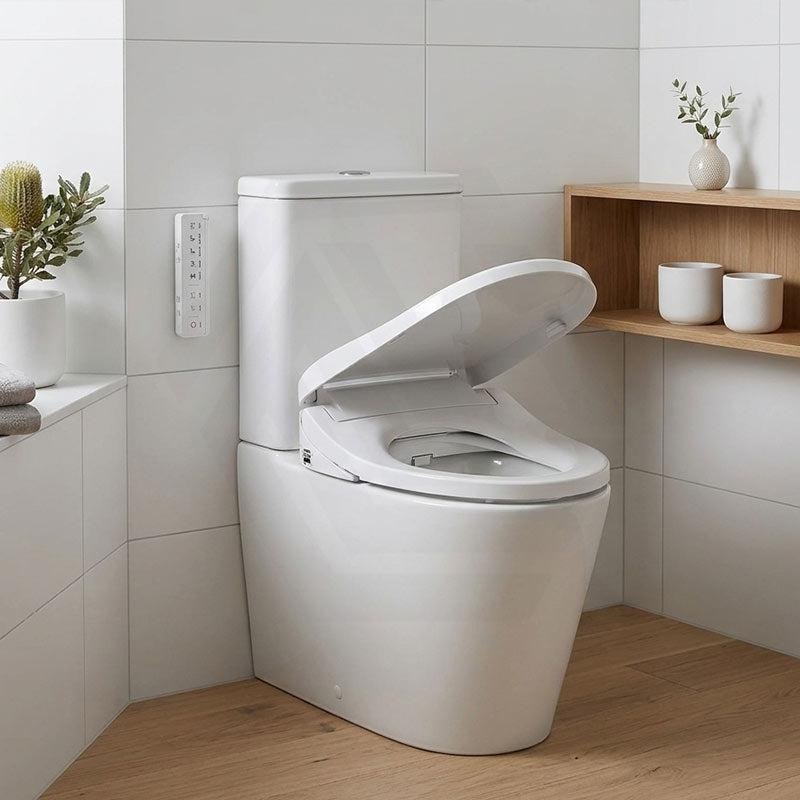
A bidet is not automatically a money-saving purchase for everyone. The savings depend on what you spend on toilet paper now, how much paper a bidet actually replaces, the purchase price, and whether you choose extra features that raise the upfront cost.
Lower Toilet Paper Consumption
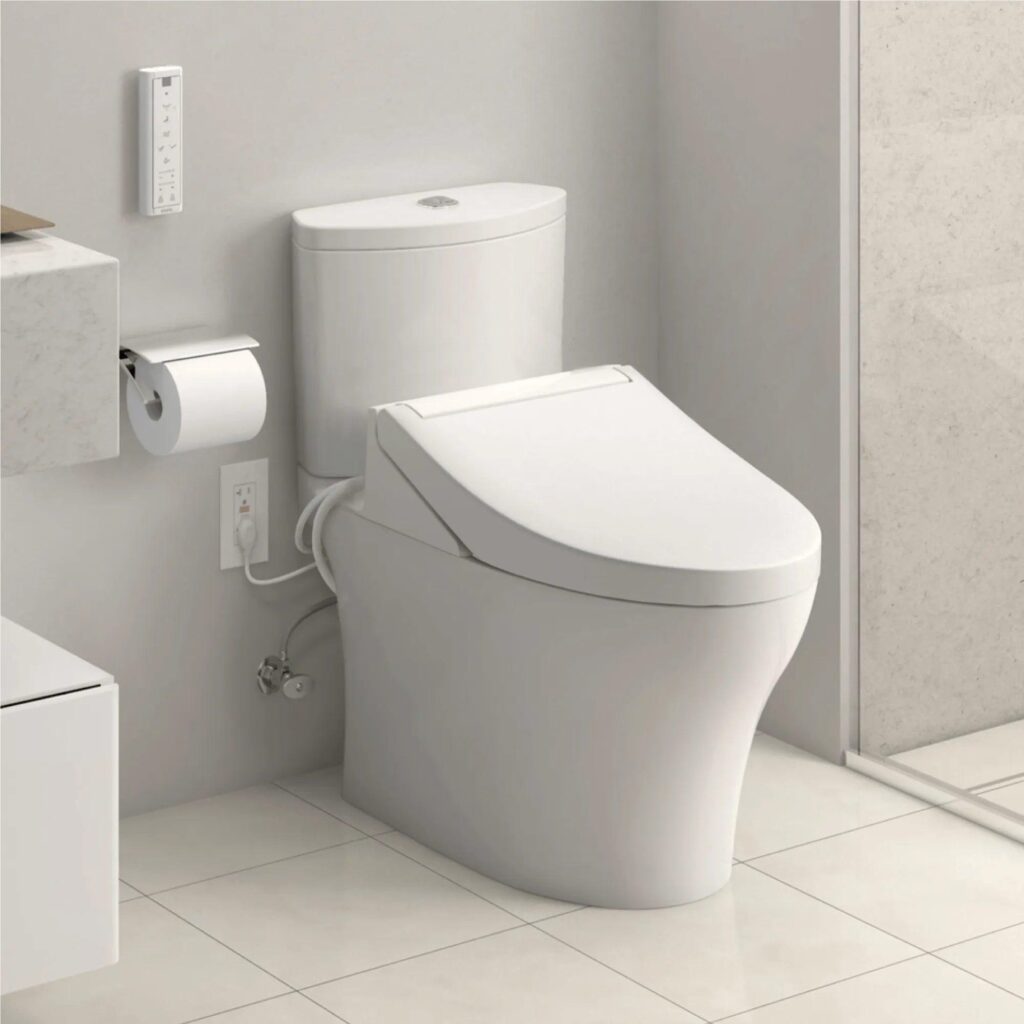
The clearest potential saving is toilet paper. A bidet uses a targeted stream of water for cleaning, so many users need substantially less paper afterward, mainly for drying. You may not eliminate toilet paper completely, but reducing regular consumption can lower the frequency of large household purchases.
Money Crashers cites a Georgia-Pacific analysis reported by Today that estimated an average 2.6-person American household used 409 rolls of toilet paper per year. That figure is from 2020, so it should not be treated as a current universal average, but it illustrates why recurring paper consumption can become a meaningful household expense.
Replace a Recurring Purchase With a Durable Fixture
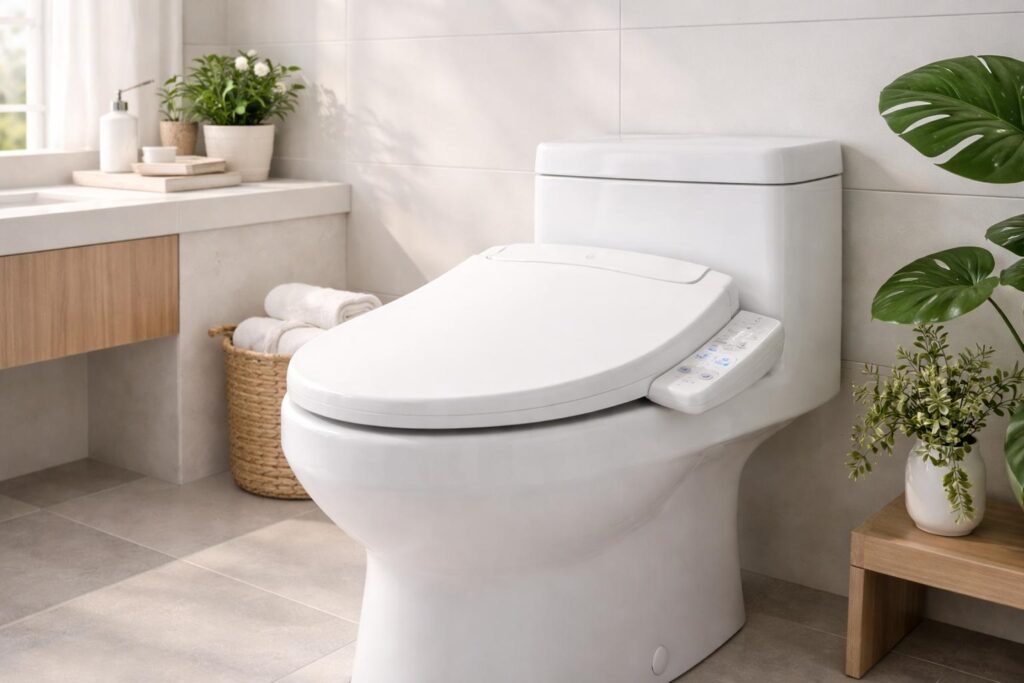
Toilet paper is consumable. Once a package is used, you have to buy another one. A bidet attachment or seat is different: the main purchase happens upfront, followed by smaller ongoing costs such as water, electricity for some models, cleaning supplies, or eventual replacement.
This changes the budgeting equation. Instead of asking whether a bidet is cheaper than one package of toilet paper, ask whether its total cost over several years is lower than the toilet paper it replaces.
Keep Utility Costs in Perspective
A bidet does use water, but the amount can be modest. Money Crashers reports that the bidet example it discusses uses less than two gallons of water per cleaning. Actual consumption varies by model, pressure, duration, and user habits, so check the manufacturer’s specifications before estimating your own utility cost.
The EPA notes that heating and pumping water requires energy and that using water efficiently can save both energy and money. That does not mean every bidet will lower your utility bills, but it does mean water use belongs in the total-cost calculation.
How Much Can a Bidet Actually Save?
The answer starts with your current toilet paper budget.
Look at your receipts, grocery orders, or household shopping history for the last three to six months. Estimate how much you spend on toilet paper during an average month, then identify how much of that use a bidet could realistically replace.
A simple calculation is:
Monthly toilet-paper savings = current monthly toilet-paper cost − remaining monthly toilet-paper cost after installing the bidet
Then estimate:
Payback period = total bidet cost ÷ monthly toilet-paper savings
For example, imagine a household spends $12 per month on toilet paper and expects a bidet to reduce that spending by 75%. The household would save about $9 per month. A hypothetical $100 attachment would therefore take roughly 11 months to recover through reduced toilet-paper spending alone.
That is only an illustration, not a promise. A household that already buys very little toilet paper could take much longer to reach break-even, while heavier users could reach it faster.
Choosing the Right Bidet for Your Budget
The cheapest bidet is not always the best value. The right choice is the one that provides the features you actually need without paying for extras you will rarely use.
Non-Electric Bidet Attachments
A basic attachment is usually the simplest way to test whether bidet cleaning fits your routine. It generally does not require electricity and can be installed on an existing toilet, depending on toilet design and the manufacturer’s compatibility requirements.
For a budget-conscious household, this can be attractive because the initial investment is lower and there are fewer electrical considerations. The trade-off is comfort: basic attachments commonly use the bathroom’s existing water supply, so warm-water control and heated features may not be available.
Electric Bidet Seats
Electric seats can add heated seating, warm-water washing, adjustable controls, and air drying. Those features can make the experience more comfortable, but they also increase the purchase price and introduce electrical requirements.
If your main goal is to reduce toilet-paper spending, do not assume you need every premium feature. Start with the feature that solves your biggest problem.
Where the Biggest Savings Usually Come From
The strongest budget case is usually the combination of lower toilet-paper consumption and a reasonable upfront purchase.
Buy for the Bathroom You Use Most
If your home has several bathrooms, start with the toilet that gets the most daily use. Installing a bidet everywhere immediately increases your upfront cost before you know whether your household will actually use each unit.
One successful installation can give you enough information to decide whether additional bathrooms deserve the same upgrade.
Do Not Overbuy Features
A heated seat, warm-water system, dryer, deodorizer, remote control, and night-light can be appealing. They can also turn a basic money-saving project into a premium bathroom upgrade.
Make a short list of must-have features before shopping. If your main objective is saving money, prioritize reliable cleaning, adjustable pressure, good fit, and easy maintenance.
Consider How You Will Dry
A bidet does not necessarily make toilet paper disappear. Many users still use a small amount of paper to pat dry. Others use dedicated reusable cloths or choose a model with an air dryer.
If eliminating most paper is your goal, think about drying before you buy. Otherwise, you may reduce toilet-paper use without reducing it as much as expected.
Hidden Costs That Can Reduce Your Savings
A realistic budget includes more than the purchase price.
Check whether your toilet is compatible with the bidet before ordering. You may also need installation supplies, replacement parts over time, or professional help if your plumbing setup is unusual.
Electric models require additional attention to bathroom electrical safety. The U.S. Consumer Product Safety Commission advises that electrical outlets in potentially damp locations such as bathrooms should have GFCI protection. If your bathroom does not have an appropriate outlet or you are unsure about the electrical setup, consult a qualified electrician rather than improvising with unsafe wiring or extension-cord arrangements.
Maintenance matters too. Bidet components should be cleaned according to the manufacturer’s instructions. Research has found that bidet nozzles can become contaminated in some settings, while other research indicates that cleaning the nozzle can reduce bacterial counts. The practical takeaway is simple: a bidet should be maintained, not treated as automatically self-cleaning.
Common Mistakes That Can Destroy the Budget Advantage
Buying a Premium Model Before Testing the Concept
If you are unsure whether your household will use a bidet, an affordable compatible attachment can be a lower-risk starting point than a high-end system.
Assuming Toilet Paper Will Disappear Completely
Plan for some paper use unless you have a practical drying alternative. Overestimating your savings can make your break-even calculation unrealistic.
Ignoring Installation Requirements
A product that does not fit your toilet or bathroom setup is not a bargain. Check dimensions, water connections, seat compatibility, tank clearance, and electrical requirements where applicable.
Flushing Wipes to Replace Toilet Paper
Wet wipes can seem like an easy compromise, but they can create plumbing problems. The EPA advises Americans to flush only toilet paper and not wipes or other non-flushable materials. A plumbing backup can erase months of small household savings in one repair.
A Simple Bidet Budget Checklist
Before buying, ask:
- How much do I currently spend on toilet paper each month?
- How much of that use could realistically be replaced?
- Do I need a basic attachment or a bidet seat?
- Does my existing toilet support the model?
- Do I need electricity for the features I want?
- Is the bathroom outlet appropriately protected?
- How will I dry after washing?
- What cleaning and maintenance will the manufacturer require?
- What is the warranty or replacement situation?
- How many months will it take to reach my break-even point?
Writing down these answers turns a vague “Is a bidet worth it?” question into a simple household-budget decision.
Frequently Asked Questions
Can a Bidet Really Help Me Save Money?
Yes, it can, especially if it substantially reduces your recurring toilet-paper purchases. The actual savings depend on your household’s current paper spending, bidet cost, and usage.
How Long Does It Take for a Bidet to Pay for Itself?
There is no universal payback period. Calculate your expected monthly toilet-paper savings and divide the bidet’s total upfront cost by that amount. A larger household or heavier toilet-paper user may reach break-even faster.
Do Bidets Eliminate Toilet Paper?
Not necessarily. Many people still use a small amount for drying. Air-drying features or dedicated reusable cloths can reduce paper use further.
Are Cheap Bidet Attachments Worth It?
They can be a sensible starting point if you want to test the concept without making a large investment. Check toilet compatibility, pressure control, installation requirements, and build quality rather than choosing solely by price.
Do Electric Bidets Cost More to Operate?
They can use electricity as well as water, particularly when heating water or a seat. The operating cost depends on the model, settings, frequency of use, local utility rates, and household habits.
Is a Bidet Safe?
Bidets are generally used as personal-hygiene fixtures, but proper pressure, temperature, cleaning, and installation matter. Electric models should have appropriate bathroom electrical protection, and users with reduced sensation should avoid excessively hot water or prolonged exposure.
Can a Bidet Save Money in a Large Household?
Potentially. More users generally mean more opportunities to reduce toilet-paper consumption, although a multi-bathroom home may require more than one unit. Start with the most frequently used bathroom and measure the results.
Is a Bidet Worth Buying If I Am on a Tight Budget?
It can be, but only if the expected savings justify the upfront cost. If your toilet-paper spending is already very low, the payback may be slow. If your household uses a lot of paper, a modestly priced attachment may have a stronger financial case.
Conclusion
If your goal is to save on budget, a bidet is worth considering because it can replace a portion of a recurring household expense with a durable bathroom fixture. The strongest financial case comes from choosing a reasonably priced model, using it consistently, and calculating savings from your own toilet-paper spending rather than relying on a generic estimate.
Start with your current numbers. Find your average monthly toilet-paper cost, estimate a realistic reduction, add the bidet’s purchase and installation costs, and calculate the payback period. Then choose only the features that matter to your household.
A bidet is not a magic way to cut every bathroom expense, but it can be a practical example of a broader budgeting strategy: spend once on a useful durable product when it can reliably reduce a recurring consumable cost. For many households, that simple shift can make the bathroom routine more comfortable and easier on the long-term budget.

Written by Twastia Editorial Team
Twastia Editorial Team shares practical insights about website design, SEO services, Google Ads, content marketing, social media, conversion rate optimization, and digital marketing strategy.
Last updated: Oct 16, 2026
Related posts from Twastia
Explore more useful articles from twastia.com about digital marketing, SEO, websites, ads, content, and growth strategy.