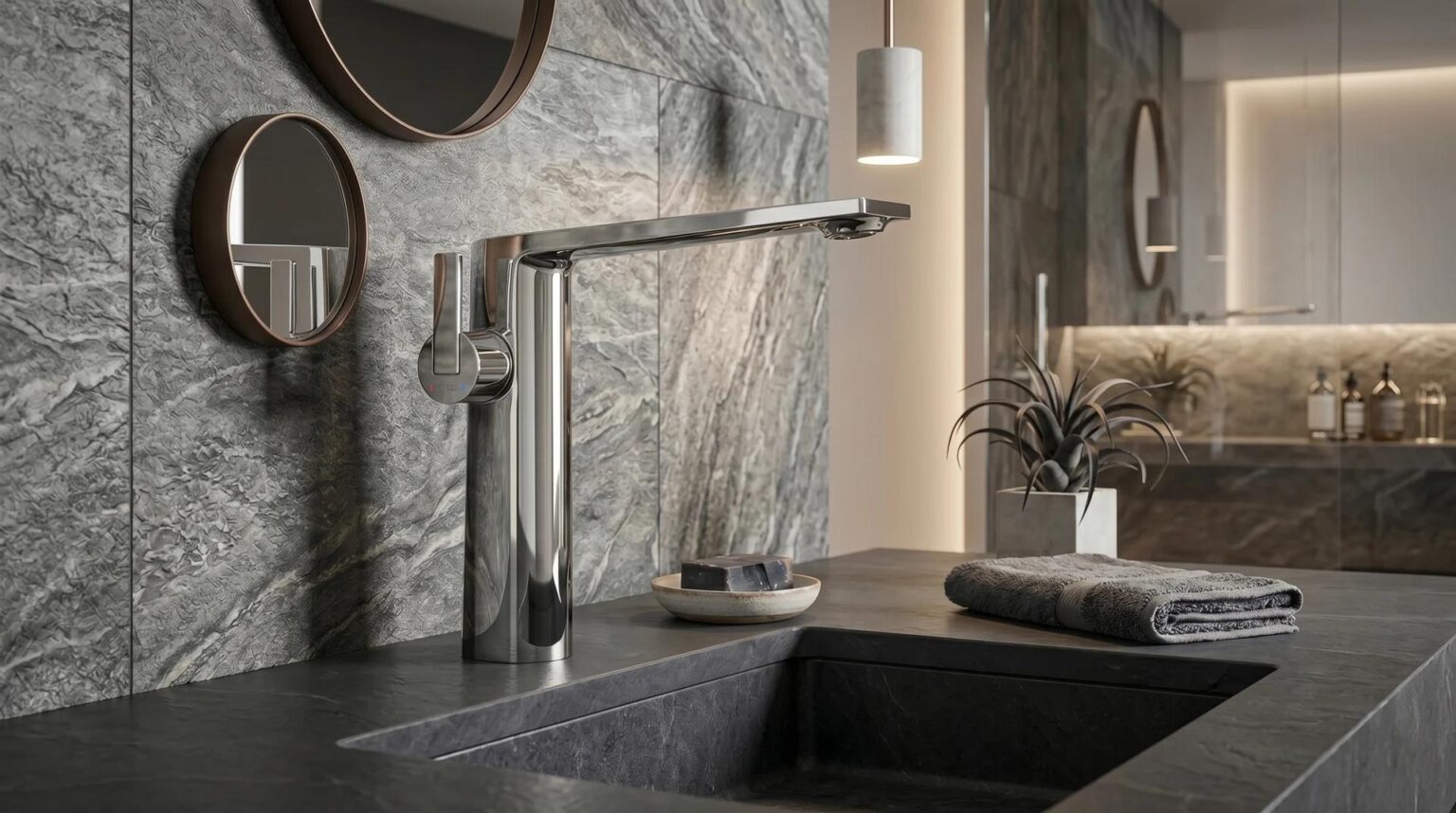
Bathroom Tapware: How to Choose the Right Fixtures
Choosing bathroom tapware can look like a purely cosmetic decision until you have to live with the result every day. […]
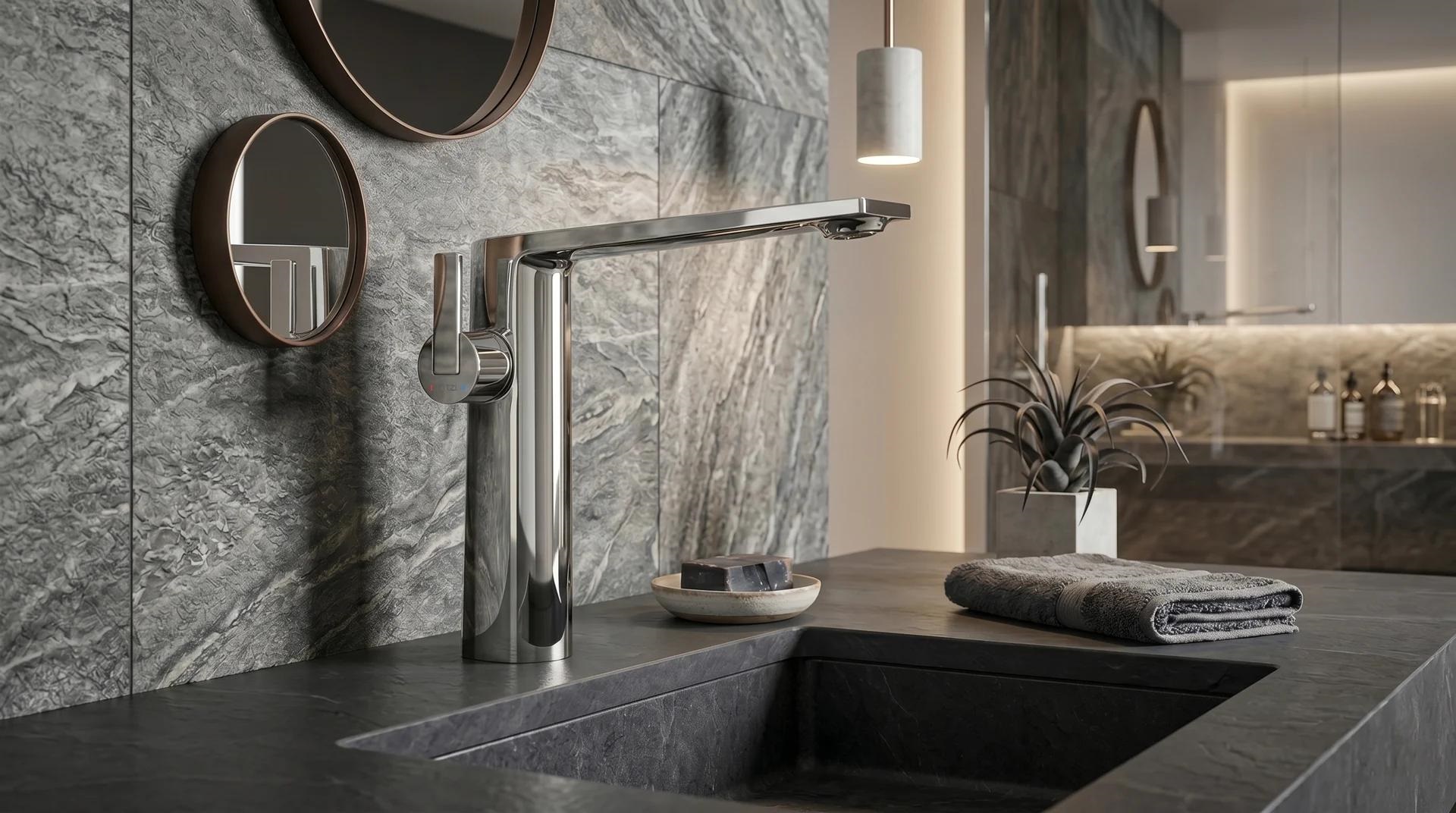
Choosing bathroom tapware can look like a purely cosmetic decision until you have to live with the result every day. The right faucet, mixer, spout, or shower control should work with your sink and plumbing, feel comfortable to use, complement the room, and deliver water efficiently.
For American homeowners, “bathroom tapware” often means what U.S. retailers call bathroom faucets and related water-control fixtures. Whether you are replacing one worn faucet or planning a complete renovation, understanding the available configurations can help you avoid compatibility problems and unnecessary costs.
What Is Bathroom Tapware?
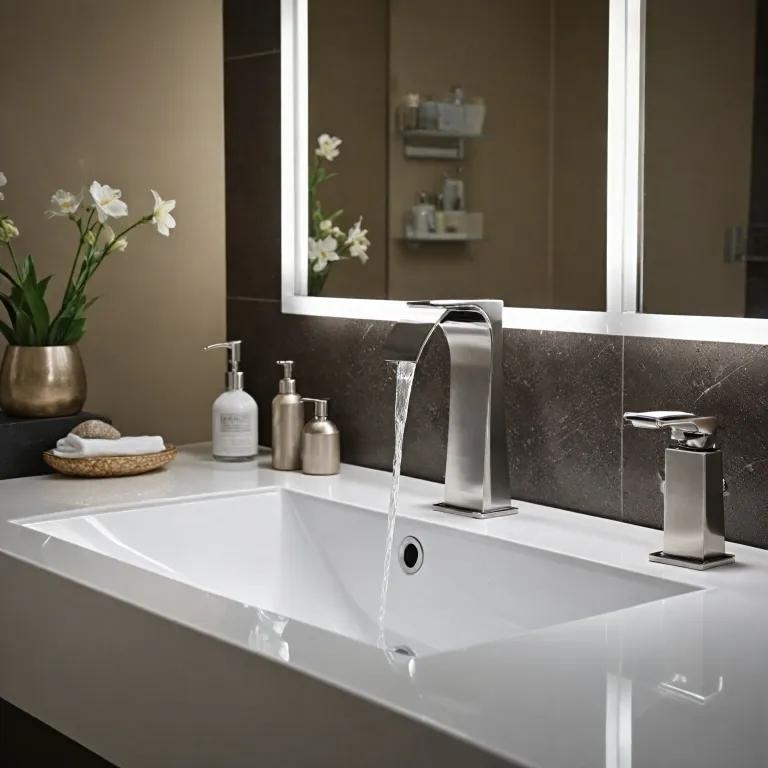
Bathroom tapware is the collection of fixtures used to control and deliver water in a bathroom. Depending on the design, this can include sink faucets, basin mixers, bath spouts, shower mixers, diverters, and related controls.
The terminology varies by country. In the United States, “faucet” is more common, while “tap” and “tapware” are widely used in New Zealand, Australia, and other markets. Mixers combine hot and cold water into a controlled outlet.
If you compare products from international manufacturers, pay attention to technical specifications rather than terminology alone. Connection sizes, mounting arrangements, valve configurations, and installation requirements can differ between markets.
Why Bathroom Tapware Matters
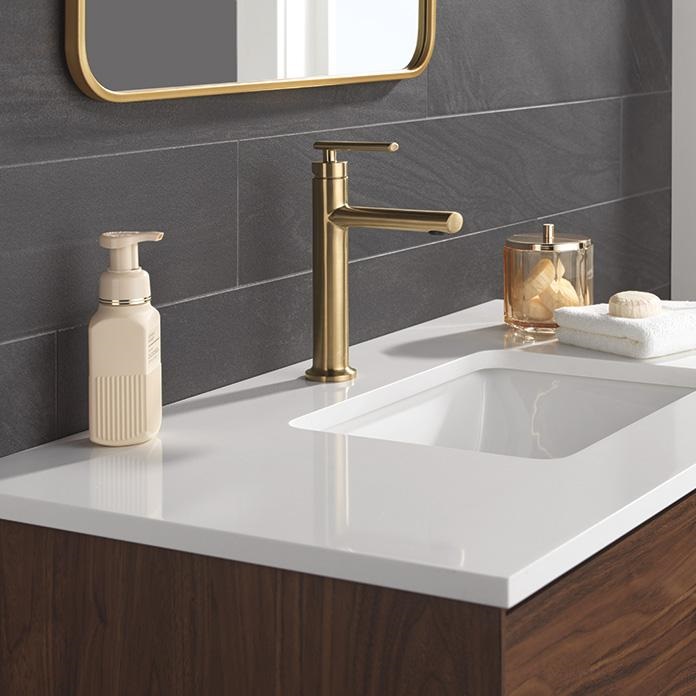
A bathroom faucet is used repeatedly throughout the day and sits in a highly visible part of the room. That makes it both a functional component and an important design detail.
Design and Function Work Together
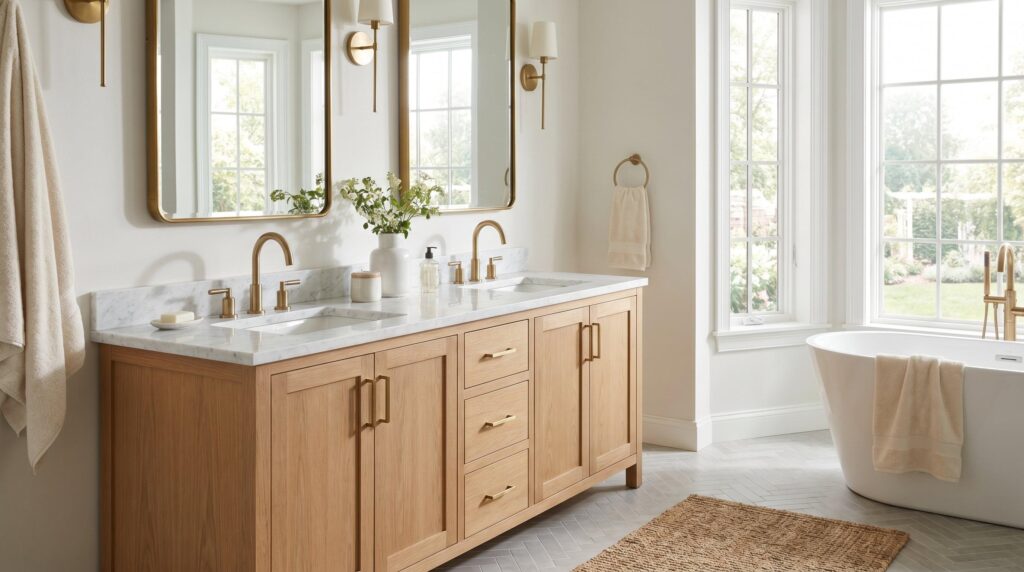
A minimalist bathroom may suit a streamlined single-handle faucet or wall-mounted mixer. A traditional bathroom may work better with a two-handle design and a decorative spout. The goal is not simply to choose the trendiest fixture, but one that looks appropriate and remains convenient to use.
It Can Affect Water Use
Flow rate matters when replacing a faucet. The U.S. Environmental Protection Agency says WaterSense-labeled bathroom sink faucets and accessories use no more than 1.5 gallons per minute, while the federal standard for bathroom sink faucets is 2.2 gallons per minute. EPA says WaterSense models can reduce sink faucet flow by 30% or more without sacrificing performance.
That makes water efficiency worth considering, especially in a frequently used bathroom.
Main Types of Bathroom Tapware
Before choosing a finish, identify the configuration your bathroom requires.
Single-Hole Faucets
Single-hole faucets combine the spout and control handle into one fixture. They are common in contemporary bathrooms and work well with vanities designed around a single mounting opening.
Their compact design creates a clean countertop appearance, but you must confirm that the sink or countertop supports this arrangement.
Centerset Faucets
Centerset faucets combine the spout and handles into one compact unit. They are commonly used on bathroom sinks with a three-hole configuration.
If you are replacing an existing faucet, measure the hole spacing before ordering. A faucet that looks ideal online may not fit your countertop.
Widespread Faucets
Widespread faucets separate the spout and handles, allowing more flexibility in placement. They can create a substantial appearance on larger vanities.
The additional components mean more installation considerations, so measure the available space and check the supply connections before purchasing.
Wall-Mounted Faucets
Wall-mounted faucets attach to plumbing inside the wall rather than sitting on the countertop. They can create a clean appearance and free up counter space.
They also require careful planning because the rough-in location, spout reach, sink position, and wall depth must work together. They are generally easier to plan during a renovation than as a simple replacement.
Bath Fillers and Spouts
Bathtub tapware has different requirements from sink faucets. A tub may use a deck-mounted filler, wall-mounted spout, or freestanding floor-mounted filler, depending on its design.
Your bathtub configuration should determine the fixture. Do not choose the faucet first and assume the plumbing can easily be changed afterward.
Shower Mixers and Diverters
Shower controls regulate temperature and water flow, while diverters can direct water between outlets such as an overhead shower, hand shower, or tub spout.
The valve behind the wall is especially important because replacing visible trim does not necessarily mean the existing valve is compatible. Confirm valve compatibility before purchasing a new trim kit.
How to Choose Bathroom Tapware for Your Sink
Once you know the required configuration, move on to measurements and practical details.
Start With Mounting Holes
Determine how many holes your sink or countertop uses. A single-hole setup, three-hole centerset, and widespread configuration are not automatically interchangeable.
Some sinks provide unused knockouts or other flexibility, but always check the manufacturer’s installation requirements instead of assuming a replacement will fit.
Check Spout Height and Reach
A faucet should deliver water into the basin without excessive splashing. A short spout may not reach far enough into a deep sink, while an unusually long or tall design can create awkward water flow.
Compare the faucet’s height and reach with your basin dimensions before ordering.
Think About Handle Placement
Single-lever controls are convenient and can be operated with one hand. Two-handle faucets provide separate hot and cold controls and can suit traditional designs.
If accessibility matters in your household, consider how much force and movement the handles require. Lever-style controls may be easier for some users than small knobs.
Choosing the Right Finish
Finish is subjective, but consistency can help create a polished result.
Chrome
Polished chrome has a bright, reflective appearance and works across many traditional and contemporary bathroom styles. It is also easy to coordinate with other chrome fixtures.
Brushed Nickel
Brushed nickel provides a softer appearance than polished chrome and works well in transitional and contemporary spaces. Its muted look can complement warmer materials.
Matte Black
Matte black creates strong visual contrast and can make a modern bathroom more distinctive. Because it is visually prominent, repeat it thoughtfully rather than mixing many competing finishes.
Brass and Gold Tones
Brass and gold-toned finishes add warmth and character. They can suit contemporary, traditional, or transitional bathrooms depending on the fixture shape.
Whatever finish you choose, consider the whole room. Faucets, shower controls, towel hardware, cabinet hardware, and lighting do not have to match perfectly, but they should look intentionally coordinated.
Bathroom Tapware and Water Efficiency
A stylish faucet does not need to waste water. When shopping in the United States, look for the WaterSense label when appropriate.
EPA states that WaterSense-labeled bathroom sink faucets and accessories have a maximum flow rate of 1.5 gallons per minute at the specified test pressure and are independently certified for efficiency and performance.
For homeowners, this provides a useful buying filter: compare design and features, then check flow rate and certification. A water-efficient fixture can reduce water use during everyday tasks such as washing hands and brushing teeth.
The financial savings vary with household usage and local utility rates, so treat efficiency as a long-term operating consideration rather than a guaranteed dollar amount.
Installation: What to Check Before You Buy
Installation requirements can be just as important as appearance.
Verify Plumbing Connections
International products may use connection standards that differ from those common in your area. Euroware products reviewed for this article list 15 mm BSP connections on certain models. A U.S. homeowner should not assume that specification will directly match existing American plumbing.
If you are considering an imported fixture, confirm the connection type and whether compatible adapters or components are available before purchase.
Check the Rough-In
For wall-mounted or concealed fixtures, the plumbing location inside the wall matters. Changing it after tile and waterproofing are complete can be expensive.
Know When to Call a Plumber
A straightforward faucet replacement may be manageable for an experienced DIY homeowner, but concealed valves, difficult shutoff valves, unusual connections, or major renovations can justify professional installation.
A small installation mistake can cause leaks behind a vanity or wall, creating damage that costs far more than the original fixture.
Common Bathroom Tapware Mistakes to Avoid
Choosing Based Only on Appearance
A beautiful faucet that does not fit your sink is not a good purchase. Confirm dimensions and mounting requirements first.
Forgetting the Basin or Tub Configuration
Different basins and tubs support different mounting arrangements. Treat the fixture and the surface it mounts to as one system.
Mixing Too Many Finishes
A bathroom can successfully combine finishes, but random combinations can make the room look unfinished. Choose a dominant finish and add alternatives intentionally.
Ignoring Water Efficiency
If two fixtures provide the functionality you need but one uses less water, efficiency can be a useful tie-breaker.
Assuming Imported Products Meet Local Requirements
Products designed for another market may use different connection standards or certifications. Verify compatibility, warranty coverage, replacement parts, and applicable local requirements before purchasing.
How to Build a Cohesive Bathroom Fixture Set
Think about bathroom fixtures as a group rather than individual products.
Start with the vanity faucet, then coordinate the shower controls, tub filler or spout, and visible accessories around it. They do not need to come from one collection, but similar proportions and complementary finishes can create visual continuity.
For example, a simple brushed-metal faucet can pair naturally with matching shower hardware and understated cabinet hardware. In a traditional bathroom, a more decorative faucet can become a design feature echoed through lighting and accessories.
The important thing is to make the choices feel intentional.
A Practical Bathroom Tapware Buying Checklist
Before ordering, confirm:
- Number and spacing of mounting holes
- Faucet or spout height and reach
- Sink or bathtub compatibility
- Hot and cold water configuration
- Connection size and thread type
- Wall rough-in requirements for concealed fixtures
- Handle style and accessibility
- Flow rate and water-efficiency certification
- Finish and coordination with other fixtures
- Manufacturer warranty and replacement parts
- Installation requirements
- Local plumbing requirements where applicable
If you are researching bath-focused fixtures, the provided bathroom tapware reference leads to Euroware’s Baths category, so use it as a bath-related product reference and verify individual specifications before purchase.
Frequently Asked Questions
What Does Bathroom Tapware Mean?
Bathroom tapware is a broad term for water-control and water-delivery fixtures used in bathrooms. In the United States, similar products are more commonly described as bathroom faucets, mixers, spouts, and shower controls.
What Is the Best Type of Bathroom Faucet?
There is no single best type. The right faucet depends on mounting holes, sink design, countertop space, plumbing configuration, desired style, and budget.
Are Wall-Mounted Bathroom Faucets a Good Choice?
They can be an excellent choice for a clean, minimalist bathroom and can free countertop space. However, they require more planning because the plumbing is installed inside the wall.
What Faucet Finish Is Easiest to Match?
Chrome is highly versatile, while brushed nickel is also easy to coordinate with many bathroom styles. Matte black and warm metallic finishes can make stronger design statements.
Are WaterSense Bathroom Faucets Worth It?
For many homeowners, they are worth considering because EPA says WaterSense-labeled bathroom sink faucets can use 30% or more less water than standard-flow models while maintaining performance. The value depends on fixture cost and how frequently the faucet is used.
Can I Install Imported Bathroom Tapware in the United States?
Possibly, but compatibility should be verified first. Check connection standards, mounting dimensions, certification, warranty support, replacement parts, and applicable local plumbing requirements.
Should Bathroom Faucets Match the Shower Fixtures?
They do not have to be identical, but coordinating their finishes and overall design usually creates a more cohesive bathroom.
How Do I Know if a New Faucet Will Fit My Sink?
Measure the number and spacing of mounting holes, available deck space, sink dimensions, and faucet height and reach. Compare these measurements with the manufacturer’s specifications.
Conclusion
Choosing bathroom tapware is about much more than selecting a finish that looks attractive in a showroom. The best fixture combines compatible dimensions, practical controls, appropriate water flow, reliable installation, and a style that works with the rest of your bathroom.
Start by measuring your sink or tub and identifying the required mounting configuration. Then compare faucet types, finishes, flow rates, connection specifications, and installation requirements. If you are considering products designed for another country, take extra care with plumbing compatibility and local requirements.
A thoughtful choice can give you a bathroom that looks cohesive, works comfortably, and uses water responsibly for years. Instead of shopping by appearance alone, use your bathroom’s actual layout and plumbing as the starting point—and let the design follow from there.

Written by Twastia Editorial Team
Twastia Editorial Team shares practical insights about website design, SEO services, Google Ads, content marketing, social media, conversion rate optimization, and digital marketing strategy.
Last updated: Oct 16, 2026
Related posts from Twastia
Explore more useful articles from twastia.com about digital marketing, SEO, websites, ads, content, and growth strategy.