Why Hiring a Chimney Professional Is Essential for Home Safety
There is very little that compares to the comforting ambiance of a crackling fire on a chilly winter evening. The […]
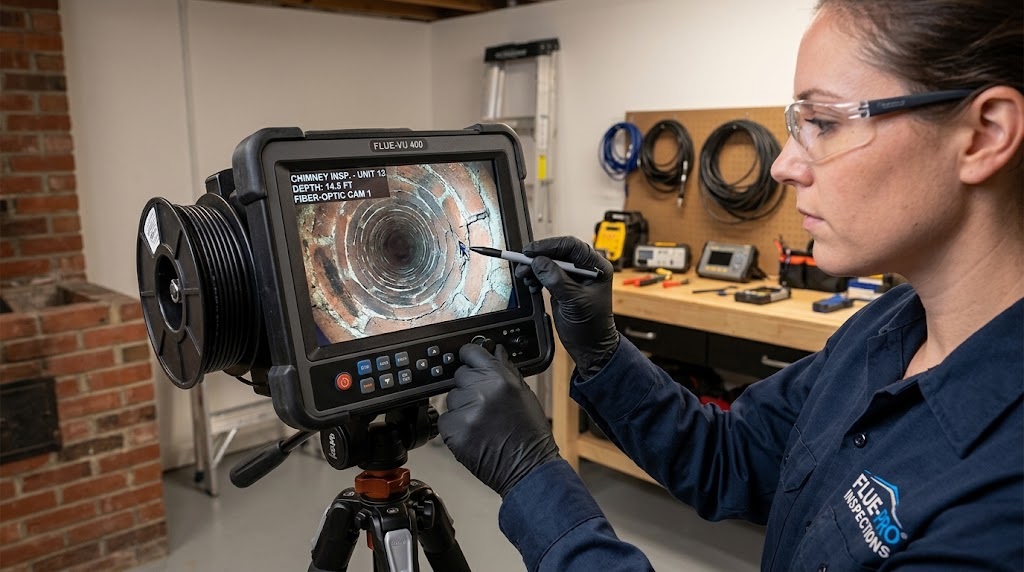
There is very little that compares to the comforting ambiance of a crackling fire on a chilly winter evening. The warm glow, the gentle pop of burning wood, and the cozy heat transform any living room into a welcoming sanctuary. However, beneath that rustic charm lies a complex combustion system that demands respect, technical expertise, and regular upkeep. When homeowners think about home maintenance, gutters, roofing, and HVAC filters often take center stage, while the fireplace and flue are frequently overlooked until a problem arises. Ensuring your heating hearth operates safely requires the expertise of a qualified chimney professional.
Far too many property owners view chimney care as a simple DIY chore involving a wire brush and an extension ladder. In reality, modern venting systems are intricate engineering structures designed to safely channel toxic combustion gases, smoke, and creosote out of your living space. Attempting to inspect, clean, or repair these systems without specialized training can lead to incomplete maintenance, structural damage, or severe safety hazards. This comprehensive guide explores why partnering with a certified chimney professional is non-negotiable for protecting your household, maintaining heating efficiency, and preserving the long-term value of your property.
Understanding the Hidden Dangers of Neglected Chimneys
Every time you burn wood, gas, or oil in your fireplace, combustion byproducts travel up the flue. As warm, smoke-laden air meets the cooler surfaces of the upper chimney, condensation occurs. This process leaves behind a sticky, highly flammable residue known as creosote. Over time, creosote accumulates in layers, taking on different forms from flaky soot to a thick, tar-like glaze that is extremely difficult to remove.
Creosote buildup is the leading cause of chimney fires, which can rapidly spread into the walls and attic of a house before occupants even realize danger is near. Furthermore, deteriorating masonry, cracked flue tiles, and blocked caps can allow lethal carbon monoxide—an odorless, colorless gas—to seep back into your living quarters. Animals, birds, and wind-blown debris can also create dangerous obstructions in the flue. A seasoned chimney professional possesses the diagnostic tools and training required to identify these invisible hazards long before they culminate in a structural emergency or health crisis.
Core Services Offered by a Qualified Chimney Professional
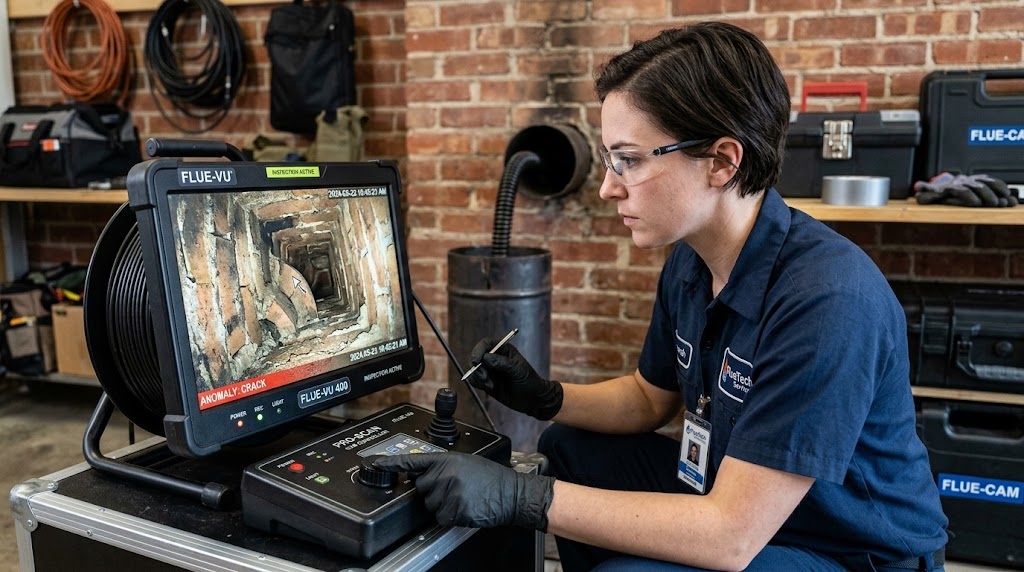
When you invite a certified expert to service your hearth, you are receiving a comprehensive suite of maintenance and restoration solutions. Professional chimney care extends far beyond a basic sweeping session. Understanding what these experts do helps homeowners recognize the value of routine service appointments.
Comprehensive Chimney Inspections and Diagnostics
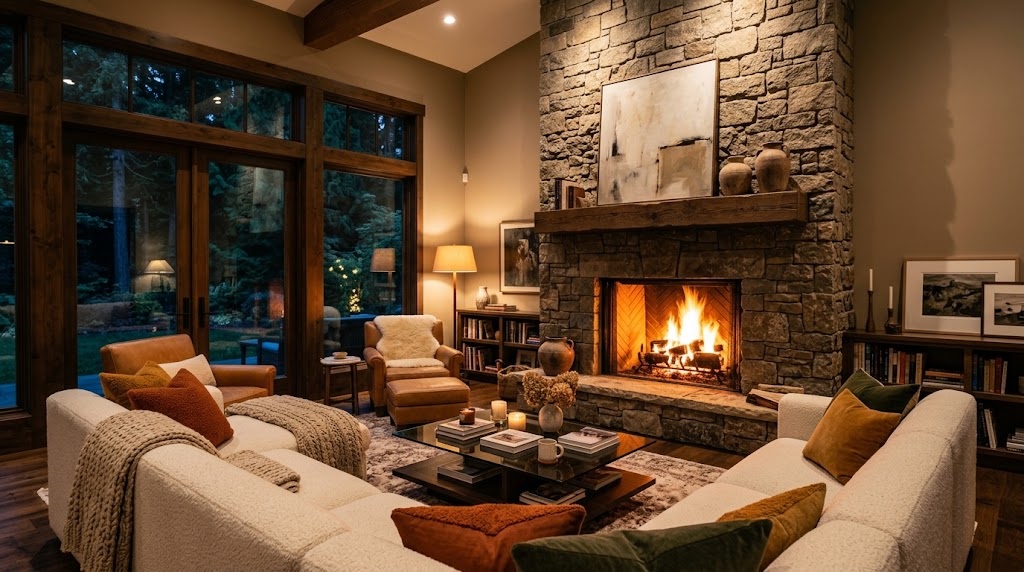
The Chimney Safety Institute of America (CSIA) outlines three distinct levels of inspections. A Level 1 inspection is a basic visual check of readily accessible portions of the interior and exterior chimney structure. A Level 2 inspection becomes necessary when buying or selling a home, after an operating malfunction, or following an event like a chimney fire; it involves specialized video cameras to examine the interior flue lining. A Level 3 inspection is an invasive procedure utilized when serious hazards are suspected behind walls or masonry. A professional determines which level of evaluation your home requires.
Professional Sweeping and Creosote Extraction
Eliminating accumulated soot and glazed creosote requires specialized rotary brushes, industrial vacuums, and chemical treatments that protect the interior masonry while thoroughly scouring the flue. Routine sweeping optimizes drafting efficiency, ensuring your fire burns cleanly and efficiently without smoking back into the room.
Structural Repairs and Waterproofing
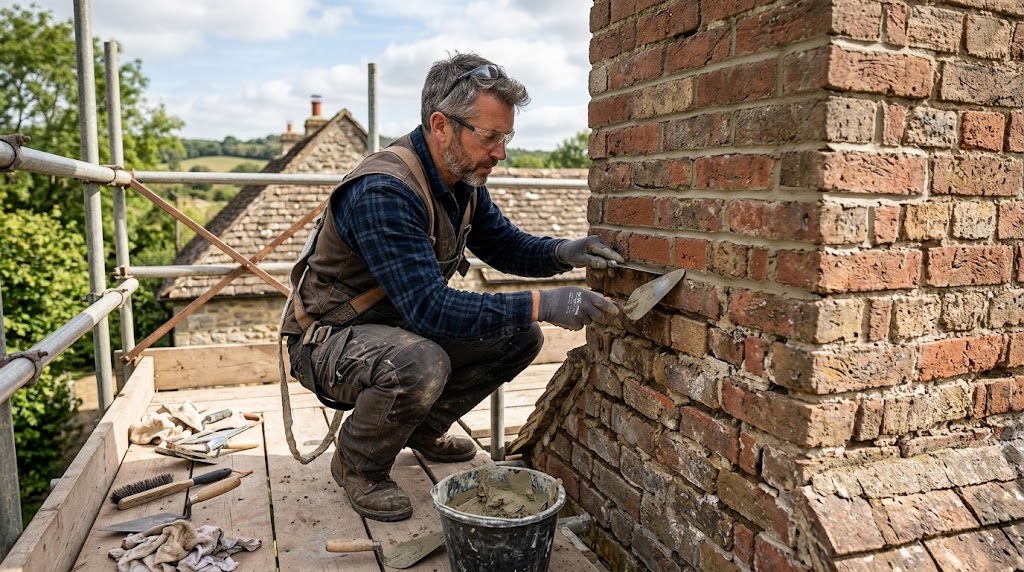
Water is the ultimate enemy of masonry chimneys. Freeze-thaw cycles in winter cause moisture trapped within bricks and mortar joints to expand, leading to spalling, cracking, and eventual structural collapse. Professionals handle crown repairs, tuckpointing, flashing replacement, and waterproofing treatments to seal the structure against weather damage.
The Financial and Safety Benefits of Regular Maintenance
Some homeowners hesitate to schedule service due to upfront costs, viewing preventative maintenance as an optional expense. In practice, hiring a chimney professional on a regular basis saves substantial money over the long term. Minor issues such as a cracked flashing seal or a missing chimney cap are inexpensive to resolve when caught early. If left unaddressed, however, water infiltration can destroy the interior framing and drywall of your home, resulting in thousands of dollars in structural remediation.
Additionally, insurance companies increasingly scrutinize fireplace maintenance records. In the unfortunate event of a chimney fire, adjusters frequently request proof of annual inspections and professional cleanings. Failing to provide documentation of routine upkeep can complicate insurance claims or even void coverage. Investing in certified professional care provides invaluable peace of mind, knowing your family and property are secure.
What to Look for When Choosing a Chimney Professional
Because the chimney service industry requires specialized knowledge, hiring the right contractor is crucial. Unfortunately, the trade occasionally attracts untrained operators who offer suspiciously low prices followed by alarming, fabricated diagnoses. To protect your investment, look for specific credentials and professional standards:
- Industry Certifications: Verify that the technician holds recognized credentials, such as certification from the Chimney Safety Institute of America (CSIA) or membership in the National Chimney Sweep Guild (NCSG).
- Proof of Insurance: Ensure the company carries both general liability insurance and workers’ compensation coverage to protect your property against accidental damage.
- Transparent Pricing: Reputable companies provide clear, written estimates before beginning any work and never pressure homeowners with high-pressure scare tactics.
- Local Reputation: Check verified customer reviews, Better Business Bureau ratings, and ask for local references to gauge the contractor’s reliability and quality of work.
When you want to ensure your heating system receives top-tier care from verified experts, exploring specialized resources like Chimney Professional can help you connect with qualified service providers who adhere to rigorous industry standards and safety codes.
Essential Safety Best Practices for Homeowners
While professional intervention is indispensable for inspections and heavy maintenance, homeowners play an active role in daily fireplace safety. Implementing smart burning habits reduces creosote accumulation and enhances overall efficiency.
Always burn well-seasoned hardwood that has been split and dried for at least six to twelve months. Unseasoned or green wood contains high moisture content, which results in cool, smoky fires that accelerate heavy creosote buildup. Never burn treated lumber, plastics, wrapping paper, or trash, as these materials release toxic chemicals that degrade metal liners and masonry joints. Finally, always install and test carbon monoxide detectors on every level of your home, particularly outside sleeping areas, to ensure immediate warning if venting issues occur.
Frequently Asked Questions
How often should my chimney be inspected and cleaned?
Industry standards established by the National Fire Protection Association (NFPA) recommend having your chimney, fireplace, and vents inspected at least once a year, regardless of how often you use the system. Cleaning should be performed whenever soot or creosote accumulation reaches one-quarter inch thick or more.
Can I clean my chimney myself to save money?
While basic homeowner brushes and extension kits are available online, DIY cleaning often misses hidden creosote deposits, fails to identify structural cracks, and can dislodge flue tiles. Furthermore, without industrial containment equipment, sweeping your own chimney often releases fine carcinogenic soot particles throughout your living room.
What are the warning signs that my chimney needs immediate professional attention?
Key red flags include a strong campfire smell emanating from the fireplace during warm weather, white staining on exterior brickwork (efflorescence), crumbling mortar joints, rust on the fireplace damper, smoke entering the room during a fire, or animal noises coming from the flue.
What is creosote, and why is it dangerous?
Creosote is a brownish-black, oily, or crusty residue formed when wood smoke condenses inside a relatively cool chimney flue. It is extremely combustible; if ignited, it creates an intense, roaring fire capable of cracking masonry, warping metal liners, and igniting adjacent wooden framing.
How long does a standard chimney inspection take?
A routine Level 1 visual inspection typically takes between 30 to 45 minutes. A more thorough Level 2 inspection utilizing specialized camera equipment generally takes an hour to an hour and a half, depending on the height and complexity of the venting system.
What causes a fireplace to smoke into the room instead of up the chimney?
Smoking issues are usually caused by a cold flue preventing proper draft, a blocked or partially closed damper, negative air pressure inside the house caused by exhaust fans or HVAC systems, or an undersized flue relative to the fireplace opening.
Does a gas fireplace require professional maintenance?
Yes. Although gas logs do not produce creosote, gas venting systems can still experience blockages from spider webs, nests, or debris. Furthermore, gas logs, burners, pilot lights, and safety valves require annual calibration and leak testing by a qualified technician to ensure safe operation.
Conclusion
Your fireplace and chimney system represents a wonderful focal point for home comfort, but it requires diligent attention and respect to operate safely. Neglecting routine maintenance invites severe hazards, including destructive chimney fires and dangerous carbon monoxide leaks. By scheduling annual evaluations and partnering with a qualified chimney professional, you protect your household, maximize heating performance, and preserve the structural integrity of your property for years to come.

Written by Twastia Editorial Team
Twastia Editorial Team shares practical insights about website design, SEO services, Google Ads, content marketing, social media, conversion rate optimization, and digital marketing strategy.
Last updated: Oct 18, 2026
Related posts from Twastia
Explore more useful articles from twastia.com about digital marketing, SEO, websites, ads, content, and growth strategy.