The Better Grills Website: BBQ Guides & Grill Reviews
Finding the Better Grills website can be confusing because the supplied address, bettergrills.com, currently redirects to The Grilling Dutchman. Rather […]
Finding the Better Grills website can be confusing because the supplied address, bettergrills.com, currently redirects to The Grilling Dutchman. Rather than a conventional online grill store, the destination is a U.S.-focused resource for barbecue recipes, grill and smoker reviews, cooking techniques, and equipment advice. That matters when you want to learn or compare equipment before purchasing elsewhere.
This guide explains what visitors can find, how to navigate the content, which grilling methods are worth learning first, and how to evaluate product recommendations. It also includes independent food and fire safety guidance.
What Happened to the Better Grills Website?

At the time of review, the Better Grills website redirected to thegrillingdutchman.com. The destination identifies itself as The Grilling Dutchman, a barbecue and outdoor-cooking website run by Eddie van Aken. Its homepage features recipe categories, instructions for grilling and smoking, gear recommendations, and comparisons of grill types.
Some older search results still display Better Grills branding, which can make the original name look like a separate current business. The homepage redirect does not prove every older article URL moved or retained identical content. If you bookmarked a specific old review, verify the current page and date before relying on it.
Who Creates the Content?
Visitors researching the Better Grills website should understand the person behind its current destination. The site’s About page identifies Eddie van Aken as a former restaurant owner and grill cook who shares practical outdoor-cooking experience. He describes cooking on different grills, experimenting with recipes, and reviewing equipment for home cooks.
These are the publisher’s own descriptions, not an independent certification of every review or recipe. The site discloses affiliate relationships. Firsthand experience can be useful, but claims about performance, reliability, or value deserve comparison with other evidence.
What Can You Find on the Site?
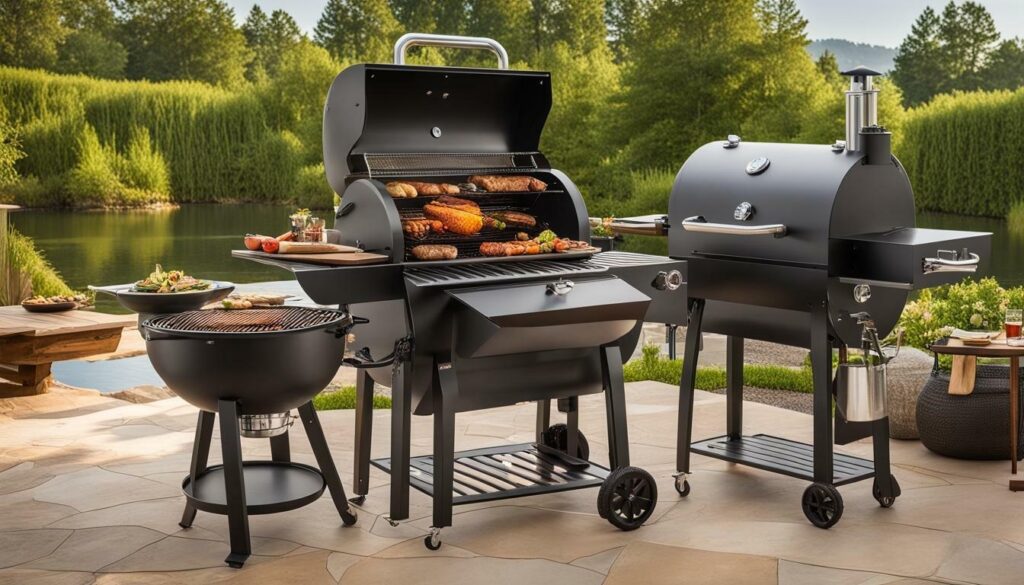
Grilling Basics for Beginners
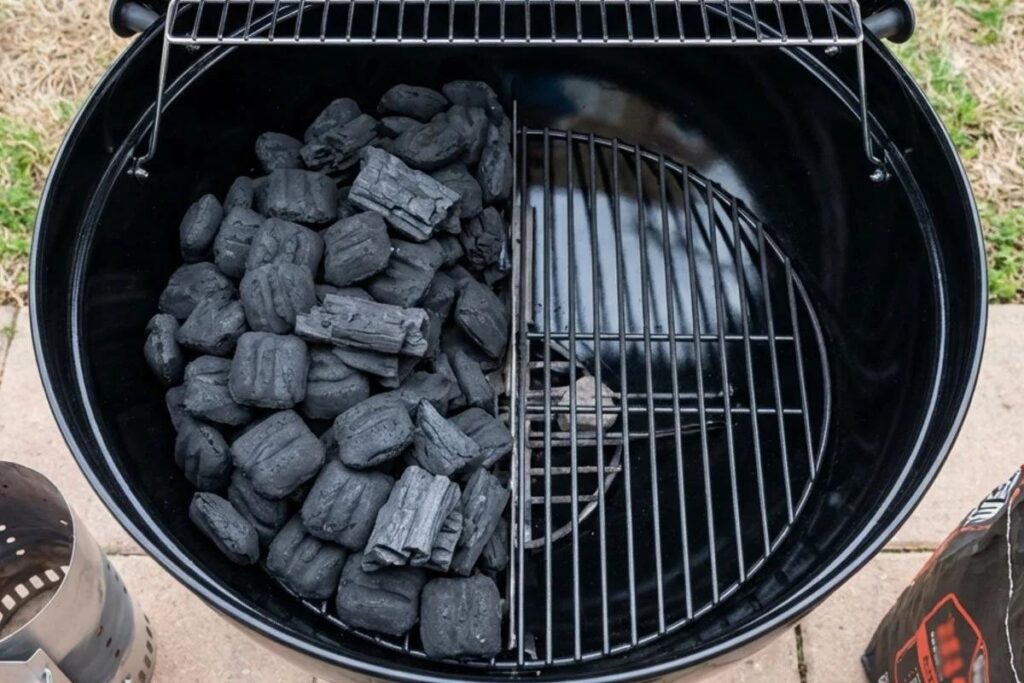
One strong reason to visit the Better Grills website is its beginner-oriented material. The current navigation includes an illustrated charcoal-grill guide and broader introductions to grilling techniques. New cooks can start with fuel preparation, airflow, preheating, and the difference between direct and indirect heat before attempting demanding recipes.
Direct heat places food over the active heat source and is useful for many short cooks. Indirect heat moves food away from the strongest fire, making it easier to manage larger cuts or avoid excessive surface browning. Learning both approaches is more productive than collecting complicated rub recipes while ignoring heat control.
Smoking Meat and Managing Longer Cooks
The current site has smoking sections covering offset smokers, pellet grill cooking, and meat preparation. These topics suit cooks moving toward brisket, pork shoulder, and longer preparations.
When using the Better Grills website for smoking guidance, distinguish the cooker temperature from the food’s internal temperature. A recipe’s estimated time is a planning tool, not proof of doneness. Weather, meat size, starting temperature, fuel, and equipment behavior can change how long a cook takes. Use dependable probes and current food-safety guidance alongside cooking instructions.
Recipes, Rubs, Sauces, and Sides
The current recipe navigation separates beef, chicken, pork, turkey, rubs, sauces, grilled dishes, smoked dishes, and side dishes. That structure makes it easier to build a complete menu rather than treating the main protein as the entire meal.
A useful way to browse the Better Grills website is to pick a main cooking method, then pair it with a suitable seasoning and side. Record how seasoning and smoke affect the result. Change one variable at a time instead of adjusting temperature, fuel, rub, and sauce together.
Using Grill Reviews Without Falling for Hype
The current destination includes review categories for pellet, charcoal, kamado, and flat-top grills, plus thermometer information. Its pellet-grill comparison discusses trade-offs involving cooking area, heat stability, hopper capacity, cleaning, service parts, and warranties. Those criteria are more useful than a single headline ranking.
Before accepting a recommendation on the Better Grills website, identify whether the reviewer says the model was personally used, borrowed, observed, or researched from other sources. Read the drawbacks as carefully as the advantages. Verify present-day specifications and warranty terms with the manufacturer, because product versions and prices change.
Affiliate links also deserve consideration. The site’s disclosure says commissions may be earned from qualifying purchases. Affiliate revenue is not proof that a recommendation is wrong, but it creates a commercial incentive worth understanding. Look for clear testing methods, actual usage experience, transparent limitations, and meaningful alternatives.
Which Type of Grill Should You Research First?
| Grill type | Practical strength | Common trade-off |
|---|---|---|
| Charcoal | Flexible direct and indirect cooking with hands-on fire control | Requires managing fuel, ash, and airflow |
| Gas | Convenient ignition and burner adjustment | Fuel connections and grease systems require checks |
| Pellet | Controlled heat and convenient longer smoking sessions | Needs electricity, pellets, and maintenance of moving parts |
| Kamado | Insulated charcoal cooking across a broad range of techniques | Weight, price, and a learning curve |
| Flat-top griddle | Broad contact surface for breakfast foods, vegetables, and smash burgers | Different results from cooking over open grill grates |
These are general differences, not guarantees for every model. A person who cooks mostly weeknight meals may prioritize fast setup and easy cleanup, whereas someone who regularly smokes large cuts may value steady low-temperature operation and serviceable components.
Use the Better Grills website as an entry point for these comparisons, then list your own requirements. Measure available outdoor space, check local restrictions, decide how many people you routinely feed, and estimate ongoing fuel and maintenance costs. Choose a cooker you will use safely and often.
Five Questions to Ask Before Buying Grilling Equipment
Browsing the Better Grills website can generate a long list of appealing products. Narrow it with five questions:
- What will I cook most? Burgers, vegetables, and fish demand different capabilities from overnight barbecue.
- How much usable space do I need? Consider realistic food layout, not only advertised square inches.
- Can I maintain it? Check access to grease trays, ash collection, grates, igniters, and replacement parts.
- Will it work in my space? Account for outdoor ventilation, safe clearances, storage, and fuel availability.
- What does ownership cost? Compare equipment, accessories, consumables, covers, and likely service needs.
Avoid assuming a large BTU number alone predicts cooking performance. Heat distribution, construction, airflow, grate design, and actual cooking results also matter. A detailed review should help answer practical questions rather than turning specifications into marketing slogans.
Essential Food Safety for Backyard Grilling
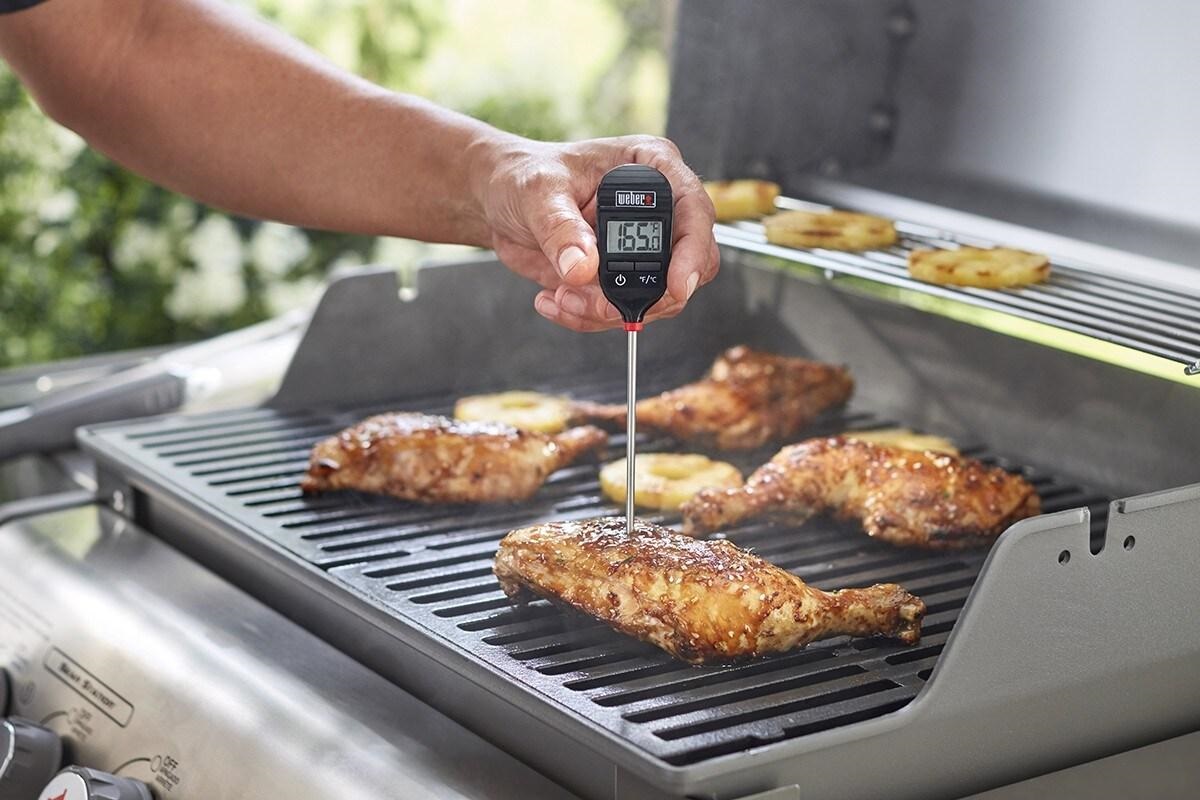
Cooking confidently starts with food safety. The U.S. Department of Agriculture advises using a food thermometer because browning and grill marks cannot reliably establish whether food is safe. For U.S. home cooking, its minimum internal-temperature guidance includes:
- Poultry, including ground poultry: 165°F.
- Ground beef and other ground meats: 160°F.
- Whole cuts of beef, pork, lamb, and veal: 145°F, followed by at least a three-minute rest.
- Fish: 145°F.
When following a recipe found through the Better Grills website, compare its suggested doneness with the USDA minimums. Some barbecue traditions use different targets for texture, and long-cooked cuts often finish well above the minimum for tenderness. Neither smoking time nor smoke-ring color substitutes for a thermometer reading.
Prevent cross-contamination by keeping raw meat, utensils, and plates away from cooked food. Refrigerate perishables promptly; USDA advises a two-hour maximum at ordinary room temperature, shortened to one hour above 90°F. Verify that probe thermometers are reading accurately and place the tip in the thickest relevant section, avoiding bone where instructed.
Fire Safety, Ventilation, and Equipment Care
The U.S. Fire Administration says propane, charcoal, and wood-pellet barbecue grills should be used outside only. Indoor use can produce dangerous carbon monoxide and fire hazards. Keep grills away from siding, deck railings, eaves, and overhanging branches, and follow the manufacturer’s required clearances.
Before putting tips from the Better Grills website into practice, read your specific equipment manual. Check grease buildup, airflow passages, fuel connections, and the safe condition of grates and tools. Let ashes cool completely and dispose of them as instructed in a suitable noncombustible container. Never improvise repairs to leaking gas components.
Cleanliness also affects cooking quality. Excess grease can fuel flare-ups, while obstructed airflow may make temperatures harder to control. Establish a routine suited to your cooker rather than trusting a single maintenance interval quoted for a different model.
A Simple Learning Plan for Your First Month
Instead of trying every technique at once, use the Better Grills website as a structured reading resource. In the first week, learn startup, shutdown, preheating, heat zones, and thermometer placement on the cooker you already own. Practice with simple vegetables and a familiar main dish.
During the second week, repeat a recipe while recording grill temperature, internal food temperature, and weather conditions. In the third, test indirect cooking or a manageable smoke session. In the fourth, revisit the notes: which adjustments improved results, which created problems, and what equipment would genuinely help?
This method reduces unnecessary spending. It also gives you enough practical experience to understand what product reviews mean when they discuss heat recovery, temperature swings, fuel use, or ease of cleaning.
Common Mistakes When Following Online BBQ Advice
Readers can get less value from the Better Grills website if they skip equipment-specific instructions, treat cooking times as guarantees, or copy a reviewer’s recommendation without checking their own needs. Avoid buying accessories before mastering temperature measurement, safe fuel handling, and cleaning.
Separate advice into three categories: confirmed facts from manufacturers or public agencies, the writer’s firsthand experience, and personal preference. This helps prevent a favorite flavor or preferred grill brand from being mistaken for a universal conclusion. Also check article freshness when a page mentions a particular product generation or availability.
Frequently Asked Questions
1. Is the Better Grills website still available?
At the time of research, the Better Grills website homepage redirected to The Grilling Dutchman. Readers can explore the current destination for BBQ guides and reviews. Older bookmarked article URLs may behave differently, so check them individually.
2. Is it an online grill retailer?
The current destination primarily presents information, recipes, and equipment reviews. It links to third-party merchants in some recommendations; that does not make it a confirmed direct seller of every product discussed.
3. Who writes the content?
The current site identifies Eddie van Aken as its publisher and describes his restaurant and outdoor-cooking experience. The biography is self-reported, and readers should judge individual claims on supporting detail.
4. Are its reviews completely independent?
The site discloses affiliate relationships, meaning purchases through some links may generate commissions. Treat its opinions as one source and compare manufacturer documentation, current ownership feedback, and competing assessments before buying.
5. Can beginners follow the site’s recipes?
Many topics are accessible to beginners, particularly charcoal fundamentals and basic grilled meals. Start with straightforward techniques and always apply appropriate food thermometer and fire-safety rules.
6. Does it cover both grills and smokers?
Yes. Its current categories include grill reviews, pellet-grill topics, offset-smoker guidance, smoking techniques, meat preparation, and recipes for different proteins and sides.
7. How should I use a review before purchasing?
Note the conditions of the review, the exact product model, reported limitations, and actual ownership costs. Cross-check specifications, replacement parts, delivery terms, and warranty details directly with the seller or manufacturer.
Conclusion
The Better Grills website is best understood today through its redirect to The Grilling Dutchman, an informational destination for backyard barbecue, smoking, recipes, and equipment comparisons. Its guides can help Americans develop practical skills and ask better questions before buying a grill. The strongest approach combines the site’s experience-based commentary with manufacturer instructions, independent comparisons, and official food and fire safety guidance. Use it to become a more informed backyard cook—not as the sole authority on every recipe, product, or safety decision.

Written by Twastia Editorial Team
Twastia Editorial Team shares practical insights about website design, SEO services, Google Ads, content marketing, social media, conversion rate optimization, and digital marketing strategy.
Last updated: Oct 17, 2026
Related posts from Twastia
Explore more useful articles from twastia.com about digital marketing, SEO, websites, ads, content, and growth strategy.