Custom Windows: Styles, Sizing, Costs & Buying Guide
Custom windows give homeowners, remodelers, and builders a way to match window dimensions and features to a particular opening instead […]
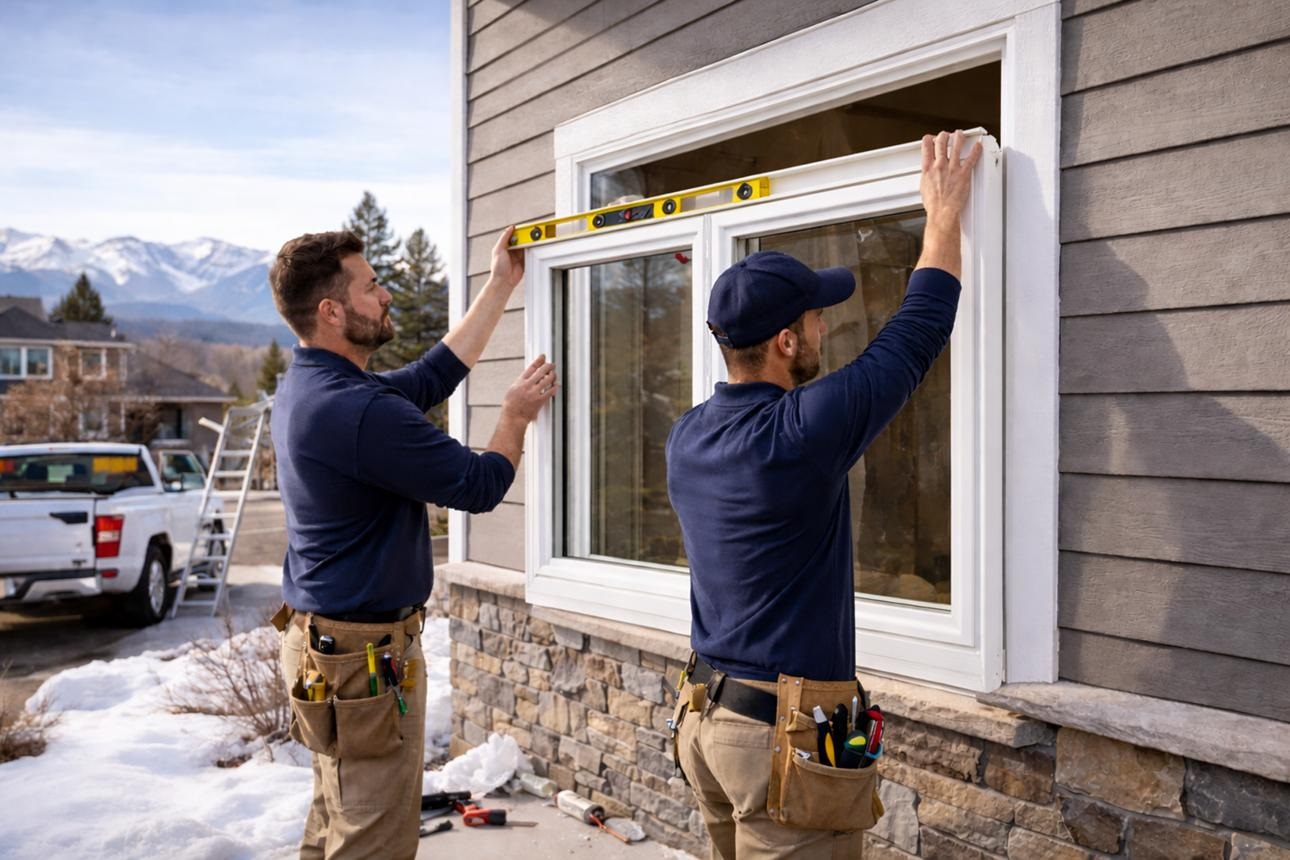
Custom windows give homeowners, remodelers, and builders a way to match window dimensions and features to a particular opening instead of accepting whatever happens to be on a store shelf. But customization adds decisions: operating style, frame configuration, glass performance, code requirements, measurements, and delivery. A good-looking window ordered to the wrong dimensions can be an expensive mistake.
This guide explains the decisions that matter for U.S. homes, including how to read efficiency labels and what to confirm before placing a made-to-order purchase. It also distinguishes a window supplier’s published offerings from requirements that depend on your installer and local building authority.
When Does a Made-to-Order Window Make Sense?
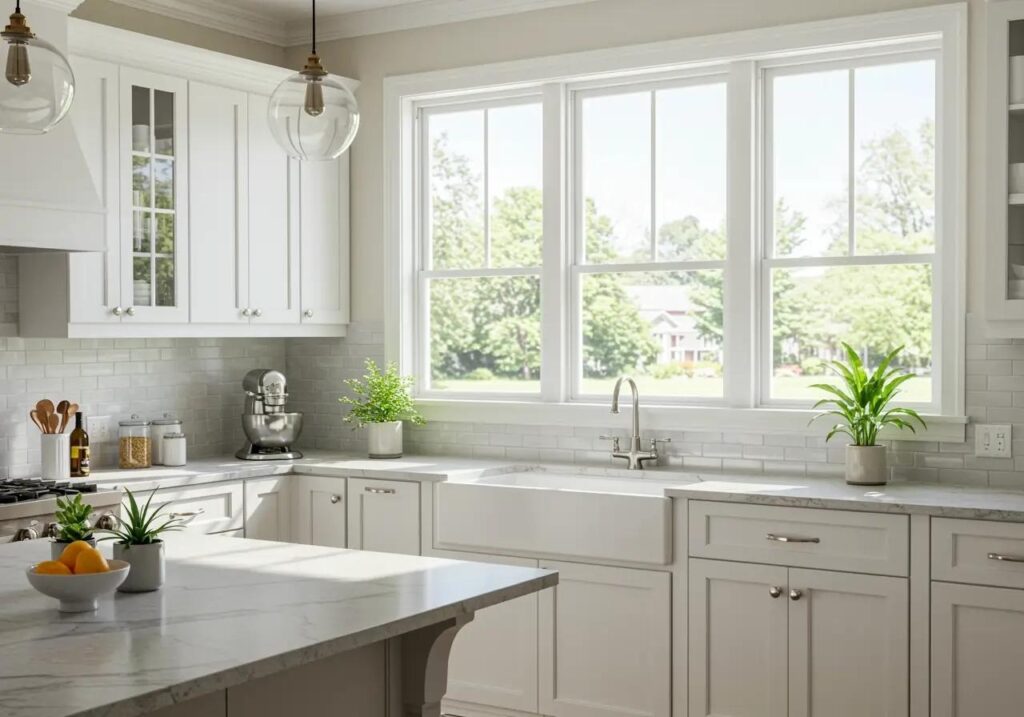
Custom windows are particularly useful when existing openings are nonstandard, an architectural design calls for a specific configuration, or a renovation needs consistent styles across many rooms. They are also convenient for projects that require different glazing or frame options according to orientation and climate.
Custom-made does not automatically mean higher quality. A standard-size unit with suitable performance and proper installation can work just as well. The value comes from fitting the opening and the job’s requirements while avoiding unnecessary structural changes. Before replacing sound windows, consider whether air sealing, repairs, or other improvements might address the actual complaint.
Common Window Styles and Where They Work
The first choice for Custom windows is often how the sash operates. Each style balances ventilation, clear views, cleaning access, and practical constraints.
Single-Hung Windows
A single-hung window typically has a movable lower sash and fixed upper sash. It suits traditional home designs and rooms where straightforward ventilation is useful. Check how the sash locks and whether its cleaning features meet your needs.
Horizontal Sliders
Two-lite and three-lite sliders move horizontally and can suit wide openings. Think about how much of the total opening will actually ventilate, and check the screen and track-maintenance arrangements.
Casement and Awning Windows
Casement windows hinge at the side, often opening with a crank. Awning windows hinge at the top and open outward. Both require clearance outside the building; exterior walkways, shrubs, or other structures can affect suitability. Verify hardware and screen access before deciding.
Picture Windows
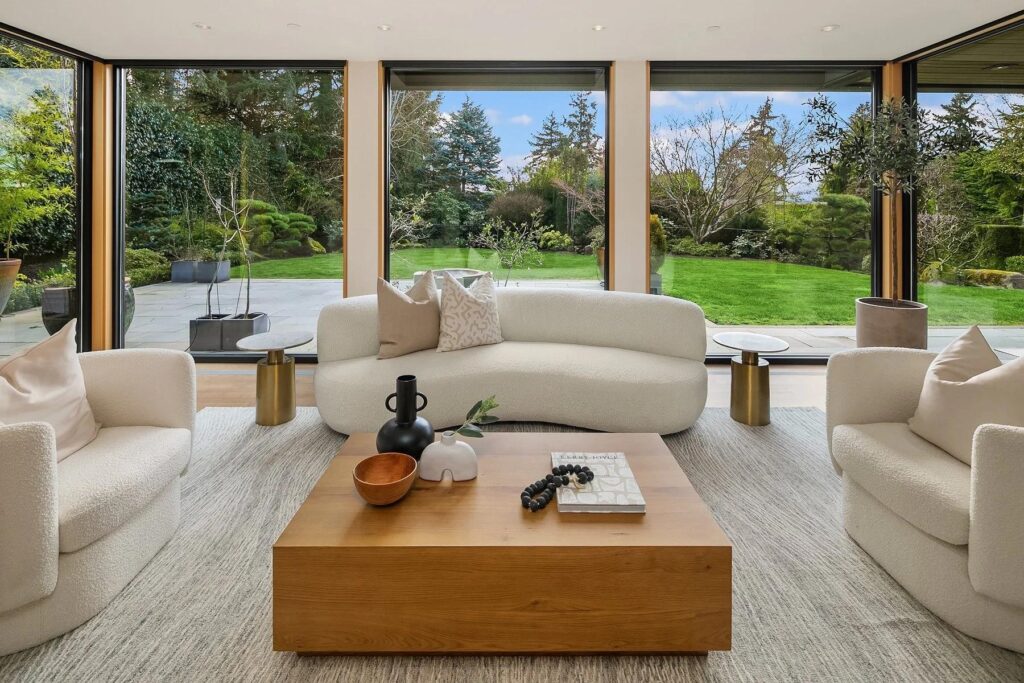
A fixed picture window maximizes an uninterrupted view but does not provide ventilation. It can work well alongside an operable unit, provided the overall combination satisfies the room’s light, ventilation, and emergency-escape requirements where applicable.
Frame Materials, Colors, and Appearance
For many residential projects, Custom windows come with choices of frame color, grille pattern, glass, and installation frame. Vinyl is popular because it generally needs little painting and can be supplied in many configurations. Other manufacturers offer fiberglass, wood, aluminum, or composite systems, each with different aesthetics, maintenance obligations, and structural properties.
Frame material alone does not determine energy performance. Compare complete-window ratings rather than assuming that one material is always superior. Also consider the sightline: wider frames may reduce visible glass area even when two units have similar overall dimensions.
ClearMax’s published online catalog emphasizes configurable vinyl windows, with options such as white, almond, black, and two-tone finishes depending on the product. Grille patterns and specific color combinations may differ by style and manufacturing region. Confirm the final appearance in the actual configurator rather than relying on an illustrative photograph.
Understand U-Factor, SHGC, and Glass Options
Energy ratings are a major reason buyers research Custom windows. The National Fenestration Rating Council, or NFRC, provides standardized ratings that allow comparisons of complete window assemblies.
- U-factor: Indicates how readily heat moves through a window; lower values generally mean less heat transfer.
- Solar heat gain coefficient (SHGC): Indicates the fraction of solar heat admitted; a lower figure helps limit unwanted solar heat, while greater solar gain may be useful in some cold-climate applications.
- Visible transmittance: Indicates how much visible daylight enters through the window.
- Air leakage: Describes measured air passage through the product under test conditions.
ENERGY STAR’s current window criteria depend on climate zone, not a single nationwide glass specification. Use its climate-zone finder and product listings to check the configuration you intend to buy. The U.S. Department of Energy also explains that Low-E coatings, insulated glazing, gas fills, and spacers can influence thermal performance.
The correct Custom windows for a hot, sunny room may use a different glazing package than a north-facing window in a cold climate. Ask for ratings tied to the exact glass, frame, and operating type; a generic brochure figure might describe a different model.
Measuring: The Most Expensive Detail to Get Wrong
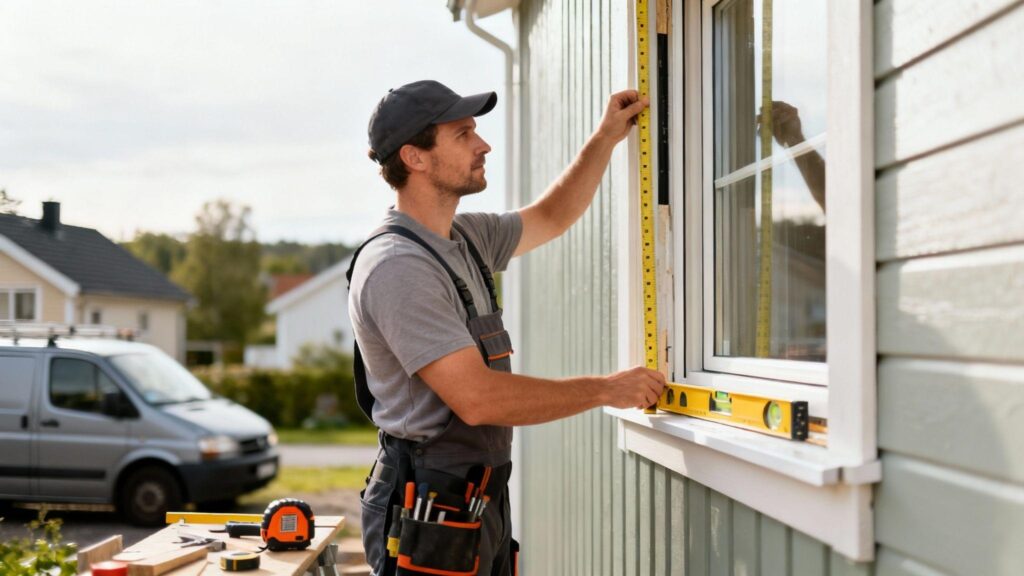
Accurate measurements are essential when ordering Custom windows. The right method depends on whether a contractor is keeping part of an existing frame, replacing the entire frame, or installing into a new rough opening. Do not assume a measurement taken across visible glass is an ordering dimension.
ClearMax advises measuring width and height at three points and recording the smallest dimension. Its FAQ also warns that replacement, block-frame, and new-construction projects require different approaches. That guidance should be used with the specific product’s measurement and installation instructions, not as a universal instruction to subtract an arbitrary amount from the opening.
Have the installer verify each opening, including whether it is square, plumb, and level. Label windows by room and position, and record the intended opening direction as viewed from the correct side. A few minutes of cross-checking can prevent a unit from being fabricated for the wrong opening.
Replacement Frames Versus New-Construction Frames
Custom windows may be supplied with retrofit, block, or nail-on frame configurations. A retrofit installation can sometimes preserve portions of the existing frame and exterior finishes, while a full-frame replacement removes more material and can expose hidden damage. Nail-on flanges are generally associated with new construction or suitable full-frame projects.
These are not interchangeable choices. An installer must assess water-management details, existing flashing, siding, wall structure, and the condition of the original opening. Confirm which option the contractor intends to use before configuring the order. Proper integration with the weather-resistant barrier is as important as the glass package.
How Buying Windows Online Works
The appeal of Custom windows online is the ability to configure an order and see the quoted product price without waiting for an in-home sales appointment. ClearMax’s Custom windows page describes an online process for choosing the style and options, viewing pricing, checking out, and arranging delivery or pickup.
According to its product pages, configurations can include single-hung, slider, picture, casement, and awning styles; frame, glass, color, grille, and climate-oriented energy options vary by product. ClearMax advertises widths and heights from 10 to 72 inches, but an individual window’s permitted dimensions and combination of options still need confirmation.
The company lists $299 job-site delivery for eligible orders in the contiguous United States and warehouse pickup where available. It also describes production commonly taking roughly 21 to 42 days, subject to the selected product and fulfillment conditions. Enter the delivery ZIP code and verify lead time, shipping eligibility, taxes, and fees before committing to an installation date.
Pricing: Compare the Complete Project
An online listing may help price Custom windows as products, but that is not the same as a completed replacement-window project. The final cost may include removal, installation labor, trim, flashing, insulation, permits, disposal, screens, and repair of concealed damage. Larger sizes, tempered glass where required, special colors, and more complex shapes can change the product price.
Request two separate figures: the final configured product cost and the contractor’s installation quote. Confirm whether the supplier’s warranty covers the manufactured unit, which labor responsibilities belong to the installer, and whether accidental measurement errors are excluded. Avoid savings claims that assume every home has the same existing windows, utility prices, and climate.
ClearMax describes a limited lifetime warranty, but coverage and exclusions depend on its written terms and the applicable product. Its FAQ notes that custom items generally cannot be returned for customer measurement mistakes and that shipping damage should be documented upon delivery. Read those conditions before ordering.
Safety, Building Codes, and Professional Installation
Custom windows still need to meet relevant local requirements. Depending on their location, windows may be subject to rules concerning emergency escape and rescue, safety glazing, wind loads, structural openings, or other building-code provisions. A window that fits physically is not necessarily permitted for that room. Ask your installer or building department which approvals and products are required.
Older housing adds another consideration. The U.S. Environmental Protection Agency states that window replacement in many pre-1978 homes can fall under its Renovation, Repair and Painting Rule when work disturbs painted surfaces. Contractors performing covered work need applicable lead-safe certification and procedures. Consult the federal or authorized state program before demolition begins.
Installation quality also affects comfort and moisture resistance. A qualified installer should check flashing, fastening, air sealing, drainage, operation, and water management according to the manufacturer’s approved instructions. Buyers should inspect every delivered unit for damage and confirm labels and sizes before the old windows are removed.
An Eight-Point Checklist Before Checkout
For Custom windows, a disciplined order review is worth more than a rushed discount. Work through the following checks with the person responsible for installation:
- Confirm whether each opening needs repair, insert replacement, or full-frame work.
- Verify measurements independently and label every opening.
- Match styles to ventilation, access, and room requirements.
- Review NFRC ratings and relevant ENERGY STAR climate-zone criteria.
- Select the correct frame type, finish, glass, and grille configuration.
- Verify applicable egress, safety-glazing, and local permit requirements.
- Check product lead time, shipping access, receiving arrangements, and installation scheduling.
- Read the warranty, cancellation, return, and damage-claim terms before paying.
Keep an electronic copy of the approved configurations and receipt. For a multi-window order, a simple schedule listing location, size, type, and handing can help the installer check the shipment when it arrives.
Frequently Asked Questions
1. Are custom windows better than stock windows?
Not automatically. Custom windows are especially useful for unusual openings or tailored features, but quality depends on the whole product, its tested performance, and proper installation. A stock unit can be suitable when its dimensions and specifications fit the project.
2. Can I order replacement windows using my own measurements?
You can measure initially, but a qualified installer should verify the dimensions and installation method before fabrication. An incorrect made-to-order size may not be returnable.
3. What is the difference between Low-E and ENERGY STAR?
Low-E describes a coating technology. ENERGY STAR is a certification for specific products meeting climate-zone performance requirements. A Low-E label by itself does not establish ENERGY STAR eligibility.
4. Do made-to-order windows come in different operating styles?
Yes. Common choices include single-hung, sliders, casements, awnings, and fixed picture designs. Exact dimensions and combinations depend on the manufacturer and selected product.
5. How long do made-to-order windows take?
Timelines vary. ClearMax describes production commonly taking about 21 to 42 days for replacement orders, but manufacturing schedules, options, and delivery locations can change the estimate. Confirm timing for your order.
6. Does buying online include professional installation?
Usually not unless the seller specifically quotes it. ClearMax says professional installation may be available for select projects in San Diego County, California, with separate pricing; customers elsewhere generally arrange their own qualified installer.
7. Can custom windows reduce heating or cooling costs?
Appropriate high-performance products may reduce heat loss or unwanted solar gain, but results depend on the existing windows, building conditions, climate, and installation. Check independent ratings and avoid promises of guaranteed savings.
8. What should I check when a shipment arrives?
Match each unit to the order schedule, inspect for broken glass or frame damage, check the sizes and options, and document problems promptly before installation. Follow the supplier’s delivery-claim procedure.
Conclusion
Custom windows can solve unusual sizing challenges and allow meaningful choices in appearance, ventilation, and efficiency. The strongest purchasing process starts with verified measurements and code requirements, then compares tested ratings, frame compatibility, complete installed cost, and supplier policies. Before placing an online order, confirm the exact configuration with your installer so the finished window performs as well as it looks.

Written by Twastia Editorial Team
Twastia Editorial Team shares practical insights about website design, SEO services, Google Ads, content marketing, social media, conversion rate optimization, and digital marketing strategy.
Last updated: Oct 17, 2026
Related posts from Twastia
Explore more useful articles from twastia.com about digital marketing, SEO, websites, ads, content, and growth strategy.