The Ultimate Guide to Dog Insurance: Coverage, Costs & Top Picks
Bringing a dog into your home is one of the most rewarding experiences imaginable. From greeting you at the door […]

Bringing a dog into your home is one of the most rewarding experiences imaginable. From greeting you at the door with a wagging tail to joining you on weekend adventures, canine companions enrich our lives in countless ways. However, pet ownership also comes with significant responsibilities, chief among them being healthcare. Just like humans, dogs are prone to unexpected illnesses, accidental injuries, and age-related health conditions. When a sudden medical emergency strikes, veterinary bills can quickly escalate into thousands of dollars.
For many pet parents, facing an unexpected veterinary crisis creates an agonizing financial dilemma. This is where securing a reliable dog insurance policy becomes an invaluable safety net. Rather than gambling with your pet’s health or risking financial hardship, modern pet health coverage allows you to focus entirely on your furry friend’s recovery. This comprehensive guide explores how policies operate, what they cover, how much you can expect to pay, and how to select the ideal plan for your household.
Understanding How Dog Insurance Works

Unlike human health insurance, which often involves complex networks of primary care physicians and specialists, pet insurance operates on a reimbursement model. When you take your sick or injured dog to any licensed veterinarian in the United States, you pay the clinic bill upfront at the time of service. Afterward, you submit the itemized invoice and medical records to your insurance provider via a mobile app or online portal.
Once the claim is processed and verified, the insurance company reimburses you for the eligible percentage of the bill, typically ranging from 70% to 90%, depending on the reimbursement rate you selected when purchasing the policy. To understand how payouts are calculated, it helps to familiarize yourself with three core financial components:
- Deductible: The annual amount you must pay out-of-pocket for veterinary care before your insurance policy begins reimbursing you. Once your annual deductible is met, you do not pay it again until the next policy year.
- Reimbursement Rate: The percentage of covered veterinary expenses that the insurance company pays you back after your deductible has been met. Common options are 70%, 80%, or 90%.
- Annual Limit: The maximum amount your insurance provider will pay out for claims during a single policy year. Many providers offer options ranging from a few thousand dollars to unlimited annual coverage.
What Accidents and Illnesses Are Typically Covered?
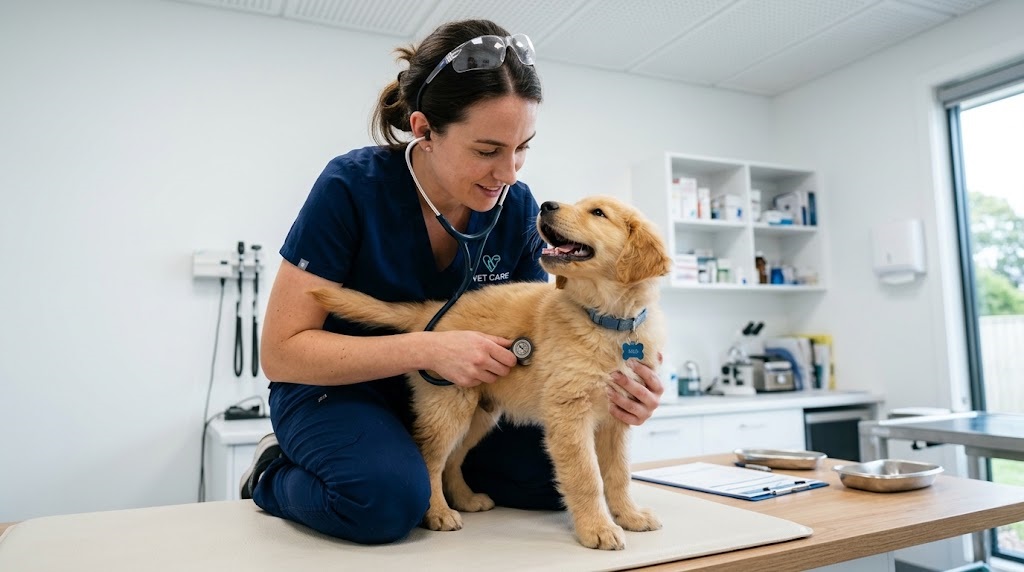
The scope of coverage depends heavily on the specific policy you choose, but comprehensive accident and illness plans generally form the gold standard of pet protection. These robust policies are designed to cushion the blow of unforeseen medical events, ensuring your dog receives necessary diagnostics, treatments, and medications.
Accident-only policies are also available for older dogs or budget-conscious owners, but they strictly cover sudden traumas like being hit by a car, swallowing a foreign object, or toxic ingestion. Comprehensive accident and illness plans go much further, covering ear infections, gastrointestinal distress, skin allergies, urinary tract infections, and chronic conditions such as diabetes or cancer, provided they developed after the policy’s waiting period expired.
Surgical Interventions and Emergency Care
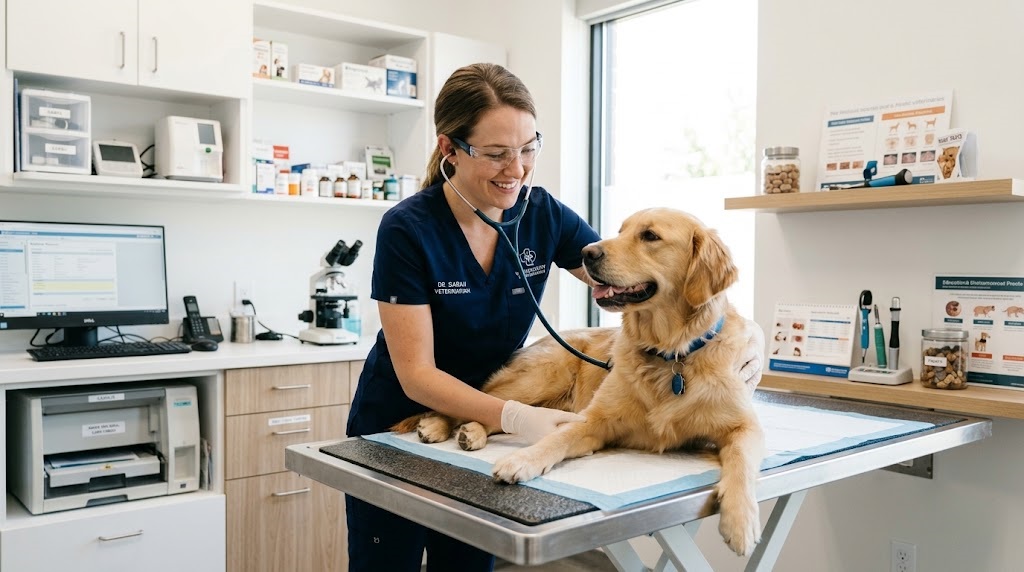
When a dog requires emergency surgery—whether for a torn cranial cruciate ligament (CCL), a swallowed toy requiring abdominal exploration, or severe trauma—veterinary costs can soar past five thousand dollars instantly. Comprehensive coverage ensures that emergency room visits, overnight hospital stays, surgical fees, anesthesia, and postoperative care are largely reimbursed.
Diagnostics, Imaging, and Laboratory Testing
Pinpointing the root cause of an illness often requires advanced diagnostics, including digital X-rays, ultrasounds, MRIs, blood chemistry panels, and urinalysis. Quality insurance plans cover these essential diagnostic tools, allowing veterinarians to formulate accurate treatment plans quickly without cutting financial corners.
Key Exclusions and What Is Not Covered
While pet health coverage provides expansive protection, every provider maintains specific exclusions that policyholders must understand. Knowing what is excluded prevents unpleasant surprises when filing a claim.
- Pre-Existing Conditions: Any injury or illness that showed clinical symptoms or occurred before your policy’s effective date—or during the mandatory waiting period—is classified as a pre-existing condition and will not be covered. This is why enrolling your dog when they are young and healthy is highly advantageous.
- Routine and Preventive Care: Standard accident and illness policies do not cover routine wellness exams, annual vaccinations, heartworm prevention, flea and tick treatments, or dental cleanings. However, most providers offer optional wellness add-ons for an extra monthly fee to help offset these predictable expenses.
- Spaying and Neutering: Unless you purchase an optional wellness package that specifically includes elective procedures, routine spay and neuter surgeries are generally excluded from standard medical plans.
- Breeding and Commercial Use: Dogs used for commercial breeding, guarding, racing, or illegal fighting activities are universally excluded from standard pet insurance underwriting.
The Financial Impact of Veterinary Inflation
Veterinary medicine has advanced by leaps and bounds over the past two decades. Today’s veterinary hospitals offer advanced oncology treatments, specialized orthopedic surgeries, physical rehabilitation, and state-of-the-art diagnostic imaging that match human medical facilities. While these breakthroughs save countless animal lives, they also drive up the cost of veterinary care significantly.
Veterinary inflation consistently outpaces standard consumer price inflation. When facing a complex diagnosis like canine cancer, treatments involving chemotherapy and specialized oncology care can easily exceed ten thousand dollars. Without adequate financial protection, families may find themselves forced to make heartbreaking choices based purely on economics rather than medical prognosis. Securing comprehensive coverage transforms unpredictable, catastrophic veterinary bills into manageable monthly premiums.
Factors That Influence Dog Insurance Costs
Monthly premiums for pet insurance vary widely based on several key underwriting factors. Understanding these variables helps you tailor a policy that balances robust protection with a comfortable monthly budget.
- Breed and Species: Certain dog breeds are genetically predisposed to specific health conditions. For example, large-breed dogs prone to hip dysplasia or deep-chested breeds susceptible to bloat typically command higher insurance premiums than mixed-breed rescue dogs.
- Age: Just like human health insurance, pet insurance premiums increase as dogs age and face higher statistical risks of developing chronic illnesses. Enrolling your puppy early locks in lower base rates.
- Geographic Location: Veterinary costs vary dramatically by region. Urban areas with high costs of living and expensive specialty veterinary hospitals generally feature higher premiums than rural areas.
- Customizable Policy Settings: You directly control your monthly premium by adjusting your annual deductible, reimbursement percentage, and annual limit. Opting for a higher deductible and an 80% reimbursement rate lowers your monthly bill, whereas unlimited annual coverage and a 90% reimbursement rate increase it.
Tips for Choosing the Right Provider
With dozens of pet insurance companies operating across the United States, comparing options carefully is essential. Start by requesting quotes from at least three reputable providers using identical coverage parameters. Pay close attention to how each company handles claims processing speeds, customer service accessibility, and whether they increase rates automatically as your dog ages.
Look for providers that offer direct-to-vet payment options, which eliminate the need for you to pay massive emergency bills out-of-pocket while waiting for reimbursement. Additionally, review customer satisfaction ratings and read fine print regarding bilateral conditions, such as knee injuries, to ensure your insurer doesn’t unfairly exclude the second leg if one knee has already been treated.
Frequently Asked Questions
What is the best age to insure a puppy or dog?
The ideal time to enroll your dog is when they are a young puppy, ideally as soon as they leave their litter at eight weeks old. Enrolling early ensures they have no medical history, meaning virtually no conditions will be classified as pre-existing when you sign up.
Does pet insurance cover pre-existing conditions?
No standard pet insurance provider covers pre-existing conditions. If your dog has been diagnosed with or shown symptoms of a condition before your policy starts—or during the waiting period—any future treatment for that specific condition will be excluded. Some insurers do cover curable conditions, like ear infections or minor respiratory infections, if your dog has been symptom-free for a specified period, typically 180 days.
Can I visit any licensed veterinarian with my policy?
Yes. Unlike human managed-care networks, pet insurance allows you to visit any licensed veterinarian, emergency animal hospital, or veterinary specialist anywhere in the United States or Canada. You are never restricted to a specific network of clinics.
How long are the waiting periods before coverage begins?
Waiting periods vary by provider and type of coverage. Accidents usually have a very short waiting period of 2 to 5 days. Illnesses typically require a 14-day waiting period. Certain serious conditions, such as cruciate ligament injuries or hip dysplasia, may carry an extended waiting period ranging from 6 months to a full year unless waived following a veterinary orthopedic exam.
Are older dogs eligible for pet insurance?
Yes, many insurance providers accept older dogs, though some enforce maximum age limits for enrolling in new accident and illness plans. Keep in mind that premiums for senior dogs will be significantly higher, and any chronic conditions they have already developed will be excluded as pre-existing.
How do pet insurance companies process claims?
Most modern insurers allow you to file claims digitally by snapping a photo of your itemized veterinary invoice and uploading it through a mobile app or online portal. Reimbursements are typically deposited directly into your bank account via direct deposit within 3 to 10 business days after the claim is approved.
Is pet insurance tax-deductible?
For the vast majority of pet owners, pet insurance premiums are considered personal expenses and are not tax-deductible. The only exception applies to certified service animals or working dogs, where veterinary care and maintenance expenses may qualify under specific business or medical deductions.
Conclusion
Welcoming a dog into your home brings immeasurable joy, companionship, and unconditional love, but it also carries the responsibility of safeguarding their health and well-being. Unexpected accidents and sudden illnesses can strike at any moment, turning a peaceful evening into a stressful medical emergency. By investing in comprehensive coverage, you ensure that financial constraints will never stand in the way of providing your canine companion with the highest standard of veterinary care. Taking time to research policies, compare providers, and secure a reliable plan gives you absolute peace of mind, allowing you to cherish every memorable adventure with your furry best friend.

Written by Twastia Editorial Team
Twastia Editorial Team shares practical insights about website design, SEO services, Google Ads, content marketing, social media, conversion rate optimization, and digital marketing strategy.
Last updated: Oct 18, 2026
Related posts from Twastia
Explore more useful articles from twastia.com about digital marketing, SEO, websites, ads, content, and growth strategy.