Roof restoration: The Best Guide to Extending Your Roof’s Lifespan
Maintaining a home’s structural integrity is one of the most critical responsibilities of property ownership across the United States. Your […]
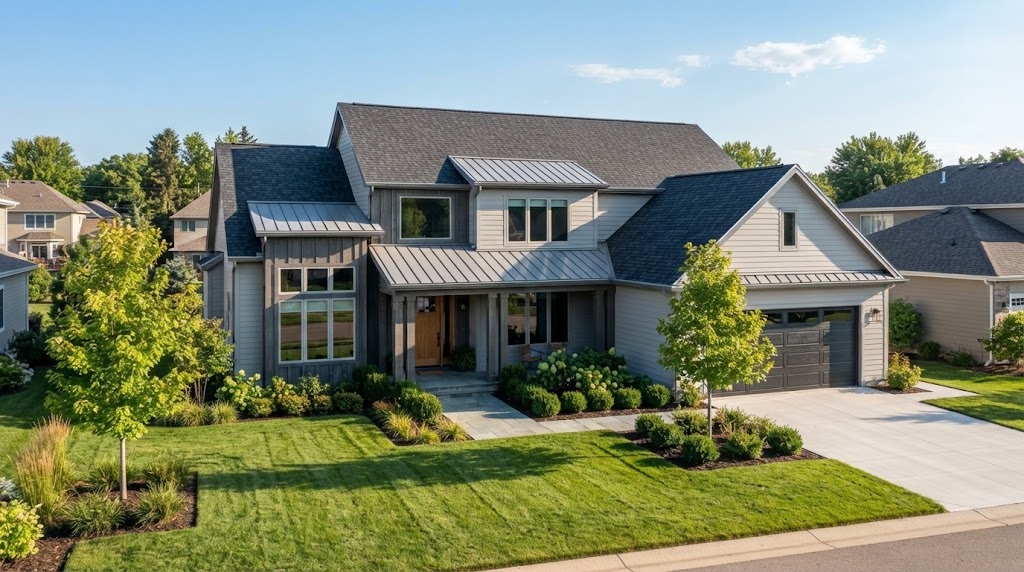
Maintaining a home’s structural integrity is one of the most critical responsibilities of property ownership across the United States. Your roof serves as the primary defense against harsh weather elements, including blistering sun, heavy rain, hail, freezing temperatures, and strong winds. Over time, constant exposure to atmospheric conditions causes roofing materials to age, lose protective granules, develop minor surface cracks, and fade aesthetically.
When aging shingles or metal panels begin showing wear, many homeowners assume a complete, tear-off replacement is the only solution. However, pursuing a professional roof restoration offers a cost-effective, environmentally friendly alternative that extends the working lifespan of your existing structure.
Opting for an engineered restorative treatment allows property owners to renew their weatherproofing barrier without incurring the high labor fees, material disposal costs, and disruption associated with complete roof replacement. By addressing minor structural flaws, applying high-performance protective coatings, and re-sealing seams early, a timely roof restoration restores your roof to optimal performance while boosting curb appeal. Understanding when restorative treatment is viable—and how it compares to standard repairs or full replacement—empowers property owners to make smart financial decisions regarding building maintenance.
In this ultimate comprehensive guide, we will examine the core principles of roof renewal, analyze the physical steps involved in restorative projects, compare coating materials across different roofing substrates, review financial savings, and answer the most frequently asked questions about maintaining residential and commercial roofs.
What Is Roof Restoration and How Does It Work?
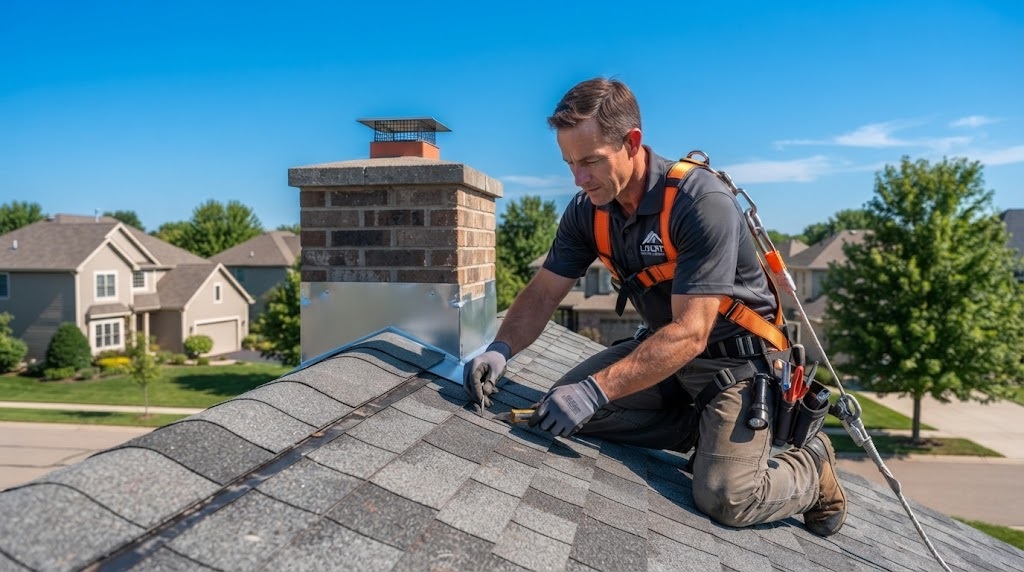
To evaluate maintenance options effectively, property owners must understand what a restorative process entails and how it differs from minor spot repairs or full replacements.
Defining the Restorative Process
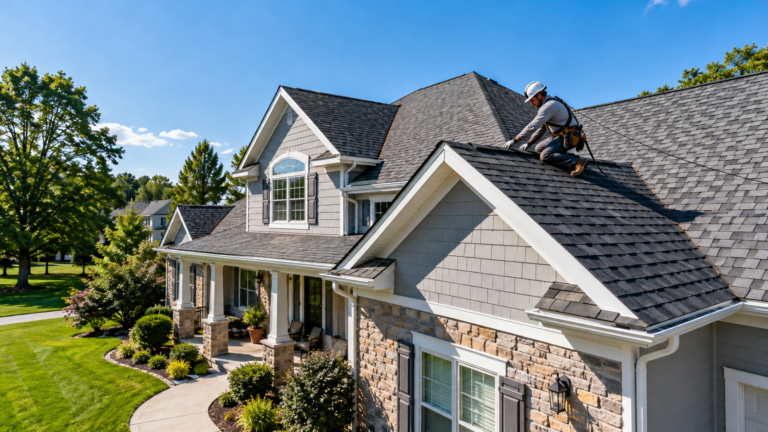
A comprehensive roof restoration is a systematic multi-step process designed to repair, clean, re-seal, and coat an existing roof structure without tearing off underlying materials. Unlike a quick spot repair that targets an isolated leak, a full restoration treats the entire roof surface area. It repairs worn flashing, replaces missing or damaged shingles, cleans away algae and moss, re-secures loose fasteners, and applies specialized liquid protective coatings.
By creating a seamless protective membrane over existing materials, roof restoration restores structural weatherproofing capabilities and prevents future leaks. This process rejuvenates aging materials, helping them withstand daily thermal expansion and contraction cycles.
Restorative Treatment vs. Spot Repair vs. Total Tear-Off
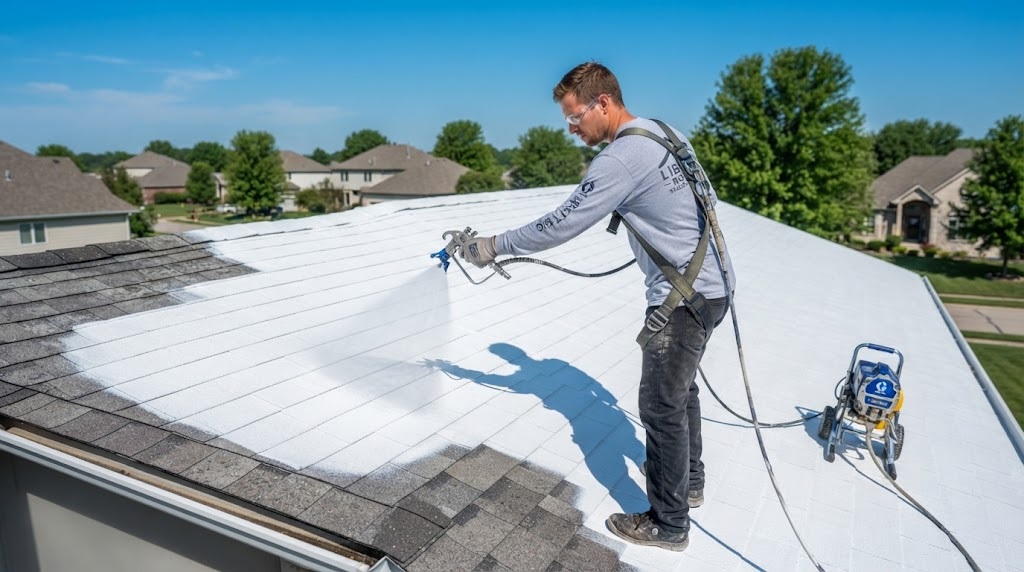
Understanding the distinction between maintenance approaches ensures you choose the right service level for your property:
- Spot Repairs: Focus exclusively on fixing immediate, localized issues—such as replacing a few wind-blown shingles or re-caulking around a chimney flashing. While necessary for sudden damage, spot repairs do not address age-related wear across the broader roof deck.
- Roof Restoration: Treats the entire roof envelope comprehensively. It is ideal for structurally sound roofs experiencing mid-life material aging, surface fading, minor leaks, or granule loss.
- Total Tear-Off Replacement: Involves completely removing existing shingles, underlayment, and damaged decking down to the rafters, followed by installing brand-new materials. Total replacement is required when structural framing is rotted, decking has failed, or multiple roofing layers already exist.
For properties with sound structural framing, scheduling a professional roof restoration delivers comprehensive protection at a fraction of total replacement costs.
Key Benefits of Roof Restoration vs. Total Replacement
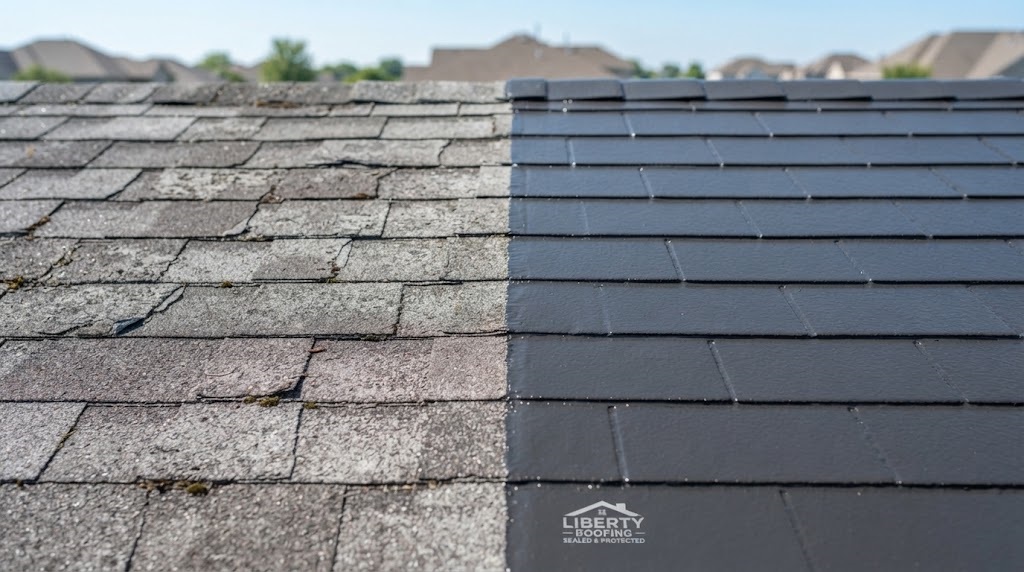
Choosing restorative treatment over full tear-off replacement provides several distinct financial, operational, and environmental benefits for property owners.
Substantial Financial Savings
Cost is often the primary factor driving home maintenance decisions. A total roof replacement involves significant labor expenses for tear-off, dumpster rental fees, landfill disposal charges, and high material costs for new underlayment and shingles.
In contrast, a complete roof restoration typically costs between 40% and 60% less than full replacement. Because existing materials remain in place, labor hours are reduced, and disposal expenses are eliminated entirely. These savings allow property owners to redirect maintenance capital into other home improvement projects while securing long-term weather protection.
Extended Roofing Lifespan and Extended Warranties
Applying modern elastomeric, silicone, or acrylic protective coatings during a roof restoration adds 10 to 15+ years of reliable service life to an existing roof. High-performance liquid coatings form a seamless, waterproof shield that protects underlying materials from UV degradation, moisture intrusion, and thermal shock.
Furthermore, leading coating manufacturers offer renewable material warranties. When the initial restoration coating reaches the end of its multi-year warranty period, applying a fresh topcoat extends structural protection for another decade, creating a repeatable maintenance cycle.
Improved Energy Efficiency and Lower Utility Bills
Traditional dark asphalt shingles absorb significant solar radiation, transferring heat directly into attic spaces and raising interior air conditioning demands during hot summer months. During a professional roof restoration, contractors can apply reflective “cool roof” coatings containing specialized solar-reflective pigments.
These reflective coatings bounce up to 85% of solar radiant heat away from the building envelope. By lowering attic temperatures, a reflective roof restoration reduces indoor cooling loads, lowers summer electricity bills, and reduces stress on HVAC equipment.
Environmental Sustainability and Reduced Landfill Waste
Tearing off an old asphalt shingle roof generates tons of heavy, non-biodegradable petroleum waste that ends up in local municipal landfills. Asphalt shingles account for millions of tons of landfill waste across North America every year.
Opting for an eco-friendly roof restoration keeps existing materials on your building frame and out of landfills. Reusing sound structural substrates minimizes your property’s environmental footprint, making restoration an excellent choice for sustainability-minded property owners.
Common Signs Your Home Needs Roof Restoration
Determining whether your roof is a candidate for restorative treatment requires recognizing early warning signs of material aging before structural decay occurs.
Granule Loss and Aging Asphalt Shingles
Asphalt shingles are coated with mineral granules that protect the underlying asphalt layer from damaging UV rays. As shingles age, rain, hail, and sun exposure cause these granules to loosen and wash away into rain gutters. If you notice heavy accumulations of mineral grit in your downspouts, or if your roof displays bare dark patches, scheduling a roof restoration can apply protective sealants before shingles crack and curl.
Minor Roof Leaks, Water Stains, and Seam Failures
Intermittent ceiling water stains, attic moisture, or leaking around roof valleys often signal deteriorating flashings or failing seam seals. If the underlying wooden roof deck remains structurally sound without sagging or widespread rot, an engineered roof restoration can seal all surface penetrations, flashings, and seams, stopping leaks permanently.
Faded Metal Panels, Rust Spots, and Loose Fasteners
Metal roofing systems on residential and commercial structures are exceptionally durable, but protective factory paint finishes eventually chalk, fade, and peel after 15 to 20 years of exposure. Rust spots can develop around exposed screw fasteners or panel overlaps. Applying a specialized metal roof restoration coating stops corrosion, tightens or replaces loose fasteners, and restores a clean, vibrant aesthetic finish.
The Step-by-Step Roof Restoration Process
Executing a successful restoration project requires a disciplined, multi-stage workflow to ensure long-term adhesion and weatherproofing performance.
Step 1: Comprehensive Roof Inspection and Structural Audit
Every successful restoration project begins with a detailed physical inspection. Certified roofing technicians examine the entire roof perimeter, checking for rotted deck boards, compromised flashings, sagging rafters, and moisture intrusion under shingles or membranes. Any structurally compromised wood decking or rotten framing must be replaced before restorative treatments begin.
Step 2: High-Pressure Surface Cleaning and Washing
For new protective coatings to bond correctly, the roof substrate must be completely free of dirt, moss, algae, oil, and loose debris. Crews utilize professional pressure washing equipment combined with eco-friendly cleaning solutions to scrub the entire surface area. Removing biological growth ensures that subsequent primers and topcoats adhere directly to clean roofing material.
Step 3: Structural Repairs, Flashing Seals, and Fastener Tightening
Once the surface dries, technicians execute detailed spot repairs across the entire roof surface:
- Damaged, cracked, or missing shingles are replaced.
- Loose screws on metal roofs are replaced with oversized gasketed fasteners.
- Flashing around chimneys, skylights, plumbing vents, and parapet walls is re-sealed using high-modulus polyurethane sealants.
- Seams, joints, and perimeter edges are reinforced with polyester fabric mesh embedded in heavy liquid sealant.
Step 4: Primer Application and Protective Topcoat Sprayed
With all surface preparation and detailed repairs completed, crews apply a specialized bonding primer matched to the specific roofing substrate (asphalt shingle, single-ply membrane, or metal). Finally, multiple coats of elastomeric, silicone, or acrylic topcoat are applied using commercial airless spray equipment or heavy rollers. The liquid coating cures into a seamless, rubberized waterproof membrane across the entire roof.
Following this systematic approach guarantees that your roof restoration delivers exceptional weatherproofing and long-lasting performance.
Comparing Material Types and Coating Options
Different roofing materials require specialized coating formulations to achieve optimal adhesion, flexibility, and longevity.
Acrylic Elastomeric Coatings
Water-based acrylic elastomeric coatings are widely used for residential and commercial restoration projects. They offer high solar reflectivity, excellent UV resistance, and ease of application. Acrylic coatings cure into a flexible, breathable membrane that allows moisture vapor to escape while blocking rain intrusion. They are ideally suited for sloped asphalt shingle, metal, and concrete tile roofs in regions with low ponding water exposure.
Silicone Coatings
Silicone coatings represent the ultimate solution for roofs prone to standing or ponding water. Unlike water-based acrylics, silicone coatings form a moisture-cured, hydrophobic rubber seal that does not degrade or wash away under standing water. Silicone coatings are exceptionally durable, maintain flexibility across extreme temperature swings, and offer superior resistance to atmospheric weathering. They are widely used for flat or low-slope commercial roofs, single-ply membranes (TPO/EPDM), and metal surfaces.
Polyurethane Coatings
Polyurethane coatings provide outstanding impact resistance and mechanical strength, making them ideal for roofs subject to heavy foot traffic, hail impacts, or mechanical equipment maintenance. They offer excellent adhesion to concrete, metal, and modified bitumen substrates, providing robust protection in demanding industrial and commercial environments.
Matching the correct liquid coating formulation to your specific roofing material ensures that your roof restoration investment yields maximum performance and durability.
Cost Analysis and ROI of Roof Restoration
Evaluating the economics of restorative care demonstrates clear long-term savings for property owners compared to immediate replacement.
Across the United States, a standard professional roof restoration ranges from $2.50 to $6.00 per square foot, depending on roof slope, height, coating material selection, and surface preparation requirements. By comparison, full tear-off and replacement costs typically range from $6.00 to $14.00+ per square foot.
Consider a standard 2,000-square-foot residential roof:
- Total Replacement Cost: $14,000 to $22,000+
- Complete Restoration Cost: $5,500 to $9,500
By choosing restorative treatment, the homeowner saves $8,000 or more up front while adding 10 to 15 years of reliable service life. Furthermore, because restoration qualifies as a maintenance expense rather than a capital improvement in commercial real estate accounting, commercial building owners can often deduct the full cost of a commercial roof restoration during the current tax year, improving short-term cash flow.
Frequently Asked Questions
What is the average lifespan of a roof restoration?
A professionally executed restoration using high-grade silicone or elastomeric coatings typically adds 10 to 15 years of service life to an existing roof. Applying a fresh topcoat at the end of the warranty period can extend protection for another decade.
Can any roof undergo restoration?
No. A roof must be structurally sound to qualify for restorative treatment. Roofs with widespread rotted wood decking, severe rafter sagging, multiple existing shingle layers, or wet insulation across more than 30% of the surface area require a complete tear-off replacement.
How do I know if my roof is suitable for a restoration?
Schedule a professional inspection with a licensed roofing contractor. The technician will perform a core sample test or infrared moisture scan to confirm that underlying decking and insulation are dry and structurally sound.
How long does a roof restoration project take to complete?
For a standard single-family home, the physical restoration process typically takes 2 to 3 days to complete—one day for pressure washing and repairs, and 1 to 2 days for primer and topcoat application, assuming clear weather conditions.
Is roof restoration environmentally friendly?
Yes. Restorative care keeps old petroleum-based shingles and roofing debris out of municipal landfills, reduces raw material demand for new manufacturing, and lowers household cooling energy consumption through solar-reflective coatings.
Will a restorative coating stop existing leaks?
Yes. A complete restorative process repairs broken flashing, replaces damaged shingles, reinforces seams with fabric mesh, and seals the entire surface under a seamless waterproof membrane, stopping existing surface leaks.
Can I paint my roof myself instead of hiring a professional?
While DIY roof paint products exist, professional restorative treatments utilize commercial-grade elastomeric and silicone formulations applied with high-pressure airless sprayers after rigorous surface cleaning. Professional application ensures proper mil thickness, uniform coverage, and valid manufacturer material warranties.
Conclusion
Preserving your home’s structural health does not always require expensive, disruptive tear-off replacements. Choosing an engineered roof restoration provides a smart, cost-effective, and environmentally responsible path to extending your roof’s service life by a decade or more. By repairing surface flaws, reinforcing vulnerable seams, and sealing the structure under a seamless, solar-reflective protective membrane, restorative treatments restore
full weatherproofing capabilities at a fraction of full replacement costs. Whether you manage a residential property or a commercial facility, acting early at the first signs of material wear maximizes savings and protects your building envelope. Schedule a comprehensive roof evaluation with a certified contractor today to explore how a professional roof restoration can protect your property and enhance your home’s curb appeal for years to come.

Written by Twastia Editorial Team
Twastia Editorial Team shares practical insights about website design, SEO services, Google Ads, content marketing, social media, conversion rate optimization, and digital marketing strategy.
Last updated: Oct 21, 2026
Related posts from Twastia
Explore more useful articles from twastia.com about digital marketing, SEO, websites, ads, content, and growth strategy.