services that offer home massages: Best Guide to Finding Professional At-Home Relaxation
A good massage can turn an exhausting week into a calmer evening. But when you’re already tired, getting dressed, driving […]
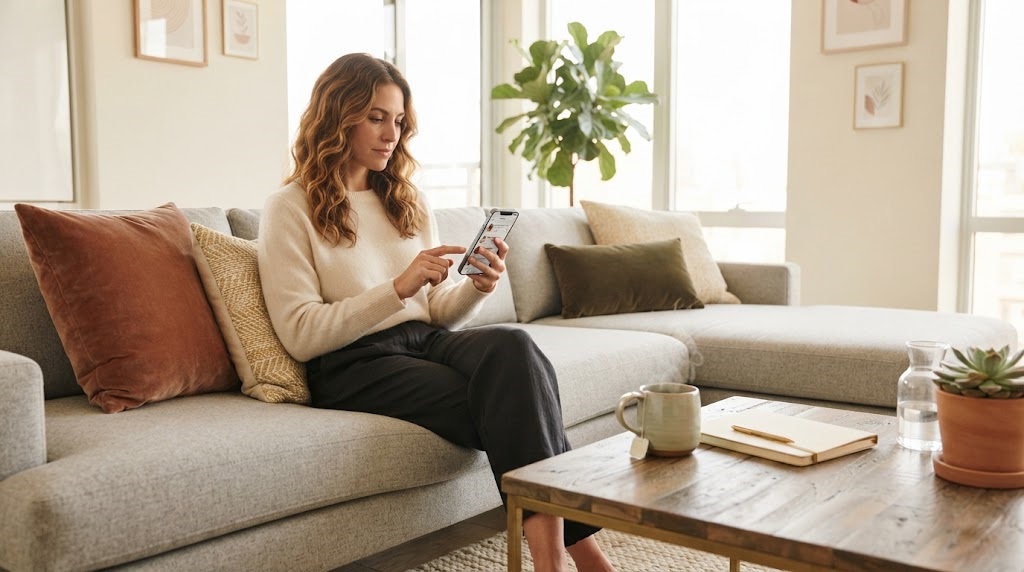
A good massage can turn an exhausting week into a calmer evening. But when you’re already tired, getting dressed, driving across town, and navigating a busy spa can feel like another chore. That’s why services that offer home massages have become an attractive choice for people who value convenience without giving up professional care.
The concept is simple: a trained massage therapist comes to an agreed residential location and provides a booked treatment in a private, familiar setting. Depending on the provider, you may be able to choose a relaxation session, a more focused muscle treatment, or a shared experience with a partner.
Still, not every mobile massage business works the same way. Knowing how to compare qualifications, prices, hygiene practices, and session styles helps you choose with confidence. This guide explains what to look for, how to prepare, and how to make the most of your appointment.
Why Choose a Massage at Home Instead of Visiting a Spa?

The biggest advantage of services that offer home massages is control over your time. There’s no need to factor in parking, transportation, or a trip back home after you’ve finally relaxed. You can simply stay in your own space when the session ends.
Privacy matters, too. Some clients prefer their living room, bedroom, or another quiet area to a shared spa environment. You can select the music, adjust the lighting, and keep distractions to a minimum. For parents, busy professionals, or people with packed schedules, flexibility may make occasional self-care easier to maintain.
Another benefit is personalization. Instead of choosing a treatment because it sounds fashionable, you can discuss your actual goals with the therapist. Perhaps you want a gentle experience after a stressful day, or you’d like attention on tense shoulders from long hours at a desk. Services that offer home massages should allow you to communicate those preferences before and during the treatment.
Home massage isn’t automatically better than a spa. Some people enjoy dedicated spa facilities, and not every home has enough space for a portable table. The best choice is the one that fits your comfort, budget, and needs.
Massage Styles You May Be Able to Book
When comparing services that offer home massages, start by reading the treatment descriptions rather than assuming every session feels alike. Names sometimes overlap, and techniques vary with training and local practices.
Swedish Massage for Gentle Relaxation
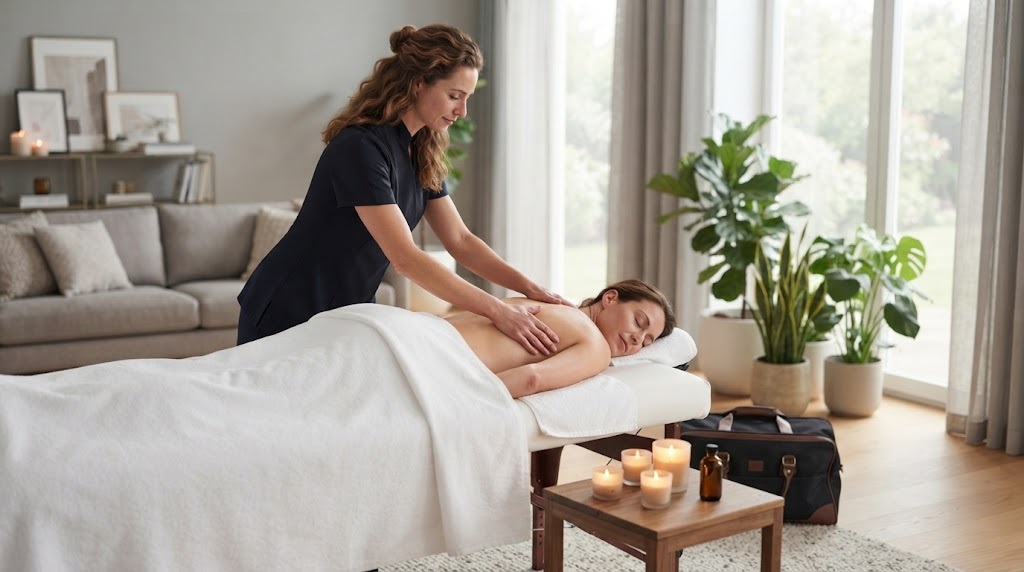
Swedish massage commonly combines gliding movements, kneading, and light-to-moderate pressure. It can suit someone booking their first treatment or looking for a restful experience. Tell the therapist if you prefer especially gentle touch or want certain areas avoided.
Deep Tissue Massage for Focused Pressure
Deep tissue sessions use slower, firmer techniques to work on areas of persistent muscle tension. More pressure does not necessarily mean a better result. You should be able to breathe comfortably and ask for immediate adjustments. If pain feels sharp or alarming, stop the technique.
Thai and Dry Massage for Stretching
Traditional Thai approaches may incorporate assisted stretches and pressure, sometimes on a floor mat and often without oil. Dry massage can appeal to people who dislike oily products. Because stretching may not suit every body or medical situation, explain injuries and mobility restrictions in advance.
Reflexology, Aromatherapy, and Couples Sessions
Reflexology usually focuses on hands or feet, while aromatherapy massage incorporates scented products. Check for skin sensitivities or fragrance preferences first. Couples sessions can provide a shared experience, but ask whether two therapists and sufficient space are required. The most useful services that offer home massages explain these practical details before checkout.
How to Choose a Professional Provider
With so many online options, identifying reputable services that offer home massages takes more than looking at attractive photographs. A clear website, responsive support, and straightforward policies are useful starting points, but they don’t replace proper professional standards.
Check Qualifications and Local Requirements
Ask who will provide the treatment, what training they have completed, and whether the therapist holds any license or certification required where you live. In the United States, regulation varies by state. A business serving another country should be assessed against that location’s rules, not U.S. standards.
Training also needs to match the service. Someone skilled at general relaxation may not have specialist preparation for prenatal massage or complex medical needs. If you are uncertain, ask questions before booking rather than relying on vague claims such as “expert” or “therapeutic.”
Review Equipment, Hygiene, and Boundaries
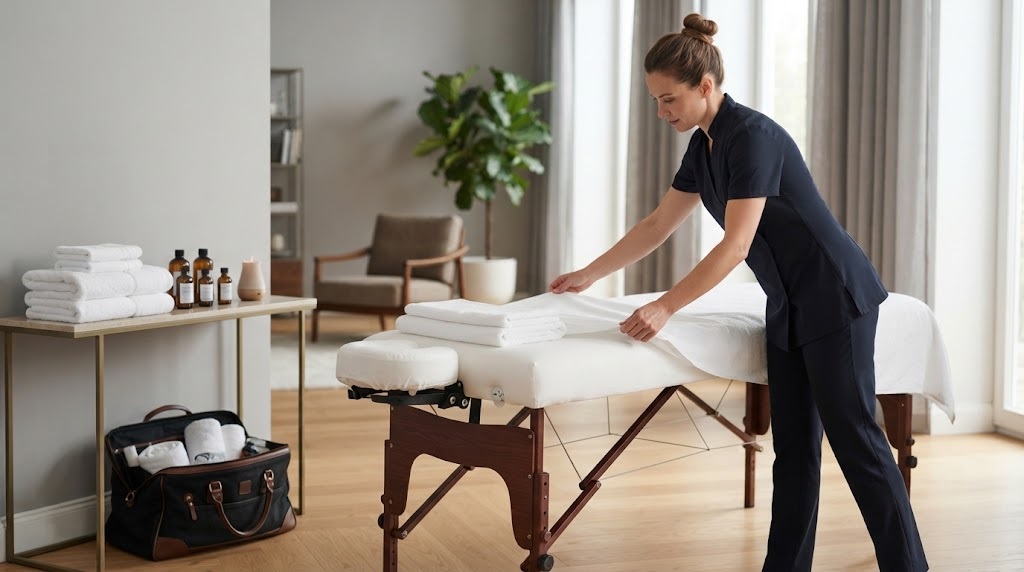
Trustworthy services that offer home massages should clearly explain whether the therapist brings a portable table, clean linens, oils, and other supplies. Ask how equipment is sanitized between clients and whether you need to provide towels or additional room space.
Professional boundaries are equally important. A therapist should explain the treatment, seek consent, respect areas you want excluded, and use appropriate draping. You can request a change in pressure, pause, or end a session at any time. Your sense of safety and comfort matters more than completing every booked minute.
Look Beyond Star Ratings
Read several detailed customer reviews, especially comments about punctuality, communication, and whether the actual treatment matched the description. Check cancellation rules and customer-support options. Consistent details across the website, booking confirmation, and reviews are more meaningful than a single glowing testimonial.
What Does an At-Home Massage Cost?
Prices for services that offer home massages can differ widely by city, duration, technique, therapist experience, and whether travel is included. A 30-minute seated appointment isn’t directly comparable to a 90-minute full-body treatment or a two-person session.
Before confirming a booking, review the total amount payable. Find out whether tax, travel charges, parking, gratuity, or evening surcharges apply. Also check minimum session lengths, package conditions, and refund terms. A tempting advertised starting price may apply only to a short treatment.
For U.S. customers, comparing prices from several local providers makes more sense than relying on a national average, which can hide major market differences. For a provider abroad, expect local currency and different tax rules. Reputable services that offer home massages make these details visible before payment and provide a written confirmation of the chosen treatment, duration, address, and price.
Value isn’t always the cheapest rate. Reliable scheduling, qualified care, respectful communication, and transparent policies are part of what you’re paying for.
Preparing Your Home for the Appointment
You don’t need a luxury interior to enjoy a relaxing treatment. Most services that offer home massages work best when there’s a clean, quiet space with enough room for the therapist to move safely around the table or mat.
Move small furniture out of the way, secure pets if necessary, and keep the room at a comfortable temperature. A nearby electrical outlet might be useful for certain equipment, but confirm the requirements beforehand. Put your phone on silent and let household members know you’ll need uninterrupted time.
Have relevant information ready: preferred pressure, recent injuries, allergies to massage oils, and areas to avoid. Wear comfortable clothing and follow the therapist’s guidance about undressing and draping. You should never feel pressured to expose more than is necessary for your chosen treatment.
What to Expect During and After Your Session
A professional appointment usually begins with a short discussion of your goals and relevant health information. The therapist may explain the plan, set up equipment, and check that you’re positioned comfortably before starting.
During the massage, speak up about pressure, temperature, or anything that doesn’t feel right. Afterward, get up slowly if you feel lightheaded and take a little time to rest. Drinking water is sensible for ordinary hydration, but massage should not be marketed as a proven way to “flush toxins” from the body.
Some temporary tenderness can occur after firmer work. Significant pain, unusual symptoms, or worsening discomfort deserve medical advice. The strongest services that offer home massages prioritize clear communication over exaggerated wellness promises.
A Real-World Example: Home Massage Booking in Dubai
If you’re traveling or arranging wellness services outside the United States, location becomes an essential part of the search. For example, Nooora’s home massage services in Dubai offer treatments at homes, apartments, and hotels within the company’s Dubai coverage areas.
Its listed options include therapeutic massage, reflexology, dry massage, and couples massage, with further styles such as Swedish and Thai massage. Nooora advertises service from 10 a.m. to 10 p.m., seven days a week, and a starting price of AED 158 for selected 30-minute treatments. Couples massage is listed separately. Pricing and appointment availability should always be confirmed when booking.
This illustrates why services that offer home massages need to be evaluated in their actual service area. Nooora is an example for Dubai, not a provider to assume is available throughout the United States. Wherever you book, check the address coverage, treatment details, and confirmed final price.
When You Should Check With a Health Professional First
Massage can be a pleasant wellness service, but it is not a substitute for medical assessment or treatment. Research suggests possible short-term relief for some types of pain, although evidence for many specific conditions is limited.
Speak with a qualified clinician before booking if you have a blood-clotting concern, an acute injury, a serious medical condition, unexplained pain, or another issue that could make pressure or positioning risky. Pregnancy, recent surgery, and some ongoing treatments may require a practitioner with additional training and medical clearance.
Avoid services that offer home massages that promise to cure diseases, replace prescribed care, or guarantee outcomes. Reliable providers welcome questions, discuss limitations, and refer health concerns to appropriate medical professionals.
Frequently Asked Questions About Home Massage Services
Are at-home massages as professional as spa massages?
They can be. Professionalism depends on the therapist’s credentials, conduct, equipment, and treatment quality—not the building. When considering services that offer home massages, evaluate those factors as carefully as you would for a traditional spa.
Does the massage therapist bring a table and supplies?
Many mobile therapists bring equipment, but the exact setup varies. Ask about the table or mat, linens, oils, cleaning procedures, and how much clear floor space is needed before the appointment.
Can I book a deep tissue massage at home?
Often, yes. Availability depends on the provider and location. Describe your preferences and any health concerns ahead of time, and remember that intense pressure should never be treated as proof of effectiveness.
How far in advance should I book?
It depends on your city, preferred time, and treatment. Weekend and evening appointments may fill faster, while some businesses advertise same-day service. Booking ahead gives you more options, especially for a couples session.
Are services that offer home massages suitable for first-time clients?
Yes, provided you select an appropriately trained therapist and clearly communicate your needs. A gentle relaxation treatment may feel more approachable than a firm-pressure session. Ask what the treatment involves before it begins.
Can massage help with stress or a sore back?
Massage may support relaxation and offer short-term relief for certain symptoms, but outcomes vary. It isn’t a guaranteed treatment for chronic back pain. Persistent or unexplained pain should be assessed by a healthcare professional.
How do I know if an at-home massage booking is legitimate?
Look for a real business identity, clear contact information, understandable policies, and verifiable practitioner qualifications. Avoid unclear payment demands or providers unwilling to discuss hygiene, safety, or consent.
Conclusion: Make Comfort and Credibility Your Priorities
The appeal of services that offer home massages is easy to understand: personalized relaxation without rearranging your entire day around a spa visit. Yet convenience is only one part of a worthwhile experience. Qualifications, cleanliness, consent, clear pricing, and responsive customer support deserve equal attention.
When searching for services that offer home massages, start by identifying the treatment you actually want. Compare providers serving your location, ask practical questions, and choose a therapist who makes you feel informed and comfortable. Whether you’re booking a quiet hour at home or arranging a treatment during a stay in Dubai, a thoughtful choice can turn an ordinary appointment into genuinely restorative personal time.

Written by Twastia Editorial Team
Twastia Editorial Team shares practical insights about website design, SEO services, Google Ads, content marketing, social media, conversion rate optimization, and digital marketing strategy.
Last updated: Oct 22, 2026
Related posts from Twastia
Explore more useful articles from twastia.com about digital marketing, SEO, websites, ads, content, and growth strategy.