Virtual try on: Transforming E-Commerce and Customer Experience
Online shopping has revolutionized retail, but it historically lacked a crucial element: testing products before buying. Consequently, shoppers often hesitate […]

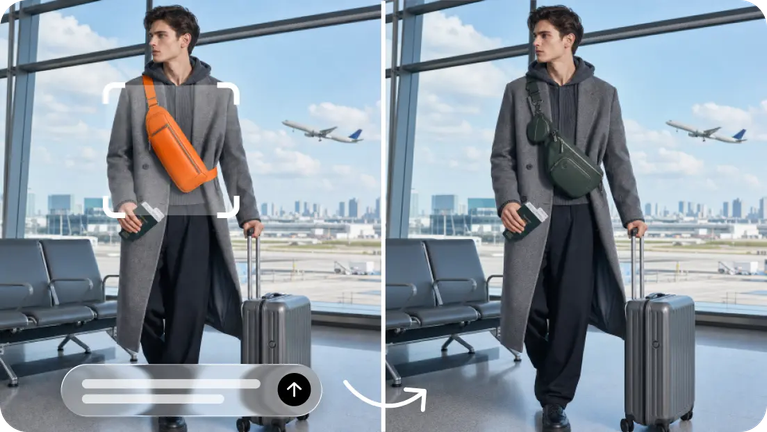
Online shopping has revolutionized retail, but it historically lacked a crucial element: testing products before buying. Consequently, shoppers often hesitate to purchase apparel, eyewear, or cosmetics on the internet. To bridge this gap, retailers now implement virtual try on technology. This innovative solution uses augmented reality and artificial intelligence to project digital products onto the user’s live video feed. As a result, consumers can see how a dress fits or how a shade of lipstick looks without stepping into a physical store.
The Technology Powering virtual try on Systems
Modern digital fitting rooms rely on complex technological architectures. Specifically, they combine computer vision, machine learning, and augmented reality. First, computer vision algorithms detect the user’s face or body in real-time. Then, machine learning models map the physical dimensions accurately. Finally, augmented reality overlays the 3D digital product onto the live feed. Consequently, the integration of these technologies creates a highly realistic simulation. Furthermore, developers constantly refine these algorithms to reduce latency. When a user moves their head, the digital overlay must react instantly. Any delay breaks the illusion and frustrates the shopper. Therefore, edge computing often processes these visual inputs directly on the device.
Computer Vision and Body Tracking in virtual try on
Computer vision acts as the eyes of the digital fitting system. It identifies key facial landmarks or body joints with millimeter precision. For example, when trying on glasses, the system tracks the bridge of the nose and pupil distance. Therefore, the digital glasses sit perfectly on the user’s face without floating. Furthermore, body tracking allows users to see how clothing drapes over their specific body shape. This precise tracking ensures the digital overlay moves naturally with the user. Advanced systems even account for lighting conditions in the room. They adjust the shadows on the digital garment to match the physical environment. Consequently, the realism of the simulation improves dramatically.
How virtual try on Enhances E-Commerce Experiences
E-commerce platforms constantly seek ways to reduce friction and increase conversion rates. Digital try-on capabilities address both goals effectively. When customers feel confident about a purchase, they complete the transaction quickly. Furthermore, interactive experiences keep shoppers on the website longer. Thus, search engines often reward these highly engaging sites with better visibility. The technology also taps into the psychological “endowment effect.” When users see themselves wearing a product, they develop a sense of ownership. Consequently, they are much more likely to buy the item.
Reducing Return Rates Through Digital Fitting
High return rates plague the online fashion and retail industry. Sizing issues and mismatched expectations drive most of these returns. However, virtual try on mitigates this problem significantly. By visualizing the product beforehand, shoppers make much more informed decisions. Consequently, retailers save millions on reverse logistics and restocking fees. Additionally, reducing the environmental impact of shipping returns boosts corporate sustainability goals. Fewer returns mean fewer delivery trucks on the road. Therefore, brands can market themselves as both technologically advanced and environmentally conscious. This dual appeal attracts modern, value-driven consumers.
Industry Applications for virtual try on Technology
Various retail sectors have adopted this technology to suit their specific product lines. While fashion leads the adoption, other industries quickly follow suit. Each sector utilizes the technology slightly differently to address unique consumer pain points. The goal remains the same: increasing buyer confidence.
Beauty and Cosmetics Digital Makeovers
The beauty industry heavily relies on digital try-on tools. Brands offer apps that scan a user’s face and apply digital makeup instantly. Customers test different lipstick shades, eyeshadows, and foundations without physical contact. Moreover, these tools adjust the lighting and skin tone for accurate representation. Therefore, shoppers can build a customized palette with confidence before spending money. This technology became especially vital during global health crises. Consumers could not test physical samples in stores. Thus, digital try-on provided a safe, hygienic alternative that kept sales flowing.
Eyewear, Jewelry, and Footwear Visualization
Buying glasses online used to be nearly impossible without trying them on first. Today, users can scan their faces and see how different frames look from multiple angles. Similarly, footwear brands use the technology to map feet accurately. The app recommends the correct shoe size and visualizes the sneakers on the user’s feet. Consequently, this removes the guesswork from online sizing charts. Jewelry brands also benefit greatly from this tech. Customers can see how a specific diamond ring looks on their own hand. They can adjust the band metal and carat size in real-time. Therefore, high-ticket purchases become less risky for the online consumer.
Overcoming Challenges in virtual try on Integration
Despite its clear benefits, implementing this technology presents distinct challenges. Retailers must ensure the digital experience is seamless and universally accessible. High latency or poor rendering quickly frustrates users and drives them away. Therefore, developers must optimize the software for various devices, including older smartphones. Not every consumer owns the latest flagship phone. The augmented reality experience must scale gracefully across different hardware capabilities.
Addressing 3D Asset Quality and Realism
The realism of the experience depends entirely on the quality of the 3D assets. A poorly rendered digital shirt looks flat and unnatural on a human body. Therefore, brands must invest heavily in high-fidelity 3D modeling. Furthermore, developers use physics engines to simulate how fabric moves and stretches. This attention to detail prevents the “uncanny valley” effect, where digital objects look eerie. If a digital pair of jeans lacks proper texture mapping, the user loses trust. Consequently, high-quality assets build consumer confidence in the digital representation.
Privacy and Data Security Considerations
Utilizing a camera-based try-on tool naturally raises privacy concerns. Users rightfully worry about how companies store their facial mapping data. Therefore, retailers must implement strict data privacy policies. The best applications process the visual data locally on the user’s device. They never upload the actual video feed to the cloud. Instead, the system only sends anonymous analytics back to the retailer. Consequently, brands must clearly communicate these privacy measures to the consumer. Transparent data policies prevent backlash and build long-term trust.
The Future Landscape of virtual try on Retail
As technology evolves, digital try-on experiences will become even more immersive. Developers are already exploring new ways to integrate this tech into daily life. The focus is shifting from smartphone screens to wearable devices and hyper-personalized algorithms. The next decade will bring seamless blends of physical and digital retail spaces.
AI Personalization and Smart Recommendations
Artificial intelligence will soon personalize the try-on experience automatically. Instead of users scrolling through hundreds of items, AI will curate options. It will base these options on past purchases, browsing history, and body type. For instance, if a user tries on a pair of jeans, the system might suggest a matching jacket. Consequently, this predictive shopping experience drives higher average order values. Furthermore, AI will factor in current fashion trends to keep recommendations relevant. The software acts as a personal digital stylist.
Social Commerce and Shared Experiences
Social media platforms increasingly integrate e-commerce features. Virtual try on naturally fits into this social commerce ecosystem. Users can try on a product, snap a screenshot, and instantly share it with their followers. They can poll their friends on which outfit looks better. Therefore, shopping becomes a communal, interactive event rather than a solitary task. Brands leverage this user-generated content as authentic marketing material. Consequently, the try-on tool serves double duty as a conversion engine and a marketing channel.
Integration with Web3 and Metaverse Environments
The rise of digital ownership and metaverse environments expands the utility of this technology. Consumers will purchase digital clothing for their avatars alongside physical items. Retailers might offer “phygital” bundles, buying a real shirt and its digital twin simultaneously. Therefore, the technology bridges the gap between physical retail and digital identity. This dual-utility approach will likely attract younger, tech-savvy demographics who spend time in virtual worlds.
FAQs
1. What is virtual try on technology?
It uses augmented reality and AI to overlay digital products onto a user’s live video feed for testing purposes.
2. Does virtual try on reduce retail return rates?
Yes, by allowing customers to visualize products before buying, it significantly decreases returns due to sizing or styling issues.
3. How does computer vision work in digital fitting rooms?
Computer vision algorithms track facial landmarks and body movements to align 3D digital products accurately in real-time.
4. Can virtual try on be used for makeup and cosmetics?
Yes, beauty brands use this technology to apply digital makeup to users’ faces, adjusting for skin tone and lighting.
5. Is virtual try on technology accessible on mobile devices?
Most modern solutions are web-based or app-based, making them highly accessible on standard smartphones and tablets.
6. What challenges do retailers face with digital try-on tools?
Retailers must invest in high-quality 3D assets and ensure low latency to provide a realistic and frustration-free user experience.
Conclusion
The retail landscape continues to blur the lines between physical and digital experiences. Implementing virtual try on technology gives retailers a massive competitive edge in a crowded market. It empowers consumers to make confident purchasing decisions directly from their homes. Furthermore, it drastically reduces the operational headaches and environmental costs associated with high return rates. As augmented reality and artificial intelligence advance, these digital fitting rooms will become standard practice across all e-commerce sectors. Ultimately, brands that adopt and perfect this technology early will secure long-term customer loyalty and drive sustainable online growth.

Written by Twastia Editorial Team
Twastia Editorial Team shares practical insights about website design, SEO services, Google Ads, content marketing, social media, conversion rate optimization, and digital marketing strategy.
Last updated: Jul 24, 2026
Related posts from Twastia
Explore more useful articles from twastia.com about digital marketing, SEO, websites, ads, content, and growth strategy.