boots that can help protect against snake bites: The Best Guide to Outdoor Safety
Exploring the breathtaking wilderness, majestic mountain trails, dense swamps, and sun-drenched desert ecosystems of the United States offers an unmatched […]
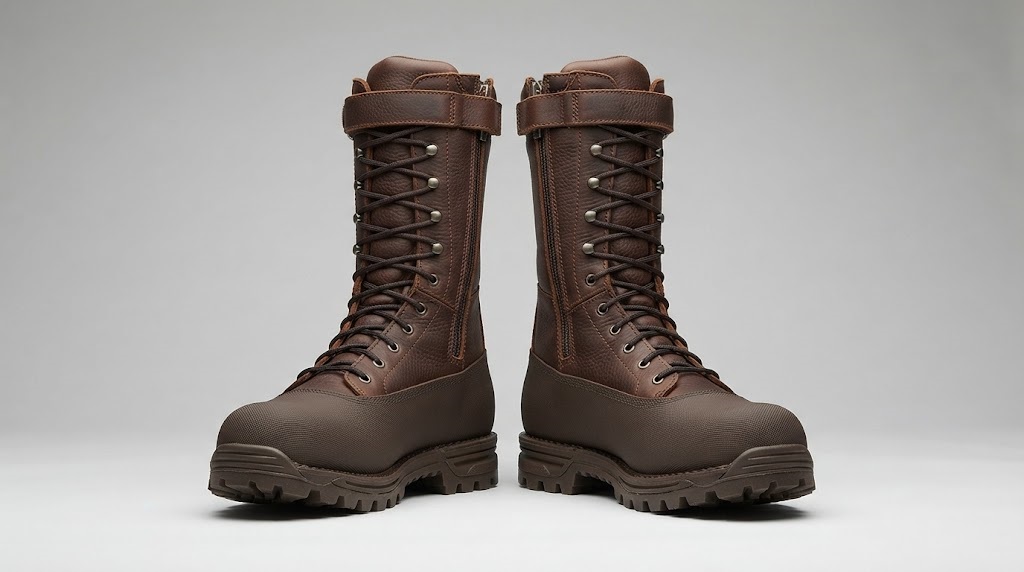
Exploring the breathtaking wilderness, majestic mountain trails, dense swamps, and sun-drenched desert ecosystems of the United States offers an unmatched sense of adventure. Whether you are hunting wild game in the backcountry, scouting new hiking trails, camping with family, or managing rural acreage, spending time in nature connects us to the great outdoors. However, many popular
American outdoor regions are also home to native venomous snakes, including rattlesnakes, copperheads, water moccasins (cottonmouths), and coral snakes. While these creatures generally prefer to avoid humans, accidental close encounters can occur, particularly when stepping into tall brush or rocky crevices. For outdoor enthusiasts who frequent snake country, wearing specialized footwear—specifically boots that can help protect against snake bites—is an essential safety precaution that can prevent a life-threatening medical emergency.
Standard hiking boots and soft running shoes leave the lower legs and ankles completely exposed to the fangs of a defensive snake. In contrast, specialized snake-resistant footwear is engineered with heavy-duty materials, puncture-resistant linings, and extended shaft heights that shield the foot, ankle, and lower calf. Investing in reliable gear provides incredible peace of mind, allowing you to traverse challenging terrain with confidence.
In this comprehensive guide, we will explore the mechanics of venomous snake strikes, examine the critical features that make certain footwear effective, review the different types of protective gear available on the market, and answer the most frequently asked questions about staying safe in snake country.
Understanding the Risk of Venomous Snakes in the USA
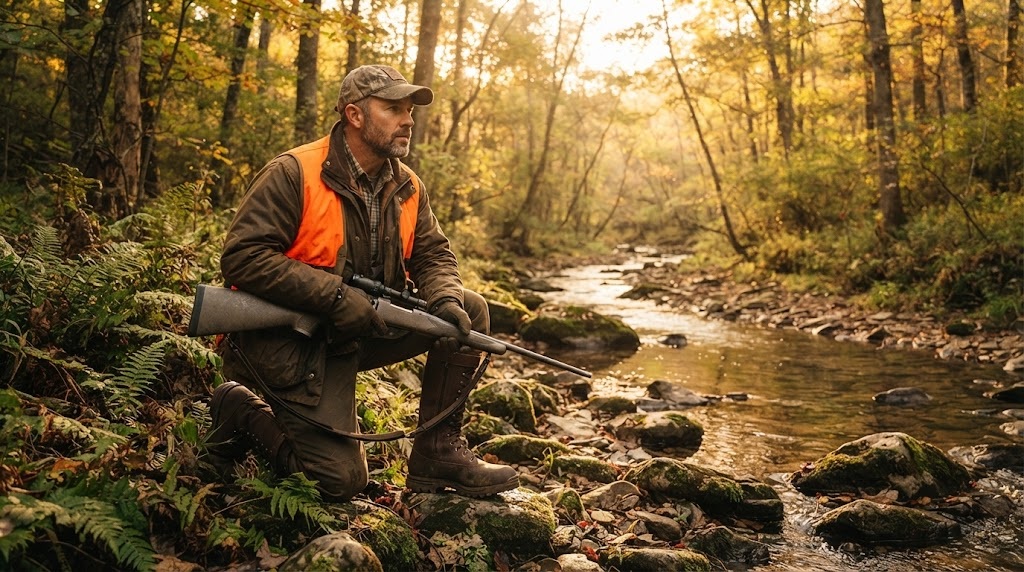
Before selecting protective gear, it is helpful to understand where venomous snakes live and how they behave during encounters with humans.
Geographic Distribution of North American Venomous Snakes
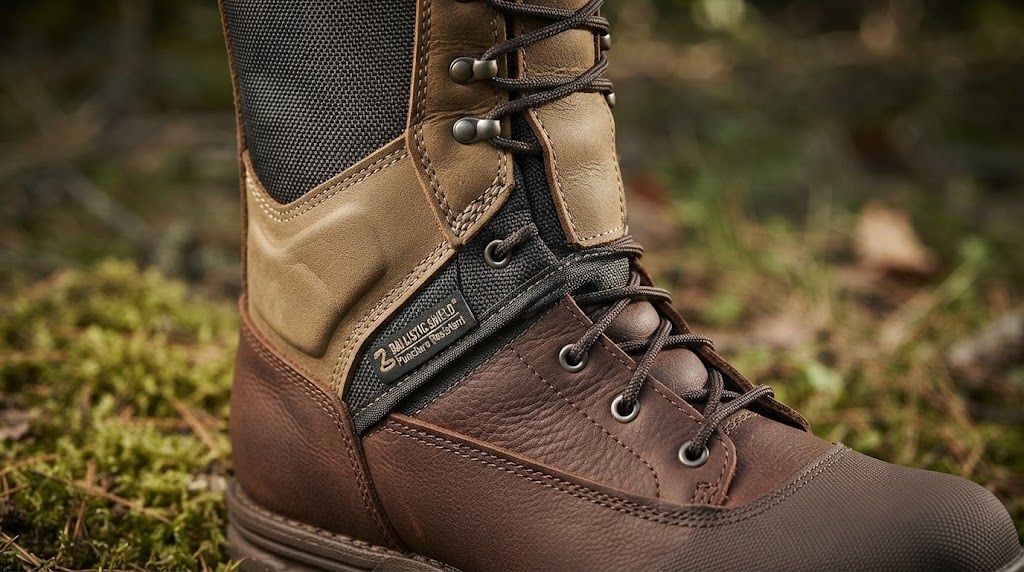
Venomous snakes inhabit nearly every state in the USA, though their species and concentrations vary widely by region:
- The Southwest and West: Home to numerous species of rattlesnakes, including the infamous Western Diamondback and Mojave rattlesnake, which thrive in arid deserts and rocky foothills.
- The South and Southeast: Dense populations of copperheads, cottonmouths, and timber rattlesnakes inhabit the humid forests, swamplands, and pine flatwoods of states like Texas, Florida, Georgia, and the Carolinas.
- The Northeast and Midwest: Timber rattlesnakes and copperheads populate the heavily wooded ridges, Appalachian mountain trails, and rocky outcroppings.
Because these creatures rely on camouflage and often freeze when approached rather than slithering away, hikers and hunters frequently step near them before realizing they are present. Wearing boots that can help protect against snake bites drastically reduces the risk of penetration during these sudden, defensive strikes.
Anatomy of a Snake Strike
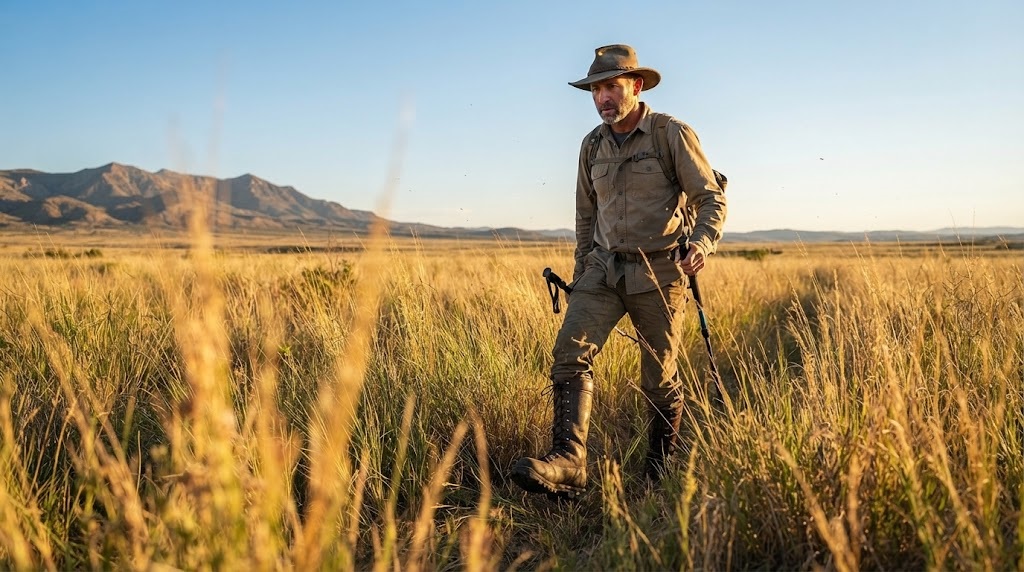
Vipers and pit vipers possess hinged fangs that inject venom deep into tissue. Most venomous snake strikes in North America occur below the knee, targeting the ankles, feet, and lower calves—precisely the areas exposed when wearing low-cut athletic shoes or standard ankle-height hikers. While no boot is completely 100% impenetrable under every conceivable laboratory condition, high-quality boots that can help protect against snake bites are specifically rated to deflect or absorb the downward force of a strike, preventing the fangs from reaching human skin.
Key Features to Look for in Snake-Resistant Footwear
Not all outdoor footwear offers adequate defense against venomous reptiles. When shopping for protective gear, you must evaluate several structural components.
Extended Shaft Heights (16 to 18 Inches)
The most prominent visual characteristic of protective footwear is its height. Standard hiking boots typically measure 6 to 8 inches tall, which leaves the vulnerable calf completely exposed. In contrast, boots that can help protect against snake bites generally feature an extended shaft height ranging from 15 to 18 inches. This tall design covers the lower leg entirely, providing a safe vertical barrier well above the typical striking height of most North American pit vipers.
Puncture-Resistant Linings and Ballistic Fabrics
To prevent fangs from piercing the material, manufacturers utilize advanced textile engineering. High-end footwear incorporates tightly woven ballistic nylon, multi-layer Kevlar weaves, or rigid polycarbonate internal shields sandwiched between the outer leather and the inner lining. When a snake strikes, the fangs either slide harmlessly off the slick exterior or catch harmlessly in the dense, puncture-proof fabric matrix without reaching your foot.
Durable Outsoles and Ankle Support
Beyond snake defense, a great outdoor boot must provide exceptional functional performance. Look for aggressive rubber outsoles with deep, self-cleaning lugs that offer reliable traction on loose gravel, slick mud, and steep inclines. Additionally, sturdy ankle support prevents sprains and twists when navigating uneven backcountry terrain, ensuring your overall physical safety remains uncompromised.
Types of Protective Footwear Available
Outdoor brands offer several distinct styles of protective gear designed to suit different regional climates and personal preferences.
Traditional Full-Height Leather Snake Boots
For maximum durability and ankle support, traditional leather snake boots are the gold standard. Crafted from thick, full-grain leather treated with waterproof membranes, these boots are built to endure decades of hard use in harsh environments. While they require a brief break-in period, they offer unmatched protection against thorns, briars, sharp rocks, and snake fangs while keeping your feet completely dry in wet grass or shallow streams.
Lightweight Cordura and Nylon Zip-Up Boots
If you prefer a lighter, more flexible option that is easy to slip on and off, Cordura nylon and zip-up snake boots are an excellent alternative. These boots combine leather foot sections with ultra-durable, tightly woven nylon shafts. Many models feature heavy-duty side zippers protected by hook-and-loop storm flaps, allowing for rapid removal after a long day in the field.
Snake Gaiters as a Modular Alternative
If you already own a favorite pair of comfortable, broken-in hiking boots, you do not necessarily need to purchase an entirely new pair of footwear. Snake gaiters are independent, wrap-around guards that strap securely around your lower legs, extending from your boot tops to just below your knees. Crafted from the same puncture-resistant ballistic fabrics found in dedicated footwear, gaiters offer a flexible, budget-friendly way to transform your existing boots into boots that can help protect against snake bites whenever you venture into high-risk areas.
How to Choose and Fit Your Protective Boots
Selecting the right pair requires careful attention to sizing, comfort, and environmental conditions.
Sizing and the Break-In Period
Because protective boots feature rigid internal puncture-resistant layers, they do not stretch or flex as easily as standard soft-soled shoes. It is crucial to try them on with the exact thickness of wool or synthetic hiking socks you plan to wear in the field. Ensure there is enough room in the toe box to wiggle your toes comfortably while preventing your heel from slipping excessively during long hikes. Give yourself a week or two to break in leather boots around your neighborhood before embarking on an intense backcountry hunting or hiking expedition.
Matching Footwear to Climate and Terrain
Consider the environment where you will spend the majority of your time. If you hunt in the flooded bottomlands of the American South, waterproof rubber or treated leather boots that can help protect against snake bites are essential to keep your feet dry. Conversely, if you are hiking through the scorching deserts of Arizona or Texas, highly breathable Cordura nylon models or breathable mesh-paneled gaiters will prevent your feet from overheating and developing painful blisters.
Best Practices for Staying Safe in Snake Country
Wearing protective footwear is your primary line of defense, but it should be part of a comprehensive outdoor safety strategy.
Situational Awareness and Trail Habits
Most snake bites occur when people accidentally step on or startle a resting reptile. Maintain strict situational awareness while walking through tall grass, brush, or dense timber. Use a sturdy walking stick or trekking pole to rustle brush ahead of you before stepping into it. Never reach blindly into rocky crevices, hollow logs, or thick brush piles where snakes often seek shelter during the heat of the day.
Nighttime Hiking Precautions
Snakes are ectothermic (cold-blooded) animals that regulate their body temperature using their environment. During hot summer months, many snake species become nocturnal, hunting after the sun goes down. If you are walking to or from your hunting blind or campsite in the dark, always carry a powerful flashlight or headlamp and wear your tall boots that can help protect against snake bites to illuminate the path and protect your lower legs.
Frequently Asked Questions
Are snake boots 100% snake-proof?
While high-quality footwear significantly reduces the risk of envenomation, no manufacturer claims their product is entirely 100% impenetrable under every extreme condition. However, certified boots that can help protect against snake bites are rigorously tested to withstand the striking force and fang penetration of virtually all North American venomous snake species.
Do I need snake boots for casual walking in state parks?
If you stay strictly on wide, paved, or heavily trafficked gravel paths where the surrounding brush is cleared back, the risk of encountering a venomous snake is exceptionally low. However, if you step off the main trail to explore wooded areas, fish along creek banks, or walk through tall grass, wearing protective footwear or gaiters is strongly recommended.
Are snake boots waterproof?
Many leather models feature waterproof membranes (such as Gore-Tex or proprietary dry-linings) designed to keep your feet completely dry in wet grass, mud, or shallow water. However, some lightweight Cordura nylon models prioritize breathability over waterproofing, so always check the specific product specifications before purchasing.
Can I wear snake gaiters instead of buying new boots?
Yes. Snake gaiters are an excellent, cost-effective alternative if you prefer to wear your own comfortable, broken-in hiking boots. They wrap securely around your lower calves and provide the exact same level of puncture resistance as dedicated footwear.
How tall should protective snake boots be?
To provide adequate coverage against North American pit vipers, protective footwear and gaiters should measure between 15 and 18 inches tall, ensuring they extend well above the vulnerable ankle and lower calf zone.
How do I clean and maintain my snake boots?
After a muddy or dusty outdoor excursion, wipe down your boots with a damp cloth or soft brush to remove dirt and organic debris. If they are crafted from leather, apply a quality leather conditioner periodically to keep the material supple and prevent it from cracking. Store them in a cool, dry place away from direct sunlight.
What should I do if someone is bitten by a venomous snake?
If a snake bite occurs, remain calm and move safely away from the animal. Call 911 immediately. Remove any tight rings, watches, or clothing near the bite area before swelling begins. Keep the victim still and calm, with the affected limb positioned at or slightly below heart level. Never attempt to cut the wound, suck out the venom with your mouth, apply a tourniquet, or use ice.
Conclusion
Venturing into the great outdoors provides incredible physical and mental rewards, but it requires a respectful awareness of local wildlife and natural hazards. Equipping yourself with reliable gear is the cornerstone of responsible outdoor recreation. When exploring regions populated by venomous vipers, wearing specialized
boots that can help protect against snake bites is an indispensable safety measure that shields your lower legs from unexpected encounters. By understanding the importance of extended shaft heights, puncture-resistant ballistic linings, and proper footwear maintenance—combined with mindful trail habits—you can explore the backcountry with confidence, security, and peace of mind. Prepare diligently, invest in quality gear, and enjoy every moment of your next outdoor adventure.

Written by Twastia Editorial Team
Twastia Editorial Team shares practical insights about website design, SEO services, Google Ads, content marketing, social media, conversion rate optimization, and digital marketing strategy.
Last updated: Oct 22, 2026
Related posts from Twastia
Explore more useful articles from twastia.com about digital marketing, SEO, websites, ads, content, and growth strategy.