you’re to use a pressure washer: The Best Guide to Safe Power Washing
Maintaining the exterior of a residential property in the United States requires regular upkeep, yet battling stubborn environmental grime, caked-on […]
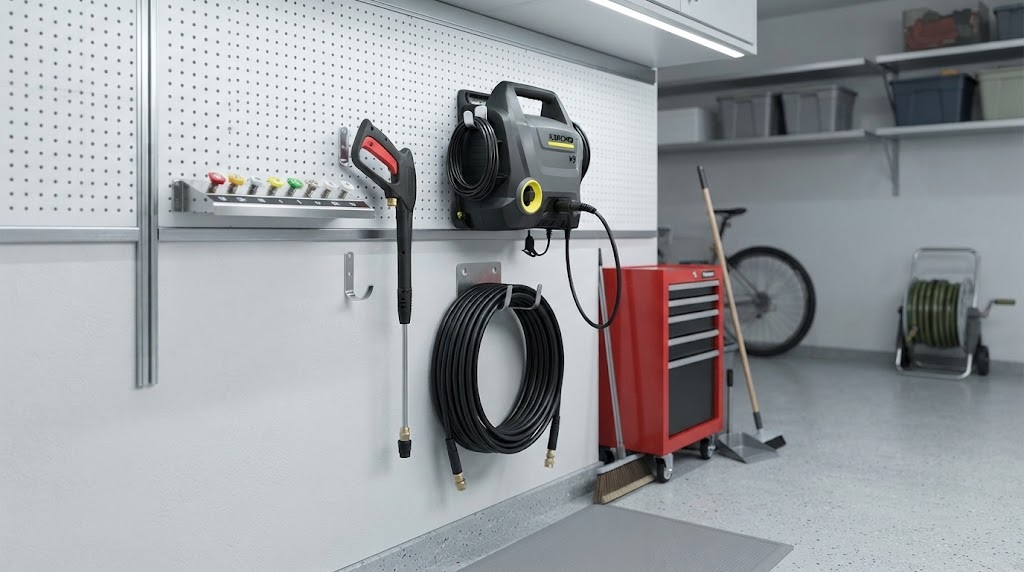
Maintaining the exterior of a residential property in the United States requires regular upkeep, yet battling stubborn environmental grime, caked-on mud, mold, and mildew can quickly become an exhausting physical chore. Over time, outdoor surfaces like concrete driveways, wooden decks, vinyl siding, and brick pathways accumulate layers of dirt that standard garden hoses and elbow grease simply cannot touch.
When you want to restore your home’s curb appeal with maximum efficiency, bringing in heavy-duty cleaning equipment is the ultimate solution. Specifically, when you’re to use a pressure washer, you possess the capability to strip away years of weathering in a matter of minutes, transforming dirty, neglected outdoor areas into spotless, pristine spaces.
However, wielding a machine that projects water at thousands of pounds per square inch (PSI) requires more than just pulling a trigger. Operating these powerful tools without understanding the underlying mechanics, proper safety precautions, and correct nozzle selections can easily lead to property
damage, etched concrete, shredded wood, or severe personal injury. Whether you are renting a commercial gas-powered unit for a weekend driveway deep-clean or setting up a lightweight electric model for washing patio furniture, approaching the task with a structured strategy ensures a flawless result.
In this comprehensive guide, we will explore everything you need to know when you’re to use a pressure washer around your home. We will break down the fundamental differences between gas and electric units, outline essential safety protocols, explain how to select the correct nozzle tips and PSI settings for different surfaces, provide a step-by-step operational roadmap, and answer the most frequently asked questions about maintaining your property’s exterior.
Understanding the Basics Before You Start

Before connecting a high-pressure hose to your water spigot and firing up a motor, taking time to understand the core mechanics of pressure washing prevents costly mistakes.
Gas vs. Electric Power Units
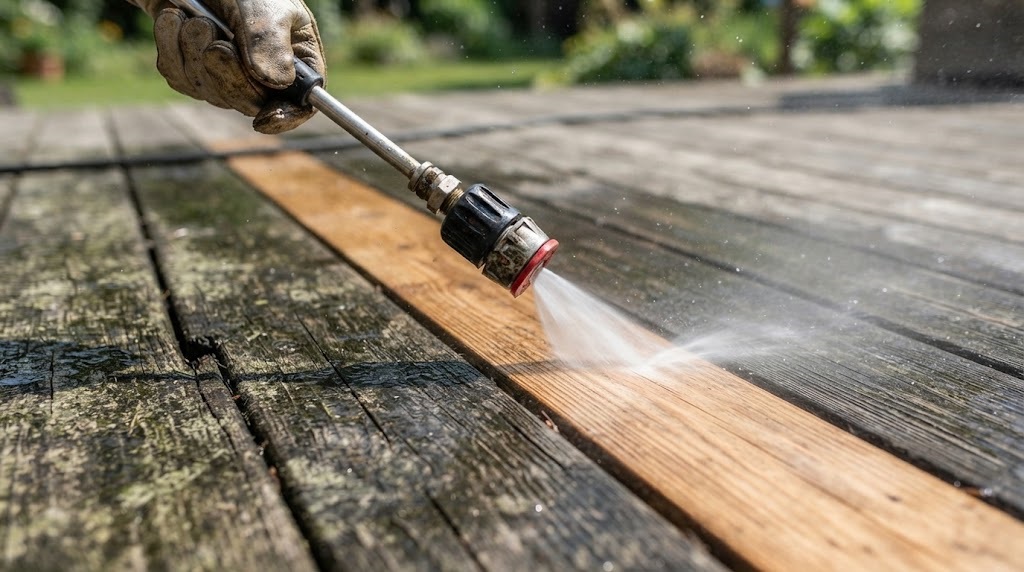
The first decision you will face when you’re to use a pressure washer is selecting the right power source for your specific project.
- Electric Pressure Washers: These units are lightweight, quiet, eco-friendly, and require minimal maintenance. Typically operating between 1,300 and 2,000 PSI, electric models are ideal for washing vehicles, patio furniture, grills, and lightly soiled fencing or siding. They plug into standard household electrical outlets and connect directly to a garden hose.
- Gas Pressure Washers:
- Delivering anywhere from 2,500 to over 4,000 PSI, gas-powered units offer ultimate mobility and raw cleaning power. Because they do not rely on electrical cords, they can be easily transported across large properties. When you’re to use a pressure washer for heavy-duty commercial cleaning—such as stripping paint, deep-cleaning oil-stained concrete driveways, or washing two-story brick homes—a gas-powered machine is mandatory.
The Science of Water Pressure and Flow Rate
Pressure alone does not clean surfaces; it is the combination of PSI (Pounds per Square Inch) and GPM (Gallons Per Minute) that determines cleaning efficiency. PSI measures the force of the water stream, while GPM measures the volume of water delivered. High PSI strips away debris, while high GPM rinses that loosened debris away. Understanding this balance prevents you from choosing a machine that is too weak for tough stains or overwhelmingly powerful for delicate surfaces.
Essential Safety Protocols When You Operate High-Pressure Equipment
Because high-pressure water streams can easily cut through skin, shatter glass, or propel loose debris at bullet-like speeds, safety must always be your top priority.
Personal Protective Equipment (PPE)
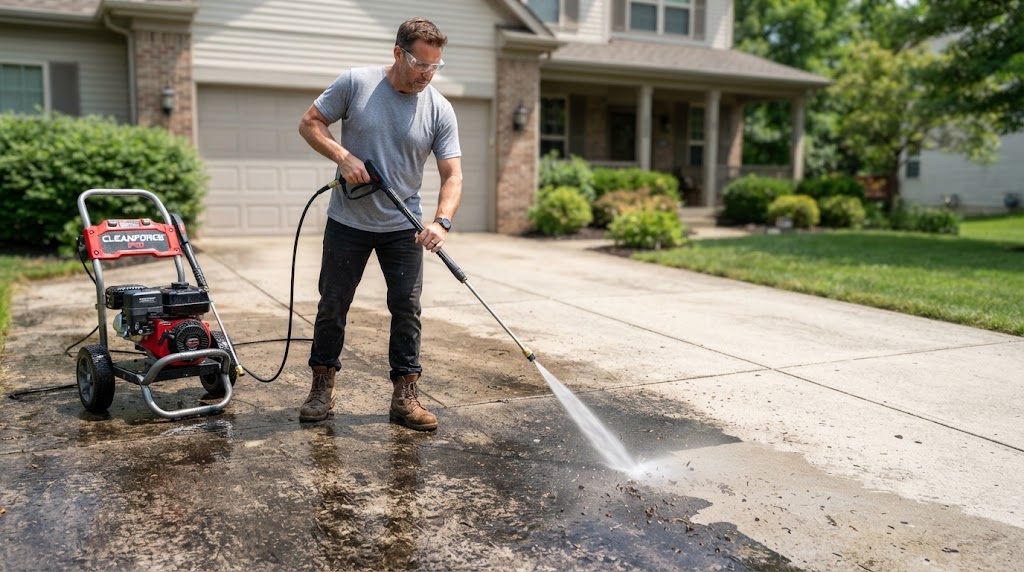
Never operate high-powered machinery in casual clothing. Whenever you’re to use a pressure washer, you must equip yourself with proper personal protective equipment. Always wear ANSI-approved safety glasses or goggles to shield your eyes from flying dirt, wood splinters, and chemical splash-back. Heavy-duty work boots and long pants are mandatory to protect your feet and legs from accidental contact with the high-pressure stream. Furthermore, if you are operating a loud gas-powered engine for an extended period, wearing ear protection prevents long-term hearing damage.
Avoiding Common Operational Hazards
Working with high-pressure machinery introduces several unique environmental hazards that require constant vigilance:
- Never Point the Wand at People or Pets: The concentrated stream exiting a high-degree nozzle can inflict severe lacerations and inject water or debris beneath the skin.
- Beware of Electrical Shock: When using an electric model, ensure all extension cords are rated for outdoor use and keep connections elevated away from puddles and standing water.
- Mind the Kickback: The moment you pull the trigger on a powerful gas wand, the nozzle will kick backward with significant force. Always maintain a firm, two-handed grip on the spray gun to avoid losing your balance, especially if you are working on a ladder.
Selecting the Correct Nozzle Tips and PSI Settings
Interchangeable nozzle tips control the angle and intensity of the water stream. Using the wrong nozzle can instantly ruin a weekend project.
Understanding Color-Coded Spray Tips
Most modern consumer units come with a set of quick-connect nozzles, each designated by a specific spray angle and color:
- Red (0 Degrees): A pin-point, razor-sharp laser stream of water. This nozzle exerts maximum destructive force and should generally be avoided on residential surfaces, as it easily gouges wood, shatters brick mortar, and ruins concrete.
- Yellow (15 Degrees): A high-pressure, narrow fan tip used for aggressive stripping and heavy-duty concrete cleaning.
- Green (25 Degrees): A moderate-pressure fan tip. When you’re to use a pressure washer for general washing of siding, brickwork, patio furniture, and driveways, the green tip is your reliable workhorse.
- White (40 Degrees): A wide, gentle fan tip designed for delicate surfaces, including glass windows, painted wood, and vehicles.
- Black (65 Degrees): A low-pressure soap application nozzle required to siphon detergent from the machine’s onboard tank or siphon tube.
Matching Pressure to Surface Materials
Different materials possess varying structural tolerances. For instance, softwoods like cedar and pine should never be washed above 500 to 1,200 PSI using a wide fan tip, otherwise, the wood fibers will splinter. Vinyl siding can warp or crack if subjected to intense PSI or held too close to the surface. Concrete, conversely, can easily handle 3,000 PSI combined with a yellow or green tip to blast away embedded tire marks and motor oil stains.
Step-by-Step Guide to Operating Your Equipment
Following a structured, methodical workflow ensures that your cleaning project runs smoothly from start to finish without damaging your property.
Step 1: Surface Preparation and Inspection
Before turning on the machine, walk around the work area and prepare the environment. Close all exterior windows and doors tightly to prevent water from spraying inside your home. Cover delicate outdoor plants, electrical outlets, and light fixtures with heavy-duty plastic sheeting and painter’s tape. Clear the area of tripping hazards, garden hoses, toys, and patio furniture. Inspect the surfaces you plan to clean, scraping away loose paint or massive clumps of mud beforehand.
Step 2: Setting Up and Priming the System
Place your unit on firm, level ground. Connect your garden hose to the water inlet valve on the machine, turn on the spigot fully, and let water flow through the pump for a full minute before starting the engine or plugging in the motor. This purging process ensures all trapped air is forced out of the pump, preventing dry-firing that can permanently ruin internal seals. Once purged, connect your high-pressure hose and spray wand, select your desired nozzle tip, and you are ready to begin.
Step 3: Applying Detergent and Rinsing Methodically
If you’re to use a pressure washer with cleaning chemicals, attach the black soap nozzle and apply a specialized biodegradable detergent from the bottom up, allowing the soap to cling to vertical surfaces and break down organic grime for 5 to 10 minutes without drying. Switch back to your high-pressure green or yellow nozzle, and rinse the surface thoroughly from the top down, sweeping the wand in smooth, overlapping horizontal motions. Maintaining a consistent distance of 12 to 18 inches between the nozzle tip and the surface guarantees an even, streak-free clean.
Frequently Asked Questions
Can I use hot water inside a standard pressure washer?
Most residential pressure washers are designed to accept cold water only (typically up to 100 to 120 degrees Fahrenheit). Feeding boiling water or connecting a residential unit directly to a hot water indoor tap will overheat and warp the internal pump components. If hot water cleaning is required for grease removal, specialized commercial hot-water pressure washers must be used.
How do I prevent my pressure washer pump from freezing in winter?
If you live in a region that experiences freezing winter temperatures, leaving residual water inside the pump will cause it to expand and crack the metal housing. Before storing your machine for the winter, run a specialized “pump saver” fluid or a mixture of RV antifreeze through the intake valve using a short funnel to protect all internal seals.
Why is my pressure washer surging or losing pressure?
Pressure surging usually indicates either a partial clog in the nozzle tip, an inadequate water supply from your home spigot (low GPM flow), or an air bubble trapped inside the pump system. Turn off the machine, clear any debris from the nozzle tip using a small pin tool, and re-purge the water supply line before restarting.
Can I use regular dish soap or laundry detergent in the soap tank?
No. Never pour standard household dish soap, bleach, or laundry detergent into a pressure washer’s soap reservoir. These chemicals can foam excessively, damage the internal pump seals, kill surrounding vegetation, and leave a sticky residue that attracts dirt rapidly. Always use specialized, biodegradable pressure washer detergents formulated for outdoor use.
How close should the nozzle be to the surface I am cleaning?
As a general rule of thumb when you’re to use a pressure washer, start with the nozzle held about two feet away from the surface. Gradually move closer until you find the optimal cleaning distance—usually between 12 and 18 inches. Never jam the nozzle directly against wood or siding, as the concentrated force will cause permanent gouging.
Is it safe to wash my car with a pressure washer?
Yes, provided you use the correct technique. Use an electric unit with a wide 40-degree white nozzle (or a specialized foam cannon attachment), keep the spray tip at least two feet away from the vehicle body, and avoid aiming high-pressure streams directly at window seals, rubber weather-stripping, or convertible soft tops.
What should I do if I accidentally gouge my wooden deck?
If too much pressure splinters your wooden deck boards, do not panic. Turn off the machine immediately. Allow the wood to dry completely (usually 24 to 48 hours), sand down the splintered area smoothly with medium-grit sandpaper, and apply a matching exterior wood stain or sealer to protect the exposed grain.
Conclusion
Revitalizing your home’s exterior surfaces does not have to be an agonizing test of endurance. When you’re to use a pressure washer, you unlock an incredible level of cleaning efficiency that effortlessly strips away years of accumulated grime, mold, and environmental weathering. However, great power demands great responsibility. By understanding the critical differences between gas and electric units, prioritizing personal safety gear, selecting the correct nozzle angles and PSI settings, and executing a methodical top-to-bottom
cleaning workflow, you protect your property from accidental damage while achieving professional-grade results. Take the time to prepare your work area, set up your equipment with care, and approach every surface with patience. With the right technique and a respect for the machine’s immense power, your home exterior will shine brilliantly, boosting your curb appeal and filling you with a well-earned sense of accomplishment.

Written by Twastia Editorial Team
Twastia Editorial Team shares practical insights about website design, SEO services, Google Ads, content marketing, social media, conversion rate optimization, and digital marketing strategy.
Last updated: Oct 22, 2026
Related posts from Twastia
Explore more useful articles from twastia.com about digital marketing, SEO, websites, ads, content, and growth strategy.