construction site: The Best Guide to Managing Safety and Efficiency
The commercial and residential building industries are the backbone of the United States economy, driving infrastructure development, creating millions of […]
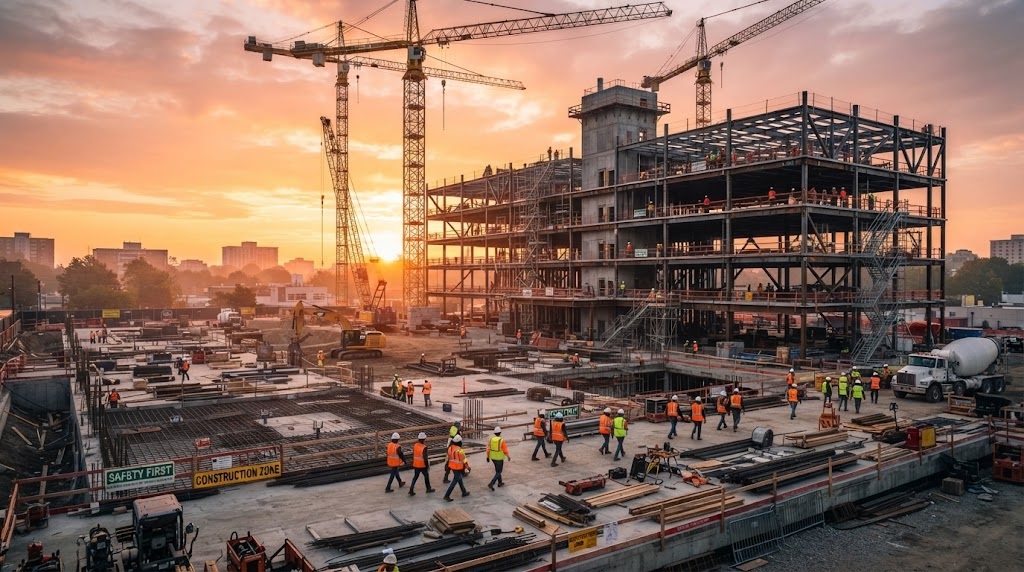
The commercial and residential building industries are the backbone of the United States economy, driving infrastructure development, creating millions of jobs, and shaping the skylines of our most prominent cities. However, transforming a vacant plot of land into a towering skyscraper or a sprawling residential subdivision is an incredibly complex logistical undertaking. At the absolute center of this massive coordination effort is the
construction site, a dynamic and ever-changing environment where heavy machinery, skilled labor, architectural vision, and raw materials intersect. Managing this environment successfully requires far more than just pouring concrete and erecting steel; it requires an unwavering commitment to safety, precise supply chain logistics, and the integration of cutting-edge technology.
For general contractors, project managers, and real estate developers across the USA, maintaining order on a fast-paced project is a daily challenge. A disorganized workspace immediately leads to budget overruns, severe material delays, compromised structural integrity, and, most tragically, severe injuries. By contrast, a meticulously managed construction site operates like a well-oiled machine, ensuring that every subcontractor knows their schedule, every heavy machine is operated safely, and every phase of the build meets strict municipal codes and federal safety regulations.
In this ultimate comprehensive guide, we will explore the foundational elements of modern building management. We will break down the strict safety protocols enforced by the Occupational Safety and Health Administration (OSHA), examine how advanced technology like aerial drones and Building Information Modeling (BIM) are revolutionizing the industry, detail best practices for managing complex supply chains, and answer the most frequently asked questions about maintaining a compliant and highly efficient construction site.
Understanding the Dynamics of a Modern construction site
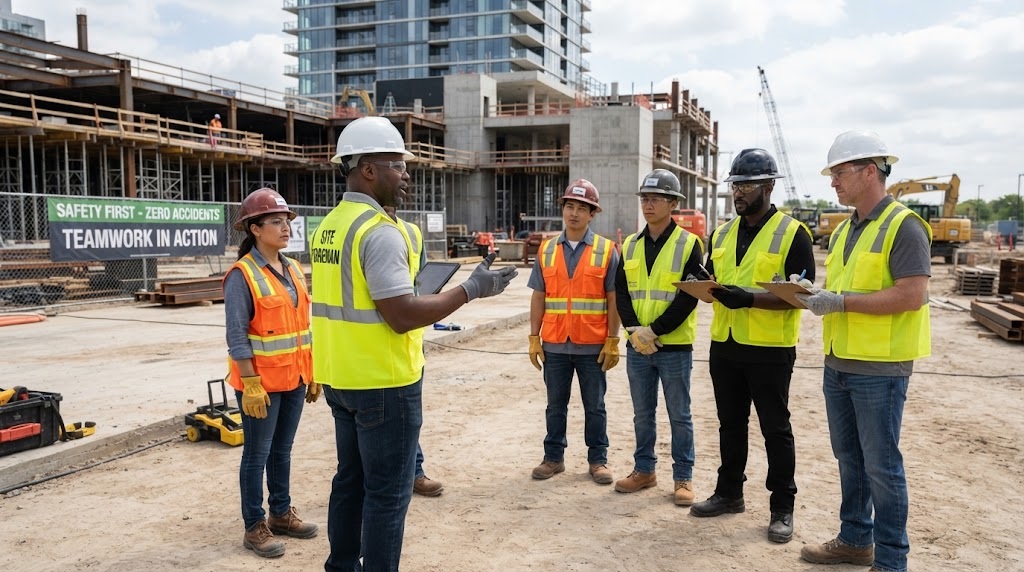
Before a single shovel breaks the earth, a tremendous amount of planning goes into organizing the physical layout of the work area. Understanding how this environment functions is critical for maintaining overall project momentum.
The Shift Toward Digital Project Management
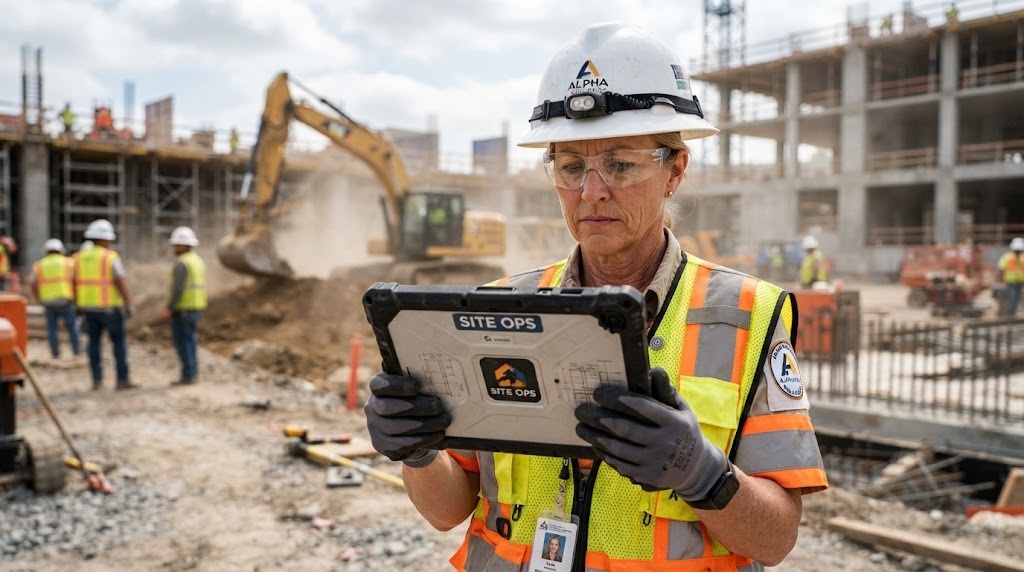
Historically, a typical building project relied on massive rolls of paper blueprints, physical clipboards, and dry-erase boards inside a dusty temporary trailer. Today, the modern construction site is highly digitized. Project managers utilize robust cloud-based software platforms like Procore or Autodesk Construction Cloud to track daily progress, manage subcontractor schedules, and issue change orders instantly. When an architect in a New York office makes a structural revision to a steel beam, the foreman in Texas receives the updated digital schematic on their ruggedized tablet immediately. This digital transformation eliminates the costly communication delays that traditionally plagued large-scale commercial projects, ensuring that all teams are working from the most accurate, real-time data available.
Labor Shortages and Workforce Productivity
One of the most pressing challenges facing the United States building sector is a severe shortage of skilled labor. As older generations of master carpenters, electricians, and heavy equipment operators retire, there are simply not enough young apprentices entering the trades to replace them. Because skilled labor is at a premium, maintaining high workforce productivity on your construction site is more important than ever. General contractors must prioritize optimal scheduling, ensuring that drywall installers are not waiting idly for electricians to finish wiring a room. Efficiently sequencing trades, minimizing unnecessary physical movement across the property, and providing adequate temporary facilities (such as clean restrooms and shaded break areas) drastically improve crew morale and overall labor output.
Top Safety Protocols Every construction site Must Follow
The building industry consistently ranks among the most dangerous professions in the country. Therefore, implementing and enforcing rigorous safety protocols is not just a moral obligation; it is a strict legal requirement.
OSHA Compliance and Mitigating the Fatal Four
In the USA, the Occupational Safety and Health Administration (OSHA) heavily regulates workplace safety. According to OSHA data, the majority of building-related fatalities are caused by the “Fatal Four”: falls, being struck by objects, electrocutions, and being caught in or between heavy equipment. A compliant construction site actively mitigates these specific hazards.
Fall protection is paramount. Any worker operating at a height of six feet or greater must be equipped with proper personal fall arrest systems, including full-body harnesses and secure anchor points. Scaffolding must be inspected daily by a competent person, equipped with proper guardrails, and built on solid, level footing.
Heavy Machinery and Equipment Safety
From towering tower cranes and massive excavators to versatile skid steers and telescoping forklifts, heavy machinery presents a constant hazard to ground personnel. Managing equipment safely on a busy construction site requires establishing dedicated traffic control plans.
Contractors must implement clear physical barriers separating pedestrian walkways from heavy equipment operational zones. Furthermore, crane operators and riggers must maintain strict visual and radio communication to ensure massive payloads are not hoisted directly over the heads of working crews. All machinery must undergo pre-shift mechanical inspections to verify that backup alarms, hydraulic lines, and braking systems are functioning flawlessly before the engine is ever started.
Daily Hazard Inspections and Safety Briefings
Safety is not a static achievement; it requires daily vigilance. Every morning, before crews begin their shifts, site superintendents should conduct a mandatory “toolbox talk.” This brief safety meeting highlights the specific hazards associated with the day’s scheduled tasks. Additionally, safety managers must conduct continuous walkthroughs of the construction site to identify emerging dangers, such as improperly stored flammable chemicals, exposed electrical wiring, or unmarked floor openings. Addressing these hazards proactively prevents minor oversights from escalating into catastrophic accidents.
Essential Technology Transforming the construction site
The stereotypical image of a chaotic, low-tech building operation is rapidly becoming obsolete. The integration of advanced hardware and software is revolutionizing how we approach structural development.
Drones and Aerial Surveying
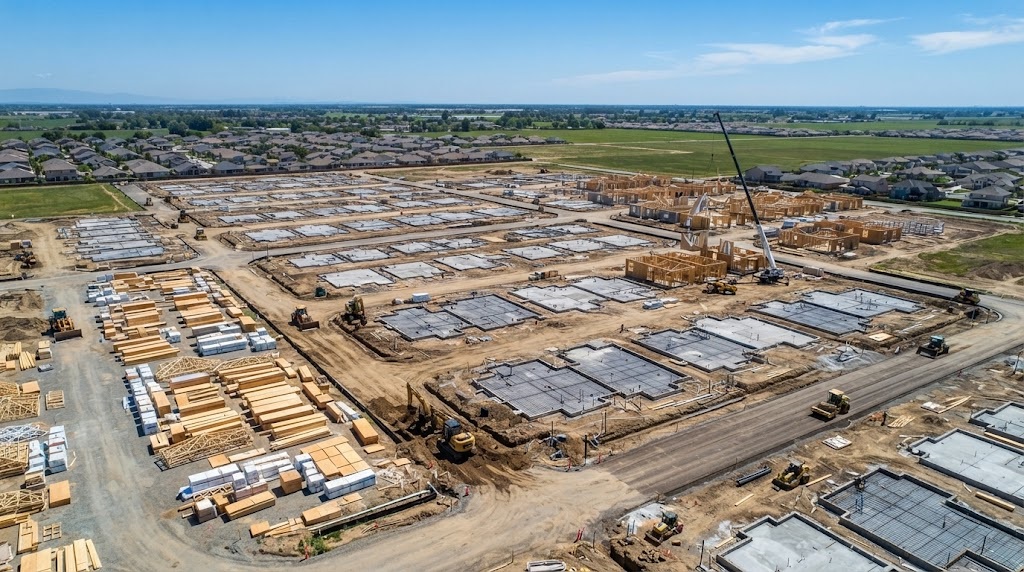
Unmanned aerial vehicles, commonly known as drones, have become an indispensable tool for modern developers. Before excavation begins, drones map the raw land using photogrammetry, generating highly accurate 3D topographic models that engineers use to calculate earthmoving volumes. Once the build is underway, drones provide weekly aerial overviews of the construction site, allowing stakeholders and investors to monitor progress remotely. This bird’s-eye perspective is also invaluable for safety managers, who can quickly spot missing perimeter fencing or poorly stacked materials without having to physically walk the entire acreage.
Building Information Modeling (BIM)
Building Information Modeling (BIM) represents a massive leap forward from traditional 2D computer-aided design (CAD). BIM creates a highly detailed, intelligent 3D digital representation of the entire building, incorporating every structural, mechanical, electrical, and plumbing component.
By viewing the BIM model on a digital tablet at the construction site, specialized tradesmen can see exactly how their systems interact behind the drywall. For example, an HVAC contractor can verify that their massive ventilation duct will not collide with the main plumbing stack before they even begin cutting materials. This process, known as clash detection, prevents expensive re-work, eliminates material waste, and keeps the project timeline moving smoothly.
Wearable IoT Safety Devices
The Internet of Things (IoT) is making its way into standard personal protective equipment (PPE). Many top-tier commercial developers now outfit their crews with smart hard hats and connected safety vests. These wearable devices contain GPS trackers and biometrics sensors. If a worker suffers a sudden fall or experiences heatstroke in the blistering summer sun, the wearable device instantly alerts the construction site medical personnel to their exact location. Furthermore, geofencing technology can trigger a loud alarm on a worker’s vest if they accidentally step into a restricted zone where a crane is actively lifting heavy materials.
Managing Logistics and Supply Chains Effectively
Even with perfect blueprints and flawless safety records, a project will grind to an expensive halt if the required building materials are not available when the crews need them.
Just-in-Time Material Delivery
The physical footprint of a typical urban construction site is extremely limited. There is simply no room to store a six-month supply of steel beams, drywall, and glass windows on the property without blocking essential access roads. To solve this, project managers utilize “Just-in-Time” (JIT) delivery systems.
Materials are carefully scheduled to arrive at the exact moment they are needed for installation. When the concrete foundation cures, the framing lumber arrives the following morning. This logistical precision prevents delicate materials from sitting outside in the rain, reduces the risk of material theft, and keeps the central staging area clear for heavy machinery movement.
Waste Management and Environmental Sustainability
A massive commercial build generates an astonishing amount of physical waste, including scrap wood, twisted rebar, shattered drywall, and empty chemical buckets. Maintaining a clean construction site is not just about aesthetics; it is a core component of safety and environmental compliance.
The US Environmental Protection Agency (EPA) enforces strict regulations regarding stormwater runoff and hazardous material disposal. Contractors must utilize designated concrete washout areas to prevent alkaline water from contaminating local soil, and implement heavy-duty silt fencing to stop loose dirt from washing into municipal storm drains. Furthermore, forward-thinking developers prioritize waste segregation, separating recyclable metals and clean lumber from general trash, drastically reducing the total tonnage sent to local landfills.
Frequently Asked Questions
What are the most common hazards found on a construction site?
The most prevalent hazards include falls from elevated surfaces (like roofs and scaffolding), being struck by heavy equipment or falling tools, electrocutions from exposed temporary wiring, and trench cave-ins during deep excavation phases.
Who is legally responsible for safety on a construction site?
In the USA, the primary general contractor holds the ultimate legal responsibility for overall site safety and OSHA compliance. However, individual subcontractors are also legally liable for ensuring their specific crews follow safety protocols and wear appropriate personal protective equipment (PPE).
How do contractors prevent unauthorized access to a construction site?
To protect the public and prevent expensive material theft, contractors enclose the entire perimeter with heavy-duty temporary chain-link fencing. High-value projects also utilize gated access control points, 24/7 on-site security guards, motion-activated floodlights, and remote CCTV camera systems monitored via the cloud.
What is the purpose of a site logistics plan?
A site logistics plan is a detailed map outlining exactly where temporary facilities will be located. It designates specific areas for heavy equipment parking, employee vehicle parking, material drop-off zones, waste dumpsters, and emergency vehicle access lanes, ensuring the workspace remains organized and efficient.
How does weather impact a construction site schedule?
Severe weather—such as heavy rain, lightning, snow, or extreme heat—can halt productivity entirely. Pouring concrete in freezing temperatures compromises its structural strength, while operating cranes during high winds is incredibly dangerous. Project managers must build “weather days” into their baseline schedules to account for these unavoidable natural delays.
What personal protective equipment (PPE) is mandatory?
While requirements vary based on the specific task, the baseline mandatory PPE for any individual stepping onto an active building property includes an ANSI-approved hard hat, a high-visibility reflective safety vest, heavy-duty steel-toe work boots, and impact-resistant safety glasses.
Conclusion
Transforming raw architectural blueprints into a towering physical reality is a monumental achievement that demands intense focus, incredible physical labor, and masterful logistical coordination. The modern construction site is a bustling ecosystem where safety, efficiency, and technology must seamlessly align to prevent costly delays and dangerous accidents. By enforcing strict OSHA safety protocols to protect the workforce,
utilizing advanced digital tools like BIM and aerial drones to monitor progress, and managing supply chain logistics with absolute precision, developers can overcome the inherent chaos of the building process. Whether erecting a massive downtown high-rise or a sprawling residential subdivision, a well-managed project protects the bottom line, honors the project timeline, and ensures that every hardworking tradesman returns home safely to their family at the end of the day.

Written by Twastia Editorial Team
Twastia Editorial Team shares practical insights about website design, SEO services, Google Ads, content marketing, social media, conversion rate optimization, and digital marketing strategy.
Last updated: Oct 22, 2026
Related posts from Twastia
Explore more useful articles from twastia.com about digital marketing, SEO, websites, ads, content, and growth strategy.