rugged phones: Best Guide to Durable Smartphones in 2026
Smartphones have become essential tools for everyday communication, navigation, business, and entertainment. However, standard smartphones are not always designed for […]
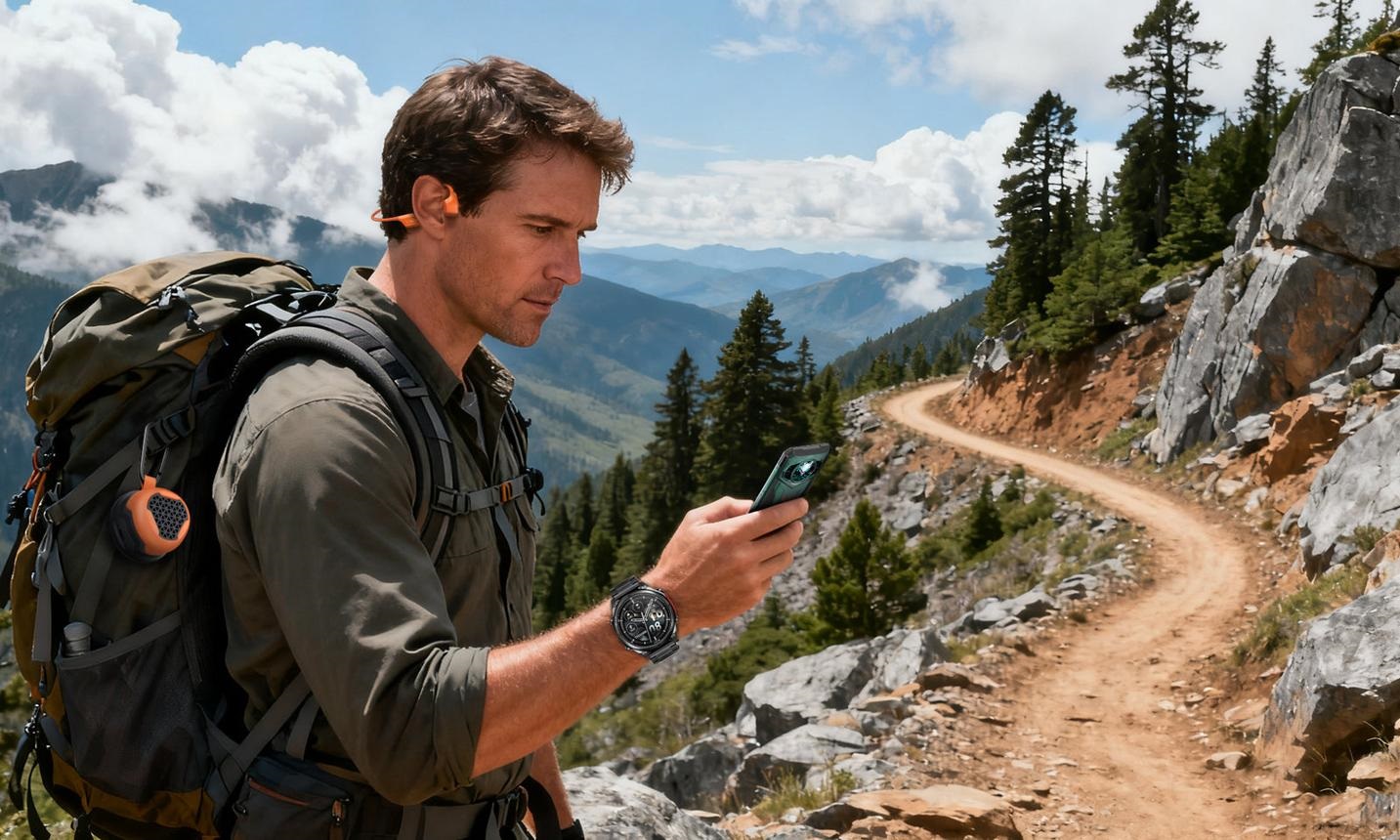
Smartphones have become essential tools for everyday communication, navigation, business, and entertainment. However, standard smartphones are not always designed for environments where dust, water, accidental drops, and difficult working conditions are common.
For construction workers, outdoor enthusiasts, field technicians, and people who regularly work in demanding environments, rugged phones offer an alternative to conventional mobile devices.
These smartphones emphasize durability through reinforced frames, protective designs, and resistance to certain environmental conditions. Many models also provide large batteries, outdoor-friendly features, and practical tools for professional use.
However, not every rugged smartphone delivers the same performance. Some prioritize battery capacity, while others focus on portability, specialized cameras, or industrial applications.
Understanding the differences is important because a device advertised as waterproof or military-grade is not necessarily indestructible.
This complete guide explains what rugged smartphones are, their major advantages, important technical ratings, common applications, and the features American buyers should compare before purchasing.
What Are Rugged Phones?
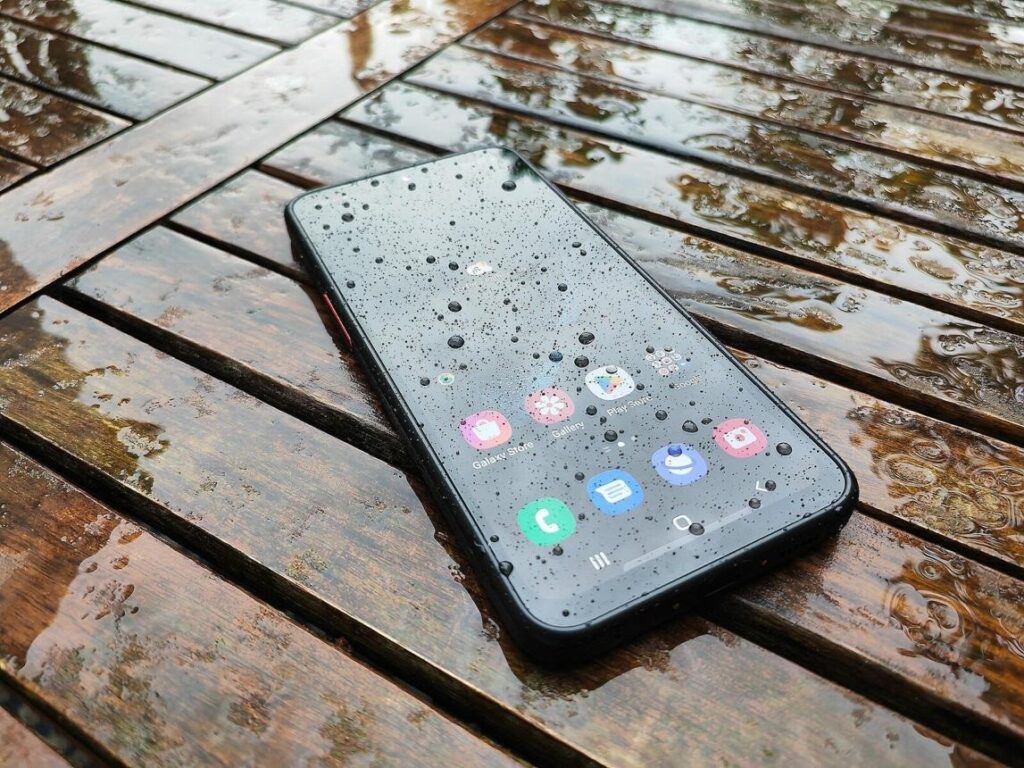
Rugged phones are smartphones designed to tolerate certain physical and environmental conditions more effectively than typical consumer devices.
Manufacturers often use reinforced frames, protective corners, sealed openings, and durable exterior materials to improve resistance to everyday hazards.
Although these devices may look bulkier than conventional smartphones, their designs can provide additional protection in suitable conditions.
How Rugged Smartphones Work
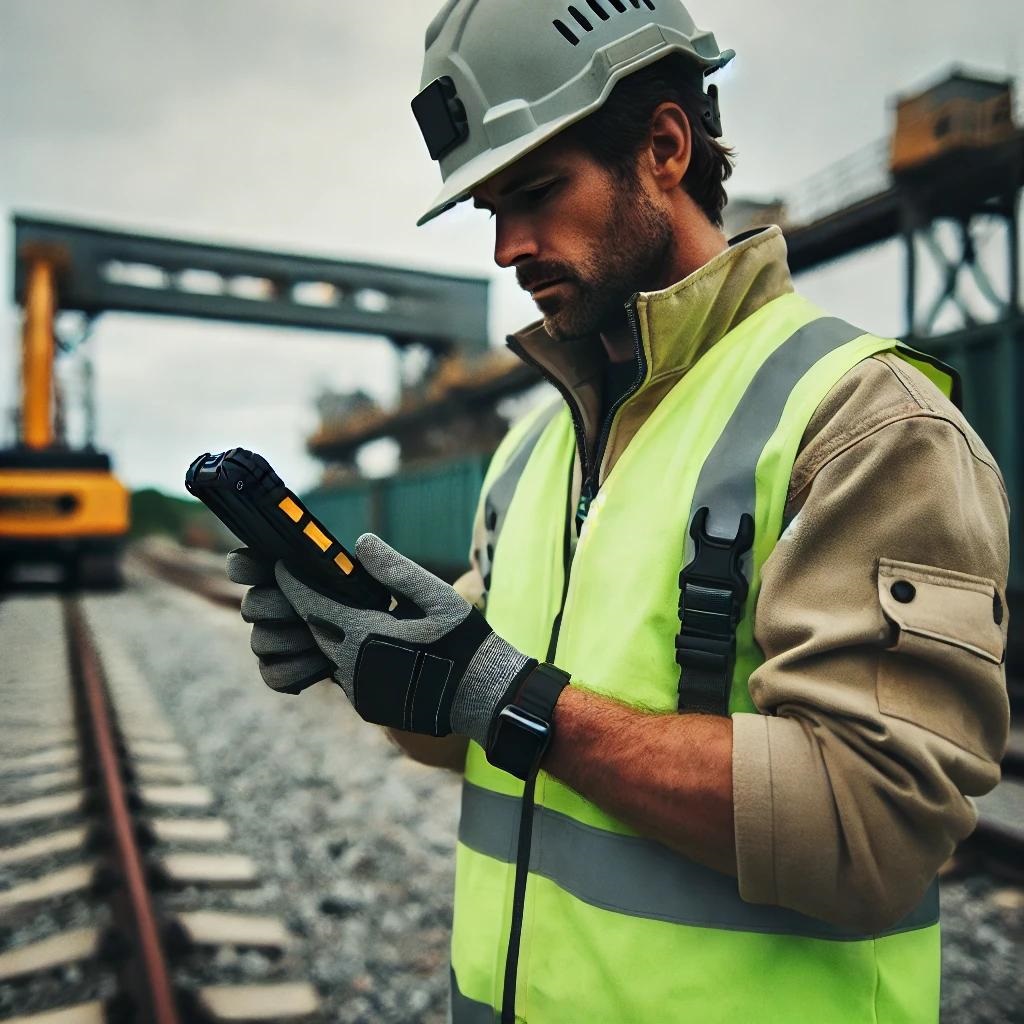
Most rugged smartphones use familiar Android operating systems and offer ordinary smartphone functions such as calling, messaging, photography, GPS navigation, and mobile internet.
The main difference is their physical construction and the environmental protection claimed by the manufacturer.
Depending on the model, additional features may include programmable buttons, glove-friendly controls, thermal cameras, or high-capacity batteries.
Who Should Consider a Rugged Phone?
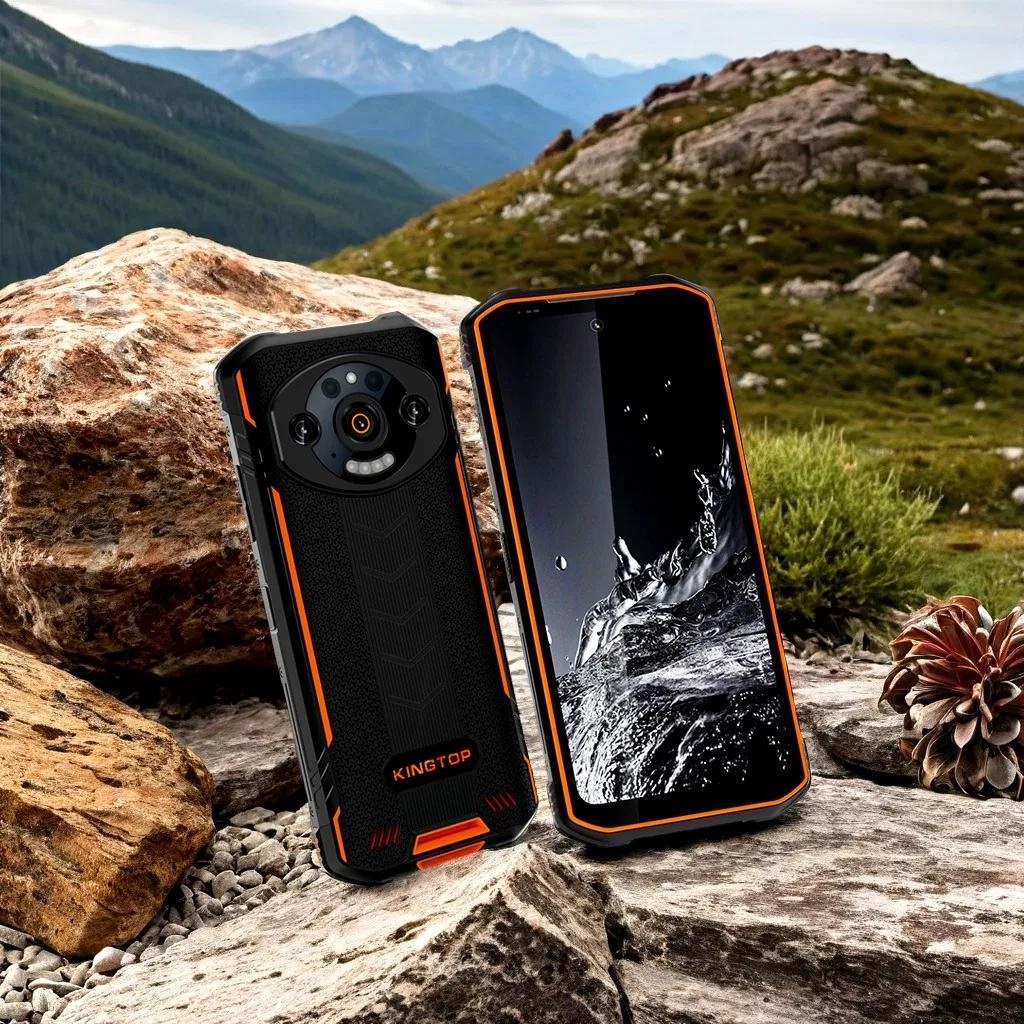
These devices can be particularly useful for:
- Construction workers and contractors
- Electricians, plumbers, and HVAC technicians
- Warehouse and manufacturing employees
- Farmers and agricultural workers
- Hikers, campers, and outdoor adventurers
- Delivery drivers and field service professionals
- People frequently exposed to dust, rain, or accidental drops
However, individual requirements differ. A hiking enthusiast may value battery life and GPS reliability, while a construction supervisor may prioritize durability and communication features.
Why Are Rugged Phones Becoming Popular?
Many buyers want smartphones that fit demanding lifestyles without requiring constant concern about accidental damage.
Protection Against Everyday Hazards
Rugged smartphone designs often include shock-absorbing corners, reinforced housings, and materials intended to protect vulnerable components.
These features may reduce the likelihood of damage from certain accidental impacts.
However, actual drop protection depends on the device and its tested conditions.
Resistance to Dust and Water
Dust and moisture can interfere with electronic equipment.
Many rugged models advertise ingress protection ratings that indicate resistance under specified laboratory conditions.
This can be beneficial for people working outdoors or in dusty industrial settings.
Water resistance should never be interpreted as unlimited protection against liquids.
Extended Battery Capacity
Some heavy-duty smartphones contain larger batteries than many slim consumer models.
Additional capacity can be useful during long work shifts, camping trips, and activities where charging opportunities are limited.
Battery performance still depends on screen brightness, signal strength, applications, temperature, and usage patterns.
Useful Professional Features
Certain models offer push-to-talk capabilities, physical shortcut buttons, barcode scanning, night-vision cameras, or thermal imaging.
These features can make specialized rugged devices useful in industries where conventional smartphones may be less practical.
Understanding Rugged Phone Durability Ratings
Before choosing a durable smartphone, it is important to understand the technical ratings commonly displayed in product descriptions.
What Does IP68 Mean?
IP ratings describe degrees of enclosure protection against solid particles and water.
The international IEC 60529 standard establishes the framework for these classifications.
In an IP68 rating, the first digit indicates dust-tight protection under the relevant test conditions.
The second digit relates to immersion protection under conditions specified for the device.
Importantly, IP68 does not guarantee that every phone can survive the same water depth or immersion duration.
Always review the manufacturer’s exact specifications.
What Is IP69 or IP69K?
Certain rugged smartphones also advertise IP69 or IP69K protection.
These ratings relate to particular high-pressure and high-temperature water-jet test conditions.
They address different exposure scenarios from immersion ratings.
A higher-looking number does not automatically mean the device is suitable for every underwater activity or cleaning method.
Understanding MIL-STD-810H
MIL-STD-810H is a U.S. military environmental engineering standard containing multiple test methods.
Manufacturers may evaluate devices against selected conditions involving temperature, vibration, shock, humidity, or other stresses.
A military-standard claim does not mean the U.S. military has personally certified every advertised smartphone.
Buyers should ask which tests were performed and what limitations apply.
Essential Features to Look for in Rugged Phones
Durability matters, but everyday usability should also influence your purchasing decision.
Strong Build Quality
Examine the materials used around the frame, corners, buttons, charging ports, and display.
A good rugged design should offer practical protection without making the phone unnecessarily difficult to handle.
Check whether protective covers must remain closed to maintain water resistance.
Battery Life and Charging
A larger battery may support extended use, but capacity alone does not determine actual runtime.
Compare manufacturer claims with independent battery tests when available.
Also consider charging speed, charger compatibility, and whether the device supports convenient charging methods.
For camping or field work, plan for a suitable backup power source.
Display Quality
Outdoor visibility is particularly important.
Look for a sufficiently bright screen, readable text, responsive touch controls, and appropriate glass protection.
Some models advertise glove mode or wet-touch functionality, although performance varies.
Processing Power and Storage
Durable construction cannot compensate for poor smartphone performance.
Compare the processor, RAM, internal storage, and supported applications.
People using navigation apps, work-management software, and large files should choose specifications appropriate for those tasks.
Camera Features
Camera quality is useful for documenting repairs, construction progress, equipment conditions, or outdoor activities.
Some rugged models include infrared night vision or thermal imaging.
These specialized features may be useful for certain inspections, but they do not automatically replace professional diagnostic instruments.
Rugged Phones vs. Regular Smartphones
Choosing between rugged and conventional smartphones involves balancing durability, portability, performance, and price.
Advantages of Rugged Smartphones
Heavy-duty phones may offer reinforced construction, larger batteries, and practical features for outdoor or industrial environments.
Some models also provide enhanced physical buttons and specialized sensors.
These characteristics can make them attractive for demanding activities.
Disadvantages of Rugged Smartphones
Rugged devices are often thicker and heavier than standard smartphones.
Certain models may have less advanced cameras, older processors, or shorter software-support commitments than similarly priced mainstream phones.
Repair services and replacement accessories may also be harder to find.
For ordinary office work and everyday home use, a standard smartphone with a quality protective case may be sufficient.
Best Uses for Rugged Phones in Everyday Life
The ideal rugged smartphone depends on how and where it will be used.
Construction and Industrial Work
Construction sites expose devices to dust, vibration, outdoor weather, and potential accidental impacts.
A rugged phone can help workers communicate, access digital plans, document progress, and coordinate tasks.
Buyers should prioritize reliable connectivity, adequate battery life, and usable controls.
Hiking and Camping
Outdoor adventures may involve rain, cold temperatures, uneven terrain, and limited charging access.
Rugged devices with dependable GPS functionality and suitable batteries can be useful companions.
However, hikers should still carry offline maps and appropriate emergency navigation equipment.
A smartphone does not guarantee emergency coverage in remote locations.
Agriculture and Farming
Farmers frequently work around machinery, dirt, moisture, and changing weather conditions.
Durable smartphones can support communication, equipment records, mapping applications, and field documentation.
A bright display and reliable mobile reception may be particularly valuable.
Warehouses and Delivery Services
Warehouse employees and delivery drivers may need reliable mobile access throughout long shifts.
Depending on the role, rugged phones can support work applications, inventory management, scanning, and communication.
Business buyers should also evaluate enterprise security features and device-management compatibility.
How to Choose the Best Rugged Phone in the USA
American buyers should consider several additional factors before ordering a device, particularly from an overseas manufacturer.
Check Carrier Compatibility
Not every unlocked smartphone supports every American mobile network.
Confirm compatibility with your intended carrier, including supported frequency bands, 4G LTE, 5G, and voice-over-LTE functionality.
A phone advertised as globally unlocked may still lack certain network features in the United States.
Check the exact model number and carrier’s compatibility guidance.
Review Software Updates
Software security is an important part of smartphone ownership.
Ask the manufacturer how long the device will receive security patches and operating system updates.
Android’s enterprise device requirements demonstrate the importance of documented update schedules for business use.
Avoid choosing a phone solely because its physical construction appears durable.
Compare Warranty Coverage
Rugged phones are resistant to certain conditions, not immune to damage.
Read the warranty carefully to understand exclusions involving cracked screens, liquid exposure, worn seals, and accidental impacts.
Also verify whether repairs and customer support are available to buyers in the United States.
Evaluate Total Ownership Cost
The cheapest advertised price is not always the best value.
Consider shipping, taxes, compatible chargers, accessories, software support, warranty coverage, and possible replacement costs.
For business purchases, downtime and device-management requirements can be equally important.
Rugged Smartphone Brands and Product Options
Several manufacturers offer rugged smartphone collections with different features and intended users.
Specialized Rugged Phone Manufacturers
Brands such as DOOGEE, Ulefone, Oukitel, and AGM offer devices designed around durability and specialized capabilities.
Some models feature large batteries, reinforced frames, night-vision cameras, or thermal imaging.
Product specifications vary significantly, even within the same brand.
For example, readers exploring rugged phones through the supplied product link are directed toward a DOOGEE S96 GT promotional page.
Because this is an older product campaign and its destination was not fully accessible for verification, buyers should confirm current availability, specifications, and software support through the manufacturer.
Business-Oriented Rugged Smartphones
Some established mobile manufacturers and enterprise suppliers also offer rugged devices intended for professional users.
These may emphasize removable batteries, security policies, fleet management, and workplace communication.
Businesses should compare long-term support and operating costs, not only physical durability.
Common Mistakes to Avoid When Buying Rugged Phones
A few purchasing mistakes can make an otherwise durable device a poor investment.
Assuming Every Rugged Phone Is Waterproof
Ingress protection applies to specific test conditions.
Saltwater, chemicals, high-pressure cleaning, and worn seals can create risks beyond a device’s documented resistance.
Ignoring Smartphone Weight
A very large battery and reinforced construction may make a phone uncomfortable for everyday carrying.
Check the listed weight and dimensions before ordering.
Choosing Battery Capacity Over Everything Else
An enormous battery is less useful if the phone has poor reception, unreliable software, or inadequate processing performance.
Balance endurance with practical usability.
Overlooking Software Support
A phone may remain physically intact long after its operating system stops receiving essential security updates.
Verify support timelines before purchasing.
Buying Without Checking Reviews
Look for detailed independent testing that discusses display visibility, network compatibility, battery performance, camera quality, and durability limitations.
Do not rely exclusively on promotional photographs or marketing claims.
How to Maintain a Rugged Smartphone
Even devices designed for demanding environments require regular care.
Keep Charging Ports Clean and Dry
Inspect accessible ports for dust, moisture, and debris.
Follow manufacturer cleaning instructions and never charge a device while its connector is wet.
Protect the Display
Reinforced glass can still crack or scratch.
Avoid unnecessary impacts and consider a compatible screen protector.
Check Protective Seals
Some phones rely on port covers and seals to maintain their rated resistance.
Close covers properly and inspect them for visible damage.
Keep Software Updated
Install appropriate operating system and security updates when available.
Maintain backups of important photographs, work files, and personal information.
Frequently Asked Questions About Rugged Phones
1. What are rugged phones used for?
Rugged smartphones are designed for users who need devices with additional physical protection. They are commonly used in construction, agriculture, logistics, field services, and outdoor activities.
2. Are rugged phones completely waterproof?
No. Water resistance is limited to specific tested conditions. Always check the exact device rating, manufacturer guidance, and warranty exclusions.
3. Are rugged smartphones better than regular smartphones?
They may be better for demanding environments, but conventional smartphones can offer advantages in weight, camera performance, design, and software support.
4. Do rugged phones work with American carriers?
Some do, but compatibility depends on the model and mobile network. Confirm supported bands and carrier requirements before purchasing.
5. Do rugged phones have good battery life?
Many models offer high-capacity batteries, but actual endurance depends on hardware efficiency, applications, connectivity, and usage patterns.
6. What does MIL-STD-810H mean on a smartphone?
It indicates a manufacturer claim relating to selected environmental test methods. Buyers should review which specific procedures were used rather than assuming universal military certification.
7. Can rugged phones be used for gaming?
Yes, depending on the processor, memory, display, and thermal performance. Not every rugged model is optimized for demanding mobile games.
8. How long can a rugged smartphone last?
Lifespan depends on construction quality, battery condition, usage, accidental damage, and software support. Durable housing does not guarantee indefinite operation.
Conclusion
Rugged phones offer a practical alternative for people who frequently use smartphones in challenging environments.
With reinforced construction, water and dust resistance, larger batteries, and specialized features, these devices can support demanding jobs and outdoor lifestyles.
However, choosing the right model requires more than looking for military-grade labels or impressive battery numbers.
Evaluate verified durability ratings, processor performance, screen quality, U.S. carrier compatibility, software updates, and warranty conditions.
Whether you need a reliable device for construction work, camping, farming, or professional field operations, the right rugged smartphone should balance protection with everyday usability.
By comparing specifications carefully and understanding the limitations of durability claims, you can choose a phone that better matches your work, lifestyle, and long-term needs.

Written by Twastia Editorial Team
Twastia Editorial Team shares practical insights about website design, SEO services, Google Ads, content marketing, social media, conversion rate optimization, and digital marketing strategy.
Last updated: Oct 27, 2026
Related posts from Twastia
Explore more useful articles from twastia.com about digital marketing, SEO, websites, ads, content, and growth strategy.