Hiring Professional Home Improvement Contractors: Best Guide
Improving your home can make everyday living more comfortable, functional, and enjoyable. Whether you’re planning a kitchen remodel, replacing outdated […]

Improving your home can make everyday living more comfortable, functional, and enjoyable. Whether you’re planning a kitchen remodel, replacing outdated windows, upgrading your bathroom, or refreshing your home’s exterior, the right contractor can make a significant difference.
However, home renovation projects also involve financial decisions, construction requirements, schedules, and unexpected challenges. Choosing someone based only on a low estimate can lead to poor workmanship, delays, and additional expenses.
That’s why hiring professional home improvement contractors is one of the most important steps in a successful remodeling project.
Experienced contractors can help homeowners understand project requirements, select suitable materials, coordinate skilled workers, and manage the construction process. The best professionals also communicate clearly and provide written documentation.
For homeowners across the United States, knowing how to evaluate contractors is essential.
This guide explains what professional contractors do, which qualifications to check, how to compare estimates, and how to protect your investment from the first consultation through final inspection.
What Are Professional Home Improvement Contractors?
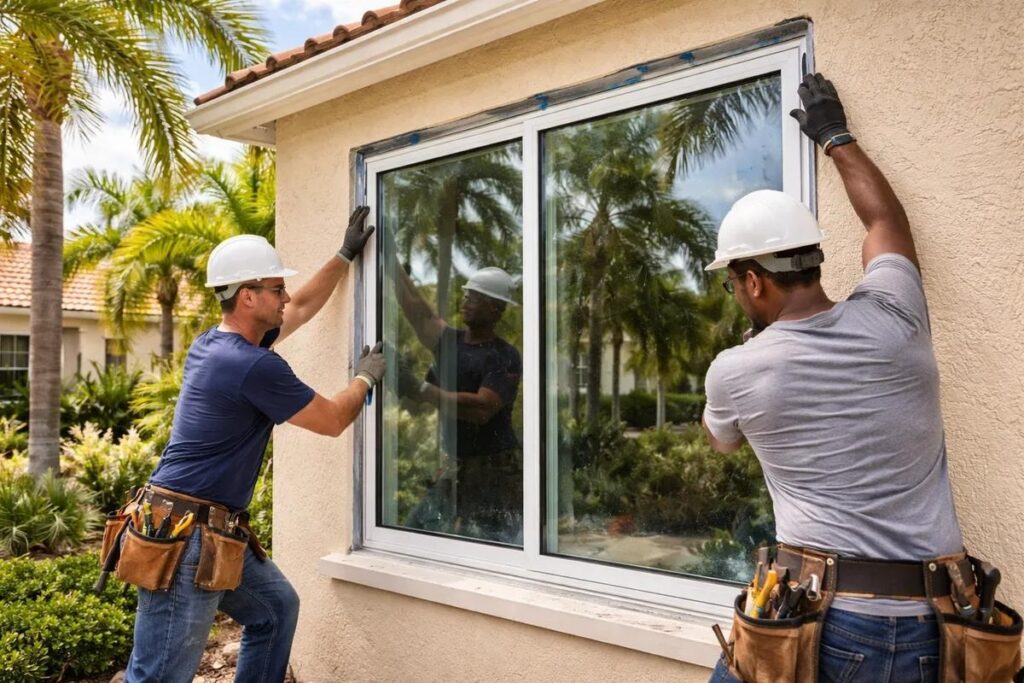
Home improvement contractors are professionals who perform or coordinate residential renovation, repair, and construction projects.
Their responsibilities vary depending on their qualifications, licenses, and services.
General Contractors
General contractors commonly manage projects involving multiple construction trades.
They may coordinate electricians, plumbers, carpenters, painters, and other specialists while overseeing the overall schedule.
Specialty Contractors
Specialty contractors focus on particular services, such as roofing, window installation, plumbing, or electrical work.
Some projects require appropriately licensed specialists rather than a general remodeling crew.
Design-Build Contractors
Design-build businesses combine design planning and construction services through a coordinated project approach.
This can simplify communication when homeowners need substantial remodeling work.
Why Hiring Professional Contractors Matters

Professional remodeling involves more than completing visible construction tasks.
Quality Workmanship
Experienced contractors understand appropriate installation methods, materials, and finishing techniques.
Their knowledge can help reduce mistakes that lead to repeated repairs.
Better Project Organization
Renovations often require materials, inspections, subcontractors, and scheduled work to come together.
A well-organized contractor helps coordinate these activities.
Building Code Compliance
Many home improvements must follow applicable building codes and permit requirements.
Qualified contractors should identify relevant requirements and explain how inspections will be managed.
Clear Accountability
A written contract establishes expectations for work, payment, timelines, and responsibilities.
This protects both homeowners and contractors when questions arise.
Common Home Improvement Services

The services you need will determine which type of contractor to hire.
Kitchen Remodeling
Kitchen renovations may involve cabinetry, countertops, flooring, lighting, ventilation, and plumbing changes.
A professional can help coordinate the different trades involved.
Bathroom Renovations
Bathroom projects often require careful waterproofing, plumbing, ventilation, and tile installation.
Poor workmanship can create hidden moisture problems.
Window and Door Replacement
Replacing outdated windows and doors may improve appearance, functionality, and comfort.
Products and installation methods should meet applicable local requirements.
Interior and Exterior Painting
Professional painting involves surface preparation, suitable coatings, and careful finishing.
Preparation is particularly important for durability.
Complete Home Renovations
Major remodeling projects may involve structural changes, electrical upgrades, interior layouts, and several specialized contractors.
These projects require detailed planning and experienced supervision.
Step 1: Define Your Renovation Goals
Before contacting contractors, establish what you want to accomplish.
Identify Your Priorities
Consider whether your goal is improved functionality, additional space, updated appearance, or repairing existing damage.
Separate essential improvements from optional upgrades.
Create a Practical Budget
Determine how much you can comfortably spend, including an allowance for unexpected conditions.
Avoid committing your entire available budget before demolition begins.
Establish a Preferred Timeline
Think about holidays, family obligations, work schedules, and other activities that may affect construction.
Your preferred completion date should remain flexible until the contractor evaluates the scope.
Step 2: Research Local Contractors
A careful search helps narrow your options to professionals familiar with your project.
Ask for Recommendations
Friends, neighbors, and colleagues may recommend contractors they have worked with.
Ask about communication, workmanship, payment practices, and how problems were resolved.
Review Completed Projects
Look for examples similar to your planned renovation.
A company experienced in exterior painting may not necessarily specialize in complex kitchen remodeling.
Check Recent Reviews
Read feedback across multiple platforms.
Look for recurring patterns rather than judging a business by one unusually positive or negative review.
Consider Local Experience
Contractors familiar with local building conditions may better understand permitting procedures, weather concerns, and common construction materials.
Step 3: Verify Licenses and Insurance
Licensing requirements differ across U.S. states and local jurisdictions.
Confirm Applicable Licensing
Ask for the contractor’s license number and verify it through the appropriate state or local authority.
A business registration alone is not proof of construction licensing.
Review Liability Insurance
General liability coverage may help address certain property damage or third-party injury claims.
Request evidence of current coverage.
Ask About Workers’ Compensation
Workers’ compensation requirements depend on state law and employment arrangements.
Confirm whether applicable coverage is in place for people working on your property.
Check Specialized Certifications
Some projects require additional qualifications.
For example, the EPA’s Renovation, Repair and Painting Rule generally requires certification and lead-safe practices for covered paid work disturbing paint in homes built before 1978.
Step 4: Compare Written Contractor Estimates
Getting multiple estimates helps homeowners understand project pricing and differences in service.
Request Detailed Scope Descriptions
Each estimate should identify the work being performed and the materials involved.
Vague descriptions make comparisons difficult.
Compare Material Specifications
Two contractors may quote different prices because they recommend different products or installation methods.
Ask about brands, quality levels, and warranties.
Review Labor and Additional Expenses
Check whether estimates include demolition, debris removal, permits, delivery charges, and cleanup.
Avoid Choosing Only by Price
An unusually low estimate may leave out important work.
The Federal Trade Commission recommends understanding substantial price differences before selecting a contractor.
Step 5: Ask Important Questions Before Hiring
A consultation is an opportunity to evaluate how the contractor operates.
Who Will Manage the Project?
Find out who supervises work, communicates updates, and handles unexpected problems.
Will Subcontractors Be Used?
Ask which tasks will be assigned to subcontractors and how their qualifications are verified.
How Are Changes Approved?
Renovation plans sometimes change after work begins.
Request a written change-order process identifying additional costs and schedule adjustments.
What Warranties Are Available?
Understand the difference between product warranties and the contractor’s workmanship warranty.
Request both in writing where applicable.
Step 6: Understand the Remodeling Contract
A clear agreement reduces misunderstandings during construction.
Scope of Work
The contract should describe tasks, materials, responsibilities, and important exclusions.
Project Schedule
Include expected start and completion dates, along with a process for handling delays.
Payment Schedule
Payments should correspond to reasonable project milestones and applicable state laws.
Avoid paying the entire project cost before work begins.
Permits and Inspections
Clarify who obtains permits and coordinates required inspections.
Final Completion
Include procedures for identifying unfinished work and addressing defects before final payment.
Understanding Home Renovation Costs
Project costs vary significantly between properties and locations.
Project Size
Renovating one room generally involves different expenses from changing an entire home.
Existing Conditions
Hidden water damage, outdated wiring, structural problems, or deteriorated framing can increase costs.
Materials and Finishes
Premium cabinetry, flooring, fixtures, and windows may cost more than standard alternatives.
Location and Labor
Labor availability, transportation, and regional construction conditions influence contractor pricing.
Instead of relying on a universal estimate, request current local quotations for your exact scope.
Exploring Fine Design Builders in South Florida
Homeowners researching professional renovation services can explore Fine Design Builders, a company that advertises residential improvement services in South Florida.
Advertised Home Improvement Services
According to its website, Fine Design Builders provides high-impact window installation, window and door replacement, interior and exterior painting, and interior renovations.
South Florida Expertise
The company highlights hurricane-related home protection needs through impact-resistant windows and doors.
These improvements are particularly relevant where local codes and storm exposure influence construction decisions.
Company Information
Fine Design Builders lists Miami and Fort Myers contact information and advertises general contractor license number CGC1523797.
Homeowners should independently verify current licensing, insurance, service coverage, and project availability.
Requesting an Estimate
Its website offers an estimate request option.
Before agreeing to work, confirm the proposed scope, product details, installation requirements, and written payment terms.
Special Considerations for Florida Homeowners
Climate and local regulations can influence renovation decisions.
Storm-Resistant Windows
Impact-resistant products may be appropriate for certain coastal properties.
Check product approvals, installation specifications, and local building requirements.
Exterior Material Durability
Heat, humidity, sunlight, and wind-driven rain can affect paints, seals, and exterior materials.
Ask about products suitable for the property’s exposure conditions.
Moisture Management
Proper waterproofing, ventilation, and drainage are essential in humid environments.
A cosmetic renovation should not conceal existing moisture damage.
Permit Verification
Florida homeowners can verify construction licenses through the Department of Business and Professional Regulation.
Local building departments can explain project-specific permitting requirements.
How to Prepare Your Home for Renovation
Planning ahead can reduce disruption once construction begins.
Clear Work Areas
Remove fragile items, valuables, furniture, and belongings that could obstruct access.
Protect Living Spaces
Discuss dust barriers, ventilation, floor protection, and cleanup routines.
Make Temporary Arrangements
Kitchen and bathroom projects may temporarily limit access to important household facilities.
Establish Communication
Agree on a practical method for receiving updates and approving decisions.
Managing Your Contractor During Construction
Clear communication helps projects progress more smoothly.
Review Progress Regularly
Check whether completed work matches approved plans and specifications.
Raise concerns promptly rather than waiting until completion.
Document Changes
Keep copies of revised estimates, change orders, receipts, and messages.
Respect Safety Boundaries
Avoid entering hazardous work areas or interfering with electrical, structural, or specialized construction tasks.
Track Important Milestones
Confirm required inspections and major installation stages before related work is concealed.
Warning Signs of an Unreliable Contractor
The FTC identifies several behaviors that should make homeowners cautious.
Pressure to Sign Immediately
Be wary of contractors offering unusually short deadlines for major purchasing decisions.
Requests for Full Upfront Payment
Large advance payment demands may expose homeowners to unnecessary financial risk.
Missing Documentation
A contractor unwilling to provide written terms, insurance information, or required license details deserves additional scrutiny.
Unclear Business Identity
Verify the company name, contact details, address, and people responsible for the project.
Unexplained Price Differences
Extremely low bids can indicate missing services or unrealistic assumptions.
Investigate before signing.
Final Inspection and Project Completion
A renovation is not complete simply because construction activity has stopped.
Walk Through the Finished Work
Compare the result with the written agreement and approved changes.
Create a Punch List
Document incomplete details, damaged finishes, or outstanding corrections.
Collect Final Documents
Request applicable inspection approvals, warranties, maintenance instructions, and receipts.
Confirm Payment Conditions
Follow the contract and applicable laws before releasing final payment.
Keep records for future maintenance or warranty claims.
Frequently Asked Questions
1. Why should I hire professional home improvement contractors?
Professional contractors can coordinate skilled labor, manage construction requirements, and provide documented accountability for renovation work.
2. How do I verify a contractor’s license?
Use your state or local licensing authority’s official verification system and confirm the license covers the proposed work.
3. Should I get multiple renovation estimates?
Yes. Comparing several detailed written estimates helps you evaluate pricing, materials, and included services.
4. Do all home improvement projects require permits?
No. Permit requirements depend on the work and jurisdiction. Structural, electrical, plumbing, and window projects may require approval.
5. What insurance should a contractor carry?
Ask about general liability and any applicable workers’ compensation insurance, then verify coverage.
6. How much should I pay before work begins?
Deposit rules vary by state. Avoid paying the full project price upfront and use a reasonable written payment schedule.
7. What services does Fine Design Builders advertise?
Its website lists impact window and door installation, painting, window replacement, and interior renovation services in South Florida.
8. What should I inspect before final payment?
Review workmanship, the approved scope, unresolved defects, inspections, warranties, and outstanding contractual obligations.
Conclusion
Hiring professional home improvement contractors requires careful research, realistic budgeting, and clear communication.
Whether you’re planning kitchen remodeling, bathroom upgrades, window replacement, painting, or a larger renovation, choosing qualified professionals can improve project organization and reduce avoidable problems.
Always verify licenses and insurance, compare detailed estimates, review contracts, and understand payment responsibilities before construction begins.
For South Florida homeowners, Fine Design Builders is one company whose advertised services include impact windows, doors, painting, and interior renovation.
However, every contractor should be evaluated independently based on current qualifications, project experience, and written commitments.
With the right preparation and a dependable professional team, your renovation can become a well-managed investment in your home’s comfort, functionality, and appearance.

Written by Twastia Editorial Team
Twastia Editorial Team shares practical insights about website design, SEO services, Google Ads, content marketing, social media, conversion rate optimization, and digital marketing strategy.
Last updated: Oct 29, 2026
Related posts from Twastia
Explore more useful articles from twastia.com about digital marketing, SEO, websites, ads, content, and growth strategy.