Why Online Booking Is Better for Hotels: Best Benefits Guide
The hospitality industry has changed significantly as travelers increasingly use websites and mobile devices to plan their trips. From weekend […]
The hospitality industry has changed significantly as travelers increasingly use websites and mobile devices to plan their trips. From weekend vacations to business travel, guests want a convenient way to compare accommodation, check room availability, and confirm reservations.
For hotel owners, this shift creates opportunities to improve operations, reach more customers, and reduce repetitive administrative work.
Understanding why online booking is better for hotels can help independent properties, boutique hotels, resorts, and larger accommodation businesses make smarter technology decisions.
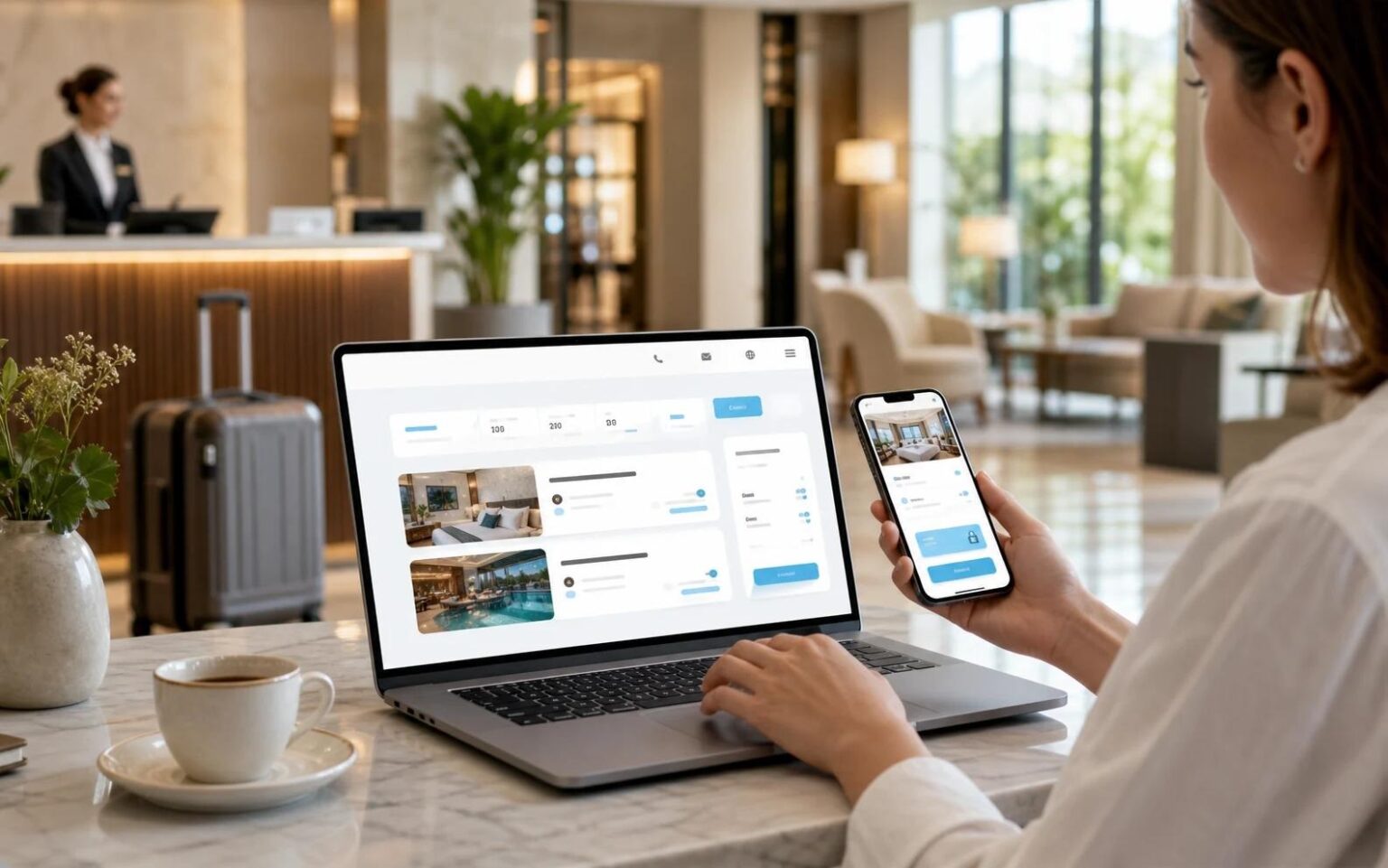
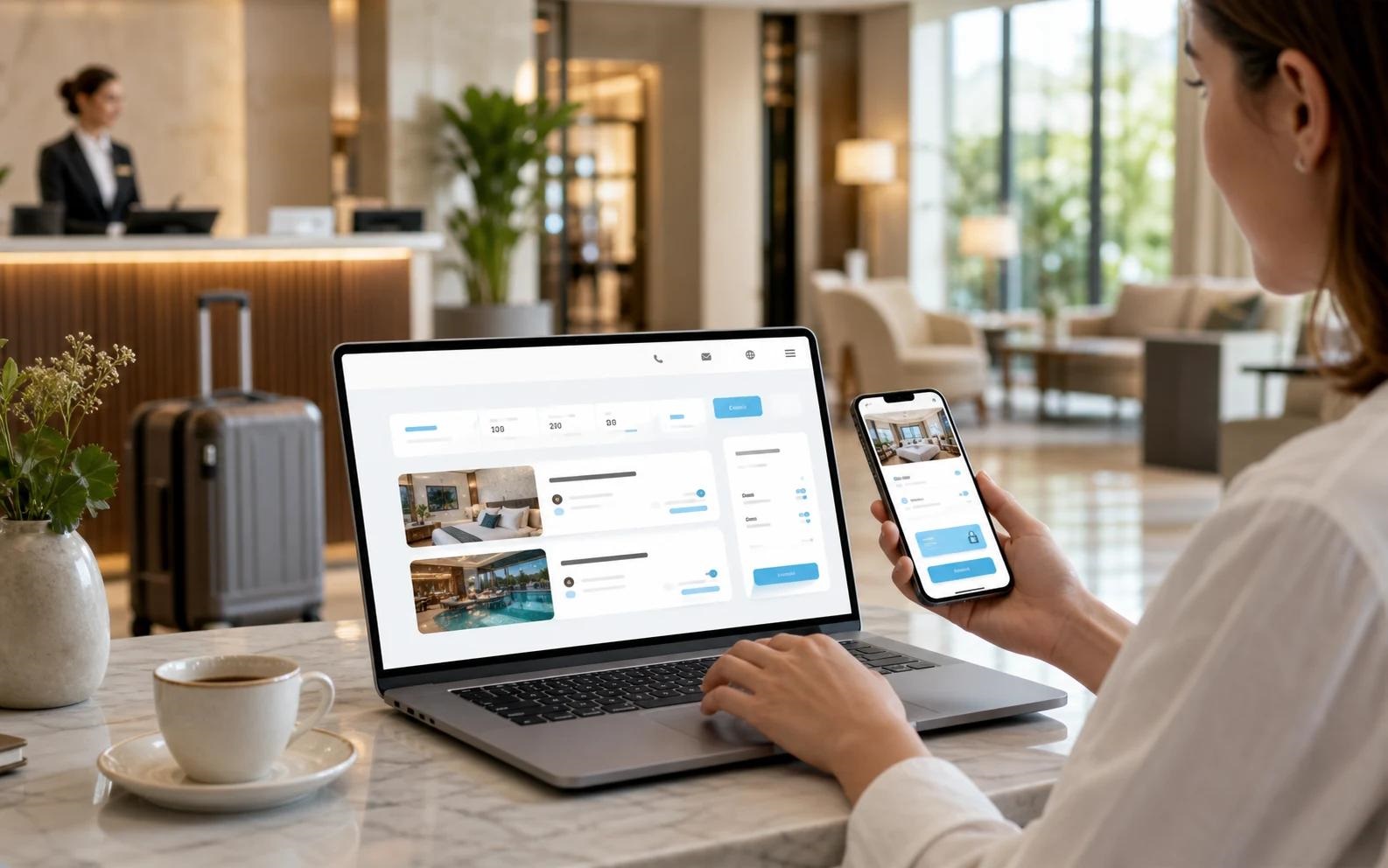
An online booking system allows guests to select rooms, review prices, and complete reservations without calling the front desk. When connected to hotel management software, it can also update room availability, process payments, and organize reservation information.
However, successful online booking requires more than simply adding a reservation button to a website. Hotels need reliable technology, transparent pricing, accurate inventory, and an easy customer experience.
This guide explores the main benefits of online hotel booking, important software features, and practical ways American hotel operators can improve their reservation processes.
What Is an Online Hotel Booking System?

An online hotel booking system is software that allows guests to reserve accommodation through a website or digital platform.
It connects available rooms, pricing, reservation dates, and guest information into a structured booking process.
How Online Hotel Booking Works
A guest selects travel dates, checks available room categories, reviews prices, and provides the information needed to reserve a room.
Depending on the hotel’s policies, the system may collect payment or payment authorization.
A confirmation is then sent through an approved communication channel.
Direct Booking vs. Third-Party Booking
Direct booking happens through the hotel’s own website or authorized reservation channels.
Third-party booking occurs through online travel agencies, commonly called OTAs.
Both channels can help hotels attract customers, but their distribution costs and customer relationships differ.
1. Online Booking Makes Reservations Available 24/7

One major advantage is that travelers can reserve rooms at any time.
Guests Can Book Outside Business Hours
Travelers may research hotels late at night, during lunch breaks, or while moving between destinations.
An online booking engine allows reservations without waiting for a staff member to answer the phone.
Convenience for International Travelers
Guests planning trips from different time zones can check availability and make reservations when convenient.
This supports properties welcoming international visitors.
Fewer Missed Booking Opportunities
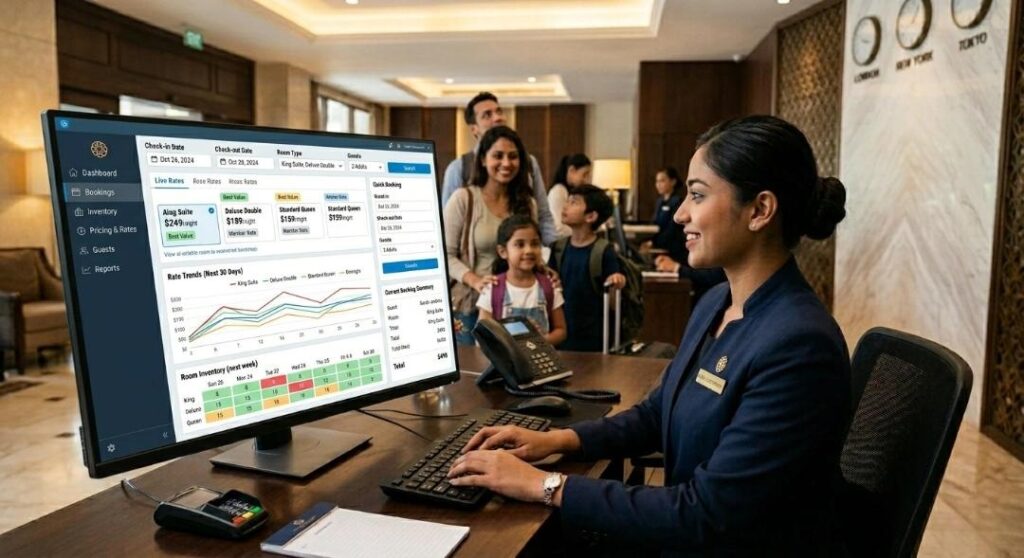
A hotel relying exclusively on telephone reservations may miss customers when the front desk is busy.
Online reservations provide an additional way to capture potential bookings.
2. Direct Online Booking Can Reduce Distribution Costs
Third-party booking platforms provide exposure but commonly charge commissions or other distribution fees.
Lower Dependence on OTA Commissions
A direct booking engine can allow hotels to receive reservations through their websites without paying the same OTA commission for those bookings.
However, payment processing, software subscriptions, advertising, and website maintenance still involve costs.
Greater Control Over Reservations
Hotels can manage direct booking offers, room descriptions, policies, and guest communications.
Improve Revenue Retention
When the cost of acquiring a direct reservation is lower than a comparable third-party booking, the property may retain more revenue.
Hotels should evaluate actual acquisition costs instead of assuming every direct reservation is cheaper.
3. Online Booking Improves Guest Convenience
Modern travelers expect straightforward digital experiences.
Easy Room Comparison
Guests can review room categories, photos, amenities, and available packages before choosing.
Clear descriptions help reduce uncertainty about what is included.
Faster Reservation Process
A well-designed website can guide guests from selecting dates to confirming a room through a few simple steps.
Instant Confirmation
Automated confirmation messages provide booking details without manual follow-up.
These messages should accurately explain payment status, cancellation terms, and check-in information.
4. Hotels Can Reach More Potential Guests
An online booking system supports a hotel’s broader digital presence.
Website Visibility
Travelers who discover a hotel through search engines can proceed directly to its reservation page.
Helpful destination content and accurate property information may improve the website’s usefulness.
Mobile-Friendly Booking
Many guests browse accommodation on smartphones.
Responsive layouts, readable pricing, and simple forms can make mobile reservations easier.
International Accessibility
A hotel website can provide property information to travelers outside its immediate geographic area.
Language options and clear currency information may improve accessibility for international guests.
5. Online Reservations Reduce Manual Administrative Work
Manual booking processes often involve telephone calls, emails, spreadsheets, and repeated data entry.
Automated Reservation Records
A connected system can collect guest details and create booking records without staff repeatedly entering the same information.
Fewer Routine Questions
Guests can independently review available rooms, check-in policies, and cancellation conditions.
This may reduce some basic inquiries.
More Time for Guest Service
Front desk employees can spend more time assisting guests rather than managing every reservation manually.
Automation supports employees; it does not eliminate the need for knowledgeable hotel staff.
6. Real-Time Availability Helps Prevent Errors
Accurate room inventory is essential for reliable reservations.
Connected Inventory
A booking engine integrated with the property’s management system can update available rooms as reservations change.
Reduce Double Bookings
When inventory is synchronized correctly, the risk of selling the same room inventory through multiple channels can decrease.
Channel Manager Integration
A channel manager can coordinate availability and rates across connected booking platforms.
Hotels should regularly test synchronization and establish procedures for technical failures.
7. Online Booking Supports Better Revenue Management
Hotel demand changes according to season, events, location, and customer behavior.
Flexible Room Pricing
Hotels can adjust rates according to expected demand, inventory, and business goals.
Dynamic pricing must remain accurate and comply with applicable consumer protection requirements.
Special Offers and Packages
Direct booking systems may support packages that include breakfast, parking, or other services.
Performance Monitoring
Reservation data can help managers evaluate booking patterns and identify periods of stronger or weaker demand.
However, data should be interpreted alongside operating costs and market conditions.
8. Better Guest Communication and Personalization
Digital booking systems can support more organized communication before and after a stay.
Pre-Arrival Information
Hotels can send directions, check-in instructions, parking information, and reservation reminders.
Guest Preferences
Where appropriate, hotels may collect preferences such as room accessibility needs or additional bedding requests.
Personalized Offers
With appropriate consent and privacy practices, hotels can provide relevant future-stay offers or loyalty benefits.
Personalization should remain useful rather than intrusive.
9. Online Booking Can Improve Payment Management
Payment flexibility can make reservations easier for guests.
Secure Payment Processing
Hotels should use reputable payment providers and suitable security controls.
Where applicable, payment systems should follow relevant PCI DSS requirements.
Clear Payment Policies
Guests should understand whether they are paying immediately, providing a deposit, or supplying a card guarantee.
Easier Refund Tracking
Connected payment and reservation records can help staff manage cancellations and refunds.
Refund timing and eligibility still depend on the applicable terms and payment method.
10. Better Reporting for Hotel Managers
Hotel managers need reliable information to make operational decisions.
Occupancy Trends
Booking reports can show how room demand changes over different dates.
Reservation Sources
Hotels can compare bookings originating from their website, third-party platforms, and other channels.
Cancellation Patterns
Monitoring cancellation rates helps identify booking policies or customer segments that require attention.
Financial Performance
Metrics such as average daily rate and revenue per available room provide additional context.
These measures should be considered alongside profitability and guest satisfaction.
Online Booking vs. Traditional Hotel Reservations
Traditional reservation methods still serve important purposes.
Telephone Reservations
Some guests prefer speaking with employees, especially when arranging complicated stays or accessibility accommodations.
Online Reservations
Digital booking is convenient for travelers who know their requirements and want immediate confirmation.
Combining Both Approaches
Hotels can provide online booking while maintaining telephone and email support.
A balanced approach helps serve customers with different preferences and needs.
Important Features of Hotel Booking Software
Not every booking platform offers the same functionality.
Mobile-Friendly Design
The reservation process should work smoothly on phones, tablets, and desktop computers.
Property Management Integration
A compatible property management system can help maintain consistent reservation information.
Automated Confirmations
Booking messages should contain accurate dates, room details, and important policies.
Flexible Payment Options
Choose payment capabilities appropriate for the hotel’s operating model and customer base.
Reporting Tools
Managers should be able to review reservations, occupancy patterns, and booking channels.
Reliable Support
Technical assistance is important when reservation services experience problems.
How Hotels Can Increase Direct Online Bookings
Installing software is only the beginning.
Improve Website Navigation
Place a clear booking option where visitors can find it easily.
Avoid distracting layouts or unnecessary steps.
Use Quality Property Photography
Show accurate room photographs, amenities, and common spaces.
Misleading imagery can damage trust.
Provide Clear Cancellation Policies
Explain deadlines, penalties, deposits, and refund eligibility before guests confirm.
Highlight Genuine Direct Booking Benefits
Hotels may offer eligible discounts, loyalty rewards, or specific packages through their websites.
Any advertised benefit should be accurate and available under the stated conditions.
Hotel Booking Price Transparency in the USA
Transparent pricing is particularly important for American hotels.
Understanding the FTC Rule
The Federal Trade Commission’s Rule on Unfair or Deceptive Fees became effective on May 12, 2025.
For covered short-term lodging, businesses advertising prices must prominently display the total price, including mandatory fees that can be calculated upfront.
Resort and Destination Fees
Mandatory resort, service, and similar charges generally must be included in the advertised total.
Certain government charges and genuinely optional services are treated differently under the rule.
Why Transparency Matters
Clear pricing helps guests compare accommodation and reduces confusion during checkout.
Hotels should review their booking engine displays and payment flows for compliance.
Common Online Booking Challenges
Online booking also introduces responsibilities.
Technical Problems
Website outages or software errors can interrupt reservations.
Hotels need reliable vendors, monitoring, and backup procedures.
Cybersecurity Risks
Customer and payment information requires appropriate protection.
Limit employee access and follow relevant security practices.
Booking Abandonment
Complicated forms and unclear conditions may cause visitors to leave before completing reservations.
Managing Multiple Channels
Poorly connected systems can produce inaccurate inventory.
Regular software maintenance and testing are essential.
How to Choose an Online Hotel Booking System
Hotels should evaluate software according to their actual operational needs.
Assess Property Size
A small independent hotel may need different functionality from a multi-property group.
Compare Total Costs
Consider setup fees, subscriptions, transaction charges, integration costs, and support.
Test the Guest Experience
Complete sample bookings on mobile and desktop devices.
Review Integrations
Confirm compatibility with existing property management and channel management systems.
Examine Vendor Support
Ask about response times, training, service reliability, and data portability.
Frequently Asked Questions About Online Hotel Booking
1. Why online booking is better for hotels?
It supports around-the-clock reservations, convenient guest experiences, automated records, and more efficient management of direct bookings.
2. Can online booking increase hotel revenue?
It may improve booking opportunities and reduce some distribution costs, but results depend on demand, pricing, marketing, and operating expenses.
3. What is a hotel booking engine?
A booking engine is software that allows guests to select rooms, review availability, and make reservations online.
4. What is the difference between an OTA and direct booking?
An OTA is a third-party booking platform, while direct booking occurs through the hotel’s own reservation channels.
5. Are online hotel reservations secure?
They can be secure when hotels use reputable payment services, appropriate cybersecurity controls, and reliable software.
6. Can small hotels use online booking software?
Yes. Many systems serve boutique hotels, independent properties, inns, and smaller accommodation businesses.
7. Can hotels still accept phone reservations?
Yes. Online booking can operate alongside telephone, email, and in-person reservations.
8. What should hotels look for in booking software?
Important considerations include usability, inventory synchronization, payment security, reporting, transparent pricing, and vendor support.
Conclusion
Understanding why online booking is better for hotels helps hospitality businesses identify opportunities to improve reservations, reduce repetitive work, and deliver convenient guest experiences.
Online booking systems allow travelers to reserve rooms at any time while giving hotels better control over availability, pricing, and reservation information.
Direct booking can also reduce reliance on third-party distribution, although software and customer acquisition costs still need careful evaluation.
For American hotels, secure payments, accessible design, reliable integrations, and transparent total pricing are essential.
The most effective approach combines convenient digital reservations with responsive human service.
By choosing appropriate technology and continuously improving the guest experience, hotels can create a more organized, accessible, and competitive booking process.

Written by Twastia Editorial Team
Twastia Editorial Team shares practical insights about website design, SEO services, Google Ads, content marketing, social media, conversion rate optimization, and digital marketing strategy.
Last updated: Oct 29, 2026
Related posts from Twastia
Explore more useful articles from twastia.com about digital marketing, SEO, websites, ads, content, and growth strategy.