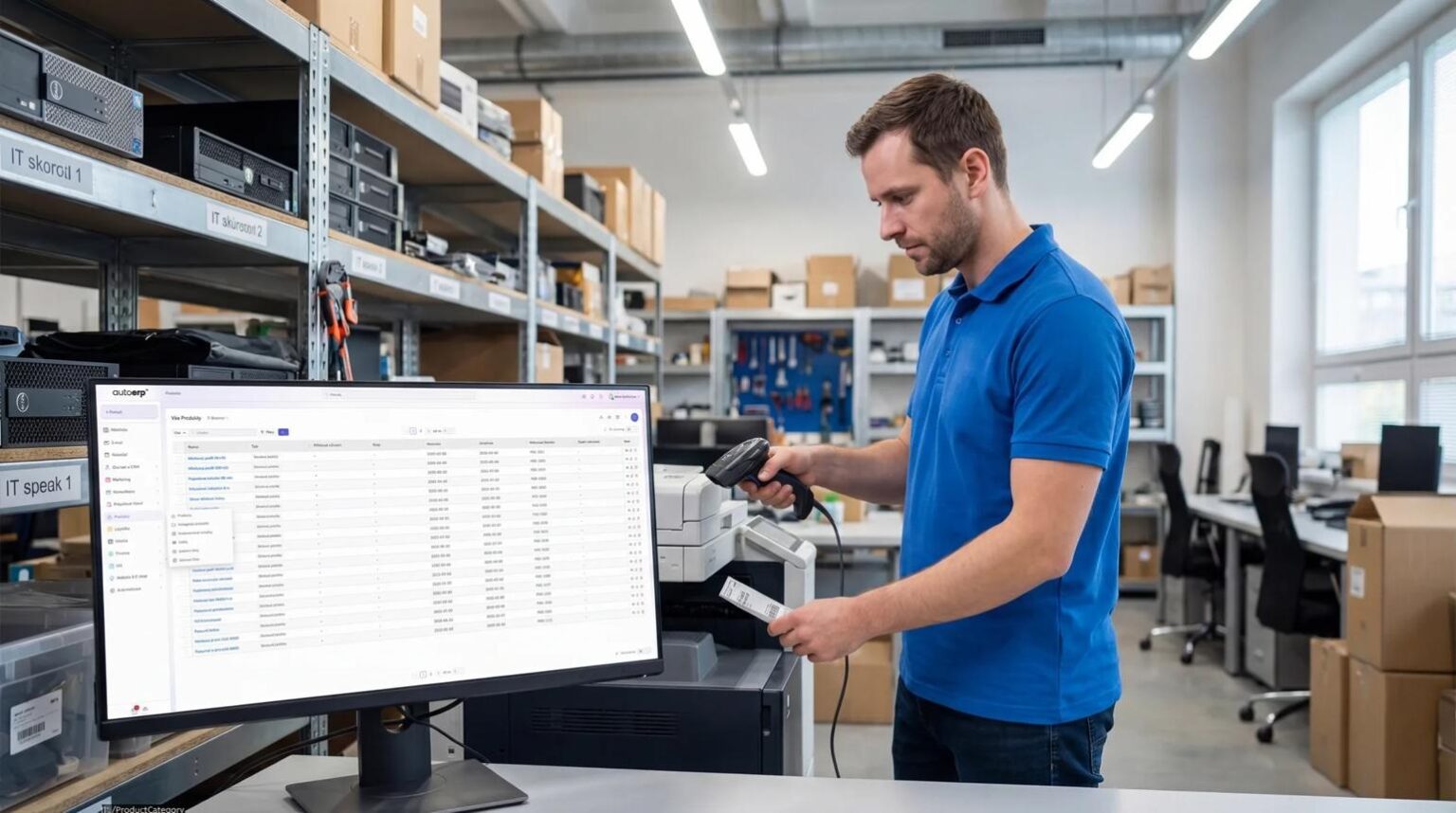
Three Ways Barcodes Can Be Used to Prevent Theft
Three Theft and missing inventory can create serious challenges for businesses of every size. Retail stores, warehouses, manufacturers, and online […]
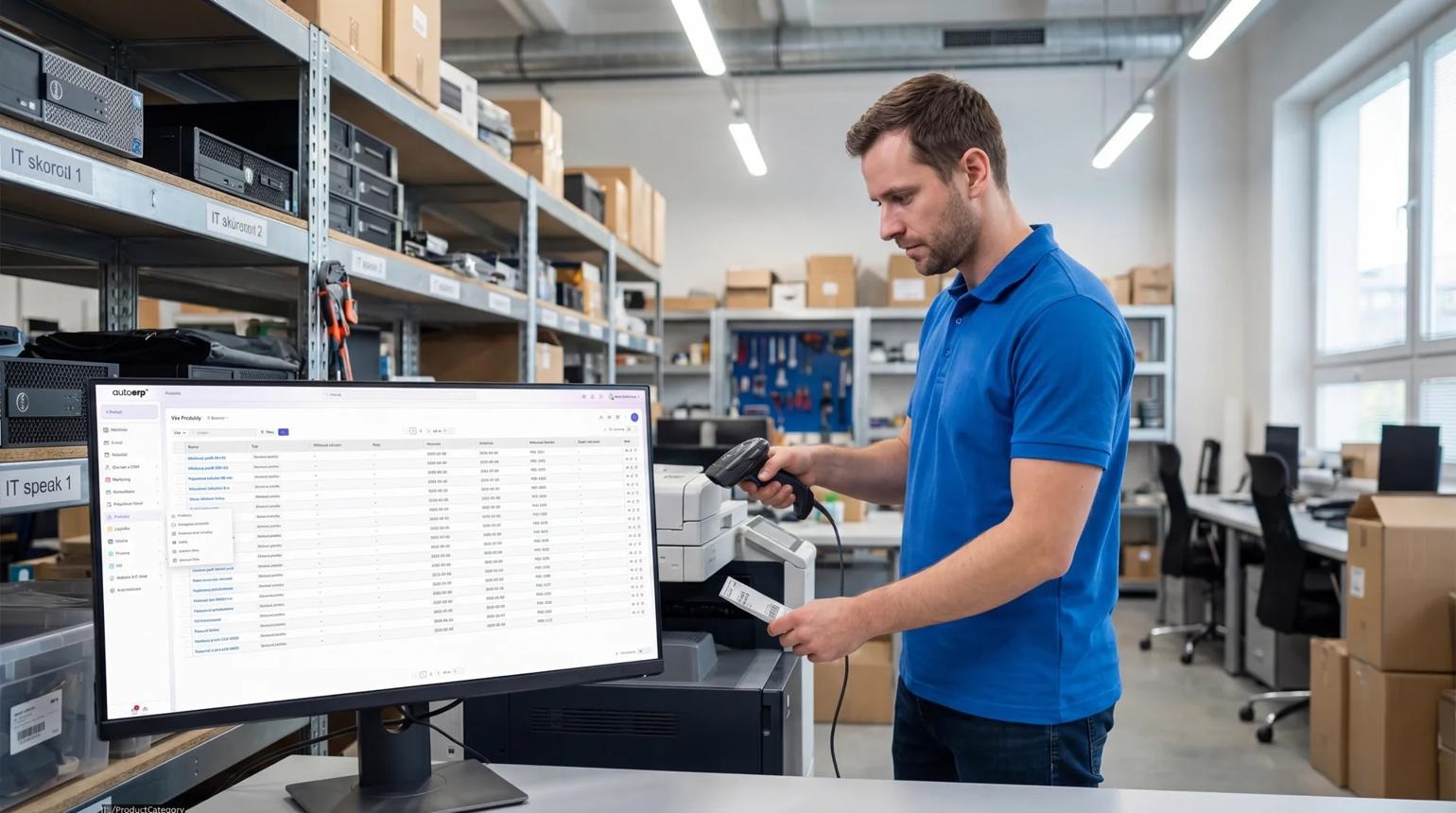
Theft and missing inventory can create serious challenges for businesses of every size. Retail stores, warehouses, manufacturers, and online sellers all need reliable ways to protect merchandise and understand where products are located.
While security cameras and physical access controls are familiar theft-prevention tools, barcode technology plays an equally useful role in managing inventory and identifying unexplained losses.
Barcodes help businesses connect physical products with digital records. Each scan can provide information about a product’s identity, movement, sale, or return.
Understanding three ways barcodes can be used to prevent theft can help business owners improve inventory visibility, strengthen checkout procedures, and maintain better control over valuable merchandise.
However, barcodes are not automatic theft detectors. A standard printed barcode cannot identify someone carrying unpaid goods through a store exit. Their value comes from combining accurate scanning practices with appropriate software, employee procedures, and other security measures.
This guide explains three practical applications of barcode technology, how they work, and how American businesses can introduce them affordably.
What Are Barcodes and How Do They Work?

A barcode is a machine-readable symbol that represents identifying information through lines, spaces, or two-dimensional patterns.
A compatible scanner reads the symbol and sends the information to a connected computer or software system.
Understanding Product Identification
In U.S. retail, many consumer products use Universal Product Code, or UPC, barcodes.
A UPC commonly represents a Global Trade Item Number, or GTIN, that identifies a particular product type.
The retailer’s database connects that identifier with relevant descriptions, prices, and inventory records.
Different Types of Barcodes
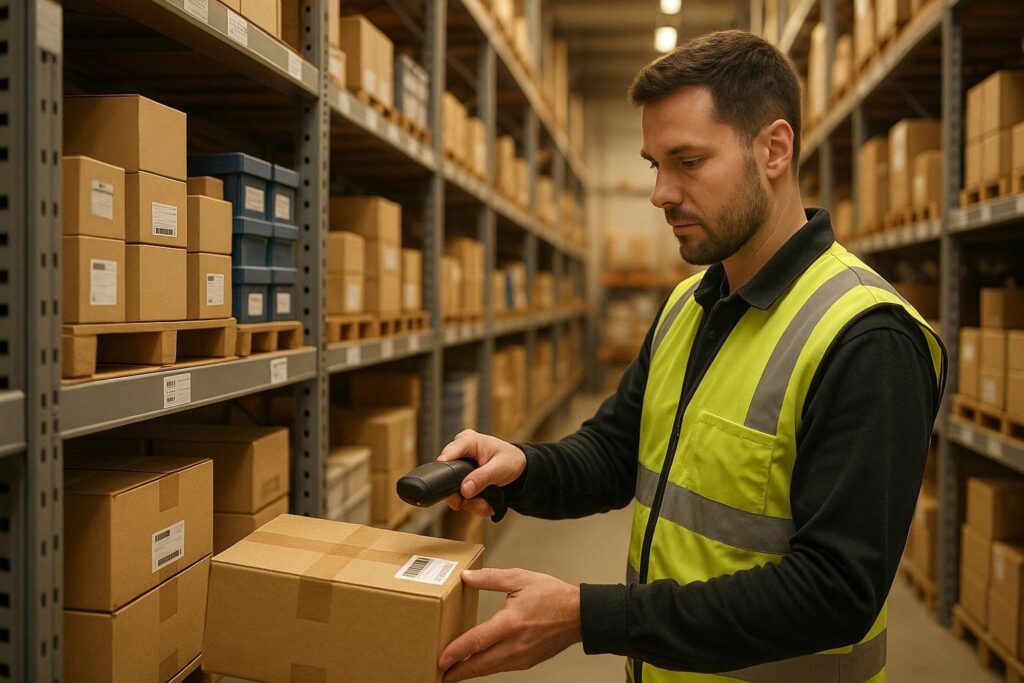
Traditional one-dimensional barcodes use vertical lines and spaces.
Two-dimensional barcodes, including QR codes and Data Matrix symbols, can contain additional data depending on the implementation.
Some businesses also use internal labels for equipment or stockroom locations.
Why Barcode Systems Matter
GS1 US explains that standardized product identifiers support point-of-sale accuracy, inventory management, traceability, and shipping operations.
These capabilities help businesses maintain reliable records that can reveal missing or incorrectly handled merchandise.
Why Theft Prevention Matters for American Businesses
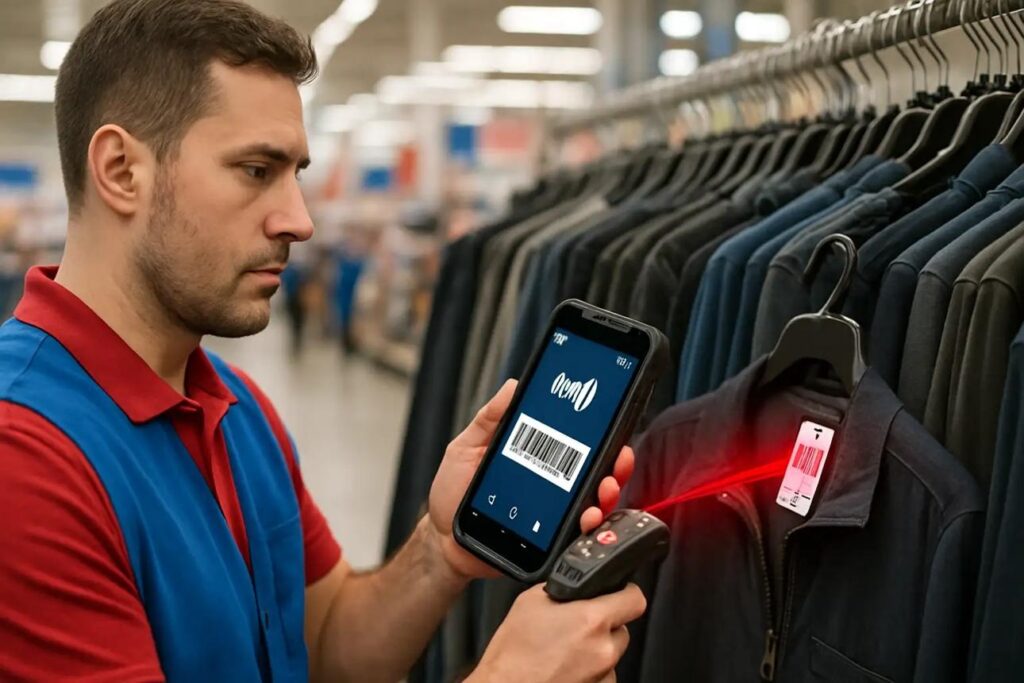
Inventory loss can affect profitability, operations, and customer service.
Understanding Inventory Shrinkage
Shrinkage refers to the difference between expected inventory and the actual quantity available.
It can result from theft, damage, administrative mistakes, or other inventory discrepancies.
The National Retail Federation cautions that shrinkage should not automatically be treated as a direct measurement of theft.
Financial Impact
Missing merchandise can mean lost sales opportunities and additional replacement expenses.
Businesses may also spend more time investigating stock differences.
Operational Challenges
Inaccurate stock counts can lead to canceled orders, unavailable products, and unnecessary purchasing.
Better inventory control supports both loss prevention and customer satisfaction.
Way 1: Track Inventory From Receiving to Sale
The first way barcodes support theft prevention is by creating more accurate records of merchandise movements.
Record Products When They Arrive
When a supplier delivers merchandise, employees can scan received products into an inventory system.
The software records quantities, product identifiers, and receiving information.
This creates a starting record against which later movements can be compared.
Monitor Stock Transfers
Businesses with multiple storerooms, warehouses, or retail locations can scan products when transferring them.
For example, a store may record ten electronic accessories leaving the warehouse and confirm that ten arrive at the sales floor.
If the receiving quantity differs, employees can investigate the discrepancy.
Track Products Through Different Locations
Barcode-based inventory software can associate merchandise with specific storage locations.
This improves visibility when items are moved between shelves, departments, or fulfillment areas.
Conduct Regular Inventory Counts
Employees can scan physical stock during scheduled cycle counts.
The system compares counted quantities with expected inventory.
Identify Unexplained Losses
Suppose inventory records show 50 products available, but a physical count identifies only 44.
The six-unit difference provides a reason to review sales, returns, deliveries, damages, and internal transfers.
It does not prove theft, but it helps identify where an investigation should begin.
How Inventory Tracking Helps Prevent Losses
Accurate tracking creates accountability across business operations.
Detect Problems Earlier
Regular scanning and stock reconciliation may reveal discrepancies before they become larger.
Reduce Manual Errors
Barcode scanning can reduce mistakes associated with handwritten stock records or manually entering product identifiers.
Support Employee Procedures
Businesses can establish consistent receiving, transferring, and counting requirements.
Employees should receive appropriate training and understand their responsibilities.
Improve Inventory Accuracy
Reliable records help businesses distinguish expected stock movements from unexplained differences.
This is particularly useful for companies managing many product variations.
Way 2: Improve Checkout Accuracy and Return Verification
The second way barcode technology supports theft prevention is through point-of-sale transactions and returns management.
Scan Products During Checkout
A barcode scanner identifies merchandise and retrieves information from the store’s product database.
The point-of-sale system can record the transaction and adjust inventory after the sale is completed.
Reduce Incorrect Product Entries
Manual entry may lead to selecting the wrong product or price.
Barcode scanning helps employees identify the intended product more consistently.
Review Transaction Exceptions
Businesses can configure appropriate reporting for voided sales, unusual discounts, repeated returns, and other transaction patterns.
These reports provide opportunities for review rather than proof of wrongdoing.
Support More Accurate Returns
When returns are connected with original receipts or order records, businesses can check whether a product matches a documented purchase.
This may reduce certain types of return-related errors or fraud.
How Barcodes Help Identify Suspicious Transactions
Barcode records become more valuable when connected with transaction history.
Match Products With Sales Records
Retailers can compare a scanned product identifier with the merchandise originally purchased.
Use Serial Numbers Where Appropriate
Standard UPC barcodes identify product types, not individual physical units.
For high-value merchandise, additional serialized barcodes can distinguish one unit from another.
Verify Return Eligibility
Software may check whether the product was sold, whether the transaction is eligible for a return, and whether other policy conditions apply.
Establish Fair Review Procedures
A suspicious transaction should trigger appropriate verification, not an automatic accusation.
Errors, training issues, and legitimate customer circumstances can also explain unusual records.
Way 3: Track High-Value Business Assets and Equipment
The third important application is assigning barcode labels to valuable business assets.
Identify Individual Equipment
Businesses can label laptops, tablets, tools, cameras, laboratory devices, and other equipment.
Each asset receives an internal identifier linked to a company record.
Record Equipment Assignment
An asset-management system can record which employee or department has been assigned a particular item.
When equipment changes hands, the transfer can be documented.
Manage Checkouts and Returns
Businesses that lend equipment to workers can use barcode scanning to record when items leave and return.
For example, a construction company may scan power tools when assigning them to a crew.
Conduct Asset Audits
Periodic scans help businesses confirm that listed assets are physically present.
Missing equipment can then be investigated through documented assignment and movement records.
Why Asset Tracking Improves Accountability
Barcode asset labels make business equipment easier to manage.
Clear Ownership Records
An internal register shows which assets belong to the business.
Better Equipment Visibility
Managers can identify recorded storage locations or assigned users.
Easier Offboarding
When employees leave or change roles, equipment records help identify items that should be returned.
Reduced Replacement Confusion
Accurate records can prevent businesses from purchasing equipment unnecessarily because its location is unknown.
Barcode labels alone will not prevent someone from removing an asset, but they make unexplained losses easier to identify.
Barcodes vs. RFID for Theft Prevention
Businesses sometimes confuse barcodes with radio-frequency identification technology.
How Barcode Scanning Works
Most barcode systems require a scanner to read a visible symbol.
The item must generally be positioned so the scanner can capture the code.
How RFID Works
RFID uses radio communication to read compatible tags.
Some RFID systems can identify multiple tagged items without directly scanning each label.
Why the Difference Matters
An ordinary printed barcode does not set off an alarm when unpaid merchandise crosses a store exit.
Electronic article surveillance or suitable RFID systems may provide additional detection capabilities when properly installed.
Choosing the Right Technology
Barcodes are often practical for routine inventory records and product identification.
RFID may offer advantages for automated identification or specialized high-volume applications.
The right choice depends on cost, workflow, merchandise, and security requirements.
How to Implement a Barcode Theft Prevention System
Businesses can start with a straightforward inventory process.
Step 1: Review Existing Inventory
Identify products, equipment, storage locations, and the areas where discrepancies occur.
Step 2: Choose Appropriate Identifiers
Use recognized product identifiers for retail items and suitable internal identifiers for business assets.
Step 3: Select Compatible Software
Look for inventory management software that supports scanning, stock transfers, sales records, and audit reports.
Step 4: Set Up Scanning Equipment
Depending on your operations, use handheld scanners, mobile devices, or integrated point-of-sale hardware.
Step 5: Train Employees
Explain when products must be scanned and how errors should be corrected.
Step 6: Review Records Regularly
Conduct cycle counts and investigate discrepancies using fair, documented procedures.
What Should You Look for in Barcode Software?
The right software should match your actual business needs.
Real-Time Inventory Updates
A connected system can update quantities when transactions and movements are recorded.
Multiple Location Support
Companies operating warehouses and retail branches may need stock visibility across locations.
Reporting and Audit History
Look for reports showing adjustments, transfers, counts, and transaction exceptions.
Employee Access Permissions
Role-based permissions can help prevent unauthorized changes to inventory records.
Integration With Existing Systems
Consider compatibility with your point-of-sale, e-commerce, warehouse, and accounting software.
Additional Benefits of Using Barcode Technology
Theft prevention is only one reason businesses adopt barcode systems.
Faster Inventory Counts
Scanning products can make stock counting more efficient than writing down identifiers manually.
Better Order Accuracy
Warehouse workers can confirm products during picking, packing, and shipping.
Improved Customer Service
Reliable inventory information helps employees answer product availability questions.
More Organized Operations
Barcode systems create repeatable procedures that support daily business activities.
Useful Business Reporting
Inventory and transaction records can inform purchasing, replenishment, and operational planning.
Common Barcode Security Mistakes to Avoid
Businesses should understand the limitations of their systems.
Assuming Barcodes Automatically Stop Theft
Barcodes identify products but do not physically prevent merchandise from being removed.
Failing to Scan Every Movement
Unrecorded transfers can create discrepancies even when no theft occurs.
Using Duplicate Internal Asset Numbers
Unique asset identifiers are important when tracking individual equipment.
Ignoring Employee Training
Inconsistent scanning procedures can undermine record accuracy.
Treating Every Discrepancy as Theft
Damaged products, incorrect counts, and administrative errors may explain missing inventory.
Investigate fairly before drawing conclusions.
Frequently Asked Questions About Barcode Theft Prevention
1. How can barcodes help prevent theft?
Barcodes support accurate inventory tracking, checkout records, return verification, and equipment accountability, making unexplained losses easier to detect.
2. Can a barcode detect stolen merchandise?
A standard printed barcode cannot automatically detect merchandise leaving a store. Additional security technology is needed for that function.
3. Are barcode systems useful for small businesses?
Yes. Small retailers and e-commerce businesses can use barcode software to improve stock counts, track transactions, and manage assets.
4. What is the difference between a UPC and an asset barcode?
A UPC generally identifies a product type. An internal asset barcode can identify a specific piece of company equipment.
5. Can barcodes reduce employee theft?
Accurate records and documented equipment assignments may discourage or help identify certain losses, but they do not guarantee prevention.
6. Can barcodes help prevent return fraud?
Yes. When connected to transaction records and suitable product identification, they can support return verification.
7. Are RFID tags better than barcodes?
RFID can automate certain tracking tasks, while barcodes are often simpler and less expensive. The best choice depends on operational needs.
8. What equipment is needed for barcode tracking?
Most businesses need appropriate labels, compatible scanners or mobile devices, inventory software, and clear scanning procedures.
Conclusion
Understanding three ways barcodes can be used to prevent theft helps businesses strengthen their approach to inventory and asset protection.
The three main applications are tracking products through inventory movements, improving checkout and return verification, and maintaining accurate records of valuable business equipment.
These methods provide greater visibility and accountability while helping businesses identify unexplained losses.
However, barcode technology should not be treated as a complete security solution.
The strongest approach combines accurate scanning, regular inventory audits, employee training, controlled access, and suitable physical security measures.
By implementing barcode tracking thoughtfully, American businesses can reduce avoidable inventory errors, investigate discrepancies more effectively, and create a more reliable foundation for loss prevention.

Written by Twastia Editorial Team
Twastia Editorial Team shares practical insights about website design, SEO services, Google Ads, content marketing, social media, conversion rate optimization, and digital marketing strategy.
Last updated: Oct 29, 2026
Related posts from Twastia
Explore more useful articles from twastia.com about digital marketing, SEO, websites, ads, content, and growth strategy.