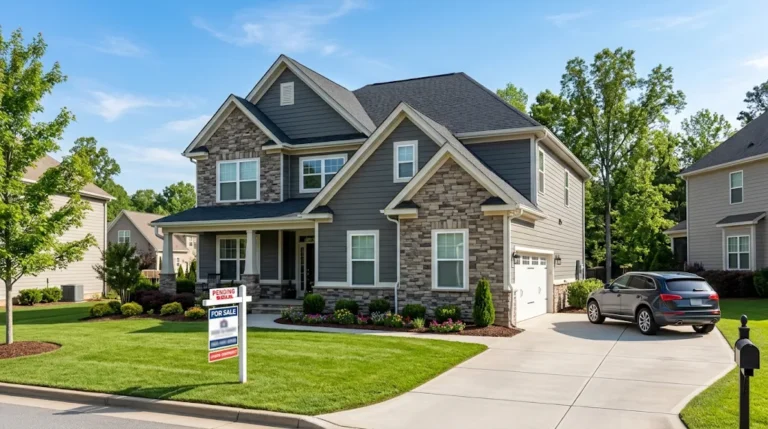
How to Become a Real Estate Developer: Best Beginner’s Guide
Real estate development can be an exciting career for people interested in construction, property investment, architecture, and business. From building […]

Real estate development can be an exciting career for people interested in construction, property investment, architecture, and business. From building residential communities to transforming vacant land into commercial spaces, developers play an important role in shaping neighborhoods and cities.
However, becoming a successful developer involves much more than purchasing land and hiring construction workers. Every project requires market research, financial planning, legal approvals, reliable contractors, and careful risk management.
If you’re wondering how to become a real estate developer, the process starts with understanding how property development works and building the skills needed to manage complex investments.
You don’t necessarily need millions of dollars or a particular college degree to begin learning the industry. Many professionals start in real estate brokerage, construction, finance, architecture, or property management before working on their own developments.
This guide explains the essential qualifications, career paths, financing options, development stages, and practical steps for aspiring real estate developers in the United States.
What Is a Real Estate Developer?

A real estate developer is a professional or company that identifies property opportunities and coordinates the process of creating or improving buildings.
Developers may purchase undeveloped land, renovate existing properties, or convert buildings into new uses.
What Does a Real Estate Developer Do?
Developers evaluate market demand, identify suitable locations, arrange financing, assemble project teams, and oversee development plans.
They also coordinate legal approvals, construction schedules, and eventual property sales or leasing.
Developer vs. Real Estate Investor
A real estate investor may purchase existing properties primarily to earn rental income or benefit from appreciation.
A developer generally creates additional value through construction, redevelopment, or substantial property improvements.
One person can perform both roles.
Different Types of Real Estate Developers
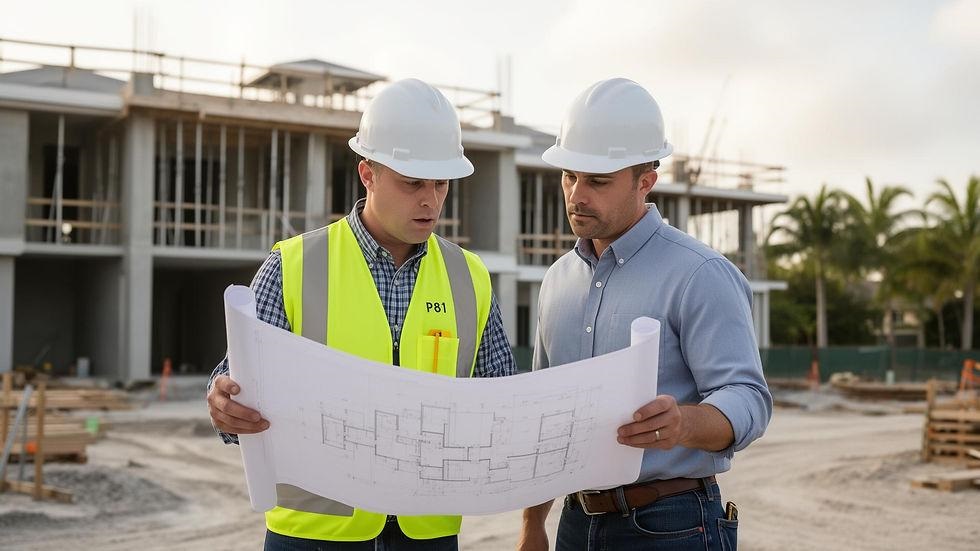
Development projects vary in size, purpose, and complexity.
Residential Developers
Residential developers build single-family homes, townhouses, apartment communities, and other housing projects.
They evaluate local housing demand and coordinate site preparation, construction, and sales or rentals.
Commercial Developers
Commercial developers create office buildings, shopping centers, warehouses, hotels, and other business properties.
Their projects often depend on tenant demand and commercial financing.
Mixed-Use Developers
Mixed-use projects combine residential, retail, office, or recreational spaces within one development.
These projects can require more complicated zoning and design planning.
Redevelopment Specialists
Redevelopment focuses on improving or repurposing existing properties.
Examples include converting older commercial buildings into apartments or renovating underused sites.
Step 1: Learn How the Real Estate Industry Works
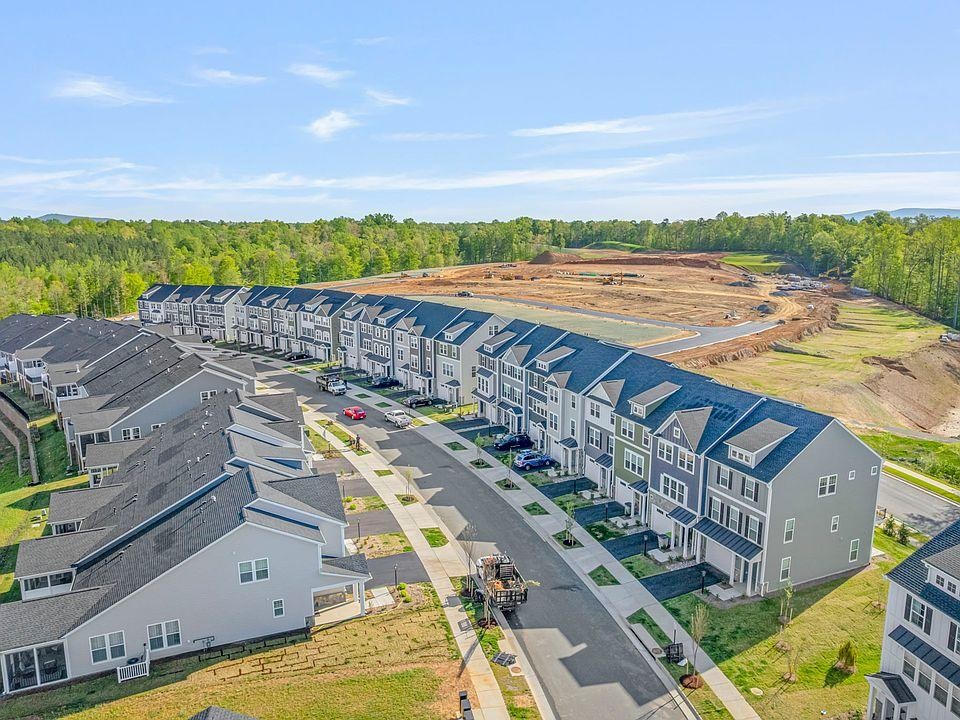
The first step is building a strong foundation in property markets and development fundamentals.
Understand Property Values
Study how location, building condition, zoning, local demand, and comparable sales influence value.
Learn Real Estate Terminology
Become familiar with terms such as net operating income, capitalization rate, debt service, equity, and construction financing.
Study Market Conditions
Research housing supply, employment trends, population changes, construction activity, and development proposals.
Explore Professional Education
Courses from organizations such as NAIOP can introduce development finance, project planning, due diligence, and investment analysis.
Knowledge helps beginners recognize opportunities and avoid unrealistic assumptions.
Step 2: Develop Essential Real Estate Skills
Real estate development requires a combination of financial, organizational, and interpersonal abilities.
Financial Analysis
Developers must estimate expenses, forecast income, and determine whether projects can produce acceptable returns.
Project Management
Construction involves multiple contractors, suppliers, inspections, and deadlines.
Strong project management helps coordinate these activities.
Negotiation
Developers negotiate land purchases, financing agreements, construction contracts, and sometimes commercial leases.
Communication
Clear communication is essential when working with architects, lenders, investors, contractors, and government officials.
Problem-Solving
Unexpected site conditions, cost increases, and permit delays require practical decisions.
Step 3: Consider Education and Career Training
There is no single mandatory degree that qualifies someone to become a real estate developer throughout the United States.
Helpful College Degrees
Real estate, business administration, finance, construction management, engineering, and architecture can provide relevant knowledge.
Professional Courses
Specialized training may cover financial modeling, real estate law, market research, and the development process.
Learn Through Experience
Practical experience can be just as valuable as classroom instruction.
Working with established companies helps beginners understand how projects progress from concept to completion.
Understand Licensing
Developers themselves do not necessarily need a general real estate development license.
However, brokerage, architecture, engineering, contracting, and other regulated services may require licenses under state law.
Step 4: Gain Practical Industry Experience
Working in a related field can provide useful experience before starting your own projects.
Real Estate Brokerage
Brokers learn about property transactions, market comparisons, negotiations, and local demand.
Construction Management
Construction professionals gain experience with building schedules, materials, budgets, and subcontractors.
Real Estate Finance
Lending and investment analysis roles provide exposure to underwriting, cash flow, and financial risk.
Property Management
Property managers learn about tenants, maintenance expenses, operating budgets, and rental performance.
These career paths offer different perspectives on property ownership and development.
Step 5: Choose Your Development Niche
Beginners should identify the type of project they want to pursue.
Small Residential Projects
A modest residential redevelopment may provide more manageable learning opportunities than a large commercial complex.
Multifamily Housing
Apartment development requires understanding rental demand, operating expenses, and building requirements.
Commercial Construction
Retail, office, and industrial projects involve commercial market analysis and tenant considerations.
Renovation and Adaptive Reuse
Improving an existing property may be suitable when the building’s condition and permitted use support the proposed project.
Choose a niche based on local demand, available capital, experience, and risk tolerance.
Step 6: Research Potential Development Locations
Location is one of the most important factors in determining project feasibility.
Study Local Demand
Evaluate whether buyers or tenants actually need the type of property you plan to create.
Review Infrastructure
Consider roads, utilities, public transportation, schools, and nearby services.
Examine Zoning Rules
Zoning determines which uses, building types, and development intensities may be permitted.
Investigate Future Projects
Review proposed roads, nearby construction, redevelopment plans, and possible competing properties.
A promising location still requires detailed investigation before purchasing.
Step 7: Create a Real Estate Development Business Plan
A business plan helps organize your objectives and communicate them to lenders or partners.
Define the Development Concept
Explain whether you intend to construct homes, renovate existing buildings, or develop commercial property.
Identify Target Customers
Describe the people or businesses expected to purchase or lease the finished property.
Estimate Project Expenses
Include land, design, construction, permits, utilities, financing, insurance, marketing, and contingency costs.
Develop an Exit Strategy
Decide whether your business intends to sell completed properties, lease them, refinance, or hold them long-term.
Your strategy should reflect realistic financial assumptions.
Step 8: Understand Development Financing
Most substantial projects require financing beyond a developer’s personal savings.
Personal Equity
Developers may contribute their own capital toward acquisition and early project expenses.
Construction Loans
Specialized lenders may provide financing for qualifying construction projects.
Requirements vary according to borrower experience, collateral, equity, and project feasibility.
Private Investors
Investors sometimes contribute equity in exchange for agreed ownership interests or potential returns.
Such arrangements require appropriate legal documentation and may involve securities laws.
Joint Ventures
Partnerships can combine land, financing, experience, and development expertise.
Responsibilities and profit-sharing arrangements should be clearly documented.
SBA Financing Limitations
The U.S. Small Business Administration’s 504 program can support qualifying owner-occupied business facilities.
It cannot be used for speculative development or investment in rental real estate.
Step 9: Evaluate Your First Development Opportunity
Before purchasing land, determine whether the proposed project is financially and physically feasible.
Complete a Feasibility Study
Compare expected development costs with realistic sale prices or rental income.
Create a Development Pro Forma
A pro forma forecasts project revenue, expenses, financing costs, and potential returns.
Use conservative estimates rather than assuming everything will go according to plan.
Investigate the Site
Review title, access, utilities, soil conditions, flood exposure, and applicable restrictions.
Assess Environmental Conditions
Environmental due diligence may involve a Phase I Environmental Site Assessment.
The U.S. Environmental Protection Agency provides standards for evaluating contamination concerns before acquisition.
Step 10: Build a Professional Development Team
Successful developers rarely complete complex projects alone.
Real Estate Attorney
An attorney helps review contracts, property interests, financing agreements, and legal responsibilities.
Architect and Engineers
Design professionals prepare plans and evaluate structural, civil, mechanical, and other technical requirements.
General Contractor
The contractor manages construction work according to the agreed scope and applicable requirements.
Financial Professionals
Accountants, lenders, and financial advisers help evaluate budgets, reporting, and financing arrangements.
Real Estate Broker
A broker may assist with acquiring sites or marketing completed properties.
Choose professionals experienced in your project type.
Step 11: Obtain Permits and Development Approvals
Construction cannot begin simply because the land has been purchased.
Confirm Zoning Compatibility
Check whether the proposed project is permitted under current local regulations.
Secure Planning Approvals
Some developments require site-plan review, subdivision approval, variances, or rezoning.
Apply for Building Permits
Required permits depend on the building type and jurisdiction.
Schedule Inspections
Local authorities may require inspections at different construction stages.
Approval timelines vary significantly by location and project complexity.
Step 12: Manage Construction and Project Costs
Once financing and approvals are in place, construction can begin.
Monitor the Construction Schedule
Track milestones, material deliveries, subcontractor activities, and required inspections.
Control Budget Changes
Review changes carefully and document approved adjustments.
Maintain Quality Standards
Work with qualified professionals to verify construction matches approved plans and specifications.
Prepare for Delays
Weather, material availability, labor shortages, and unexpected site conditions may affect completion dates.
Maintain appropriate financial contingencies.
Step 13: Sell, Lease, or Manage the Completed Property
A development project needs a clear plan for generating revenue.
Sell Completed Units
Residential developers may market finished homes or units to qualified buyers.
Lease Commercial Space
Commercial developers may seek tenants before or after construction.
Hold the Property
Some developers retain completed buildings as long-term income-producing assets.
Evaluate Actual Performance
Compare final expenses and revenue with the original financial model.
This helps improve future development decisions.
How Much Money Do You Need to Become a Developer?
There is no universal minimum amount.
Small Projects vs. Large Developments
Renovating a modest property can require much less capital than constructing a multistory apartment building.
Initial Expenses
Early costs may include legal advice, site studies, architectural concepts, deposits, and financing applications.
Financing Requirements
Lenders may require borrower equity, suitable collateral, and evidence of project feasibility.
Start With Realistic Projects
Beginners should avoid taking on debt or commitments beyond their financial capacity.
A smaller, carefully evaluated project may provide a more practical starting point.
Common Mistakes New Real Estate Developers Make
Underestimating Construction Costs
Unexpected expenses can erase projected profits.
Ignoring Local Demand
A finished building may struggle to sell or lease if the market does not support the concept.
Skipping Due Diligence
Environmental, title, zoning, or structural problems can become expensive after purchase.
Using Unrealistic Timelines
Delays increase financing and carrying costs.
Working Without Appropriate Contracts
Written agreements help clarify ownership, compensation, responsibilities, and dispute procedures.
Frequently Asked Questions About Becoming a Real Estate Developer
1. How do I become a real estate developer with no experience?
Begin by studying development fundamentals and gaining experience in real estate, construction, finance, or property management.
2. Do I need a degree to become a real estate developer?
No specific degree is universally required, but education in finance, construction, business, or real estate can be useful.
3. How much money do I need to start?
The amount depends on project type, land costs, financing, location, and required professional services.
4. Do real estate developers need a license?
There is no universal developer license, but particular activities may require state or local professional licenses.
5. How do real estate developers make money?
Developers may earn profits from selling completed properties, rental income, or other agreed development and investment arrangements.
6. What is the biggest risk in property development?
Major risks include cost overruns, financing problems, permit delays, weak demand, and declining property values.
7. Can I start real estate development without buying land?
Potentially. Some developers begin through partnerships, development management, or contractual site-control arrangements, subject to legal and financial requirements.
8. How long does it take to become a successful developer?
There is no fixed timeline. Building experience and completing projects can take years, depending on opportunities, resources, and market conditions.
Conclusion
Learning how to become a real estate developer involves developing financial knowledge, understanding local property markets, and gaining practical project experience.
Successful development requires more than identifying an attractive piece of land. You must evaluate feasibility, arrange financing, assemble qualified professionals, secure approvals, and manage construction carefully.
Beginners can build useful experience through real estate brokerage, construction management, property operations, or finance before pursuing independent projects.
The most practical approach is to begin with realistic goals, research opportunities thoroughly, and avoid taking unnecessary financial risks.
With patience, professional guidance, and a disciplined development strategy, aspiring developers can build the knowledge and experience needed to pursue increasingly complex real estate projects.

Written by Twastia Editorial Team
Twastia Editorial Team shares practical insights about website design, SEO services, Google Ads, content marketing, social media, conversion rate optimization, and digital marketing strategy.
Last updated: Oct 29, 2026
Related posts from Twastia
Explore more useful articles from twastia.com about digital marketing, SEO, websites, ads, content, and growth strategy.