6 Things You Didn’t Know About Industrial Glue Sticks: Easy Guide
A glue stick may look like a simple cylinder of plastic, but industrial versions are engineered to perform demanding jobs […]
A glue stick may look like a simple cylinder of plastic, but industrial versions are engineered to perform demanding jobs in packaging, product assembly, woodworking, and manufacturing. Choosing one solely by color or price can lead to weak joints, production delays, and unnecessary material waste.
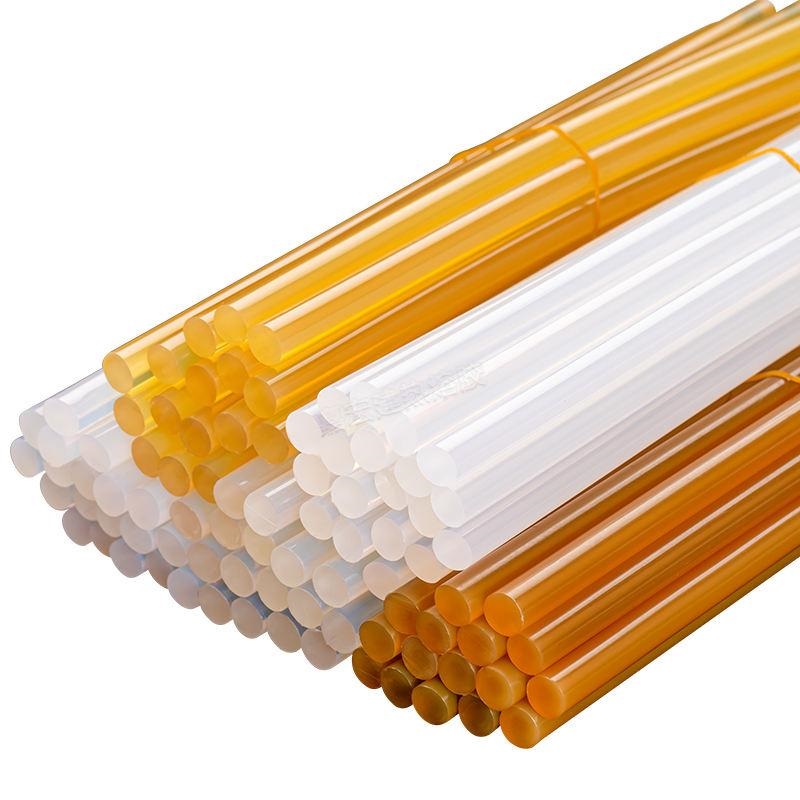
Industrial Glue Sticks are solid hot-melt adhesives designed to soften in compatible application equipment and develop a bond as they cool. Unlike ordinary craft supplies, industrial formulations are selected for specific materials, working temperatures, assembly speeds, and service conditions.
The surprising part is how much chemistry and process control hide inside an ordinary-looking stick. Here are six things worth knowing before selecting an adhesive for a commercial project.
1. Not All Industrial Glue Sticks Use the Same Chemistry
Industrial Glue Sticks can look nearly identical while behaving differently after application. Their polymer base, additives, and intended use determine how quickly they flow, what they bond, and how they respond to heat or stress.
EVA: A Versatile Starting Point
Ethylene-vinyl acetate, commonly called EVA, is widely used in general-purpose hot-melt adhesives. Many grades are suited to cardboard, paper, wood, and certain fabrics. EVA can be economical and fast-setting, but an individual grade still needs testing on the actual material.
Polyolefin: An Alternative for Specific Surfaces
Polyolefin-based adhesives are another category. Depending on their formulation, they may provide useful properties for particular plastics, laminated materials, or manufacturing processes. They are not automatically suitable for every low-surface-energy plastic.
Polyamide: Different Heat and Performance Needs
Some polyamide adhesives are designed for applications requiring greater temperature tolerance or bonding to challenging materials. Certain commercial grades can be used on metal, flexible vinyl, and plastics, but manufacturer specifications matter more than a broad chemistry label.
Formulations Are More Than One Polymer
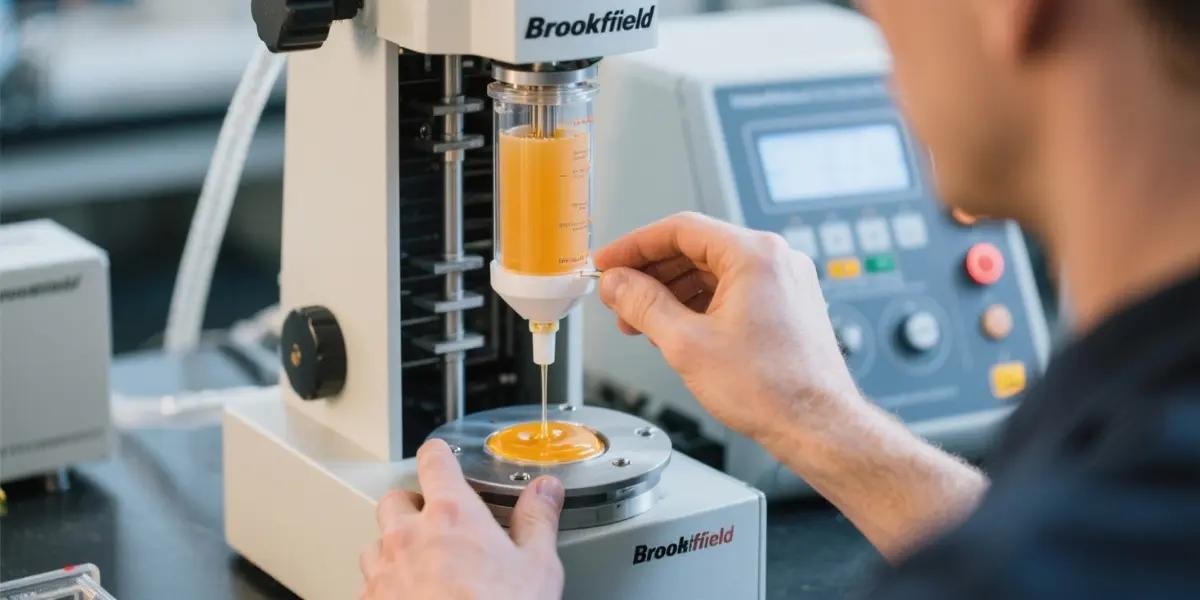
Manufacturers can combine a polymer with tackifiers, waxes, stabilizers, or other ingredients to tune performance. Therefore, two amber Industrial Glue Sticks may differ substantially in viscosity and working time. Ask suppliers for a technical data sheet rather than assuming appearance tells you the formula.
2. Melting Temperature Is Not the Same as Heat Resistance
A frequent misunderstanding about Industrial Glue Sticks is that a glue applied at a high temperature must withstand the same temperature in service. Those are separate specifications.
Application Temperature
Application temperature describes how hot the adhesive should be when dispensed. The correct range allows it to flow and wet the surfaces without being degraded by excessive heat. Some 3M standard products specify 350–385°F, whereas certain low-melt variants specify 250–275°F. Other brands and formulations have different ranges.
Service Temperature
Service-temperature performance describes how the cooled bond behaves during actual use. A carton in a hot delivery vehicle, a product near machinery, or a component stored in a cold warehouse may encounter conditions very different from the production floor.
Softening and Creep
A bond can gradually deform under load at elevated temperatures even when it does not suddenly separate. This behavior, often called creep, matters for sustained loads and warm environments. For Industrial Glue Sticks, compare actual heat-resistance data and testing conditions, not only the gun’s temperature setting.
Why Overheating Is Not a Shortcut
Turning the applicator hotter does not automatically produce a stronger bond. Excess heat can damage adhesive, affect sensitive substrates, increase stringing, or create burn hazards. Follow the adhesive and equipment manufacturers’ approved operating ranges.
3. A Few Seconds Can Make or Break the Bond
The third surprising property of Industrial Glue Sticks is that their working time can matter as much as their strength.
What Is Open Time?
Open time is the usable interval between applying molten adhesive and bringing the surfaces together. Once the bead cools too far, it may no longer wet the second surface adequately. This can leave a joint that looks attached but performs poorly under stress.
What Is Set Time?
Set time is how long the adhesive takes to develop enough initial strength to hold the assembly under specified conditions. It is not necessarily the same as full strength or qualification for the finished product’s intended loads.
The Role of Substrate Temperature
Cold surfaces may draw heat from molten glue rapidly, shortening effective assembly time. A thick adhesive bead may remain workable differently from a thin one. Ambient temperature, dispensing conditions, and material thickness all influence results.
Matching the Production Line
Fast packaging lines may need an adhesive that develops an initial bond quickly. Larger products assembled by hand may need more time for accurate positioning. Select Industrial Glue Sticks based on real assembly speed, and test how long workers or machines have between dispensing and pressing parts together.
4. The Surface Matters More Than You Might Expect
Strong-looking adhesive is not enough if the surface is dirty, oily, coated, or chemically difficult to bond. Industrial Glue Sticks need suitable contact with the substrate to work effectively.
Clean, Dry Surfaces Improve Consistency
Dust, loose fibers, grease, and moisture may interfere with bonding. A manufacturer may recommend a specific cleaning method for a specific substrate. Follow that guidance and allow any approved cleaner to evaporate before application.
Not All Plastics Bond Equally
Plastics vary considerably. Polyethylene and polypropylene, for example, can be difficult for some adhesives because of their low surface energy. A supplier may recommend a specially formulated product, pretreatment, or another joining method.
Coated Packaging Creates Complications
Waxed, heavily printed, or laminated cartons may behave differently from uncoated cardboard. A glue that works on one packaging sample may not transfer directly to another.
Joint Design Changes Performance
Bond area, peel forces, repeated bending, and sustained loads influence how a joint performs. An adhesive may perform well in one test but poorly when a product is peeled apart or exposed to vibration. Evaluate Industrial Glue Sticks on finished assemblies under realistic loading, aging, and environmental conditions.
5. Glue Stick Size and Equipment Compatibility Are Critical
Even when an adhesive chemistry looks suitable, the stick must also fit the applicator. Industrial Glue Sticks are available in several diameters and lengths, and equipment may require a proprietary shape or feed mechanism.
Diameter Is Not Just Packaging
A stick that is too narrow may feed poorly. One that is too large may jam or damage equipment. Use the precise dimensions specified by the gun manufacturer rather than forcing a nearly matching product into the chamber.
Heat Output Affects Flow
Industrial applicators vary in melt capacity, temperature regulation, nozzle design, and duty cycle. A high-volume assembly job may require equipment that can replenish molten adhesive consistently during operation.
Bead Size Changes Coverage
A thin bead uses less material than a thick bead, but the correct amount depends on the joint. More glue is not always better: excessive adhesive can squeeze out, spoil appearance, or increase material cost.
Different Formats Exist
Hot-melt adhesives also come as pellets, pillows, blocks, and other formats for different dispensing systems. Not every industrial hot melt comes as a stick. Confirm that the adhesive format matches the equipment before ordering Industrial Glue Sticks in bulk.
6. Safe Handling and Storage Affect Results
The last overlooked fact is that Industrial Glue Sticks need sensible storage and trained handling, even though they are generally solid at room temperature.
Molten Adhesive Can Cause Burns
Hot glue and heated dispensing equipment can cause serious contact burns. Follow product safety data sheets and equipment operating instructions. Suitable eye protection, heat-resistant gloves, and other protective equipment may be necessary for the task.
Review Ventilation Requirements
Some products and processes generate fumes or odors when heated, especially if operated outside their recommended temperature range. Follow the specific safety data sheet and the workplace’s ventilation assessment rather than assuming all hot-melt products behave identically.
Store Products Properly
High heat, direct sunlight, dust, and unsuitable storage conditions can affect handling or performance. Certain formulations are also sensitive to atmospheric moisture. Keep materials in their recommended packaging and follow stated storage and shelf-life instructions.
Know the Difference Between Ordinary and Reactive Hot Melts
Most traditional stick adhesives develop bonds primarily through cooling. Reactive polyurethane hot melts additionally cure through moisture-related chemistry and often require specialized packaging and dispensing equipment. Do not assume they can be substituted into an ordinary glue-stick gun. For Industrial Glue Sticks, always verify the exact product type and accompanying instructions.
Where Industrial Glue Sticks Are Commonly Used
Their speed and convenient dispensing make hot-melt products useful in many settings, but different applications need different formulations.
Packaging and Carton Assembly
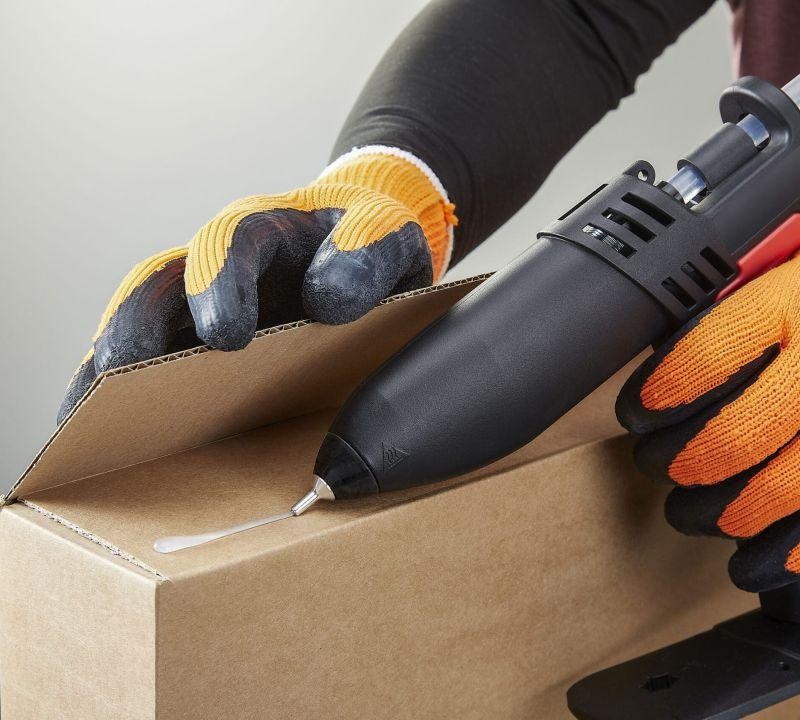
Suitable products can close corrugated cartons, fix inserts, and secure packaging components. Production teams should test performance on coated and uncoated materials, especially when packages face heat, stacking, or transport vibration.
Woodworking and Furniture
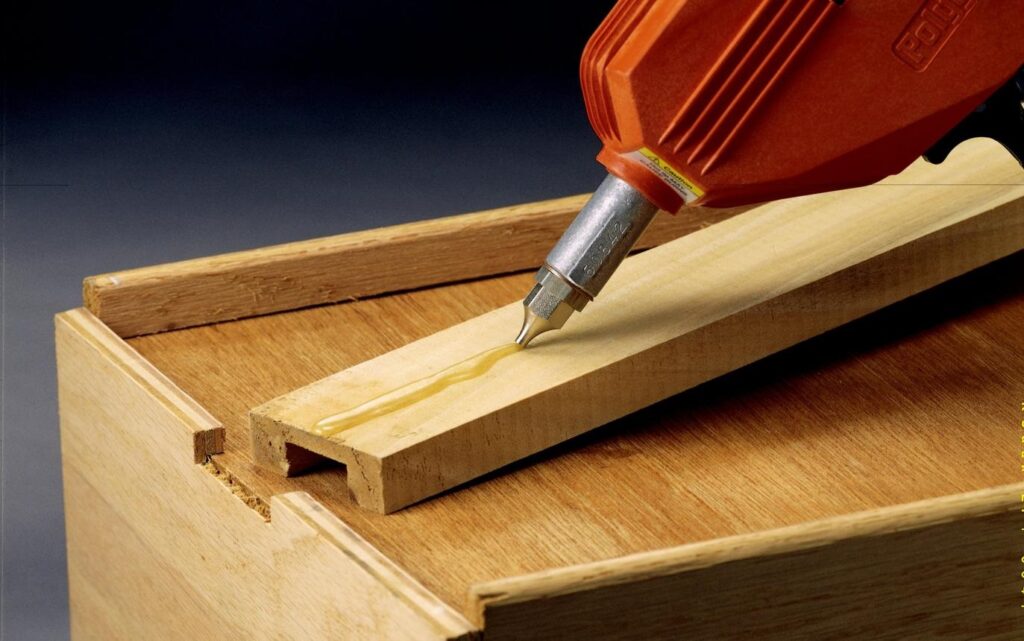
Appropriate adhesives can help with certain assembly, trim, and decorative tasks. However, structural joints and high-load furniture components require careful design and may call for a different adhesive system.
Product and Display Assembly
Manufacturers may use hot melts for selected plastic components, displays, fabric elements, or other assemblies. Appearance, peel resistance, flexibility, and end-use conditions influence selection.
Specialty Manufacturing
Some applications require specific resistance to oils, temperature variation, or environmental exposure. Product data and qualification testing are essential before introducing Industrial Glue Sticks into critical manufacturing processes.
How to Choose the Right Industrial Glue Sticks
Before ordering, create a short technical checklist rather than shopping by color alone.
| Selection factor | What to verify |
|---|---|
| Materials | Exact substrates, coatings, and surface condition |
| Application temperature | Adhesive and applicator’s approved operating range |
| Open and set time | Compatibility with assembly speed |
| Bond requirements | Load, peel, impact, and flexibility |
| Service environment | Heat, cold, humidity, and chemical exposure |
| Equipment | Stick dimensions, melting capacity, and nozzle |
| Safety | SDS, ventilation, PPE, and storage instructions |
A practical evaluation starts with sample bonds made using the intended production equipment. Test the assembled products under realistic use, not just immediately after cooling. If an adhesive will be used in packaging with special regulatory requirements, request appropriate compliance information for that precise product and application. This process helps avoid investing in Industrial Glue Sticks that are fast to dispense but unsuitable for the final job.
Common Mistakes to Avoid
One mistake is using the highest temperature setting available in the hope of increasing bond strength. Another is selecting an adhesive only because it bonds a material during a quick bench test. Temperature changes, repetitive movement, and prolonged loads may expose weaknesses.
When comparing Industrial Glue Sticks, document test conditions and review supplier data rather than relying on broad claims such as “industrial strength.”
Frequently Asked Questions
1. What are industrial glue sticks made of?
Industrial Glue Sticks can contain EVA, polyolefin, polyamide, or other specialized adhesive chemistries, together with formulation additives. The precise composition depends on the product.
2. Are industrial glue sticks stronger than craft glue sticks?
Some industrial formulations are designed for demanding substrates or conditions, but strength depends on the specific products and test method. A product labeled industrial is not automatically stronger in every application.
3. Can industrial glue sticks bond metal?
Certain specially formulated hot melts can bond selected metals. Performance depends on surface preparation, joint design, and operating conditions.
4. What is the difference between low-melt and standard hot glue?
They operate at different specified application-temperature ranges. Choose the grade that suits the material and compatible applicator.
5. How quickly do industrial glue sticks set?
Set times vary widely with the formulation, bead size, substrate temperature, and process. Check technical data and confirm with production testing.
6. Can hot-melt glue withstand high temperatures?
Some grades offer elevated heat resistance, but application temperature alone does not establish the finished bond’s performance.
7. Are industrial glue sticks safe to use?
They can be used safely with appropriate training, equipment, ventilation, and protective measures. Molten adhesive and heated applicators present burn hazards.
8. How do I know which glue stick fits my gun?
Check the applicator manufacturer’s supported diameter, length, adhesive type, and operating-temperature range before purchasing.
Conclusion
Industrial Glue Sticks are more technically sophisticated than their simple appearance suggests. Their chemistry determines much of their potential performance, but successful bonding also depends on temperature, timing, surface preparation, equipment compatibility, and safe operation.
The six facts above explain why choosing adhesive by appearance or price can lead to avoidable problems. For manufacturers, packaging teams, and workshop professionals, the better approach is to compare technical specifications, use the proper applicator, and test finished assemblies under realistic conditions.
With informed selection and consistent handling, Industrial Glue Sticks can provide convenient, efficient bonding for many appropriate industrial tasks.

Written by Twastia Editorial Team
Twastia Editorial Team shares practical insights about website design, SEO services, Google Ads, content marketing, social media, conversion rate optimization, and digital marketing strategy.
Last updated: Oct 30, 2026
Related posts from Twastia
Explore more useful articles from twastia.com about digital marketing, SEO, websites, ads, content, and growth strategy.