How to Check for Bed Bugs When Traveling: Easy Guide
Traveling is an exciting way to explore new destinations, enjoy different experiences, and take a break from everyday routines. Whether […]
Traveling is an exciting way to explore new destinations, enjoy different experiences, and take a break from everyday routines. Whether you are staying in a luxury hotel, a budget motel, a vacation rental, or a hostel, there is one small problem that can make your trip uncomfortable: bed bugs.
These tiny insects can hide in mattresses, headboards, upholstered furniture, and even luggage. They are not limited to dirty or poorly maintained accommodations. Bed bugs can appear in properties of all types, making it important for travelers to take a few precautions before settling into a room.
Knowing how to check for bed bugs when traveling can help you identify potential warning signs before unpacking or sleeping. A quick inspection with a flashlight can reveal evidence that might otherwise go unnoticed.
This guide explains where bed bugs hide, how to recognize them, which areas to inspect in a hotel room, and what to do if you discover signs of an infestation. You will also learn how to protect your luggage and belongings when returning home.
What Are Bed Bugs and Why Should Travelers Be Careful?
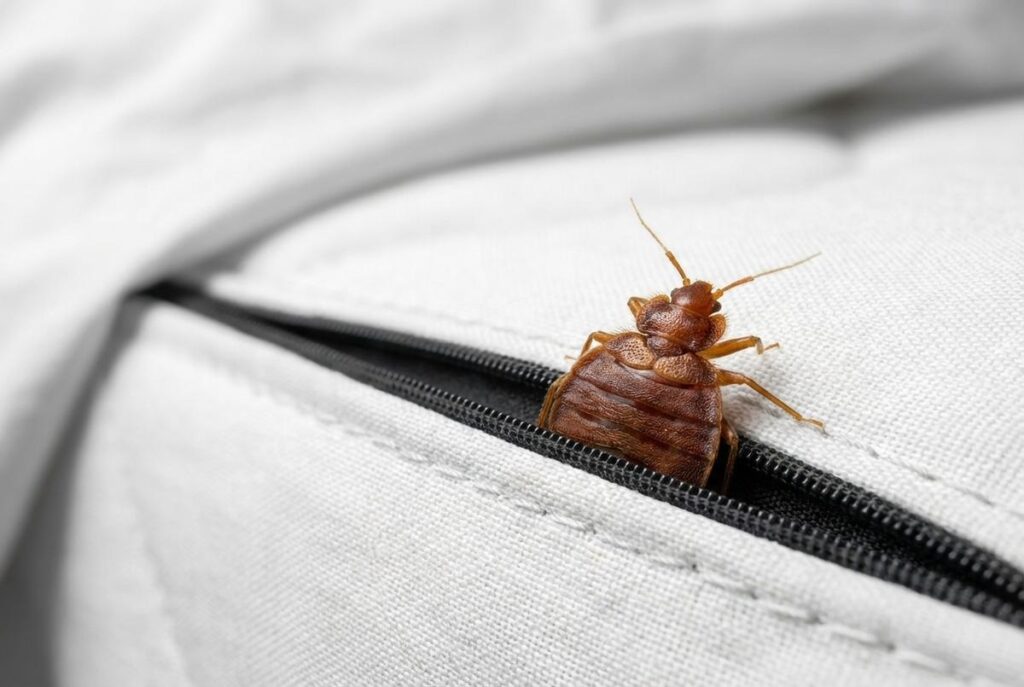
Bed bugs are small, flat, reddish-brown insects that feed on human blood. Adult bed bugs are approximately the size of an apple seed, while younger ones are smaller and can be more difficult to notice.
They usually hide during the day and become more active when people are resting or sleeping. Their flat bodies allow them to squeeze into narrow spaces, including mattress seams, furniture joints, cracks, and luggage folds.
Travel increases the possibility of encountering bed bugs because hotels, vacation rentals, hostels, and other accommodations receive visitors from different locations. These insects can travel by hiding in suitcases, backpacks, clothing, and personal belongings.
According to the Centers for Disease Control and Prevention (CDC), bed bugs are not known to spread diseases to people. However, their bites can cause itching, skin irritation, sleep disruption, and occasional allergic reactions.
Understanding how to check for bed bugs when traveling is therefore an important part of protecting your belongings and maintaining a comfortable travel experience.
How to Recognize Bed Bugs Before They Become a Problem
Before inspecting your hotel room, learn what bed bugs and their warning signs look like. You do not need professional equipment to identify many common indicators.
1. Look for Live Bed Bugs
Adult bed bugs are generally reddish-brown, flat, and oval-shaped. Their bodies become more swollen and elongated after feeding.
Younger bed bugs, known as nymphs, are smaller and lighter in color. Because they can be difficult to see, inspect mattress seams and furniture joints carefully.
2. Check for Small Dark Spots
One common sign of bed bug activity is tiny black or dark-brown spotting on fabric and nearby surfaces.
These marks may be bed bug droppings. They can resemble small ink stains and are frequently found around mattress seams, bed frames, and headboards.
3. Search for Rusty or Reddish Stains
Small reddish or rusty-colored stains on sheets, pillowcases, and mattresses may indicate crushed bed bugs or blood spotting.
A single stain does not automatically confirm an infestation, but several suspicious marks should encourage a closer inspection.
4. Identify Shed Skins and Eggs
Bed bugs shed their outer skins as they grow. These discarded shells can appear pale, translucent, or yellowish.
Their eggs are small, whitish, and oval-shaped. They may be attached to surfaces in protected hiding places.
Knowing these signs makes it easier to understand how to check for bed bugs when traveling without relying only on seeing a live insect.
Step-by-Step Guide: How to Check for Bed Bugs When Traveling

When you arrive at your accommodation, avoid placing your suitcase on the bed or unpacking immediately. Spend a few minutes inspecting the room first.
Step 1: Keep Your Luggage in the Bathroom
The bathroom is usually a practical temporary location for your suitcase because it has fewer upholstered surfaces and hiding places than the bedroom.
Place your luggage on a dry, hard surface while you inspect the sleeping area.
You can also keep your bags in a bathtub if it is clean and dry. Avoid placing them directly on carpet, upholstered furniture, or the bed.
Step 2: Inspect the Mattress Carefully
The mattress should be one of your first inspection points because bed bugs commonly hide near sleeping areas.
Pull back the sheets and examine:
- Mattress seams and piping.
- Corners and folded fabric.
- Labels and handles.
- Mattress edges.
- The area around the box spring.
Look for live insects, dark spotting, shed skins, and small reddish stains.
Use a flashlight to make hidden areas easier to see. Do not rely only on the visible sleeping surface.
Step 3: Examine the Headboard and Bed Frame
Bed bugs can hide behind headboards and inside narrow gaps in wooden or metal bed frames.
If the headboard is movable and can be inspected safely, check its edges and rear surface. Look closely at joints, screws, cracks, and connecting points.
Pay attention to any dark spots or insect shells around the bed.
Step 4: Check the Nightstands and Nearby Furniture
Bed bugs often remain close to the areas where people sleep. Nightstands, drawers, chairs, and upholstered furniture can provide additional hiding places.
Inspect the following areas:
- Drawer corners and joints.
- Undersides of nightstands.
- Furniture seams.
- Upholstered chair cushions.
- Gaps between furniture and walls.
- Cracks around the bed area.
You do not need to dismantle furniture. A careful visual inspection of accessible areas is usually a sensible first step.
Step 5: Inspect the Luggage Rack
Before placing your suitcase on a hotel luggage rack, examine its joints, straps, folds, and connecting points.
Luggage racks can come into contact with bags from different guests, so they should not automatically be considered safe.
Once inspected, use the rack to keep your suitcase elevated and away from the bed and walls.
Step 6: Examine Curtains and Other Fabric Areas
Although beds and nearby furniture are the main inspection priorities, bed bugs can also hide in other protected spaces.
Check fabric folds, curtain seams, upholstered seating, and cracks around wall decorations near sleeping areas.
Focus particularly on areas close to the bed rather than spending unnecessary time inspecting every part of the room.
Following these steps gives you a practical way to understand how to check for bed bugs when traveling before bringing your belongings into the sleeping area.
Where Do Bed Bugs Commonly Hide in Hotels?
Bed bugs prefer small, protected spaces where they can remain undisturbed. They are not always visible on top of a mattress or bedsheet.
Here are some common hiding places to remember:
Mattress seams: Small folds and stitching around mattress edges provide convenient hiding spots.
Box springs: The fabric covering, corners, and joints underneath the mattress can conceal insects.
Headboards: Gaps between the headboard and wall are particularly important to inspect.
Bed frames: Wooden joints, screw holes, and narrow spaces can provide shelter.
Upholstered furniture: Sofas, chairs, and cushions may contain seams and folds where insects can hide.
Luggage and clothing: Suitcases, backpacks, and folded clothing can transport bed bugs between locations.
The CDC also identifies furniture, cracks, crevices, and areas behind wallpaper as potential hiding places. Its guidance emphasizes checking sleeping areas for signs of infestation.
What Should You Do If You Find Bed Bugs in Your Hotel Room?

Discovering bed bugs can be stressful, especially when you are far from home. However, taking the right steps immediately can help reduce the chance of carrying them to another location.
1. Avoid Unpacking Your Belongings
If you discover suspicious insects or evidence, keep your suitcase closed and avoid moving clothing or personal items around the room.
Do not place your belongings on the bed, carpet, or upholstered furniture.
2. Take Clear Photographs
If possible, photograph the insect, spotting, shed skins, or other evidence.
Clear photographs can help hotel management understand your concern and may be useful if you need to document the incident.
3. Contact Hotel Management
Notify the front desk or property manager immediately.
Explain what you found and request another accommodation.
If you are offered another room, avoid accepting one immediately next to, directly above, or directly below the suspected room when possible. Bed bugs can spread between nearby spaces.
4. Inspect the New Room
Do not assume the replacement room is free of bed bugs.
Repeat the same mattress, headboard, furniture, and luggage rack inspection before unpacking.
If you continue finding evidence, consider seeking accommodation at another property.
5. Keep Potentially Exposed Belongings Separate
Avoid placing potentially exposed luggage with other people’s belongings.
Keep clothing and personal items contained in sealed bags until you can inspect or treat them appropriately.
How to Protect Your Luggage and Clothes During Travel
Preventing bed bugs from entering your belongings is just as important as inspecting the room.
Here are several practical precautions you can follow throughout your trip.
Use Protective Packing Bags
Store clothing in sealable plastic bags or suitable travel organizers. Separate clean clothing from worn items to make unpacking easier.
Although these bags are not a guarantee against bed bugs, they can help limit opportunities for insects to reach your belongings.
Keep Your Suitcase Closed
When you are not using your suitcase, keep it zipped and secured.
Avoid leaving clothing, backpacks, and jackets on beds, sofas, or carpeted floors.
Avoid Hotel Drawers
Consider keeping your clothes in your suitcase rather than placing them directly into hotel drawers.
If you need to use a wardrobe, inspect its accessible corners, joints, and shelves first.
Separate Dirty Laundry
Use a dedicated laundry bag for worn clothing.
Keep it closed and separate from clean items so you can process everything more easily when you return home.
These simple habits are an important part of learning how to check for bed bugs when traveling and preventing unwanted insects from hitchhiking home.
How to Check for Bed Bugs When Traveling: What to Do After Returning Home
Your precautions should continue after your trip ends. Even if you did not notice bed bugs during your stay, checking your belongings before unpacking is a sensible precaution.
Inspect Your Suitcase
Before bringing luggage into your bedroom or placing it on furniture, examine its exterior and interior.
Pay particular attention to:
- Zippers and zipper seams.
- Interior pockets.
- Fabric folds.
- Handles and stitching.
- Wheels and suitcase corners.
- Small gaps around luggage components.
A flashlight can help you inspect darker areas.
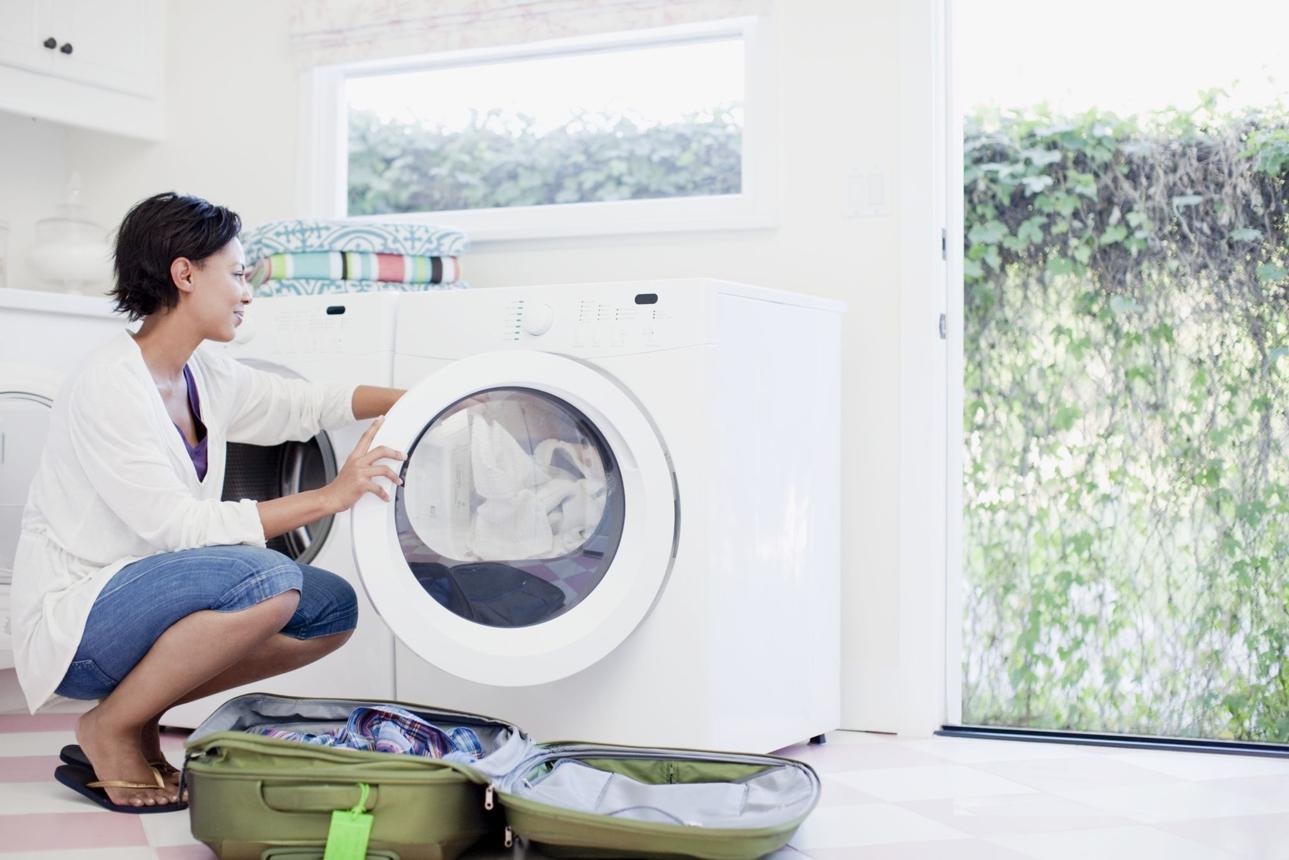
Dry Your Clothes Using High Heat
Place travel clothing directly into a dryer when the fabric care instructions allow it.
The EPA explains that high-temperature drying can kill bed bugs, while washing alone generally may not be sufficient.
Follow appropriate garment care instructions and use a heat treatment that is suitable for the items being processed.
Clean Your Suitcase
For hard-sided luggage, carefully vacuum accessible seams, corners, pockets, and other small spaces using a crevice attachment.
Empty the vacuum contents safely after cleaning.
For other luggage types, follow the manufacturer’s cleaning instructions. Avoid applying pesticides or chemicals to luggage unless the product label specifically permits that use.
Store Your Luggage Properly
Once inspected and cleaned, store your suitcase away from sleeping areas.
A garage, basement, or another suitable storage space may be preferable to placing luggage under your bed.
Frequently Asked Questions About Bed Bugs When Traveling
1. How do I know if my hotel room has bed bugs?
Look for live insects, dark fecal spots, rusty-colored stains, shed skins, and eggs around mattress seams, headboards, bed frames, and nearby furniture. A flashlight can help you inspect small spaces.
2. Can bed bugs be found in clean and expensive hotels?
Yes. Bed bugs can appear in budget accommodations, luxury hotels, vacation rentals, and other sleeping environments. Cleanliness alone does not determine whether a property has bed bugs.
3. What is the fastest way to check a hotel bed for bed bugs?
Pull back the bedding and carefully inspect the mattress seams, corners, piping, and labels. Then examine the box spring, headboard, and nearby bed frame for insects or other signs.
4. Can bed bugs travel inside my suitcase?
Yes. Bed bugs can hide in suitcase seams, pockets, zippers, clothing folds, and other small spaces. Keeping luggage closed and elevated during your stay can help reduce the risk.
5. Should I change hotels if I find bed bugs?
You should immediately report the issue and request alternative accommodation. If you are offered another room, inspect it carefully and avoid rooms directly adjacent to or above or below the suspected room when possible.
6. Do bed bug bites appear immediately?
Not always. Some people develop visible reactions after several days, and others may not show noticeable marks at all. Bite marks can also resemble mosquito or other insect bites, so they are not reliable proof of bed bugs.
7. Does washing clothes kill bed bugs?
Washing alone may not reliably kill bed bugs. High-temperature drying is an important treatment step when the fabric can safely tolerate the heat.
8. Do bed bugs spread diseases?
According to the CDC, bed bugs are not known to spread diseases to people. However, their bites may cause itching, irritation, sleep disruption, and occasional allergic reactions.
Conclusion
Bed bugs are an unpleasant travel problem, but a few simple precautions can help reduce the risk of bringing them home. Inspecting your mattress, headboard, bed frame, and nearby furniture before unpacking is a practical way to identify warning signs early.
Knowing how to check for bed bugs when traveling also means understanding how to protect your suitcase, separate your clothing, and inspect your belongings after returning home.
Remember that bed bugs can appear in accommodations of all types, regardless of their price or cleanliness. A quick inspection, careful luggage placement, and sensible laundry precautions can make your travel routine more comfortable and help protect your home from unwanted visitors.

Written by Twastia Editorial Team
Twastia Editorial Team shares practical insights about website design, SEO services, Google Ads, content marketing, social media, conversion rate optimization, and digital marketing strategy.
Last updated: Oct 31, 2026
Related posts from Twastia
Explore more useful articles from twastia.com about digital marketing, SEO, websites, ads, content, and growth strategy.