How to Shop to Get Ready for Moving Affordably: Best Money-Saving Tips
Moving into a new home can be an exciting experience, but it often comes with expenses that are easy to […]
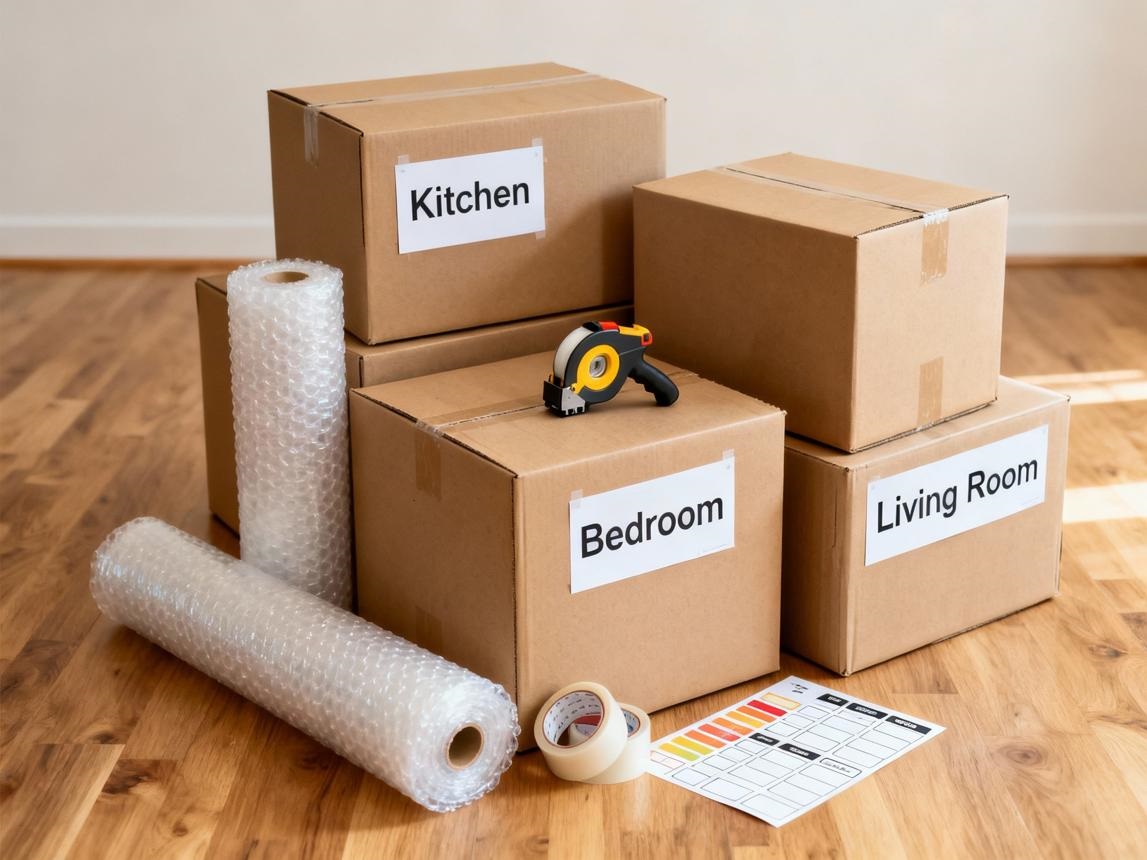
Moving into a new home can be an exciting experience, but it often comes with expenses that are easy to underestimate. Packing supplies, transportation, moving equipment, cleaning products, and household necessities can quickly add up, especially when you purchase everything at the last minute.
Fortunately, preparing for a move does not have to drain your savings. Learning how to shop to get ready for moving affordably can help you reduce unnecessary purchases, find cost-effective supplies, and make smarter decisions about what you actually need.
Whether you are relocating to another apartment, purchasing your first house, or moving across state lines, a carefully planned shopping strategy can make the process more manageable.
The key is to distinguish between essential moving supplies and items you can borrow, reuse, or purchase later.
You should also consider transportation costs and potential service charges before setting your overall budget. The Federal Motor Carrier Safety Administration (FMCSA) recommends obtaining estimates from at least three moving companies and comparing the services included in each offer. FMCSA
This guide explains how to prepare your moving shopping list, find affordable packing materials, compare moving services, and avoid common expenses that can make relocation more costly than necessary.
Why Planning Your Moving Purchases Matters
Many people begin preparing for a move by buying boxes, tape, protective materials, and other supplies without first estimating how much they actually need.
This approach can lead to overspending.
For example, purchasing several expensive specialty boxes may be unnecessary when sturdy reusable containers or appropriately sized standard boxes are already available.
Likewise, buying furniture and decorative accessories before measuring your new home can result in unsuitable purchases.
Creating a shopping plan allows you to focus on essential expenses and delay purchases that are not immediately necessary.
Benefits of Shopping Strategically
A practical moving budget can help you:
- Avoid buying unnecessary supplies.
- Find affordable or free packing materials.
- Compare prices before making purchases.
- Reduce transportation-related expenses.
- Protect belongings without excessive spending.
- Prepare essential items before moving day.
- Keep emergency funds available for unexpected costs.
Thoughtful planning also gives you more time to find suitable deals rather than accepting whatever is available at the last moment.
1. Create a Moving Shopping List Before Spending Money
The first step in understanding how to shop to get ready for moving affordably is creating a realistic shopping list.
Start by walking through your current home and identifying which belongings you intend to move.
Separate items into categories such as clothing, kitchenware, electronics, furniture, documents, and fragile possessions.
This helps you estimate the quantity and type of packing supplies required.
Divide Your List Into Essential and Optional Purchases
Essential moving supplies commonly include:
- Cardboard boxes or reusable containers.
- Strong packing tape.
- Permanent markers.
- Protective materials for fragile belongings.
- Labels or a simple inventory system.
- Basic cleaning supplies.
- Bags for clothing and miscellaneous items.
Optional purchases might include specialty storage organizers, decorative bins, expensive packing kits, or new furniture.
These items may be useful eventually, but they should not automatically take priority over moving necessities.
Check What You Already Own
Before shopping, inspect your closets, garage, storage areas, and utility spaces.
You may already have reusable shopping bags, storage baskets, blankets, towels, scissors, and boxes.
Using existing household items reduces the number of supplies you need to buy.
2. Find Free or Low-Cost Moving Boxes
Boxes are among the most common purchases associated with moving.
However, purchasing every box new is not always necessary.
Sturdy secondhand cardboard boxes may be available through local businesses, community groups, or people who have recently moved.
Where to Look for Affordable Boxes
Consider asking:
- Local grocery stores and neighborhood retailers.
- Bookstores and office supply businesses.
- Friends, relatives, and coworkers.
- Community giveaway groups.
- Local online marketplaces.
- Apartment buildings with designated recycling areas, where collection is permitted.
Always ask permission before taking boxes from a business or property.
Inspect used boxes for moisture damage, crushed corners, pests, and weak seams.
Avoid boxes that previously contained leaking chemicals or other hazardous substances.
Choose Boxes Based on Weight
Not every box should be packed to its maximum capacity.
Small boxes generally work well for heavy items such as books, while larger boxes are more suitable for lightweight items such as bedding.
Use appropriately rated, structurally sound boxes for heavy or valuable belongings.
A damaged box can create safety risks and may cost more in broken possessions than you saved by reusing it.
3. Save Money on Packing Materials
Protective packing materials are important, especially when transporting glassware, dishes, electronics, and other fragile belongings.
However, you do not need to purchase large amounts of bubble wrap for every item.
Existing household textiles can sometimes provide useful cushioning.
Use Towels, Blankets, and Clothing
Clean towels can help cushion sturdy household items.
Blankets may protect certain furniture surfaces, while soft clothing can fill empty spaces inside boxes.
For instance, you might wrap a durable ceramic mug in a clean kitchen towel before placing it inside a properly cushioned box.
However, delicate valuables and expensive electronics may require specialized protective packaging.
Avoid relying solely on improvised materials when the risk of damage is significant.
Compare Packing Supply Prices
For supplies you must purchase, compare prices at discount retailers, hardware stores, office supply businesses, and online marketplaces.
Check the quantity included in each package.
A larger roll of packing tape may provide better value than several smaller rolls, but only when you need the additional material.
Focus on the cost per usable unit instead of assuming the largest package always offers the best deal.
4. Declutter Before Buying Moving Supplies
One of the simplest ways to reduce relocation expenses is to move fewer belongings.
Before purchasing packing supplies, sort through items you no longer need.
Unnecessary possessions take up box space, require additional packing time, and may increase transportation requirements.
Decide What to Keep, Sell, or Donate
Consider separating belongings into four groups: keep, sell, donate, and dispose of responsibly.
Clothing that no longer fits, unused household accessories, duplicate kitchen items, and unwanted furniture may be candidates for removal.
You can sell suitable items through local marketplaces or community sales.
Donating usable belongings may also help reduce clutter.
For damaged or unwanted items, follow local recycling and disposal requirements.
Avoid Replacing Everything Immediately
Decluttering does not mean you need to replace all older possessions with new products.
Keep functional household essentials unless there is a clear reason to upgrade.
Moving is already expensive, and unnecessary replacement purchases can quickly eliminate savings.
5. Compare Moving Equipment and Transportation Costs
Transportation is often one of the largest moving expenses.
Depending on the distance and quantity of belongings, you may choose between professional movers, a rental truck, portable storage services, or a combination of available options.
The cheapest advertised price is not always the least expensive final choice.
Understand the Complete Cost
When comparing moving arrangements, consider:
- Vehicle rental charges.
- Mileage fees.
- Fuel expenses.
- Insurance or protection options.
- Moving equipment rentals.
- Parking and access requirements.
- Professional loading or unloading services.
- Additional fees for stairs or difficult access.
For interstate moves, the FMCSA explains that binding and nonbinding estimates operate differently and that additional services or circumstances can affect final charges. FMCSA
Obtain written estimates and understand what each includes.
Verify Moving Companies
If hiring interstate movers, check whether the company is registered with the FMCSA and has the required U.S. DOT number.
The agency also recommends reviewing a mover’s registration, insurance information, and complaint history before hiring. FMCSA
For moves occurring entirely within one state, check the applicable state requirements.
6. Shop for Cleaning Supplies Without Overspending
Cleaning is an important part of preparing both your previous residence and your new home.
You may need to clean cabinets, floors, bathrooms, and other surfaces before unpacking.
However, purchasing numerous specialized cleaning products is rarely necessary for every household.
Focus on Versatile Cleaning Essentials
A practical cleaning kit may include multipurpose cleaner, microfiber cloths, garbage bags, a broom, and appropriate bathroom cleaning products.
Choose products that are suitable for the surfaces you need to clean.
Check what you already own before purchasing duplicates.
For example, reusable microfiber cloths can often replace some disposable cleaning materials.
Follow product instructions and never mix household cleaning chemicals unless the manufacturer specifically directs you to do so.
7. Buy First-Day Essentials Separately
Another useful strategy when learning how to shop to get ready for moving affordably is preparing a small essentials kit.
Moving day can be tiring, and you may not have time to unpack every box immediately.
Keeping important supplies accessible can reduce last-minute convenience purchases.
What to Include in Your Essentials Kit
Pack basic toiletries, medication, chargers, a change of clothes, drinking water, snacks, and necessary documents.
You may also need toilet paper, soap, towels, bedding, and basic kitchen supplies.
Keep critical medicines, identification, valuables, and important records with you rather than placing them in an unattended moving truck.
If you have children or pets, include their immediate necessities as well.
The aim is to prepare for your first night without buying replacements for belongings already packed.
8. Delay Nonessential Purchases Until After Moving
It can be tempting to purchase new furniture, decorations, storage solutions, and household accessories before moving into a new property.
However, delaying some purchases can help prevent costly mistakes.
Measure Before Buying Furniture
Room measurements, door widths, hallway dimensions, and available storage space should guide furniture decisions.
A sofa that looks perfect in a showroom may not fit through your new doorway.
Similarly, buying storage organizers before unpacking may result in containers that do not suit your actual needs.
Wait until you understand how your belongings fit within the new home.
Prioritize Immediate Necessities
Focus first on items required for sleeping, bathing, cooking, cleaning, and everyday living.
Decorative purchases can be made gradually as your budget allows.
This approach also gives you time to compare products and find better offers.
Example Budget for Moving Supplies
A simple budget can help you control spending.
The following amounts are illustrative planning allowances, not verified current retail prices.
| Supply category | Example budget |
|---|---|
| Additional cardboard boxes | $20 |
| Packing tape and markers | $15 |
| Protective packing materials | $20 |
| Cleaning supplies | $15 |
| Labels and miscellaneous items | $10 |
| Emergency supply allowance | $20 |
| Total illustrative supply budget | $100 |
Your actual expenses may be lower if you reuse available materials or higher if you have numerous fragile belongings.
This example excludes transportation, professional movers, deposits, storage, and other relocation expenses.
Adjust the budget to your household size and moving requirements.
Common Shopping Mistakes to Avoid Before Moving
Even careful planners can spend more than expected when shopping for a move.
One common mistake is buying too many packing supplies without first estimating what is needed.
Another is selecting low-quality boxes for heavy possessions simply because they cost less.
You should also avoid purchasing large furniture before checking the new home’s measurements.
Last-minute shopping can create additional problems because you may have fewer opportunities to compare prices.
Finally, remember that moving expenses extend beyond packing materials. Utility setup charges, transportation, temporary storage, and other services may affect your overall budget.
Frequently Asked Questions
How can I shop to get ready for moving affordably?
Start with a moving inventory, identify the supplies you already own, collect suitable free boxes, compare prices, and avoid purchasing nonessential household products until after relocation.
Where can I find free moving boxes?
You can ask local retailers, friends, coworkers, and community giveaway groups. Always obtain permission and inspect boxes for strength, cleanliness, and damage before using them.
What moving supplies should I buy first?
Prioritize sturdy boxes, packing tape, markers, protective materials, and essential cleaning products. The quantities depend on your belongings and available reusable supplies.
Is it cheaper to move yourself or hire movers?
The answer depends on distance, shipment size, vehicle rental costs, available help, and the services required. Compare complete written estimates rather than focusing only on advertised rates.
How can I reduce packing expenses?
Reuse clean boxes, storage containers, towels, and blankets when appropriate. Declutter before packing and purchase specialized protective materials only where necessary.
What should I avoid buying before moving?
Consider postponing decorative furniture, nonessential appliances, oversized organizers, and other products that require accurate room measurements or may duplicate existing belongings.
Conclusion
Understanding how to shop to get ready for moving affordably can make relocation less financially stressful and more organized.
The most effective approach begins with planning. Create a detailed shopping list, check existing supplies, and prioritize necessities before purchasing anything new.
Look for sturdy secondhand boxes, reuse appropriate household materials, and compare prices on supplies that genuinely need to be purchased.
Decluttering can also reduce packing requirements, while comparing transportation arrangements helps you avoid unexpected expenses.
Remember to prepare a separate essentials kit and postpone nonurgent furniture or decorating purchases until you have settled into your new home.
Moving affordably does not mean sacrificing the protection of your belongings or choosing the cheapest option regardless of quality. It means spending carefully, avoiding unnecessary purchases, and making informed decisions.
With a realistic budget and a practical shopping strategy, you can prepare for your next move while keeping more of your money available for the important expenses ahead.

Written by Twastia Editorial Team
Twastia Editorial Team shares practical insights about website design, SEO services, Google Ads, content marketing, social media, conversion rate optimization, and digital marketing strategy.
Last updated: Nov 5, 2026
Related posts from Twastia
Explore more useful articles from twastia.com about digital marketing, SEO, websites, ads, content, and growth strategy.