Is Charleston, SC Commercial Real Estate Affordable?: Best Guide for Buyers and Tenants
Charleston, South Carolina, has become an attractive destination for businesses, property investors, and entrepreneurs seeking commercial space in the southeastern […]
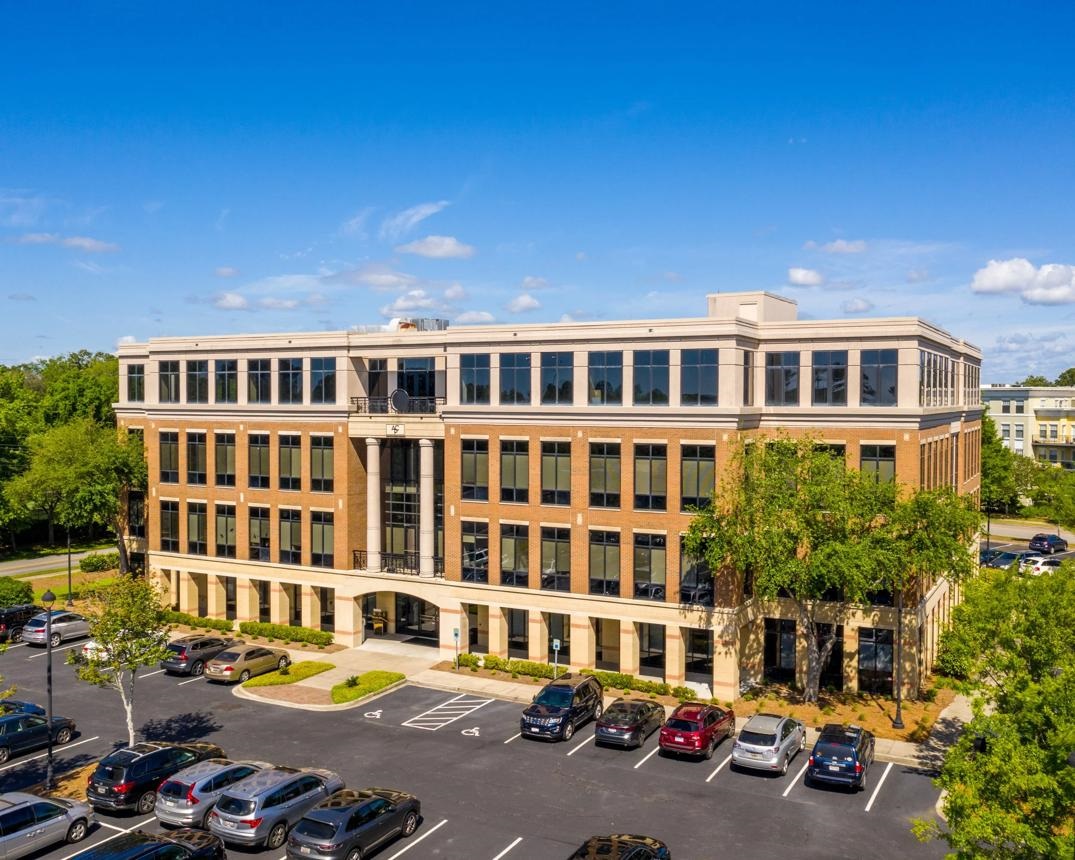
Charleston, South Carolina, has become an attractive destination for businesses, property investors, and entrepreneurs seeking commercial space in the southeastern United States. Known for its historic downtown, coastal location, tourism industry, and expanding business community, the region offers opportunities across office, retail, and industrial real estate.
However, one important question arises when evaluating the market: Is Charleston, SC commercial real estate affordable?
The answer depends on the type of property, its location, and whether you plan to buy or lease. Premium downtown retail space and modern office buildings can command substantial prices, while certain suburban offices and industrial properties may offer more economical alternatives.
Market conditions also vary significantly between commercial property sectors. Charleston’s office market remained particularly tight in the third quarter of 2026, while the industrial sector offered a broader selection of available space. Cushman & Wakefield+1
Affordability therefore involves more than identifying the lowest advertised price. Property taxes, insurance, maintenance, lease terms, financing, and future business requirements can affect the total cost.
This guide explores Charleston’s commercial real estate market, recent leasing trends, property types, and practical considerations for business owners and investors.
Understanding the Charleston Commercial Real Estate Market
Charleston’s commercial property market serves a diverse collection of businesses, including retailers, professional service providers, manufacturers, logistics companies, hospitality operators, and technology firms.
Its economy benefits from port activity, established tourism demand, and regional employment growth.
The broader metropolitan area includes downtown Charleston, North Charleston, Mount Pleasant, Daniel Island, and surrounding communities.
Each location offers different property characteristics and pricing conditions.
What Recent Market Reports Show
According to Cushman & Wakefield’s third-quarter 2026 office report, Charleston recorded an overall office vacancy rate of 6.8%.
Average asking office rent reached $30.75 per square foot annually, representing a 1.2% increase from the previous year. Cushman & Wakefield
For industrial properties, the same firm’s third-quarter report indicated average asking rent of $8.24 per square foot annually and overall vacancy of 12.9%. Cushman & Wakefield
These figures show why it is difficult to describe the entire commercial real estate market as uniformly expensive or affordable.
Office, retail, and warehouse properties operate under different pricing conditions.
1. Are Office Properties in Charleston Affordable?
Office space is an important part of Charleston’s commercial market.
Businesses looking for professional premises can find traditional office buildings, smaller suites, shared workplaces, and commercial spaces in mixed-use developments.
However, affordability varies considerably between downtown locations and surrounding submarkets.
Downtown Charleston Office Space
Downtown Charleston benefits from its historic character, established business environment, and proximity to restaurants, shops, and professional services.
These advantages can make central properties attractive to law firms, consultants, financial service providers, and other businesses.
However, desirable locations often carry higher rents.
Colliers reported in its second-quarter 2026 market analysis that tenants were paying more than $50 per square foot for certain Class A office spaces on the Charleston Peninsula, with some newer properties exceeding $60 per square foot. Colliers
These are premium-market observations, not representative rates for every Charleston office.
Suburban Office Alternatives
Businesses seeking lower occupancy costs may consider locations outside the historic downtown.
North Charleston and other suburban submarkets may offer different building types, parking arrangements, and lease opportunities.
Older office buildings can sometimes present lower asking rents than newly constructed premium properties.
Nevertheless, tenants should consider building condition, energy expenses, accessibility, and any required interior improvements.
A lower base rent does not always produce a lower total occupancy cost.
2. How Affordable Is Charleston Retail Space?
Retail properties are influenced by customer traffic, visibility, neighborhood demographics, and nearby commercial activity.
Charleston’s tourism industry helps support retail activity in established shopping and dining areas.
However, locations that attract large numbers of visitors can also command higher rental prices.
Prime Retail Locations
King Street is one of Charleston’s recognized retail corridors.
Its mix of boutiques, restaurants, and established commercial buildings creates a distinctive shopping environment.
For certain businesses, the visibility and customer access offered by premium downtown locations may justify higher occupancy expenses.
However, a new retailer with limited startup capital may find these locations difficult to afford.
Retail Opportunities Outside Downtown
Suburban shopping centers and neighborhood retail properties may offer alternatives.
Businesses serving local residents rather than tourists may find suitable locations closer to residential communities.
The third-quarter 2026 Charleston retail report from Institutional Property Advisors identified metro retail vacancy near 3.5% in June, indicating relatively limited available space. institutionalpropertyadvisors.com
Low vacancy can increase competition for desirable storefronts.
Retail tenants should evaluate potential customer demand alongside rent rather than assuming a lower-cost location automatically provides better value.
3. Industrial and Warehouse Property Affordability
Industrial real estate has become an important part of Charleston’s commercial property market.
Warehouses, distribution centers, manufacturing facilities, and flex spaces support businesses involved in transportation, logistics, storage, and production.
Charleston’s port infrastructure and access to regional transportation networks contribute to industrial property demand.
Current Industrial Rental Conditions
Cushman & Wakefield reported average industrial asking rent of $8.24 per square foot annually in the third quarter of 2026.
The same report recorded a vacancy rate of 12.9%, reflecting a market with more available space than Charleston’s office sector. Cushman & Wakefield
For illustration, a 5,000-square-foot industrial property at $8.24 per square foot would have approximately $41,200 in annual base rent, or $3,433 per month.
This calculation excludes additional occupancy costs, including expenses associated with certain net leases.
Industrial Property Opportunities
Industrial affordability depends heavily on building size and specifications.
A small warehouse with convenient access, loading facilities, and suitable utilities may command a different rate from a large distribution facility.
Colliers reported that certain small-bay industrial properties remained particularly competitive in 2026, with rents approaching $20 per square foot in high-demand submarkets. Colliers
Business owners should therefore compare properties according to their operational requirements, not simply average regional rent.
4. Comparing Charleston Commercial Property Costs
To understand whether Charleston, SC commercial real estate is affordable, consider the difference between commercial property sectors.
Q3 2026 market snapshot
Office asking rent
per sq. ft. annually
Industrial asking rent
per sq. ft. annually
Reported vacancy rates
Cushman & Wakefield, Q3 2026. Figures represent separate property markets.
0%4%8%12%16%OfficeIndustrial
Source: Cushman & Wakefield’s October 2026 Charleston market reports. Cushman & Wakefield+1
These figures illustrate broad market conditions rather than quotations for individual properties.
Office and industrial lease structures may also differ, meaning their headline rents are not directly comparable as total occupancy expenses.
Retail rates are more difficult to summarize with one figure because location, frontage, building condition, and tenant improvements can substantially influence individual leases.
5. Which Charleston Locations Offer Better Value?
Location is one of the strongest influences on commercial property affordability.
Businesses should evaluate customer accessibility, transportation routes, employee commuting, parking, and surrounding commercial activity.
Downtown Charleston
Downtown properties appeal to businesses seeking a recognizable address and access to established commercial activity.
However, premium retail and office locations can involve higher occupancy costs.
Historic buildings may also require specialized maintenance or renovation approvals.
North Charleston
North Charleston provides access to office, industrial, and commercial properties across a broad geographic area.
It may offer alternatives to the premium downtown market, particularly for businesses requiring larger spaces or convenient road access.
However, individual properties still need to be compared carefully.
Mount Pleasant and Daniel Island
These areas attract professional businesses and commercial tenants seeking modern facilities and access to residential communities.
They are not automatically inexpensive, particularly in desirable developments.
Surrounding Industrial Corridors
Businesses prioritizing warehouse access or logistics may consider areas along major transportation corridors.
The value of these locations depends on shipping needs, truck access, employee transportation, and building specifications.
6. Is Buying Commercial Property Better Than Leasing?
Purchasing commercial real estate can provide long-term control over a business location.
Ownership may also offer potential appreciation and opportunities to build equity.
However, buying requires substantial upfront capital and introduces additional financial responsibilities.
Advantages of Buying
Ownership can provide greater control over improvements and reduce uncertainty associated with lease renewals.
Depending on financing terms, mortgage payments may also offer greater predictability than rent increases.
Nevertheless, commercial property values can decline, and ownership does not guarantee investment profits.
Advantages of Leasing
Leasing generally requires less initial capital than purchasing an entire commercial property.
It may provide greater flexibility for businesses expecting to expand, relocate, or change operational requirements.
A lease can also allow a company to occupy a desirable location without taking on all the responsibilities of ownership.
The appropriate choice depends on business cash flow, financing availability, expected occupancy period, and investment objectives.
7. Hidden Expenses That Affect Affordability
Commercial property costs extend beyond advertised rent or purchase price.
Understanding these additional expenses is essential when evaluating Charleston real estate.
Property Taxes
South Carolina generally assesses commercial and rental real property at 6% of appraised value for property tax calculations.
The applicable millage rate is then used to calculate the tax obligation. rfa.sc.gov
The 6% figure is an assessment ratio, not a 6% annual property tax rate.
Actual tax bills depend on property classification, valuation, jurisdiction, and applicable rules.
Insurance and Flood Exposure
Charleston’s coastal geography makes flood risk particularly important.
The City of Charleston explains that all properties within the city fall within a flood zone, although not all are located within FEMA’s higher-risk Special Flood Hazard Areas. Charleston, SC – Official Website
Property buyers should review official flood maps and obtain insurance estimates before committing to a transaction.
Flood exposure may also affect renovation requirements, financing, and future operating expenses.
Maintenance and Lease Charges
Additional expenses may include property maintenance, utilities, common-area maintenance charges, insurance, repairs, and property management.
For triple-net leases, tenants generally pay specified property expenses in addition to base rent.
Always examine the lease agreement to determine which costs belong to the tenant.
8. How to Find Affordable Commercial Real Estate in Charleston
Finding suitable commercial space requires balancing property costs with business requirements.
Start by establishing a realistic monthly occupancy budget.
Then identify the minimum space, layout, utilities, access, and parking your business requires.
Compare Multiple Properties
Review several properties within your preferred submarkets rather than focusing on one listing.
Compare base rent, additional charges, lease terms, property condition, and required improvements.
For purchases, investigate comparable transactions rather than relying entirely on asking prices.
Negotiate Commercial Lease Terms
Some landlords may offer concessions depending on market conditions and tenant qualifications.
Potential concessions include rent-free periods, improvement allowances, or alternative lease structures.
Colliers reported that certain Charleston industrial landlords were offering concessions during 2026 as the market adjusted to available supply. Colliers
However, concessions are not guaranteed and may differ by property.
Work With Qualified Professionals
Commercial real estate transactions can involve complex financial and legal obligations.
A knowledgeable commercial broker can assist with property comparisons, while an attorney can review lease or purchase agreements.
Buyers may also benefit from professional building inspections, environmental assessments, and financial due diligence.
Frequently Asked Questions
Is Charleston, SC commercial real estate affordable for small businesses?
It can be, depending on the location, property type, and space requirements. Smaller suburban offices or certain industrial properties may provide more affordable options than premium downtown locations.
What is the average office rent in Charleston, SC?
Cushman & Wakefield reported average office asking rent of $30.75 per square foot annually in the third quarter of 2026. Individual buildings may have substantially different rates.
Is commercial property cheaper in North Charleston?
Certain North Charleston locations may offer lower-cost alternatives to premium downtown properties. However, prices vary by building class, location, condition, and commercial use.
Are industrial properties affordable in Charleston?
Industrial properties may provide lower asking rent per square foot than offices. Cushman & Wakefield reported an average industrial asking rent of $8.24 per square foot annually in Q3 2026, although small-bay and specialized properties can cost considerably more.
Is Charleston a good location for commercial real estate investment?
Charleston has economic drivers supporting several commercial property sectors, but investment performance depends on purchase price, tenant demand, expenses, financing, and future market conditions. No location guarantees positive returns.
What should businesses consider before leasing commercial property?
Consider total occupancy costs, lease duration, rent increases, maintenance responsibilities, insurance, parking, zoning, accessibility, and any necessary improvements. A commercial real estate attorney can help review complicated lease terms.
Conclusion
So, is Charleston, SC commercial real estate affordable? The answer is that Charleston offers opportunities at different price levels, but affordability depends heavily on the type of property and its location.
Downtown office and premium retail spaces can be expensive because of desirable locations and limited availability. However, certain suburban offices and industrial properties may offer more economical alternatives.
The third-quarter 2026 market reports demonstrate these differences, with average office asking rent considerably higher than industrial asking rent.
Businesses should also consider property taxes, insurance, flood exposure, maintenance, and lease obligations before making financial decisions.
For investors, affordability should be evaluated alongside income potential, vacancy risk, building condition, and long-term market prospects.
Ultimately, the best commercial property is not simply the one with the lowest advertised price. It is the property that meets your operational or investment needs while remaining financially sustainable.
With careful research, realistic budgeting, and professional guidance, businesses and investors can identify opportunities that fit their goals within the greater Charleston commercial real estate market.

Written by Twastia Editorial Team
Twastia Editorial Team shares practical insights about website design, SEO services, Google Ads, content marketing, social media, conversion rate optimization, and digital marketing strategy.
Last updated: Nov 5, 2026
Related posts from Twastia
Explore more useful articles from twastia.com about digital marketing, SEO, websites, ads, content, and growth strategy.