How Metrics And Big Data Are Transforming The Construction Industry?: Best Guide to Smarter
Construction projects produce information every day: estimates, drawings, material orders, equipment readings, inspection reports, schedules, and field photographs. Traditionally, much […]
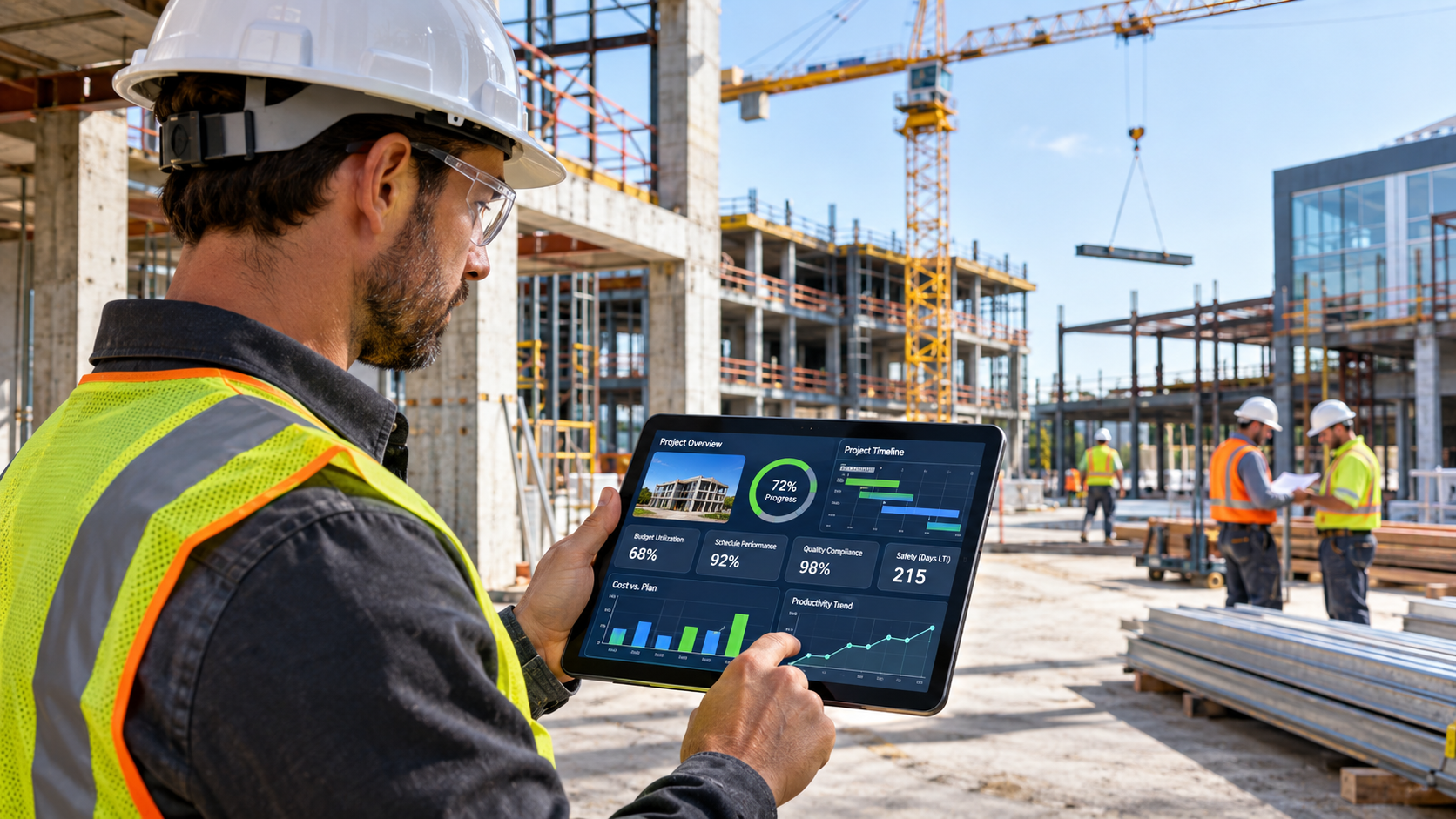
Construction projects produce information every day: estimates, drawings, material orders, equipment readings, inspection reports, schedules, and field photographs. Traditionally, much of this information lived in separate files, making it difficult to understand what was happening across a project. Digital tools now offer a way to bring those records together and turn them into decisions.
The question behind How Metrics And Big Data Are Transforming The Construction Industry? is no longer purely theoretical. Contractors can compare planned progress with actual production, detect cost variations earlier, and learn from completed jobs. Yet installing software is not enough. The value comes from choosing useful measurements, keeping records accurate, and acting on what the evidence shows.
The U.S. National Institute of Standards and Technology (NIST) has examined the difficulty of measuring construction productivity across tasks, individual projects, and the broader industry. Its work underscores why consistent definitions and meaningful measurement matter. A company cannot improve a process reliably if its teams measure that process in different ways. NIST
Understanding Metrics and Big Data on a Jobsite
A metric is a defined measurement used to evaluate performance. Examples include labor hours per installed unit, percentage of inspections passed, or the number of days an activity runs behind schedule. Big data refers more broadly to large, varied, or rapidly generated datasets that may exceed the usefulness of simple manual analysis.
How Metrics And Big Data Are Transforming The Construction Industry? becomes easier to understand when these two ideas are separated. A small contractor may improve a project using five carefully chosen measures, whereas a national builder may analyze thousands of records from numerous sites. Both approaches should serve specific operational questions rather than collect information without purpose.
Where Information Comes From
Typical sources include estimating systems, building information models, field reports, procurement records, GPS-enabled equipment, environmental sensors, and safety observations. Contract documents and change orders add commercial context, while project photographs help teams verify physical progress.
A digital platform can consolidate these records, but conflicting codes, duplicated entries, and incomplete timestamps can distort conclusions. When discussing How Metrics And Big Data Are Transforming The Construction Industry?, the quality of input information deserves as much attention as the sophistication of the software processing it.
Start With Clear Definitions
Define what each indicator measures, who enters it, how frequently it is updated, and which decision it supports. For instance, “percent complete” must use an agreed method instead of being an unverified impression. How Metrics And Big Data Are Transforming The Construction Industry? works best when everyone understands the definitions behind the dashboard.
1. Improving Cost Estimates and Budget Control
Construction estimates depend on material quantities, labor rates, productivity assumptions, subcontractor bids, and site conditions. Historical job records can help estimators compare planned quantities and costs against what similar projects actually required.
One practical example of How Metrics And Big Data Are Transforming The Construction Industry? is tracking the difference between estimated and actual labor hours for particular tasks. If several comparable jobs consistently exceed the budget for the same activity, managers can investigate whether the estimate, sequencing, material handling, or field conditions need improvement.
Watch Costs as Work Progresses
A budget is more useful when teams update committed costs, approved changes, and forecasts regularly. Managers can then identify potential overruns before the project ends. However, forecasts must distinguish confirmed invoices from estimates and pending change orders.
How Metrics And Big Data Are Transforming The Construction Industry? also changes conversations with owners: instead of saying a project “feels expensive,” teams can explain which cost category is changing and what mitigation is available. Analytics supports judgment; it does not replace experienced estimators or fair contract administration.
2. Making Project Schedules More Reliable
Project schedules involve dependencies among crews, permits, inspections, equipment, and deliveries. A delay in one activity can affect several downstream trades. Comparing daily reports with the planned schedule helps reveal emerging problems.
How Metrics And Big Data Are Transforming The Construction Industry? supports schedule management through measurable indicators such as planned-versus-actual milestones, unresolved constraints, and the time needed to complete repetitive work. Project managers can use these signals to adjust sequencing or coordinate resources before smaller delays accumulate.
Use Forecasts Carefully
Analytical tools may identify patterns associated with delays, but a forecast is not a promise. Weather, design changes, inspections, and unexpected site conditions remain uncertain. The practical goal is to prepare alternative plans and explain assumptions rather than present artificial precision.
3. Supporting Better Workplace Safety
Safety information should help prevent harm, not merely count incidents after they occur. The Occupational Safety and Health Administration distinguishes lagging indicators, such as past injuries, from leading indicators, such as hazard reports, training participation, and corrective action completion. OSHA encourages using both types. Occupational Safety and Health Administration
How Metrics And Big Data Are Transforming The Construction Industry? can support safer workplaces when managers review inspection findings, repeated hazards, and how quickly reported problems are corrected. A trend showing delayed corrective actions should prompt investigation, worker consultation, and preventive measures rather than a punitive response to reporting.
Respect Workers and Reporting Culture
Never assume a low incident count proves that a site is safe. Underreporting can produce deceptively favorable figures. Data collection must encourage honest reporting and respect worker privacy. How Metrics And Big Data Are Transforming The Construction Industry? should reinforce competent supervision, training, and hazard controls—not become a substitute for them.
4. Connecting Building Information Modeling With Field Records
Building information modeling (BIM) provides structured digital representations of built assets. Depending on the project, models can link designs with quantities, specifications, coordination issues, and maintenance information. Their value increases when current field records can be associated with the appropriate components.
How Metrics And Big Data Are Transforming The Construction Industry? is visible in the relationship between model data and jobsite reality. A contractor might compare installed quantities with approved designs, record inspection results against a modeled element, or flag a discrepancy for review before additional work conceals it.
Move Toward Interoperable Systems
Different applications do not always exchange information cleanly. NIST’s work on building digitization and semantic interoperability highlights the need for machine-readable, standardized data that can support building operations across the asset lifecycle. NIST
How Metrics And Big Data Are Transforming The Construction Industry? therefore involves consistent identifiers and clear data ownership as well as advanced visualization. A colorful three-dimensional model is less useful if the supporting records cannot be trusted or transferred.
5. Managing Equipment and Materials More Effectively
Heavy equipment, delivery trucks, and purchased materials can generate useful operational information. Teams may record engine hours, maintenance activity, idle time, delivery dates, and inventory usage to understand where delays or unnecessary expenses arise.
With How Metrics And Big Data Are Transforming The Construction Industry?, contractors can examine whether a machine is frequently unavailable, whether particular materials arrive late, or whether excess stock is tying up cash. These observations can inform purchasing schedules, preventive maintenance, and equipment allocation.
Avoid False Signals
A machine’s idle time may reflect a legitimate safety pause or work sequence rather than waste. Similarly, late deliveries may be caused by revised design approvals, not supplier failure. Analysts should investigate causes before attaching blame or changing contracts.
6. Reducing Rework Through Quality Metrics
Rework can consume time, labor, and materials. Tracking inspection failures, requests for information, punch-list issues, and recurring defects can help reveal where procedures need attention.
How Metrics And Big Data Are Transforming The Construction Industry? becomes practical when teams connect a recurring defect with its likely source. If multiple installations fail the same inspection, they can review the specification, training, drawings, material selection, and supervision instead of merely asking crews to work faster.
Turn Findings Into Learning
Hold short reviews at useful milestones. Record what changed, what improved, and whether the corrective action worked on the next project. How Metrics And Big Data Are Transforming The Construction Industry? matters most when lessons move beyond a single dashboard and become better site practices.
7. Using Analytics for Sustainability and Resource Planning
Construction teams increasingly track waste, material use, fuel consumption, and sometimes embodied carbon estimates. Reliable measurements can support purchasing choices and help compare feasible design alternatives.
A 2025 Autodesk construction survey reported that 63% of participating construction organizations were using AI to support sustainability activities, including monitoring emissions and optimizing energy use. This was a survey result, not proof that every AI deployment reduced emissions. Autodesk
How Metrics And Big Data Are Transforming The Construction Industry? can help project teams connect material quantities and disposal records with sustainability goals. For meaningful comparisons, however, organizations must use appropriate boundaries, units, and assumptions.
Which Construction KPIs Are Worth Tracking?
| Performance area | Example metric | Useful management question |
|---|---|---|
| Cost | Forecast cost at completion | Are expenses moving beyond the approved budget? |
| Schedule | Milestones achieved on time | Which dependencies are creating delays? |
| Labor | Installed quantity per labor hour | Where could workflow improve? |
| Safety | Time to close reported hazards | Are known risks being addressed? |
| Quality | Rework or inspection failure rate | Which problems keep recurring? |
| Equipment | Unplanned downtime | Is maintenance disrupting production? |
| Materials | Delivery reliability | Are supplies arriving when needed? |
How Metrics And Big Data Are Transforming The Construction Industry? does not require tracking every possible KPI. Select a manageable group, review definitions regularly, and retire measures that nobody uses to guide a decision.
Challenges Contractors Must Address
Poor data entry, disconnected platforms, cyber risks, insufficient training, and unclear ownership can all limit the value of analytics. Smaller firms may also face budget constraints and difficulty employing specialized staff. Autodesk’s 2025 construction research notes that companies differ substantially in digital maturity and ability to share information. boards.autodesk.com
How Metrics And Big Data Are Transforming The Construction Industry? should not be presented as effortless automation. Sensitive personnel, project, and customer records require appropriate access controls. Firms should also establish policies for retention, vendor access, and the use of AI tools with confidential information.
Introduce Technology in Manageable Stages
Start with one recurring problem, such as late material deliveries or frequent rework. Establish a baseline, test a measurement process, train the people involved, and evaluate whether it improved outcomes. Expand only after the initial process demonstrates value.
How Metrics And Big Data Are Transforming The Construction Industry? is ultimately a management practice supported by technology, not a software purchase that automatically delivers better results.
Frequently Asked Questions
What is big data in construction?
It is the collection and analysis of large or varied information from projects, equipment, models, and business processes. The aim is to uncover patterns that help teams make better operational decisions.
Which metrics should contractors track first?
Start with schedule reliability, forecast costs, safety corrective actions, and quality defects. Add other measures only when they answer an important question and can be maintained accurately.
Can analytics prevent construction accidents?
Analytics can reveal trends and support proactive hazard management, but it cannot guarantee accident prevention. Training, competent supervision, appropriate equipment, and effective controls remain essential.
Do small builders need expensive AI software?
No. Consistent reporting and straightforward dashboards may produce worthwhile improvements. Advanced analytics makes sense only when data quality and a clear business need justify it.
How does BIM help with data analysis?
BIM can organize information about building components and provide context for quantities, design coordination, and inspection records. Interoperability and regular updates are necessary for reliable results.
What is the biggest risk of data-driven construction?
Treating inaccurate, incomplete, or biased data as objective truth is a major risk. Teams need quality checks and human oversight before making consequential decisions.
Conclusion
Modern construction creates enormous quantities of information, but its value depends on how that information is managed. Thoughtful metrics can improve visibility into budgets, schedules, safety, quality, and resource consumption. Connected models and analytical tools can make these insights easier to share across teams.
How Metrics And Big Data Are Transforming The Construction Industry? is best understood as a shift from reacting to problems after the fact toward identifying issues earlier and making informed adjustments. Companies that define reliable indicators, involve field teams, protect sensitive information, and use evidence alongside professional judgment are better positioned to benefit from that shift.

Written by Twastia Editorial Team
Twastia Editorial Team shares practical insights about website design, SEO services, Google Ads, content marketing, social media, conversion rate optimization, and digital marketing strategy.
Last updated: Nov 5, 2026
Related posts from Twastia
Explore more useful articles from twastia.com about digital marketing, SEO, websites, ads, content, and growth strategy.