How to Determine If a Plumber Is Reliable Enough to Hire: Best Hiring Tips
A leaking pipe, blocked drain, or malfunctioning water heater can disrupt daily life and sometimes damage a home. When plumbing […]
A leaking pipe, blocked drain, or malfunctioning water heater can disrupt daily life and sometimes damage a home. When plumbing problems appear, many homeowners want the fastest available repair. However, choosing an unqualified contractor can create additional costs, recurring problems, and potential safety concerns.
Understanding How to Determine If a Plumber Is Reliable Enough to Hire begins with checking evidence rather than relying on advertisements or reassuring promises. A professional plumber should have appropriate qualifications, relevant experience, clear pricing, and a willingness to explain the recommended work.
The Federal Trade Commission recommends checking contractors’ licenses and insurance, obtaining multiple written estimates, reviewing references, and using detailed written contracts. Those principles are particularly useful when hiring plumbing professionals for expensive or complicated work. Consumer Advice
This guide explains How to Determine If a Plumber Is Reliable Enough to Hire through practical checks that American homeowners can complete before making a decision. It also covers warning signs, emergency situations, and questions that can help prevent unexpected expenses.
1. Verify Licensing and Professional Qualifications
One of the first things to establish is whether a plumber is legally qualified to perform the proposed work. Plumbing licensing requirements vary across the United States. Some states regulate individual plumbers and contractors, while cities or counties may impose additional licensing and permit rules.
The first step in How to Determine If a Plumber Is Reliable Enough to Hire is asking for the relevant license number and checking it with the government agency responsible for plumbing regulation in your area.
Check the Official Licensing Database
Do not assume that a license number printed on a website proves that it is current. Look up its status, expiration date, classification, and any publicly available disciplinary history.
For example, the Texas State Board of Plumbing Examiners advises homeowners to verify the Responsible Master Plumber’s license and confirm the required insurance information. Other states use different licensing structures. Texas State Board of Plumbing Examiners
A plumber who operates legally in one state may not automatically qualify to work across state lines.
Confirm Who Will Perform the Work
The person answering your phone call may not be the technician arriving at your home.
Ask whether the work will be completed by a master plumber, journeyman, apprentice, or another appropriately authorized worker. Supervision requirements depend on local law and the type of work involved.
When learning How to Determine If a Plumber Is Reliable Enough to Hire, remember that licensing is an important baseline, not a guarantee of perfect workmanship. Continue checking references, experience, and business practices.
Understand Permit Responsibilities
Water heater replacements, sewer connections, extensive repiping, and certain other projects may require permits and inspections.
Ask whether a permit is necessary, who will obtain it, and how required inspections will be arranged. Be cautious if a contractor insists on skipping legally required permits merely to save time.
2. Confirm Insurance and Business Legitimacy
Plumbing work involves water, building materials, tools, and sometimes connections to other household systems. Accidental damage can become expensive, especially when a leak affects floors, walls, or neighboring property.
A central part of How to Determine If a Plumber Is Reliable Enough to Hire is confirming that the business has insurance appropriate to its operations and complies with applicable workers’ compensation requirements.
Ask for Evidence of Coverage
Request proof of general liability insurance and workers’ compensation coverage where applicable. Check the business name, coverage dates, and relevant policy information.
For significant work, consider verifying coverage directly with the insurer or issuing agent using independently confirmed contact information.
Alabama’s Plumbers and Gas Fitters Examining Board advises consumers to check insurance relating to personal liability, property damage, and workers’ compensation before hiring. Plumbers and Gas Fitters Examining Board
Verify the Business’s Identity
A legitimate business should provide an identifiable company name, contact information, and a reasonable way to address complaints after the job.
Check whether estimates, invoices, licensing records, and business communications use consistent details.
This part of How to Determine If a Plumber Is Reliable Enough to Hire matters because a contractor who cannot be located later may be difficult to contact about defective work or warranty obligations.
Distinguish Registration From Endorsement
A government registration may establish that a business filed required information, but it does not necessarily prove workmanship quality. Pennsylvania’s Attorney General explicitly warns that home-improvement contractor registration is not government approval or endorsement. PA Office of Attorney General
3. Evaluate Experience With Your Specific Plumbing Problem
Plumbing includes many specialties. A professional who regularly installs bathroom fixtures may have different experience from a contractor who repairs underground sewer lines, diagnoses water pressure problems, or replaces complex water heaters.
Another practical element of How to Determine If a Plumber Is Reliable Enough to Hire is making sure the contractor’s experience matches your particular project.
Ask About Similar Completed Jobs
Explain the symptoms and ask whether the company routinely handles this type of repair.
For example, recurring backups affecting several fixtures may require sewer-line diagnosis, while a dripping faucet may involve a much smaller task.
Ask about the diagnostic approach, equipment typically used, and circumstances that would require another specialist.
Look for Problem-Solving Skills
An experienced plumber should investigate the cause rather than immediately recommending the most expensive solution.
A stained wall does not necessarily prove that a visible pipe is responsible for a leak. Similarly, repeated drain blockages may require additional diagnosis before a long-term repair can be recommended.
Understanding How to Determine If a Plumber Is Reliable Enough to Hire means looking for someone who explains reasonable possibilities, acknowledges uncertainty, and offers findings that support the proposed work.
Consider the Age and Type of Your Home
Older homes may contain unfamiliar piping materials, previous repairs, or unusual drainage arrangements. Ask whether the plumber has experience working with the relevant systems and understands local code requirements.
4. Examine Reviews, References, and Reputation
Customer feedback can reveal patterns that are difficult to identify from a business advertisement. Reviews may describe punctuality, cleanliness, communication, pricing, and how the company responds when something goes wrong.
However, a five-star average should not be your only criterion.
How to Determine If a Plumber Is Reliable Enough to Hire involves examining the substance of customer experiences rather than treating the highest rating as automatic proof of reliability.
Read Both Positive and Negative Reviews
Look for detailed comments from customers with repairs similar to yours.
Pay attention to recurring complaints involving surprise charges, missed appointments, incomplete work, or poor follow-up. Also observe whether the business responds professionally to criticism.
The FTC advises consumers to examine reviews critically and search for a company’s name alongside words such as “complaint” or “scam.” Consumer Advice
Request Recent References
For major plumbing work, ask whether the company can provide references from previous customers who have agreed to be contacted.
A useful conversation might cover whether the contractor followed the agreed scope, kept the homeowner informed, completed the project satisfactorily, and addressed any subsequent problems.
An important part of How to Determine If a Plumber Is Reliable Enough to Hire is identifying a consistent track record rather than relying on one favorable testimonial.
Look Beyond Online Ratings
Recommendations from trusted neighbors, local contractors, or people who have recently hired a plumber can provide additional context. Combine those recommendations with independent credential verification.
5. Compare Detailed Written Estimates
Price matters, but the cheapest initial quote does not necessarily offer the best value. One plumber may include diagnostic work, quality materials, permits, and cleanup, while another may exclude those items.
The pricing component of How to Determine If a Plumber Is Reliable Enough to Hire is understanding exactly what you are being asked to approve.
Request an Itemized Scope of Work
A useful estimate should identify the problem being addressed, proposed repairs, materials, labor charges, likely schedule, and major exclusions.
Ask whether the company charges an hourly rate, a fixed project price, or a diagnostic fee that may be credited toward repairs.
The Virginia Department of Professional and Occupational Regulation recommends obtaining written estimates from at least three contractors and investigating substantial price differences. dpor.virginia.gov
Ask What Could Increase the Price
Some plumbing problems involve hidden conditions that cannot be fully assessed until work begins.
A reliable plumber should explain the possibility of additional costs and obtain your authorization before performing material changes to the original scope, except where immediate action is necessary for safety and is appropriately authorized.
How to Determine If a Plumber Is Reliable Enough to Hire also means resisting vague quotations that do not distinguish the initial diagnosis from the recommended repair.
Compare the Same Work Across Quotes
A lower bid may specify less durable materials or omit restoration of removed drywall or flooring. Compare the actual scope and ask questions about every significant difference.
6. Assess Communication and Professional Conduct
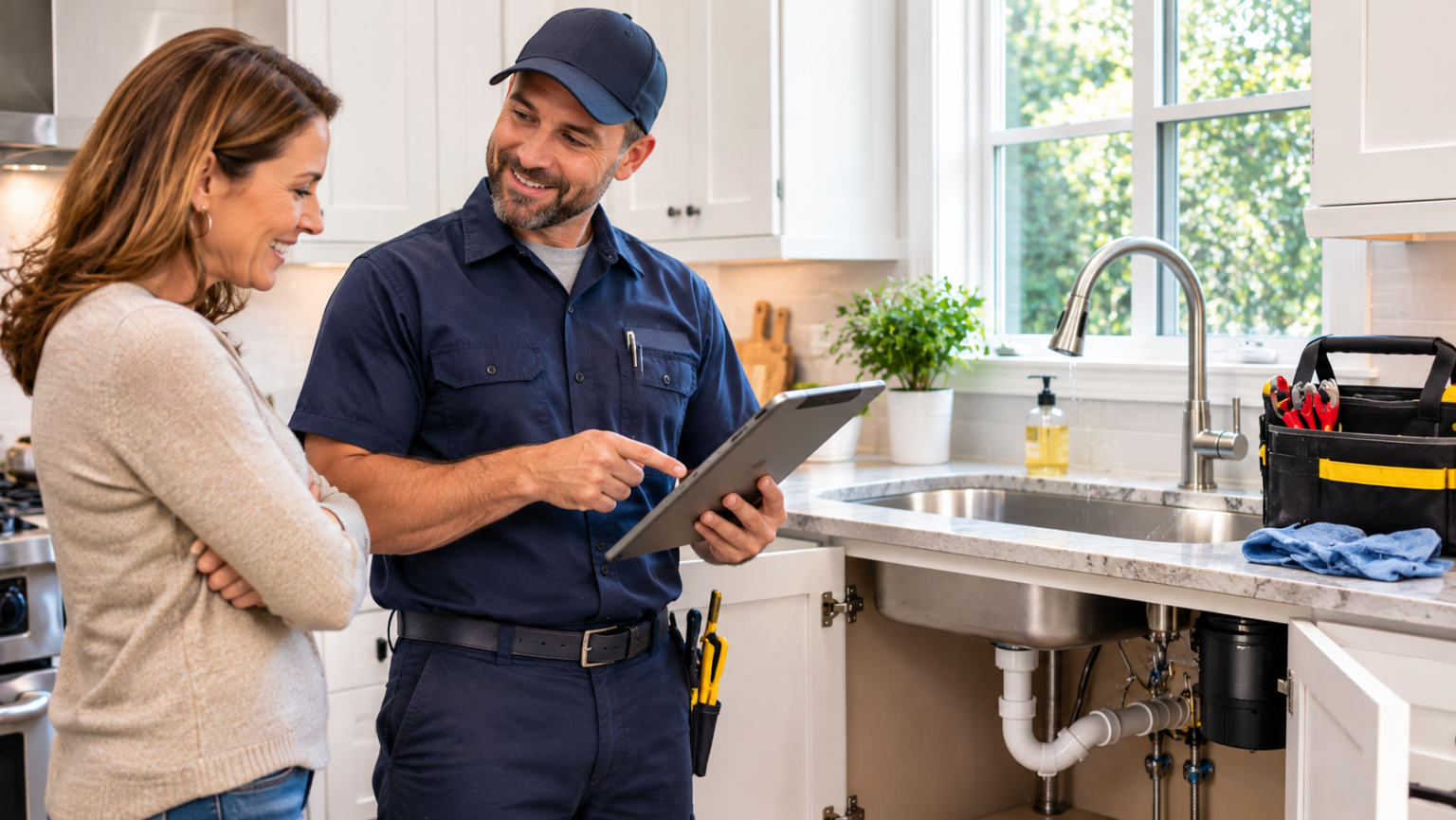
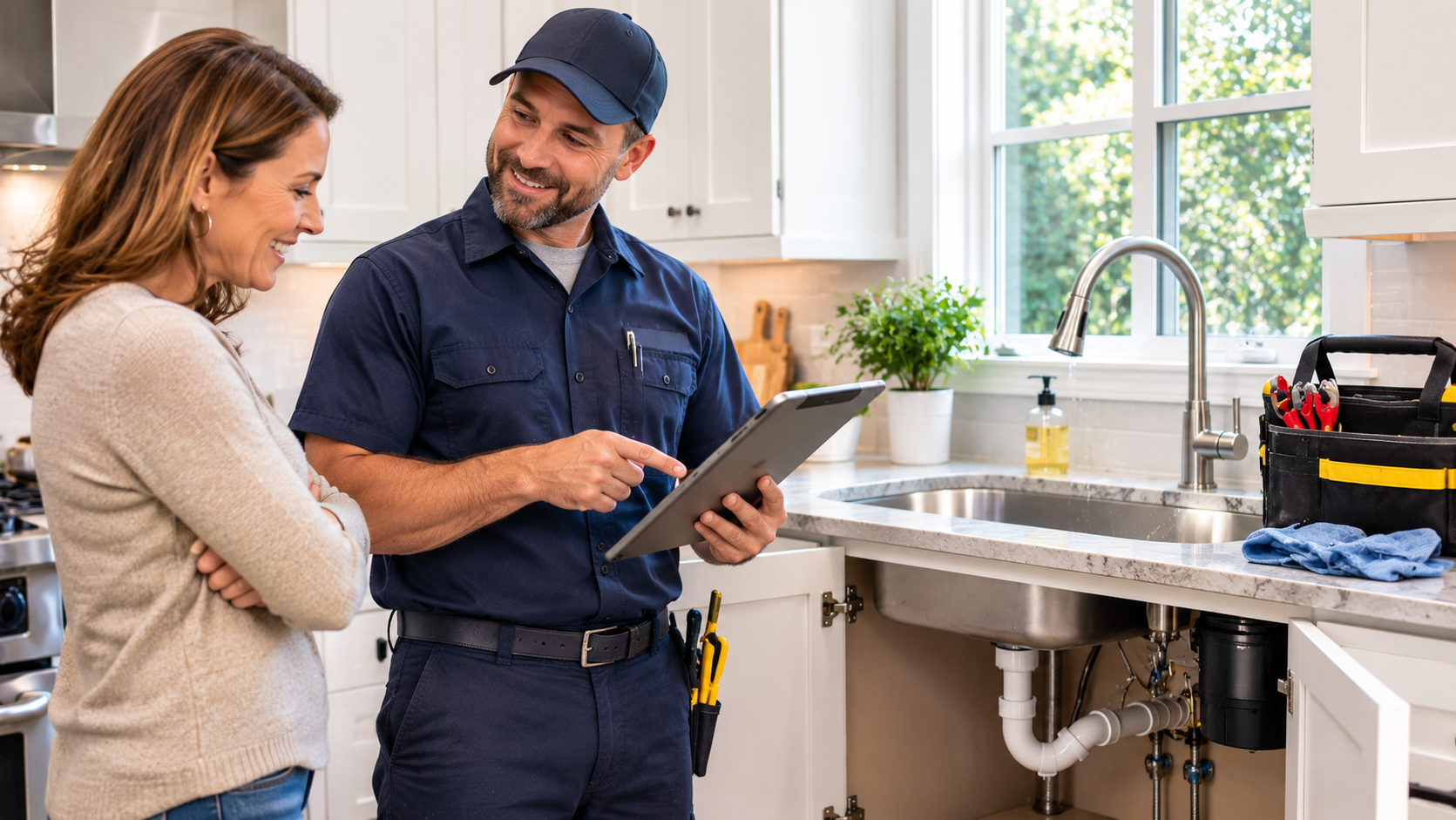
A plumber’s communication style can tell you a great deal about how the project may proceed. Clear explanations, timely responses, and respectful treatment of your property are important signs of professionalism.
A major factor in How to Determine If a Plumber Is Reliable Enough to Hire is whether the contractor listens carefully to your concerns and answers questions without unnecessary pressure.
Expect Clear Explanations
A trustworthy professional should explain the suspected problem, the proposed repair, and any important alternatives in language you can understand.
They should also describe potential disruption, such as temporary water shutoffs, access to walls, or delays while waiting for replacement parts.
Notice How the Company Handles Questions
Be cautious if a plumber refuses to explain charges, dismisses reasonable concerns, or insists that an expensive repair must be approved immediately without a clear justification.
The communication principle behind How to Determine If a Plumber Is Reliable Enough to Hire is simple: homeowners should understand what they are purchasing and why the work is necessary.
Respect for Your Property Matters
Professional technicians should take reasonable steps to protect flooring, keep work areas organized, and remove appropriate waste after completing repairs. Confirm cleanup responsibilities before work begins.
7. Review Contracts, Payment Terms, and Warranties
A written agreement protects both homeowners and contractors by recording what has been authorized.
Before signing, check that the document identifies the company, the work being performed, expected materials, payment terms, and applicable warranty arrangements.
How to Determine If a Plumber Is Reliable Enough to Hire includes reviewing these details before the technician starts a substantial repair, rather than trying to resolve disagreements afterward.
Understand Deposits and Payment Schedules
Payment expectations vary with the project and local law. A small repair may be paid for upon completion, while extensive work may require agreed progress payments.
Avoid paying the entire price upfront without a compelling, properly documented reason. The FTC warns that unusually large upfront demands and high-pressure financing arrangements can be signs of home-improvement scams. Consumer Advice
Clarify Warranty Coverage
Ask whether labor and installed parts are covered, for how long, and how you request warranty service.
A manufacturer warranty may cover a defective component without paying for all associated labor. These distinctions should be explained.
How to Determine If a Plumber Is Reliable Enough to Hire also means keeping copies of estimates, approved change orders, invoices, and warranty information.
8. Check Emergency Availability and Recognize Warning Signs
A reliable plumber for routine maintenance may not offer round-the-clock emergency service. If you want a contact for urgent problems, confirm availability, coverage area, dispatch procedures, and after-hours charges before an emergency occurs.
Knowing How to Determine If a Plumber Is Reliable Enough to Hire is especially valuable when a burst pipe or sewage backup creates pressure to hire the first available contractor.
Recognize Potential Red Flags
Be cautious of someone who refuses to provide required license details, demands cash-only payment, gives inconsistent business information, or pressures you to authorize costly work without an understandable explanation.
A very low advertised fee that expands into unexplained charges also warrants scrutiny. Not every higher final price is fraudulent, but changes should be supported by findings and properly authorized.
Handle Genuine Emergencies First
For a burst water line, shut off the supply if it is safe to do so. Keep clear of standing water near electrical equipment. For sewage backup, stop using affected fixtures and avoid exposure.
If you suspect a gas leak, leave the area immediately and contact the gas utility or emergency services from a safe location. Do not operate switches, attempt repairs, or wait for an ordinary plumbing appointment.
A final lesson in How to Determine If a Plumber Is Reliable Enough to Hire is distinguishing urgent safety action from unnecessary sales pressure. Immediate danger may require emergency responders before a repair contractor.
A Practical Checklist Before Making Your Decision
| What to verify | What a dependable contractor should provide |
|---|---|
| Licensing | Verifiable credentials appropriate to the work |
| Insurance | Relevant proof of current coverage |
| Experience | Examples of similar plumbing projects |
| Reputation | References and consistent customer feedback |
| Estimate | Clear scope, materials, charges, and exclusions |
| Communication | Understandable explanations and realistic expectations |
| Contract | Written terms, payment arrangements, and changes |
| Warranty | Specific coverage and a service contact |
| Emergency support | Accurate availability and after-hours fees |
Use this checklist alongside your state’s consumer protection and plumbing licensing resources. No single review, license, or company claim can guarantee excellent service, but several independent checks can significantly improve your decision.
Frequently Asked Questions
How do I check whether a plumber is licensed?
Search the official plumbing licensing authority or applicable state or local government database. Confirm the license is current and appropriate for the proposed work.
Should a plumber have liability insurance?
Appropriate liability coverage is an important protection. Ask for proof and confirm any workers’ compensation requirements that apply in your jurisdiction.
Is it better to hire a local plumbing company?
A local company may offer convenient scheduling and knowledge of local codes, but location alone does not establish reliability. Verify qualifications, reputation, and service terms.
How many plumbing estimates should I get?
For planned projects, comparing approximately three written estimates is a sensible approach. Emergency work may require faster decisions, but pricing and credentials should still be checked when possible.
Should I pay the full plumbing bill before work begins?
Be cautious about full upfront payment. Review the proposed payment schedule, applicable state requirements, and the amount of work or materials involved.
What should I do if a plumber’s work fails?
Document the issue, contact the company using its stated warranty process, and allow an appropriate opportunity for resolution when safe. For serious problems or unresolved disputes, consider your local licensing board, consumer protection agency, or legal advice.
Conclusion
Choosing a plumber requires more than comparing advertisements and hourly rates. Credentials, insurance, relevant experience, credible references, detailed estimates, clear communication, and written service terms all contribute to a more informed hiring decision.
Ultimately, How to Determine If a Plumber Is Reliable Enough to Hire is about confirming that the professional can perform the necessary work lawfully, competently, and transparently. A careful screening process cannot eliminate every repair problem, but it can help homeowners avoid preventable expenses and choose contractors with greater confidence.

Written by Twastia Editorial Team
Twastia Editorial Team shares practical insights about website design, SEO services, Google Ads, content marketing, social media, conversion rate optimization, and digital marketing strategy.
Last updated: Nov 6, 2026
Related posts from Twastia
Explore more useful articles from twastia.com about digital marketing, SEO, websites, ads, content, and growth strategy.