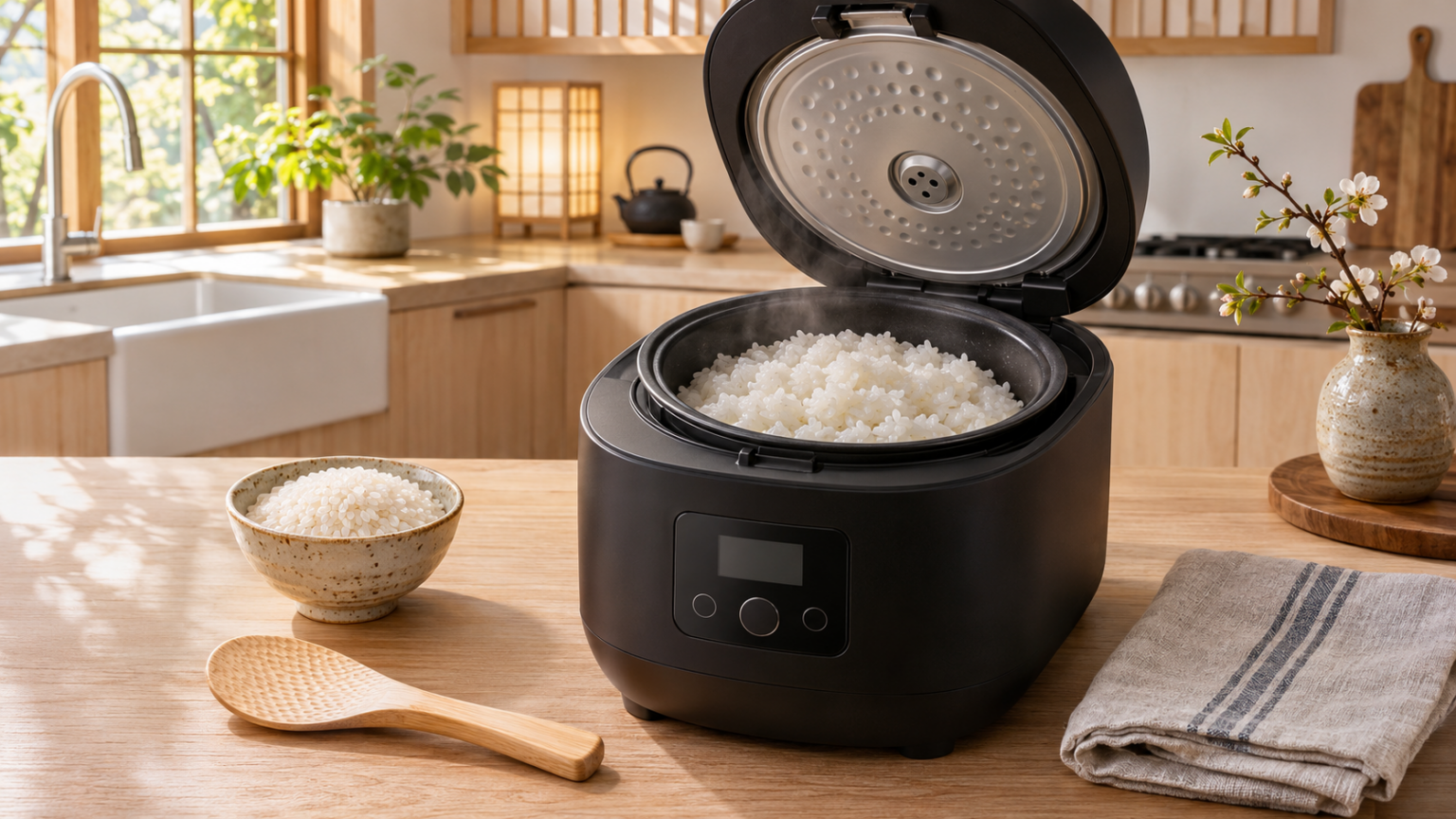
How to Choose a Rice Cooker as a Sushi Lover: Best Buying Guide
Great sushi starts long before you roll the first piece of nori. The rice must be tender, lightly sticky, evenly […]
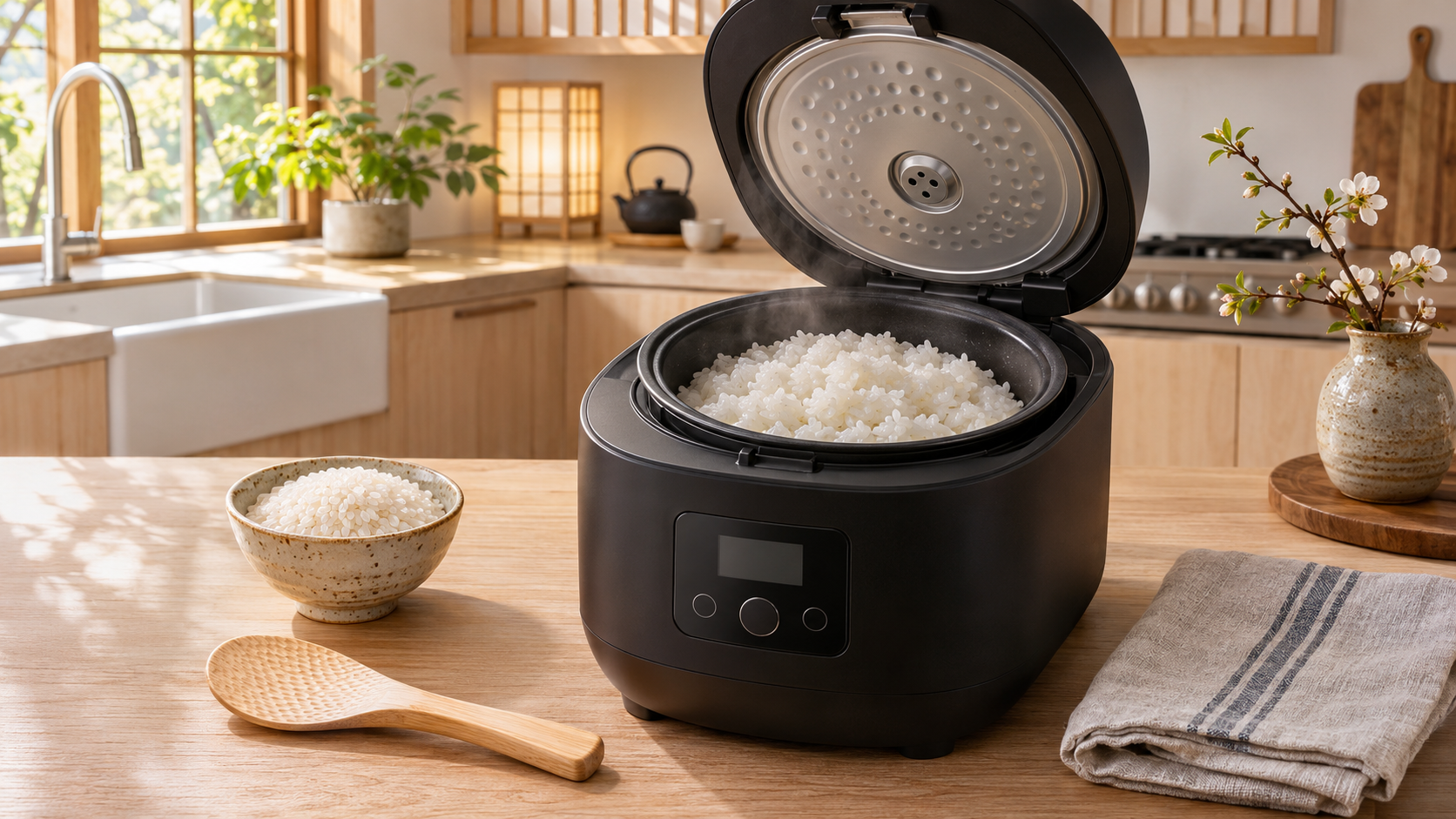
Great sushi starts long before you roll the first piece of nori. The rice must be tender, lightly sticky, evenly cooked, and firm enough to hold its shape. If you are researching How to Choose a Rice Cooker as a Sushi Lover, focus on the machine’s ability to prepare Japanese short-grain rice consistently, not simply its number of buttons.
An expensive appliance is not essential for enjoyable homemade sushi. However, the right capacity, clear water markings, reliable cooking controls, and straightforward cleaning can make the process easier. Understanding How to Choose a Rice Cooker as a Sushi Lover will help you distinguish useful features from impressive-sounding extras.
Understand What Makes Sushi Rice Different
Sushi uses seasoned rice, traditionally prepared with vinegar, sugar, and salt after cooking. Japanese short-grain white rice is popular because its cooked grains cling together while retaining a pleasant texture. Some medium-grain varieties also work, whereas long-grain rice tends to separate more readily. USA Rice explains these differences in grain behavior. usarice.com
The first rule of How to Choose a Rice Cooker as a Sushi Lover is to match the appliance to the rice you actually intend to use. A cooker that reliably prepares short-grain white rice may serve you better than one with many specialized programs you never need.
Look for Separate, Tender Grains That Hold Together
Good sushi rice should not resemble watery porridge or a dry pilaf. The grains need enough moisture to be shaped into rolls or nigiri without collapsing into paste. Rinsing, measuring, cooking, resting, and seasoning all influence that result.
Remember That Seasoning Comes After Cooking
A sushi menu setting cooks the rice; it does not usually add the characteristic vinegar seasoning. Zojirushi and Tiger both demonstrate mixing the seasoning separately and folding it into the hot cooked rice. Keep this distinction in mind when advertising promises restaurant-quality sushi at the press of a button. Zojirushi Online Store+1
Decide Whether a Dedicated Sushi Setting Matters
Some digital rice cookers offer a labeled sushi program or a special sushi water line. For example, select Zojirushi models use a sushi menu and water markings, while Tiger offers models with a sushi setting designed for the texture used in hand-rolled sushi. Other Tiger recipes use an ordinary plain-white-rice cycle successfully. Tiger-Corporation+1
When deciding How to Choose a Rice Cooker as a Sushi Lover, consider a dedicated program a convenience, not an absolute requirement. Consistent water measurement and a suitable white-rice cycle can be enough for excellent results.
Basic One-Switch Models
Entry-level cookers usually provide a cooking function followed by warming. They can be suitable for occasional sushi nights, but may require experimentation to achieve your preferred texture. Look for an appropriately sized inner pot and understandable instructions rather than assuming the simplest model cannot cook Japanese rice.
Micom and Fuzzy-Logic Cookers
Microcomputer-controlled, or micom, appliances adjust their cooking process using programmed settings and sensor information. Many provide options for different rice types and textures. For someone exploring How to Choose a Rice Cooker as a Sushi Lover, a well-designed micom cooker can offer a worthwhile balance of consistency, functionality, and cost.
Induction Heating and Premium Models
Induction-heating rice cookers heat the compatible inner vessel differently from conventional base-heated models. Premium versions may include additional temperature control or pressure features. They can be attractive for frequent rice preparation, but price alone does not guarantee a flavor improvement you will notice. Prioritize the model’s documented settings and practical fit for your kitchen.
Select a Capacity That Matches Your Sushi Nights
Rice cooker capacities usually describe uncooked rice measured with the cup supplied by the manufacturer. Zojirushi notes that its measuring cup holds approximately 180 milliliters, around three-quarters of a standard U.S. cup. A product labeled five cups therefore does not necessarily mean five U.S. measuring cups. Zojirushi Online Store
Capacity is central to How to Choose a Rice Cooker as a Sushi Lover because sushi preparation often involves multiple rolls and guests. A cooker that is too small requires additional batches; an oversized cooker may not perform as intended with a tiny quantity.
Three-Cup Cookers for Smaller Households
A three-cup model can suit one or two people who make modest batches, depending on the manufacturer’s minimum cooking quantity. It also takes up less counter and storage space. Check whether the model can handle the exact batch size you prefer.
Five- or Five-and-a-Half-Cup Models for Families
This middle category is a practical starting point for people who prepare sushi with family or friends. Zojirushi describes 5.5-cup cookers as suitable for a family of four, though actual needs vary with portions and other dishes. If your sushi nights involve guests, check both minimum and maximum capacities.
Larger Models for Entertaining
A ten-cup cooker can serve bigger gatherings but occupies more space. For How to Choose a Rice Cooker as a Sushi Lover, buying the largest available capacity is not automatically smart. Confirm the minimum batch size and whether the lid and inner pot are convenient to handle.
Look Beyond the Cooking Menu
One often overlooked aspect of How to Choose a Rice Cooker as a Sushi Lover is the ease of everyday measuring. Water level markings inside the pot can simplify repeatable cooking. A clear display, accessible controls, and an audible completion signal may also make sushi preparation easier. A timer can be helpful for scheduling, although uncooked rice should never be left in water longer than the manufacturer safely recommends.
Assessing How to Choose a Rice Cooker as a Sushi Lover also means considering how the appliance behaves after its cooking cycle. Some switch automatically to keep-warm mode, which is convenient for ordinary rice meals but not a substitute for properly seasoning and managing sushi rice.
Choose an Inner Pot You Can Maintain
Look for a removable inner pot, a stable base, and a lid or steam vent that can be cleaned without difficulty. Nonstick coatings require appropriate utensils and care. Zojirushi advises that its rice cooker accessories are not dishwasher safe, illustrating why model-specific cleaning instructions matter. Zojirushi Online Store
Check Replacement Parts and Warranty Support
Another consideration in How to Choose a Rice Cooker as a Sushi Lover is whether the appliance can be maintained for years. A lost measuring cup or worn inner pot can make an otherwise functional cooker inconvenient. Check whether replacement parts, manuals, and authorized service are available in your country. Reliability and repairability may matter more over several years than an extra cooking preset.
Match the Appliance to Your Cooking Routine
If you make sushi once a month, a straightforward machine with dependable short-grain performance may meet your needs. If you cook Japanese rice daily, the convenience of micom controls, a useful timer, and a high-quality inner pot may justify additional spending.
A thoughtful approach to How to Choose a Rice Cooker as a Sushi Lover includes asking whether you also prepare brown rice, porridge, or other grains. Specialized settings can add value if you will genuinely use them, but do not assume a sushi program automatically produces excellent results for every grain variety.
Prepare Sushi Rice Correctly in Any Suitable Cooker
A practical lesson in How to Choose a Rice Cooker as a Sushi Lover is to follow the instructions for your exact model rather than using a universal water ratio. Measure the rice with the supplied cup, rinse according to the rice and appliance instructions, and add water to the correct level for the selected program. Zojirushi’s sushi recipe uses the sushi-specific water markings; Tiger’s recipe uses the plain-rice line and plain setting. Neither method should be applied blindly to a different appliance. Zojirushi Online Store+1
The next part of How to Choose a Rice Cooker as a Sushi Lover is recognizing that technique and equipment work together. After cooking, gently transfer the rice to a wide nonreactive bowl or a prepared wooden hangiri. Add the prepared vinegar mixture, fold carefully to avoid crushing grains, and let the rice cool appropriately for assembly.
Avoid Three Common Texture Problems
Mushy rice may result from excessive water, aggressive stirring, or an unsuitable program. Hard rice may indicate too little water or a mismatch between grain and setting. Uneven rice can reflect inaccurate measuring or a batch outside the cooker’s recommended limits. Change one variable at a time when troubleshooting.
Do a Simple Test Batch Before a Party
Prepare a modest amount using the same rice you intend to serve. Record the rice type, program, water line, and result. Repeat with one adjustment if necessary. This method reveals more than promotional claims about perfect rice.
Know the Food-Safety Limits
Cooked rice can be associated with Bacillus cereus if improperly held at room temperature. FoodSafety.gov advises keeping food hot above 140°F (60°C) or cold at 40°F (4°C) or below when stored longer than two hours, and cooling cooked food promptly in shallow containers. FoodSafety.gov
Food safety deserves attention in How to Choose a Rice Cooker as a Sushi Lover because sushi rice is often spread, seasoned, and handled before serving. Do not assume adding vinegar makes homemade rice automatically shelf-stable. Specialized commercial acidification procedures are different from casually seasoning rice at home.
Use Keep-Warm Functions Appropriately
A keep-warm setting can help maintain plain rice under conditions specified by the manufacturer, but it does not eliminate the need to follow food-safety guidance. Avoid leaving seasoned sushi rice unattended at room temperature for extended periods. Plan to prepare and serve it promptly, and refrigerate leftovers safely.
Compare Value Rather Than Marketing Claims
For buyers weighing How to Choose a Rice Cooker as a Sushi Lover, a clear budget avoids paying for unnecessary settings. Start with a budget, then shortlist appliances that handle your preferred grain and batch size. Compare the warranty, included cup, inner pot, cleaning steps, and available replacement parts. Reviews are most useful when they describe repeated cooking performance and long-term ownership rather than a single attractive meal.
The best answer to How to Choose a Rice Cooker as a Sushi Lover is rarely the most expensive model or the one with the longest feature list. Choose the appliance that gives you reproducible results with a level of effort and cost you are comfortable with.
Frequently Asked Questions
Do I need a special sushi rice cooker?
No. A reliable white-rice cooker can produce suitable Japanese short-grain rice when you follow its measuring and cooking directions. A dedicated sushi menu makes certain models more convenient but is not mandatory.
What size cooker should I buy for two people?
A three-cup model is often a practical starting point. When researching How to Choose a Rice Cooker as a Sushi Lover, check the minimum and maximum uncooked-rice capacities rather than relying only on the stated number of cups.
Is induction heating worth paying extra for?
It may be worthwhile if you prepare rice frequently and value the specific controls and build quality. For occasional sushi making, a good conventional or micom machine may provide everything you need.
Can I make sushi with long-grain rice?
Long-grain rice usually cooks into more separated grains, making it harder to shape traditional sushi. Japanese short-grain white rice, or an appropriate medium-grain variety, is generally a better choice.
Should I put sushi vinegar into the cooker?
Normally, no. Follow the manufacturer’s sushi recipe: cook the rice with water, then fold in the prepared vinegar seasoning afterward. Adding acidic seasoning directly to the inner pot may conflict with the appliance instructions.
Is it safe to leave sushi rice on the counter overnight?
No. Improperly held cooked rice can develop food-safety hazards. Serve prepared sushi rice promptly and use appropriate hot or cold holding methods rather than leaving it at room temperature overnight.
Conclusion
Making good sushi at home is more about consistent rice texture than expensive kitchen technology. Select a cooker that handles Japanese short-grain rice well, fits your normal batch size, and provides clear instructions and manageable cleaning. A dedicated sushi setting can help, but thoughtful measuring, gentle seasoning, and food-safe handling matter just as much.
Ultimately, How to Choose a Rice Cooker as a Sushi Lover comes down to matching the appliance to your habits. Start with the features that make your rice predictable, choose dependable construction over unnecessary extras, and enjoy the freedom to experiment with homemade sushi.

Written by Twastia Editorial Team
Twastia Editorial Team shares practical insights about website design, SEO services, Google Ads, content marketing, social media, conversion rate optimization, and digital marketing strategy.
Last updated: Nov 10, 2026
Related posts from Twastia
Explore more useful articles from twastia.com about digital marketing, SEO, websites, ads, content, and growth strategy.