Buying New Windows: Best Complete Guide for Homeowners
Windows do much more than provide a view of the outdoors. They influence natural lighting, indoor comfort, ventilation, energy consumption, […]
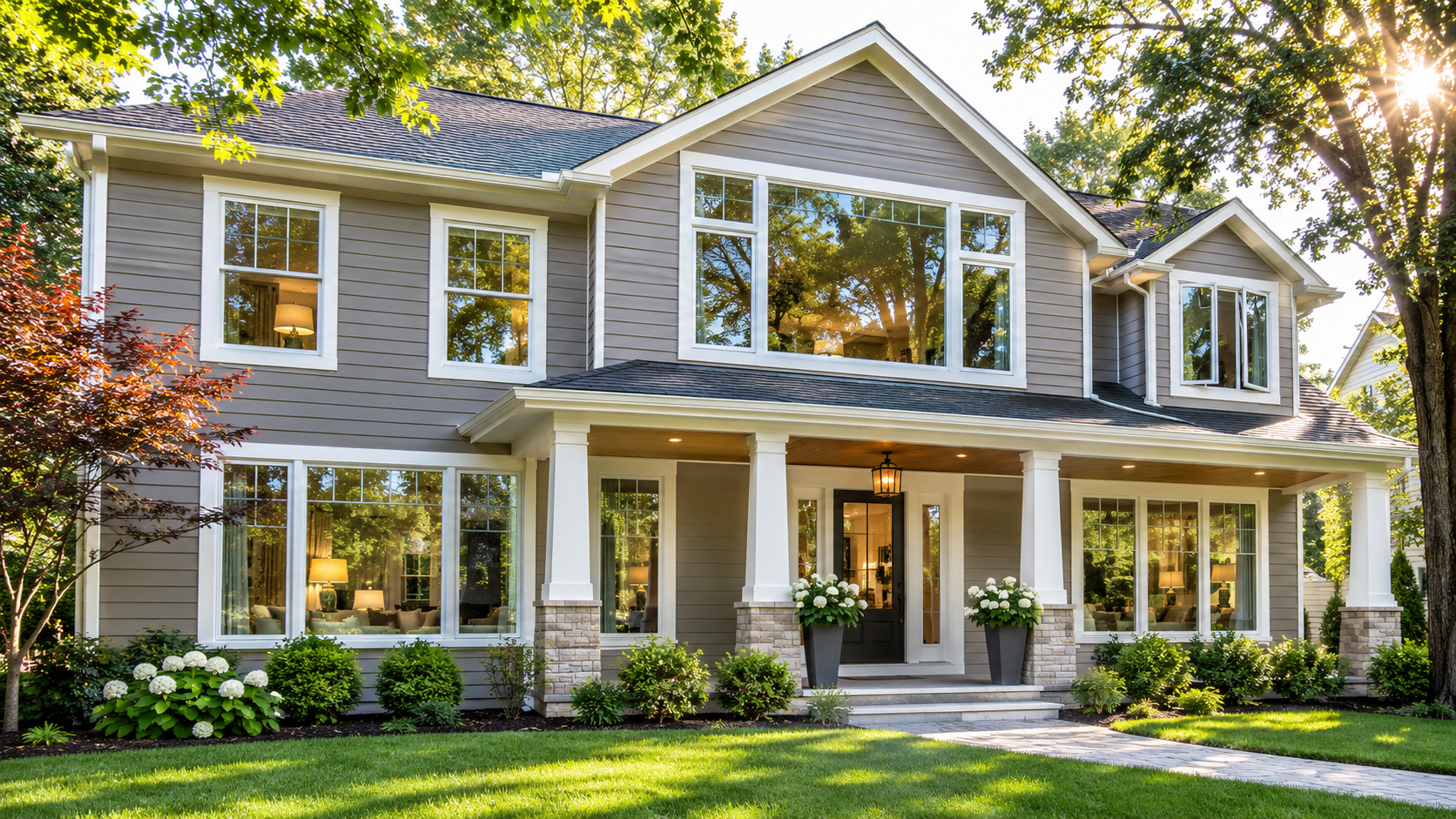
Windows do much more than provide a view of the outdoors. They influence natural lighting, indoor comfort, ventilation, energy consumption, exterior appearance, and the overall character of your home.
However, buying new windows is not always straightforward. Homeowners must compare frame materials, window styles, glass technologies, energy-efficiency ratings, installation methods, and warranty coverage.
Making the wrong decision can lead to uncomfortable rooms, unnecessary maintenance, and additional expenses.
Whether you are replacing damaged windows, renovating an older property, or upgrading your home’s appearance, understanding the available options will help you make a more informed investment.
This guide explains the essential considerations, common mistakes, and practical steps involved in selecting residential windows.
1. Determine Why Your Windows Need Replacing
Before visiting a showroom or contacting an installer, evaluate the condition of your existing windows.
Not every problem requires complete replacement.
In some situations, repairing damaged weatherstripping, adjusting hardware, or improving insulation may be sufficient.
One of the first considerations when buying new windows is identifying the problem you are trying to solve.
Look for Common Signs of Window Problems
Several issues may indicate that your existing windows need professional assessment:
- Persistent drafts around closed windows
- Difficulty opening or closing window sashes
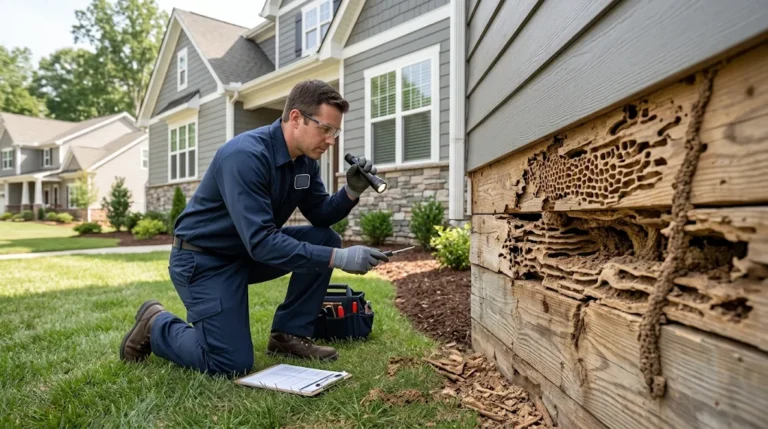
- Visible deterioration of frames or surrounding materials
- Condensation between panes of insulated glass
- Water intrusion around the window assembly
- Excessive outdoor noise
- Uncomfortable indoor temperatures near windows
Condensation between insulated glass panes often indicates failure of the sealed glazing unit.
However, condensation on the room-facing glass surface can also result from indoor humidity and surface temperature conditions.
Understanding the distinction can prevent unnecessary replacement.
Consider Repair Before Replacement
The U.S. Department of Energy explains that window improvements, including storm windows, can sometimes enhance the performance of existing windows without requiring complete replacement. ENERGY STAR
If your window frames remain structurally sound, repair or supplemental storm windows may be worth evaluating.
For buying new windows, replacement becomes more compelling when the existing units are significantly deteriorated, unsuitable for your needs, or uneconomical to repair.
2. Choose the Right Window Style
Window style affects ventilation, cleaning, appearance, and furniture placement.
Different designs offer distinct advantages, so the best choice depends on where the window will be installed.
Double-Hung Windows
Double-hung windows feature two movable sashes that typically slide vertically.
They are common in traditional American homes and can provide flexible ventilation.
Certain models include tilt-in sashes that make cleaning easier from inside.
These windows may be suitable for bedrooms, living rooms, and other everyday spaces.
Casement Windows
Casement windows usually open outward using a crank mechanism.
They can provide generous ventilation and are often selected for contemporary or transitional interiors.
Because the sash opens outward, consider nearby walkways, patios, and landscaping before installation.
Sliding Windows
Sliding windows open horizontally along a track.
Their straightforward operation makes them popular in certain modern residential layouts.
They can be useful where an outward-opening sash would interfere with the surrounding space.
Picture Windows
Picture windows are fixed and do not open.
They are designed primarily to provide natural light and unobstructed views.
Because they lack an operable sash, they cannot provide ventilation independently.
When buying new windows, consider combining fixed picture windows with nearby operable units to balance daylight and airflow.
Bay and Bow Windows
Bay and bow windows extend outward from the main wall.
They can create architectural interest and potentially provide additional interior space.
However, installation may involve structural considerations, additional weatherproofing, and greater expense.
3. Understand Window Frame Materials
Frame materials influence durability, maintenance, appearance, and thermal performance.
No single material is ideal for every household.
Comparing frame options is an important part of buying new windows, particularly when planning to remain in the home for many years.
Vinyl Frames
Vinyl windows are popular because they generally require limited routine maintenance.
They are available in different styles and colors, although painting options may be restricted by the manufacturer.
Quality varies, so compare construction, weatherstripping, hardware, and warranties rather than focusing solely on material.
Wood Frames
Wood provides a traditional appearance and can complement historic or high-end homes.
However, exposed wood usually requires periodic maintenance to protect it from moisture and weathering.
Some products combine wood interiors with protective exterior cladding.
Fiberglass Frames
Fiberglass frames are often marketed for dimensional stability, durability, and relatively low maintenance.
They may cost more than some basic vinyl alternatives.
Compare the complete window assembly because energy performance depends on more than the frame material alone.
Aluminum Frames
Aluminum offers strength and a relatively slim profile.
However, standard aluminum conducts heat readily, making thermal breaks and the overall window design important considerations.
For homeowners buying new windows, the best material is the one that fits the climate, architectural style, maintenance expectations, and available budget.
4. Compare Energy-Efficiency Ratings
Energy performance is one of the most important technical considerations in modern window selection.
Poorly performing windows can contribute to heat loss during winter and unwanted solar heat gain during summer.
ENERGY STAR recommends selecting windows based on local climate requirements rather than assuming that one specification works everywhere. ENERGY STAR
What Is U-Factor?
U-factor measures how readily heat passes through a window assembly.
A lower U-factor generally indicates better insulation.
In colder regions, choosing a window with an appropriately low U-factor can help reduce unwanted heat loss.
Understand Solar Heat Gain Coefficient
Solar Heat Gain Coefficient, or SHGC, measures the fraction of incoming solar radiation admitted through a window.
Lower SHGC values reduce solar heat gain.
This can be particularly valuable in hot climates where cooling demand is significant.
In colder climates, solar heat gain can sometimes contribute useful passive warmth, depending on orientation and shading.
When buying new windows, compare both U-factor and SHGC instead of concentrating on a single number.
Look for ENERGY STAR Certification
ENERGY STAR Version 7 window criteria became effective on October 23, 2023.
The certification requirements differ across Northern, North-Central, South-Central, and Southern climate zones. ENERGY STAR
Check whether the exact window model is certified for your location.
The presence of an energy-efficient glass coating alone does not mean the entire window qualifies.
5. Learn How to Read the NFRC Label
The National Fenestration Rating Council provides independent energy-performance ratings for window products.
These ratings help consumers compare different models using standardized measurements.
Understanding the NFRC label is especially useful when buying new windows because two products that look nearly identical can perform differently.
| Rating | What It Measures | General Buying Consideration |
|---|---|---|
| U-Factor | Heat transfer through the window | Lower generally means better insulation |
| SHGC | Solar heat admitted through the window | Lower reduces unwanted solar gain |
| Visible Transmittance | Amount of visible daylight transmitted | Higher generally allows more daylight |
| Air Leakage | Air passing through the window assembly | Lower means less leakage |
| Condensation Resistance | Resistance to interior surface condensation | Higher generally indicates greater resistance |
Some ratings are optional or may not appear on every label.
The Department of Energy recommends reviewing these values when comparing window products. Department of Energy+1
Compare the Entire Window
The performance of an individual glass pane is not necessarily the same as that of the complete installed window.
For buying new windows, request the ratings for the exact frame, glass package, and configuration being quoted.
6. Decide Between Double- and Triple-Pane Glass
Modern residential windows frequently use insulated glazing units containing two or three panes of glass.
The spaces between panes may contain air or insulating gases such as argon.
Additional panes can improve thermal performance, but benefits depend on the complete design.
Double-Pane Windows
Double-pane windows are widely used in residential construction.
Many provide a useful balance of thermal performance, affordability, and weight.
The precise performance depends on coatings, spacing, gas filling, and frame construction.
Triple-Pane Windows
Triple-pane windows may provide improved insulation and comfort in suitable applications.
However, they can be heavier and more expensive.
They are not automatically necessary in every climate.
For homeowners buying new windows, the appropriate choice depends on climate, installation conditions, and the performance difference between the actual products being considered.
Consider Low-E Glass Coatings
Low-emissivity, or low-E, coatings help manage radiant heat transfer.
Different low-E configurations are designed for different climate needs.
Ask whether the selected glazing package prioritizes insulation, solar control, or a balance of both.
7. Measure Openings and Plan Installation Carefully
Proper measurements are critical for window replacement.
A unit that does not fit the opening correctly may create installation difficulties or require additional work.
However, homeowners should not assume they need to provide the final manufacturing measurements themselves.
A qualified installation professional should verify the dimensions and condition of each opening before ordering.
Understand Replacement Methods
An insert or pocket replacement may retain suitable portions of the existing frame.
A full-frame replacement removes more of the existing assembly and may be appropriate when deterioration or water damage is present.
The correct method depends on the building’s condition and the desired result.
When buying new windows, ask installers to explain which method they recommend and why.
Installation Quality Matters
Even a high-performance window can disappoint if it is installed incorrectly.
Proper installation should address alignment, flashing, air sealing, drainage, and integration with the surrounding wall.
ENERGY STAR recommends checking that installed windows match the ordered products and testing that they open and close correctly before the installer leaves. ENERGY STAR
Special Considerations for Older Homes
Homes built before 1978 may contain lead-based paint.
The EPA’s Renovation, Repair and Painting Rule applies to many window replacement projects in covered pre-1978 properties.
Window replacement is specifically addressed by the rule, regardless of the amount of paint disturbed, unless an applicable exclusion or documented lead-free determination applies. US EPA
Choose properly qualified contractors and discuss lead-safe procedures before work begins.
8. Establish a Realistic Budget
Window prices can vary significantly depending on size, frame material, glazing, style, manufacturer, location, and installation complexity.
Large picture windows, specialty shapes, and extensive structural repairs may increase project costs.
There is no single reliable price that applies to every home.
For buying new windows, compare complete installed estimates rather than advertised product-only prices.
Ask for Detailed Written Estimates
A useful estimate should identify the window model, dimensions, frame materials, glass package, installation method, labor, disposal, finishing, and applicable fees.
Ask whether repairs to damaged framing or surrounding finishes are included.
ENERGY STAR encourages consumers to obtain multiple quotes and have contractors separate labor and material costs. ENERGY STAR
Consider Long-Term Value
Energy-efficient windows may reduce heating and cooling needs, depending on the previous windows, climate, installation, and household energy use.
However, savings are not guaranteed to repay the entire installation cost within a specific period.
Other potential benefits include improved comfort, reduced drafts, easier operation, and updated appearance.
9. Review Warranties and Contractor Credentials
A warranty can provide valuable protection, but coverage varies considerably.
Some warranties cover manufacturing defects in glass or frames, while labor coverage may be separate.
Before buying new windows, understand exactly what happens if a seal fails, a sash becomes defective, or installation-related water intrusion occurs.
Ask About Warranty Coverage
Review whether the agreement covers glass seals, hardware, frame components, finish deterioration, labor, and transferability to future owners.
Look for exclusions and requirements for maintenance or registration.
A long warranty duration is not meaningful if important problems are excluded.
Check the Installer’s Qualifications
Verify appropriate licensing where required, insurance, business history, and customer references.
Ask who will perform the installation and whether subcontractors will be involved.
Do not rely exclusively on online reviews.
Review written agreements carefully and avoid pressure to sign immediately.
Common Mistakes to Avoid
A frequent mistake is selecting windows primarily by appearance without reviewing performance ratings.
Another is assuming every replacement window automatically qualifies for ENERGY STAR certification.
Some homeowners also overlook installation methods, frame condition, and ongoing maintenance.
When buying new windows, avoid choosing solely on the lowest quotation.
A cheaper proposal may exclude disposal, exterior trim work, interior finishing, or necessary repairs.
Compare identical service scopes wherever possible.
Frequently Asked Questions
What is the best window material for a home?
There is no universal best material.
Vinyl, wood, fiberglass, and aluminum each offer different combinations of maintenance requirements, aesthetics, thermal performance, and cost.
Choose based on climate, budget, and the quality of the complete window assembly.
Are energy-efficient windows worth the investment?
They can improve comfort and reduce energy use, particularly when replacing poorly performing windows.
However, actual savings depend on climate, existing conditions, installation, and heating or cooling habits.
Should I replace all my windows at once?
Not necessarily.
Replacing several windows together may simplify scheduling and help maintain visual consistency, but individual replacement can make sense when only certain units are damaged.
How long does window installation take?
Installation time varies according to the number of windows, replacement method, accessibility, and any underlying damage.
Ask the installer for a project-specific schedule rather than relying on a universal estimate.
What is the difference between ENERGY STAR and NFRC?
NFRC provides standardized energy-performance ratings for window products.
ENERGY STAR uses qualifying performance criteria to identify products that meet requirements for particular climate zones.
Can I install replacement windows myself?
Some homeowners have the skills for limited replacement work, but mistakes involving flashing, sealing, structural openings, or lead-safe procedures can be costly or hazardous.
Professional installation is often appropriate, particularly for extensive projects.
Conclusion
Choosing the right residential windows requires balancing appearance, comfort, durability, energy efficiency, and total installation costs.
Start by evaluating the condition of your existing windows, then compare suitable styles, frame materials, glazing options, and verified energy-performance ratings.
Pay close attention to contractor qualifications and installation quality, because even excellent products depend on correct fitting and weatherproofing.
Ultimately, buying new windows should be approached as a long-term home improvement investment rather than a quick cosmetic upgrade.
With thoughtful research and clear written estimates, homeowners can select windows that complement their property and meet their everyday needs.

Written by Twastia Editorial Team
Twastia Editorial Team shares practical insights about website design, SEO services, Google Ads, content marketing, social media, conversion rate optimization, and digital marketing strategy.
Last updated: Nov 10, 2026
Related posts from Twastia
Explore more useful articles from twastia.com about digital marketing, SEO, websites, ads, content, and growth strategy.