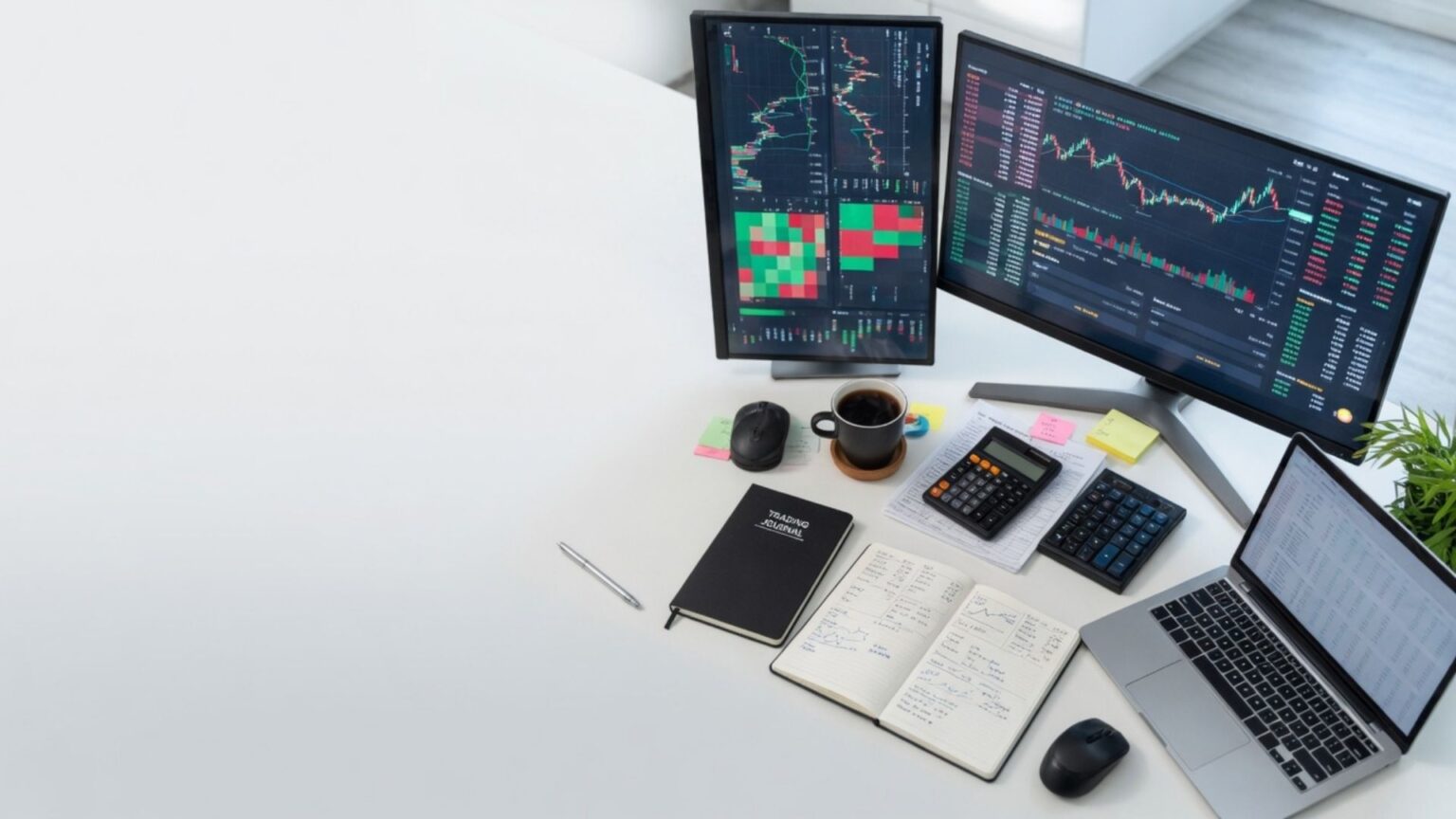
Trading Journal: 7 Powerful Habits to Improve Your Trading Performance
Successful trading requires more than finding good entry and exit points. Long-term improvement often comes from reviewing past decisions, identifying […]
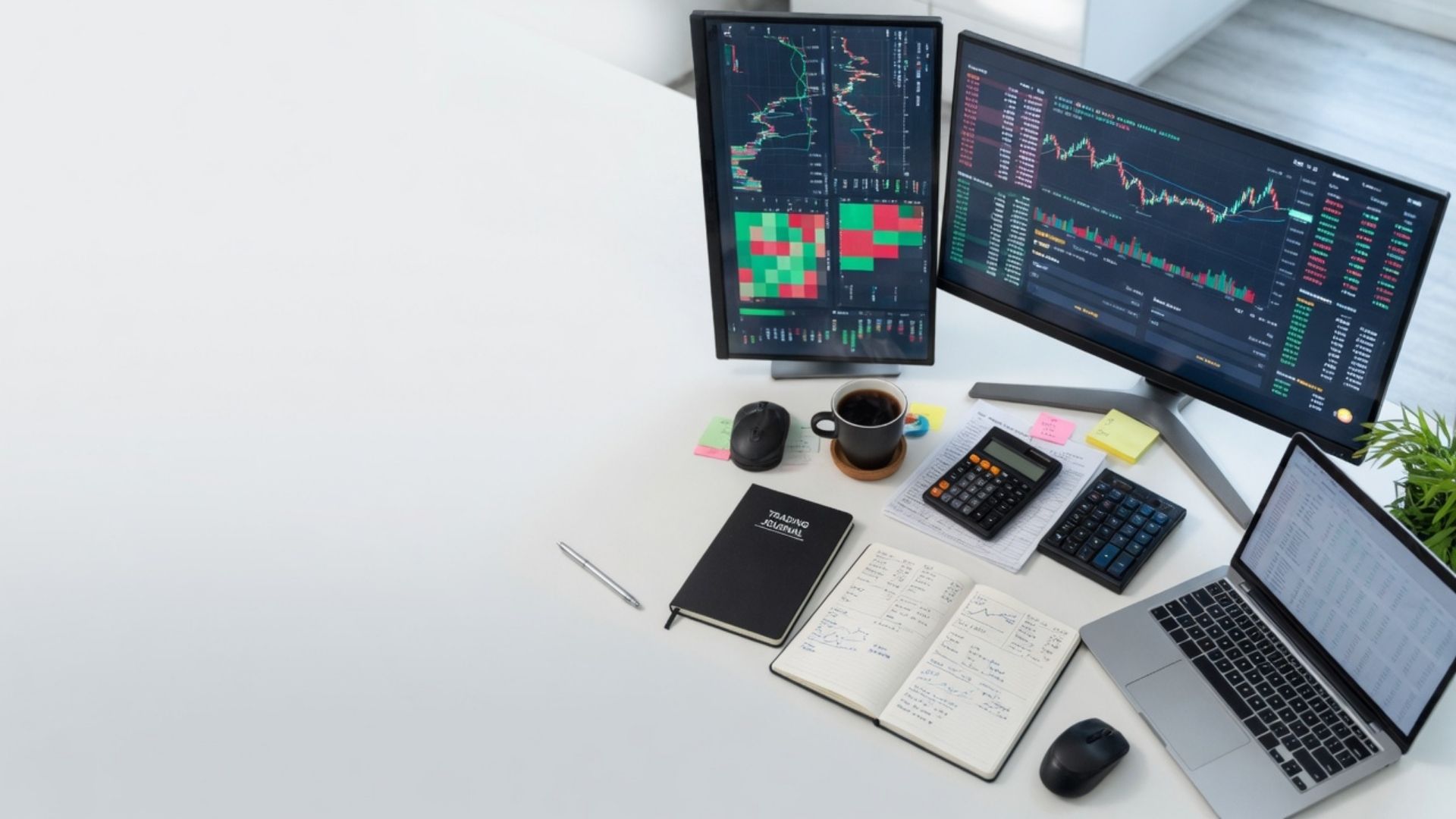
Successful trading requires more than finding good entry and exit points. Long-term improvement often comes from reviewing past decisions, identifying patterns, and learning from both winning and losing trades. This is where a trading journal becomes one of the most valuable tools for traders.
Whether you trade stocks, forex, cryptocurrencies, options, or commodities, keeping a detailed trading journal helps you understand your strengths, weaknesses, and overall performance. Instead of relying on memory, a journal creates an objective record that supports continuous improvement.
This guide explains what a trading journal is, why it matters, what information to record, and how to use it to become a more disciplined trader.
What Is a Trading Journal?
A trading journal is a structured record of every trade you make. It includes important details about your trading decisions, market conditions, strategy, and results.
Unlike a brokerage statement that simply lists transactions, a trading journal captures the reasoning behind each trade.
A typical journal may include:
- Trade date
- Financial instrument
- Entry price
- Exit price
- Position size
- Profit or loss
- Trading strategy
- Market conditions
- Risk level
- Personal observations
These records help traders evaluate performance over time.
Why Keeping a Trading Journal Matters
Many traders focus only on profits and losses. However, understanding why a trade succeeded or failed is often more valuable than the result itself.
A trading journal helps you:
- Identify successful strategies
- Reduce emotional decision-making
- Improve discipline
- Monitor risk management
- Track long-term performance
- Build trading consistency
Over time, these insights can help refine your trading process.
How a Trading Journal Improves Decision-Making
Reviewing previous trades allows traders to identify habits that may otherwise go unnoticed.
For example, you may discover:
- Better results during certain market conditions
- Consistent mistakes after emotional trades
- Stronger performance with specific strategies
- Poor risk management during volatile markets
Recognizing these patterns supports more informed decisions in future trades.
What to Include in a Trading Journal
The more useful information you record, the more valuable your journal becomes.
Basic Trade Information
Every entry should include:
- Date
- Asset traded
- Market
- Entry price
- Exit price
- Position size
- Trade direction (buy or sell)
These details create the foundation of your trading history.
Trading Strategy
Record the strategy used for each trade.
Examples include:
- Breakout trading
- Trend following
- Swing trading
- Scalping
- Momentum trading
- Support and resistance
Tracking strategies helps identify which approaches perform best.
Risk Management
Risk management is one of the most important parts of trading.
Include information such as:
- Stop-loss level
- Take-profit target
- Risk-to-reward ratio
- Percentage of capital at risk
This data helps evaluate whether your trading plan is being followed consistently.
Market Conditions
Market behavior often influences trading outcomes.
Record observations about:
- Market trend
- Volatility
- Economic news
- Earnings announcements
- Major market events
Context helps explain why certain trades performed differently.
Emotional State
Many trading mistakes are caused by emotions rather than market analysis.
Consider recording how you felt before and after each trade.
Examples include:
- Confident
- Patient
- Nervous
- Frustrated
- Overconfident
- Fearful
Tracking emotions may help reduce impulsive decisions.
Digital vs. Paper Trading Journals
Both formats can be effective.
Paper Journals
Many traders prefer handwritten journals because writing encourages reflection.
Advantages include:
- Simple to use
- No software required
- Encourages thoughtful review
Digital Journals
Digital journals often provide:
- Automatic calculations
- Performance charts
- Searchable records
- Data filtering
- Cloud storage
Some traders also use spreadsheets or specialized trading journal software.
The best option depends on your personal workflow.
Common Mistakes Traders Make
Keeping a journal only works if it is used consistently.
Avoid these common mistakes:
Recording Only Losing Trades
Winning trades also provide valuable lessons.
Analyze successful trades just as carefully.
Skipping Emotional Notes
Ignoring emotional factors makes it harder to identify behavioral patterns.
Inconsistent Updates
Waiting several days before recording trades increases the risk of forgetting important details.
Update your journal as soon as possible after each trade.
Focusing Only on Profit
A profitable trade that ignored your trading plan may not represent good trading discipline.
Evaluate the quality of the decision, not just the financial result.
Reviewing Your Trading Journal
Recording information is only the first step.
Regular reviews help transform data into useful insights.
Review questions may include:
- Which strategy performs best?
- Are losses concentrated in specific market conditions?
- Am I following my trading plan?
- Are emotional decisions affecting results?
- Is my risk management consistent?
Monthly or quarterly reviews often provide valuable long-term perspectives.
Benefits of Using a Trading Journal
Traders who maintain detailed records often gain several advantages.
These include:
Better Discipline
Recording every decision encourages greater accountability.
Improved Risk Management
Regular reviews help identify whether position sizing and stop-loss rules are being followed.
Strategy Optimization
Performance data helps identify strategies that consistently perform well.
Continuous Learning
Every trade becomes an opportunity to improve future decision-making.
Best Practices for Maintaining a Trading Journal
To get the most value from your journal:
- Record every trade.
- Be honest about mistakes.
- Include screenshots of charts when possible.
- Track emotional decisions.
- Review entries regularly.
- Compare strategy performance.
- Update your journal consistently.
- Focus on long-term improvement rather than individual trades.
Consistency is more important than perfection.
Frequently Asked Questions
What is a trading journal?
A trading journal is a record of your trades, including entry and exit points, strategy, market conditions, risk management, and personal observations.
Why is a trading journal important?
It helps traders evaluate performance, improve discipline, identify successful strategies, and reduce emotional decision-making.
Can beginners benefit from a trading journal?
Yes. Beginners often improve faster by reviewing their trades and learning from both successes and mistakes.
Should I use a spreadsheet or notebook?
Both can work well. Some traders prefer handwritten journals, while others use spreadsheets or specialized trading journal software.
How often should I review my journal?
Many traders review their journal weekly or monthly to identify trends and improve their trading plan.
Does a trading journal guarantee better results?
No. A trading journal supports analysis and learning, but successful trading also depends on strategy, discipline, market conditions, and effective risk management.
Conclusion
A trading journal is one of the most effective tools for developing consistency and improving trading performance over time. By recording each trade, documenting your reasoning, monitoring emotions, and reviewing results regularly, you can identify strengths, correct weaknesses, and make more informed decisions. While no journal can eliminate market risk or guarantee profits, maintaining detailed records encourages discipline, supports continuous learning, and helps traders build a more structured approach to the financial markets.

Written by Twastia Editorial Team
Twastia Editorial Team shares practical insights about website design, SEO services, Google Ads, content marketing, social media, conversion rate optimization, and digital marketing strategy.
Last updated: Jul 29, 2026
Related posts from Twastia
Explore more useful articles from twastia.com about digital marketing, SEO, websites, ads, content, and growth strategy.