Essential SPCX.NAS Stock: 5 Proven Trading Steps
Navigating the NASDAQ exchange requires intense focus and strategic precision. Thousands of tickers compete for your capital daily. Therefore, identifying […]
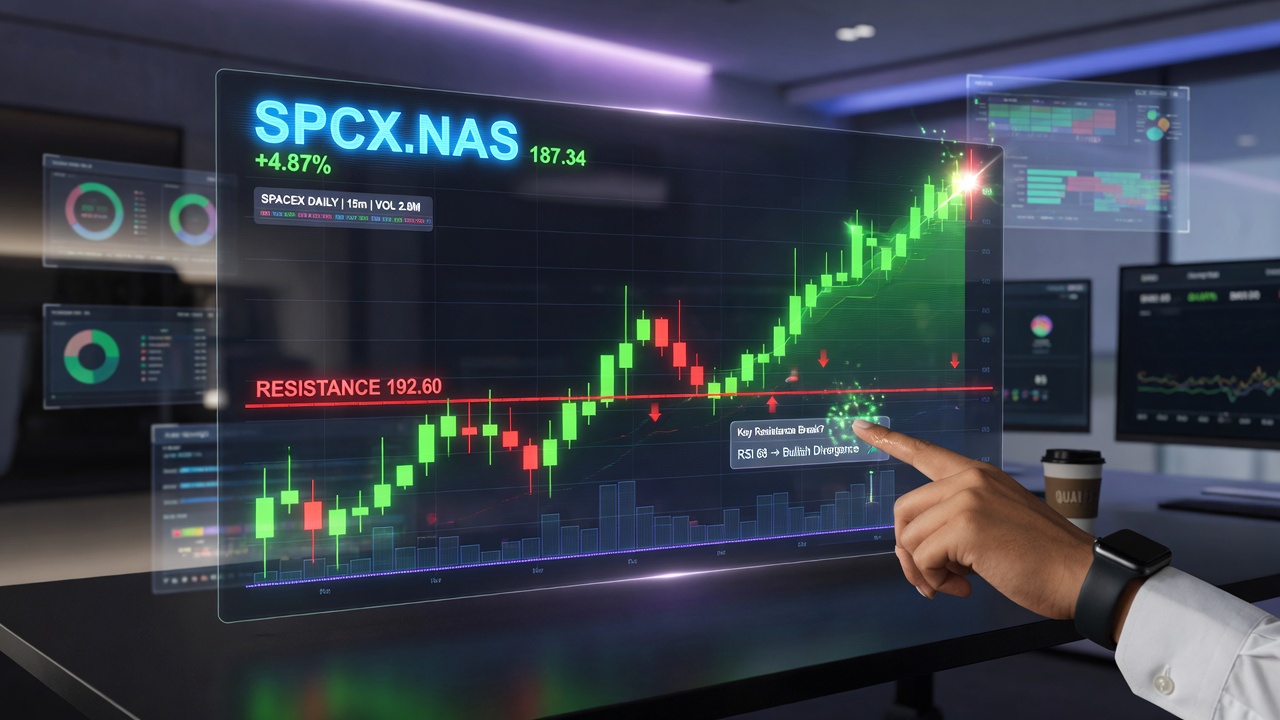
Navigating the NASDAQ exchange requires intense focus and strategic precision. Thousands of tickers compete for your capital daily. Therefore, identifying unique opportunities demands rigorous analysis. This is exactly why evaluating SPCX.NAS holds incredible potential for astute investors. This specific asset operates within the dynamic Special Purpose Acquisition Company (SPAC) space. Consequently, it offers a distinct blend of downside protection and outsized upside potential. However, trading SPACs requires a completely different methodology than traditional equity investing. In this comprehensive guide, we will explore the five proven steps to analyze and trade this asset effectively. Ultimately, understanding these mechanics helps you maximize returns while strictly managing risk.
The Critical Need for Strategic SPCX.NAS Analysis
First, you must understand the unique structure of blank check companies. Traditional stocks represent ongoing business operations with historical revenue. Conversely, a SPAC is essentially a shell company holding cash in trust. Therefore, its value derives entirely from its pending merger target. Ignoring this fundamental difference leads to disastrous investment decisions. You must analyze the management team and their acquisition strategy meticulously. Consequently, you avoid throwing capital at a mediocre deal. Ultimately, thorough research separates profitable SPAC traders from gambling speculators.
Escaping the Trap of Speculative Hype
SPACs often generate massive social media hype before announcing a target. Retail traders blindly buy based on prominent sponsor reputations. However, exuberance frequently overshadows fundamental logic. Consequently, traders purchase shares at inflated premiums before a viable deal even exists. When the merger finally announces, the stock often sells off violently. Therefore, approaching SPCX.NAS with objective data prevents emotional buying. You must evaluate the trust value and sponsor incentives critically. As a result, you avoid becoming exit liquidity for institutional insiders. Ultimately, disciplined analysis protects your portfolio from devastating speculative crashes.
Understanding the Unique NASDAQ Listing Dynamics
The NASDAQ exchange hosts the majority of modern SPACs. It provides deep liquidity and institutional access. However, NASDAQ also enforces strict listing requirements and regulatory oversight. Therefore, SPCX.NAS must comply with rigorous financial reporting standards. This transparency provides investors with reliable regulatory filings. Furthermore, electronic trading on NASDAQ ensures rapid execution speeds. Consequently, you can enter and exit positions with minimal slippage. This agility proves critical when trading volatile SPAC life cycles. As a result, you capitalize on rapid price movements efficiently and safely.
5 Proven Steps to Evaluate SPCX.NAS
Trading blank check companies requires a systematic, step-by-step methodology. You cannot rely on traditional metrics like price-to-earnings ratios. Instead, you must evaluate the SPAC lifecycle stages specifically. These five proven steps guarantee a comprehensive investment analysis.
Step 1: Analyzing the SPCX.NAS Trust Value and Downside Floor
First, every SPAC holds its raised capital in a secure trust account. This trust typically values at ten dollars per share. Therefore, this establishes a rigid downside floor for the stock price. Before a merger closes, shares rarely drop significantly below this trust value. Consequently, investors enjoy immense capital protection during market downturns. However, you must verify the exact trust value in the latest SEC filings. Furthermore, watch for redemptions that drain the trust capital. As a result, you know your absolute maximum downside risk before investing. Ultimately, the trust value acts as a vital safety net for prudent traders.
Step 2: Evaluating the Target Acquisition Merger
Second, the entire SPAC thesis hinges on the quality of the target company. Therefore, you must scrutinize the announced merger partner relentlessly. Analyze their revenue growth, profit margins, and competitive landscape. Furthermore, investigate the pro forma financial projections provided in the investor presentations. SPAC sponsors notoriously present overly optimistic revenue forecasts. Consequently, you must discount these projections heavily to determine realistic valuations. If the target lacks a clear path to profitability, abandon the trade immediately. As a result, you only commit capital to high-quality, viable business combinations. Ultimately, the target’s fundamentals dictate your long-term success.
Step 3: Assessing SPCX.NAS Sponsor Incentives and Dilution
Third, SPAC sponsors receive massive equity incentives called promote shares. They acquire twenty percent of the company for virtually nothing. Therefore, this structure creates extreme share dilution for public investors. Furthermore, sponsors often structure lucrative side deals called private investment in public equity (PIPE). These mechanisms heavily favor institutional participants over retail traders. Consequently, you must calculate the total post-merger share count carefully. Understand exactly how much your ownership stake dilutes after the deal closes. As a result, you avoid overvaluing the enterprise based on pre-merger share counts. Ultimately, recognizing hidden dilution prevents severely miscalculating the stock’s true worth.
Step 4: Implementing Strict Risk Management for SPCX.NAS
Fourth, SPACs experience extreme volatility around key lifecycle events. Prices swing wildly on merger announcements, SEC filings, and redemption deadlines. Therefore, implementing strict risk management is absolutely paramount. Never allocate more than five percent of your portfolio to a single SPAC position. Furthermore, always set hard stop-loss orders slightly below the trust value. This protects your capital if the deal breaks or redemptions soar. Additionally, consider hedging your long position with put options during uncertain periods. Consequently, you survive inevitable market gyrations without suffering catastrophic losses. As a result, emotional discipline preserves your trading capital for future opportunities.
Step 5: Executing the Trade and Monitoring Redemptions
Finally, timing your entry and exit dictates your ultimate profitability. Therefore, wait for clear catalysts before deploying capital. Buying before a target announcement offers high risk and uncertain reward. Conversely, buying after a definitive merger announcement provides clearer analysis. Furthermore, you must monitor redemption rates closely as the vote approaches. High redemptions drain the trust cash and signal institutional distrust. If redemptions spike, exit your position immediately before the deal closes. Consequently, you avoid holding a severely underfunded public company. As a result, you lock in profits and sidestep devastating post-merger crashes. Ultimately, active trade management ensures you capture upside while escaping downside.
The Core Advantages of Trading SPCX.NAS
Despite the unique risks, blank check companies offer exceptional strategic benefits. They provide investment opportunities unavailable in the traditional IPO market. Therefore, understanding these advantages helps you appreciate their portfolio value.
Accessing Unique Private Equity Markets
Traditional IPOs heavily favor massive institutional funds. Retail investors rarely access high-growth private companies at the ground floor. However, SPACs democratize this process entirely. They allow public investors to buy into innovative startups before they hit the broader market. Furthermore, SPACs often target futuristic sectors like space exploration, clean energy, or fintech. Consequently, you gain early exposure to disruptive technologies with massive growth runways. As a result, your portfolio captures exponential returns if the target executes successfully. Ultimately, SPCX.NAS serves as a gateway to elite venture capital opportunities.
Capital Protection Through the Trust Account
The SPAC trust mechanism provides unparalleled downside protection. If the sponsor fails to find a suitable target, the SPAC liquidates. Consequently, all shareholder funds return from the trust account at the original price. Therefore, your maximum loss remains incredibly small compared to traditional stocks. This built-in safety feature allows traders to patiently await merger announcements without anxiety. Furthermore, you can potentially earn yield on the trust funds while waiting. As a result, SPACs offer an asymmetric risk-reward profile highly sought by professional traders. Ultimately, capital preservation remains the foundational advantage of the SPAC structure.
Common Mistakes to Avoid with SPCX.NAS
The SPAC market contains treacherous pitfalls for uninformed participants. Unwary traders frequently lose money through easily preventable errors. Therefore, recognizing these common mistakes protects your hard-earned capital.
Overlooking Post-Merger Dilution and PIPE Terms
The most frequent mistake involves ignoring the massive dilution mechanics. Traders calculate valuations using only the public float. However, they forget the sponsor promote and the PIPE shares. Consequently, the post-merger share count vastly exceeds their estimates. This hidden dilution immediately depresses the stock price after the deal closes. Therefore, you must read the definitive proxy statement meticulously. Calculate the total outstanding shares including all warrants and promote equity. As a result, you value the enterprise accurately and avoid overpaying. Ultimately, failing to account for dilution guarantees permanent capital impairment.
Missing Critical Redemption Deadlines
Another devastating error involves holding shares through high-redemption votes. Shareholders possess the right to redeem their shares for trust value before a merger. Therefore, institutional investors often redeem if they dislike the deal terms, taking the cash and selling their stock. If redemptions exceed expectations, the SPAC enters the merger severely underfunded. Consequently, the newly public company struggles to execute its business plan without capital. Therefore, always track the redemption deadline and vote results obsessively. If redemptions surge, sell your shares on the open market immediately. As a result, you escape the post-merger cash crunch that cripples operations. Ultimately, ignoring redemption trends destroys your investment thesis rapidly.
Integrating SPCX.NAS into a Diversified Portfolio
Prudent investors never concentrate their entire portfolio in speculative assets. Therefore, you must size your SPAC positions appropriately within your broader asset allocation. Balance your high-risk SPAC trades with stable, dividend-paying blue chips.
Balancing Risk and Upside Potential
SPACs provide incredible upside potential but carry significant execution risk. Therefore, they belong in the aggressive growth portion of your portfolio. Limit your total SPAC allocation to a small percentage of your net worth. Furthermore, diversify across multiple SPACs targeting different sectors. Never concentrate your capital in a single blank check company. Consequently, you survive individual deal failures without devastating portfolio drawdowns. As a result, your winners vastly outperform your losers over time. Ultimately, proper position sizing ensures long-term compounding despite inevitable setbacks.
Navigating the SPAC Lifecycle Stages
SPACs trade differently depending on their lifecycle stage. Pre-deal stocks hover near trust value with low volatility. However, rumor announcements cause massive speculative spikes. Conversely, post-merger stocks trade purely on fundamental business performance. Therefore, you must adapt your trading strategy for each distinct phase. Trade the rumor cycle quickly for short-term profits. Alternatively, invest in post-merger fundamentals for long-term growth. Consequently, flexible strategies maximize returns across the entire lifecycle. As a result, you extract value at every stage instead of holding blindly.
Macroeconomic Factors Affecting SPCX.NAS
SPACs do not operate in a vacuum. Broad macroeconomic forces heavily influence their performance and attractiveness. Therefore, monitoring these external factors provides vital context for your trades.
Rising Interest Rates and SPAC Competitiveness
When central banks raise interest rates, risk-free yields increase dramatically. Consequently, institutional capital flows out of speculative assets into safe treasury bonds. This exodus severely depresses SPAC pricing and dampens new issuance. Furthermore, higher rates make PIPE financing significantly more expensive for sponsors. Therefore, deals that succeed in low-rate environments often fail when money tightens. You must evaluate the current interest rate cycle before committing heavy capital. As a result, you avoid fighting powerful macroeconomic headwinds. Ultimately, monetary policy dictates the broader risk appetite for blank check companies.
SEC Regulatory Changes and Compliance
The Securities and Exchange Commission constantly scrutinizes the SPAC market. Regulators aim to protect retail investors from misleading projections and conflicts of interest. Therefore, new SEC rules frequently alter disclosure requirements and liability standards. For instance, recent proposals target unsafe forward-looking financial guidance. Consequently, heightened compliance costs burden smaller SPAC sponsors. However, stricter regulations ultimately improve market integrity and transparency. Therefore, monitor regulatory developments closely to anticipate structural market shifts. As a result, you adapt your due diligence process to meet evolving legal standards. Ultimately, regulatory clarity benefits disciplined, long-term investors immensely.
Choosing the Right Broker for NASDAQ Trading
Executing your SPAC strategy requires a capable, reliable brokerage partner. Not all platforms offer the same tools and access. Therefore, selecting the right broker significantly impacts your trading efficiency.
Accessing Warrants and Units
SPACs often issue units that include both common shares and warrants. Warrants provide long-term leverage to purchase additional shares at a fixed price. However, many discount brokers make trading warrants incredibly confusing or impossible. Therefore, you must choose a broker that seamlessly supports units and warrants on the NASDAQ. Furthermore, ensure your broker properly handles the automatic detachment of warrants. Consequently, you capture the full upside potential of your investment structure. As a result, you avoid missing out on valuable leverage opportunities. Ultimately, specialized platform features distinguish excellent SPAC brokers from basic ones.
Low Fees and Fast Execution Speeds
SPAC trading requires precise timing around volatile catalysts. Therefore, you need lightning-fast execution speeds without costly delays. Furthermore, high commission fees rapidly erode your profits on frequent trades. Choose a broker offering zero-commission equity trades and robust direct market access. Additionally, verify their NASDAQ routing efficiency to ensure optimal fill prices. Consequently, your orders execute instantly at the best available bid or ask. As a result, you retain maximum profit margin on every single transaction. Ultimately, technological superiority and low costs define a premium trading experience.
Conclusion
Navigating the complex NASDAQ landscape requires specialized knowledge and unwavering discipline. Therefore, approaching SPCX.NAS with a systematic strategy is absolutely essential. By following the five proven steps outlined in this guide, you confidently evaluate trust values, assess target quality, and manage severe dilution risks. Furthermore, strict risk management and active redemption monitoring protect your capital from devastating downside shocks. Ultimately, blank check companies offer incredible asymmetric opportunities for educated, diligent traders. Avoid common speculative traps, analyze the fundamentals rigorously, and integrate your positions wisely into a diversified portfolio. Embrace the SPAC lifecycle mechanics, and unlock the massive potential of this unique financial instrument.
Frequently Asked Questions (FAQs)
1. What is SPCX.NAS?
SPCX.NAS represents a Special Purpose Acquisition Company (SPAC) listed on the NASDAQ exchange, holding funds in trust to merge with a private target business.
2. What is the trust value of a SPAC?
The trust value is typically ten dollars per share, representing the cash held in escrow that provides a downside floor for investors before a merger closes.
3. What are SPAC warrants?
Warrants are derivative instruments giving the holder the right to purchase additional shares at a fixed price after the merger, offering long-term leverage.
4. Why do SPACs experience high dilution?
Dilution occurs because sponsors receive large promote shares for minimal cost, and PIPE investors often receive favorable terms, increasing the total share count.
5. What happens if a SPAC fails to merge?
If the sponsor cannot find a suitable target within the allotted timeframe, the SPAC liquidates and returns the trust cash to all public shareholders.
6. How do redemptions affect a SPAC?
High redemptions occur when shareholders vote against a deal and reclaim their trust cash, leaving the post-merger company severely underfunded and vulnerable.

Written by Twastia Editorial Team
Twastia Editorial Team shares practical insights about website design, SEO services, Google Ads, content marketing, social media, conversion rate optimization, and digital marketing strategy.
Last updated: Aug 4, 2026
Related posts from Twastia
Explore more useful articles from twastia.com about digital marketing, SEO, websites, ads, content, and growth strategy.