High-Quality, Organic Garlic Seeds: A Complete Guide to Growing Garlic at Home
Growing garlic at home is one of the most rewarding experiences for gardeners who enjoy fresh, flavorful ingredients. Garlic is […]
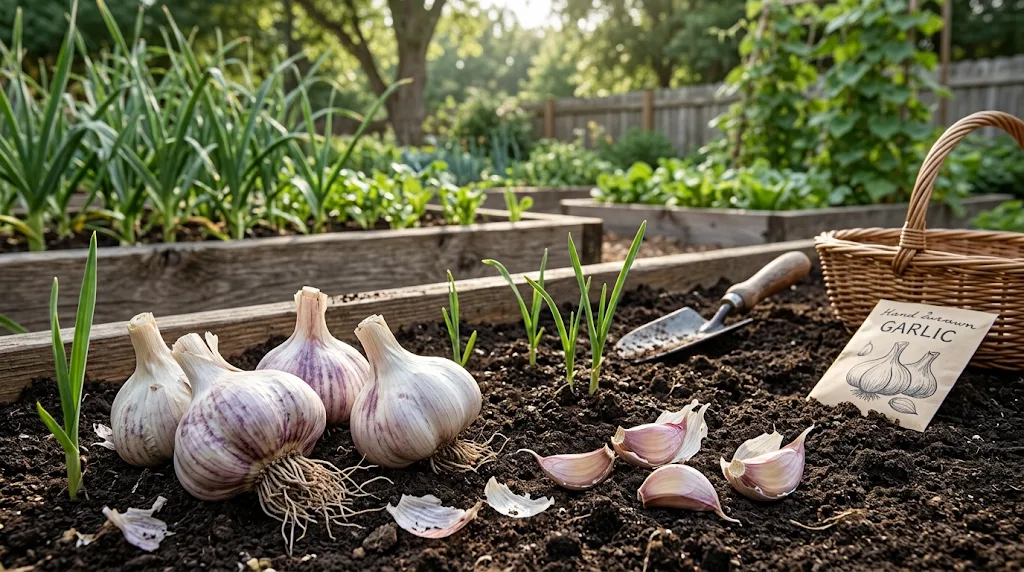
Growing garlic at home is one of the most rewarding experiences for gardeners who enjoy fresh, flavorful ingredients. Garlic is widely used in American kitchens, and cultivating your own supply allows you to explore different varieties while learning practical gardening skills.
Whether you have a backyard vegetable garden, raised beds, or a small dedicated growing area, garlic can be an excellent addition to your seasonal planting plans.
One of the most important steps toward a successful harvest is choosing high-quality, organic garlic seeds from a reliable supplier. Although commonly called seed garlic, the planting material is usually individual garlic cloves rather than traditional botanical seeds.
Healthy planting cloves, suitable soil, and proper seasonal timing contribute to strong plant development and productive bulbs.
For homeowners and gardening enthusiasts across the United States, understanding the basics of garlic cultivation can help make the process easier and more enjoyable.
This guide explores garlic varieties, organic planting practices, growing conditions, maintenance techniques, harvesting methods, and storage recommendations for home gardeners.
What Are Organic Garlic Seeds?
Organic garlic seeds generally refer to garlic bulbs or cloves intended for planting rather than immediate consumption.
Most gardeners grow garlic by separating mature bulbs into individual cloves and placing them in prepared soil.
Each healthy clove can develop into a new garlic plant and eventually form a complete bulb.
Understanding Organic Seed Garlic
Organic seed garlic comes from planting stock produced according to applicable organic production standards.
When shopping for certified organic garlic, look for clear certification information rather than relying exclusively on promotional descriptions.
Seed garlic should also be healthy, firm, and appropriate for your growing region.
Although garlic can produce true botanical seeds under certain conditions, commercial and home cultivation usually relies on cloves.
Understanding this difference helps beginners purchase suitable planting material.
Why Choose High-Quality, Organic Garlic Seeds?
Selecting healthy planting stock is an important foundation for successful garlic cultivation.
Poor-quality cloves may develop weak plants, fail to establish properly, or introduce diseases into garden soil.
Benefits of Quality Planting Stock
High-quality seed garlic generally provides several advantages:
- Healthy cloves suitable for planting.
- Better opportunities for strong root development.
- Access to varieties selected for cultivation.
- More consistent planting material.
- Reduced risk when sourced from suppliers using appropriate quality controls.
However, organic certification does not automatically guarantee disease-free planting stock or a successful harvest.
Gardeners should evaluate supplier information, bulb condition, and regional suitability before purchasing.
Understanding Different Garlic Varieties
Garlic varieties differ in flavor, bulb structure, storage characteristics, and growing requirements.
The two main categories commonly used by home gardeners are hardneck and softneck garlic.
Hardneck Garlic
Hardneck garlic develops a firm central stalk and often produces a flowering structure called a scape.
Many hardneck varieties perform well in regions with cold winters.
They are popular among gardeners who appreciate distinctive flavors and the opportunity to harvest edible garlic scapes.
Hardneck bulbs often contain fewer but relatively large cloves.
Their storage life varies by variety and conditions.
Softneck Garlic
Softneck garlic generally has flexible stems and often performs well in milder climates.
It commonly produces bulbs containing numerous cloves.
Many varieties store particularly well when cured and kept under suitable conditions.
Softneck garlic is also frequently used for decorative garlic braids.
Which Garlic Type Should You Choose?
Gardeners in colder northern states often consider hardneck varieties.
Those in warmer regions may prefer suitable softneck varieties or garlic cultivars adapted to local conditions.
Regional growing recommendations are especially useful because garlic responds to temperature and seasonal changes.
When to Plant Garlic in the USA
Planting time plays an important role in garlic development.
Across much of the United States, garlic is traditionally planted during fall and harvested the following summer.
This schedule allows roots to establish before winter and supports bulb development as temperatures change.
Fall Garlic Planting
In many northern and temperate regions, gardeners plant garlic several weeks before the ground freezes.
The cloves establish roots during cooler weather before entering winter dormancy.
Growth resumes as temperatures increase during spring.
Garlic Planting in Warmer Regions
Gardeners in southern states may face different seasonal conditions.
Some garlic varieties benefit from exposure to cool temperatures before forming mature bulbs.
In warmer climates, selecting adapted varieties and following local planting recommendations becomes especially important.
Your local cooperative extension service can provide useful regional guidance.
How to Prepare Soil for Growing Garlic
Garlic generally performs best in fertile, well-drained soil.
Good soil preparation supports healthy roots and helps reduce problems associated with excessive moisture.
Choose a Sunny Location
Select a garden area receiving approximately six to eight hours of direct sunlight daily.
Adequate sunlight supports healthy leaf growth and bulb development.
Avoid heavily shaded areas where plants may struggle to grow vigorously.
Improve Soil Quality
Loosen the soil before planting and remove large stones or compacted sections.
Incorporating suitable compost can improve soil structure and organic matter content.
Garlic generally prefers soil that is slightly acidic to neutral.
A soil test can help identify nutrient needs and guide appropriate amendments.
Avoid Poor Drainage
Garlic cloves can deteriorate when planted in consistently waterlogged soil.
Raised beds may help improve drainage in gardens with heavy soil.
Ensure water can move away from the planting area without leaving roots excessively dry.
How to Plant Organic Garlic Cloves
Planting garlic is relatively simple, making it a suitable crop for beginner gardeners.
Careful preparation and correct positioning can improve establishment.
Step 1: Separate the Garlic Bulbs
Gently divide healthy seed garlic bulbs into individual cloves shortly before planting.
Keep the papery protective covering intact whenever possible.
Choose firm, undamaged cloves and discard any showing signs of decay.
Step 2: Plant at the Correct Depth
Place each clove with its pointed end facing upward and the flat root end facing downward.
A common guideline is to plant cloves approximately two inches deep, although regional recommendations may vary.
Space cloves roughly four to six inches apart, with enough room between rows for maintenance.
Step 3: Water and Mulch
Water the planting area after placing the cloves in soil.
In colder regions, a layer of suitable organic mulch can help moderate soil temperatures.
Mulch may also reduce weed growth and help retain moisture.
Avoid excessive mulch buildup that creates persistently wet conditions.
Caring for Garlic During the Growing Season
Garlic does not usually require complicated maintenance, but consistent attention supports healthier growth.
Watering Requirements
Garlic needs adequate moisture during active growth.
Water deeply when necessary, considering rainfall, soil conditions, and local temperatures.
Avoid leaving the soil continuously saturated.
Reduce watering as bulbs approach maturity, following regional growing guidance.
Managing Weeds
Weeds compete with garlic for sunlight, moisture, and nutrients.
Remove unwanted plants carefully to avoid disturbing shallow garlic roots.
Mulching and regular inspection can make weed management easier.
Nutrient Management
Garlic benefits from balanced soil fertility.
Use soil testing results to guide fertilizer choices rather than applying unnecessary nutrients.
If gardening organically, choose amendments permitted under the applicable organic standards.
Excessive fertilization can create problems, particularly late in the growing season.
Common Garlic Growing Problems
Even experienced gardeners occasionally encounter challenges.
Recognizing early warning signs can help protect developing plants.
Yellowing Leaves
Garlic leaves naturally begin yellowing as the crop approaches maturity.
However, premature yellowing may indicate moisture stress, nutrient problems, disease, or other growing difficulties.
Evaluate the overall plant condition before making changes.
Fungal Diseases
Certain fungal diseases can damage garlic roots, leaves, and bulbs.
White rot is particularly concerning because its survival structures can remain in soil for many years.
Avoid introducing suspicious planting material into your garden.
Insect and Pest Damage
Onion thrips and other pests may affect garlic under some conditions.
Regular observation helps identify unusual plant damage.
Use regionally appropriate, approved management methods when treatment is necessary.
When and How to Harvest Garlic
Harvest timing influences bulb quality, storage potential, and overall satisfaction.
Garlic is generally ready when several lower leaves have dried while some upper leaves remain green.
Exact timing depends on the variety and growing conditions.
Harvesting Garlic Carefully
Loosen the surrounding soil with an appropriate garden tool.
Lift the bulbs gently instead of pulling forcefully on the stems.
Avoid bruising or cutting the bulbs during removal.
Curing Fresh Garlic
After harvesting, garlic intended for storage generally benefits from curing.
Place bulbs in a dry, shaded, well-ventilated location.
Allow the outer wrappers and necks to dry adequately.
Curing duration depends on temperature, humidity, and bulb condition.
How to Store Homegrown Garlic
Proper storage helps preserve garlic quality after harvesting.
Keep cured bulbs in a cool, dry, well-ventilated environment suitable for the variety.
Avoid sealed plastic bags that trap moisture.
Inspect stored garlic periodically for soft spots, mold, or sprouting.
Save Garlic for Future Planting
Healthy bulbs from a successful harvest may be reserved for the next growing season.
However, saving cloves from unknown or diseased plants can increase the risk of spreading problems.
For important crops, purchasing inspected planting stock from reputable suppliers may be preferable.
Frequently Asked Questions
Are Organic Garlic Seeds Actually Seeds?
Most products marketed as organic garlic seeds are planting bulbs or individual cloves. Garlic is usually propagated vegetatively rather than grown from botanical seeds.
Can I Grow Garlic From Grocery Store Bulbs?
Sometimes, but grocery garlic may be unsuitable for your region or may carry disease. Planting stock intended specifically for gardening is generally a more dependable choice.
How Long Does Garlic Take to Grow?
Fall-planted garlic commonly grows through winter and spring before summer harvesting. The exact growing period depends on climate, planting date, and variety.
Does Garlic Need Full Sun?
Garlic generally performs best with six to eight hours of direct sunlight each day. Insufficient sunlight may limit plant growth and bulb development.
Can Garlic Grow in Containers?
Yes. Garlic can grow in sufficiently deep containers with drainage holes, suitable soil, and adequate spacing.
Is Organic Garlic More Difficult to Grow?
Not necessarily. Organic gardening emphasizes appropriate soil management, healthy planting material, and approved pest-control practices. Success still depends on growing conditions and consistent care.
Conclusion
Growing garlic at home offers an enjoyable opportunity to produce fresh ingredients while improving your gardening knowledge.
Starting with high-quality, organic garlic seeds helps establish a strong foundation, but successful cultivation also requires suitable varieties, well-prepared soil, proper planting times, and consistent maintenance.
Whether you choose hardneck garlic for colder climates or softneck varieties for suitable warmer conditions, understanding the plant’s needs can make gardening more rewarding.
With thoughtful preparation, careful harvesting, and appropriate storage, home gardeners across the United States can enjoy flavorful garlic from their own gardens and build valuable experience for future growing seasons.

Written by Twastia Editorial Team
Twastia Editorial Team shares practical insights about website design, SEO services, Google Ads, content marketing, social media, conversion rate optimization, and digital marketing strategy.
Last updated: Nov 13, 2026
Related posts from Twastia
Explore more useful articles from twastia.com about digital marketing, SEO, websites, ads, content, and growth strategy.