Caterpillar Parts: Complete Guide to Buying CAT Spares
Heavy construction equipment operates in some of the toughest working environments. From excavating foundations and moving aggregates to maintaining highways […]
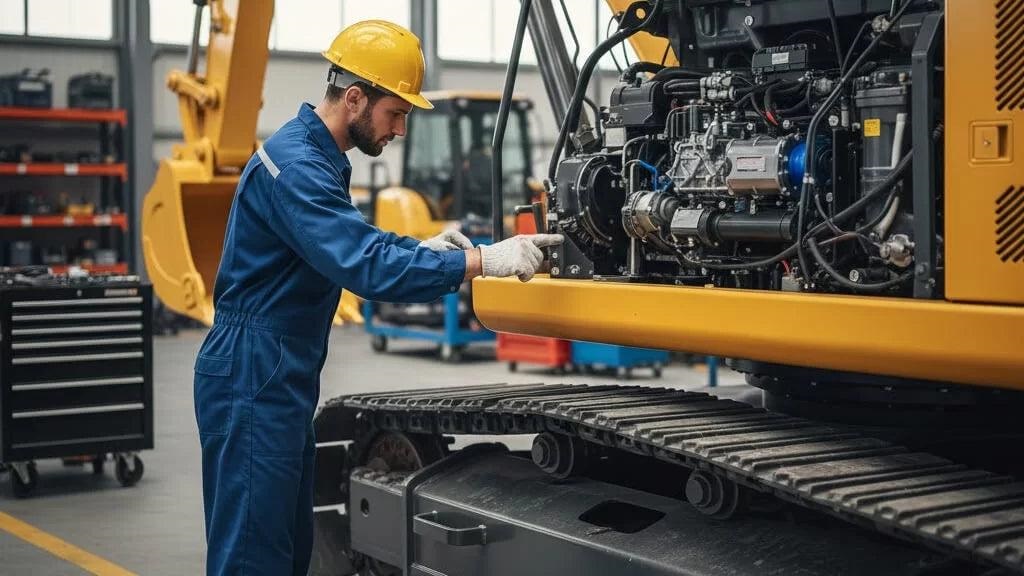
Heavy construction equipment operates in some of the toughest working environments. From excavating foundations and moving aggregates to maintaining highways and working on large industrial sites, dependable machinery is essential for keeping projects productive.
However, continuous operation places significant demands on engines, hydraulic systems, transmissions and other mechanical components. As parts wear or fail, equipment owners need reliable replacements to restore performance and reduce costly interruptions.
Choosing the right Caterpillar parts is therefore an important part of managing construction machinery, earthmoving equipment and industrial fleets.
With genuine, aftermarket, refurbished and used components available, buyers have several options. Understanding their differences, checking compatibility and working with knowledgeable suppliers can help businesses make informed purchasing decisions.
This guide explores commonly required CAT spare parts, maintenance considerations, replacement options and practical strategies for keeping heavy machinery operating efficiently.
Why Quality Caterpillar Parts Matter for Heavy Equipment
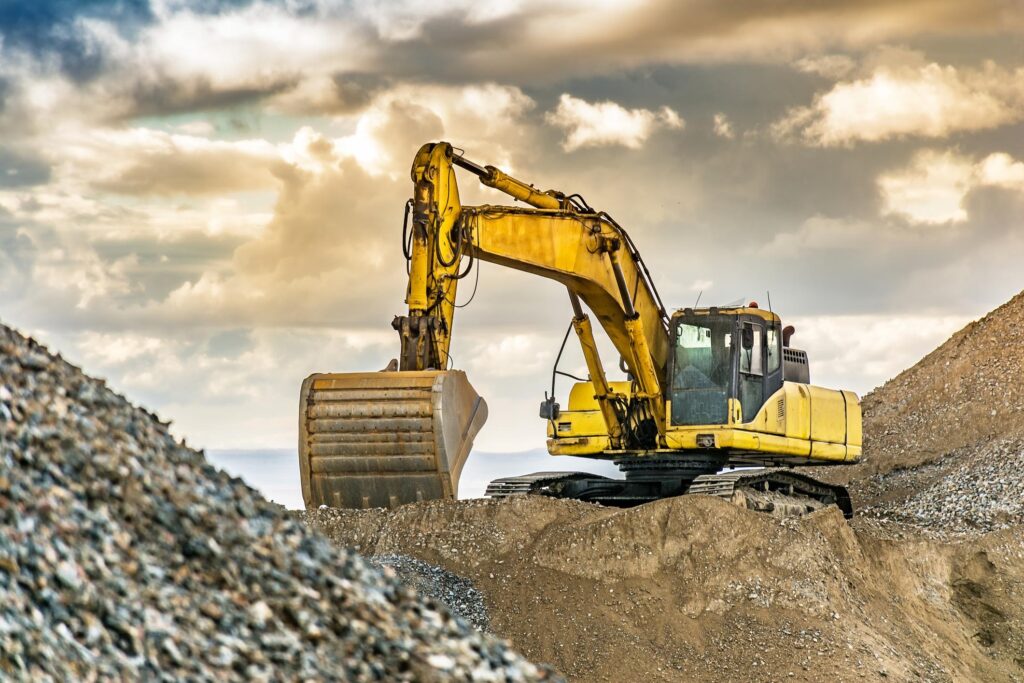
Construction equipment must perform consistently under demanding workloads. Components experience heat, vibration, pressure, contamination and repeated mechanical stress.
Even a relatively small worn component can affect the performance of a larger system.
Reducing Unexpected Downtime
Unexpected breakdowns can interrupt construction schedules, delay deliveries and increase labour expenses.
Replacing worn components before they cause more serious failures helps reduce these risks.
Regular maintenance and access to suitable replacement parts can support more predictable equipment availability.
Protecting Expensive Machinery
Heavy equipment represents a substantial investment.
Using components that meet the required specifications helps protect connected mechanical systems from premature damage.
For example, an incorrectly specified hydraulic filter may fail to provide the required filtration performance, while an unsuitable seal may lead to fluid leakage.
Selecting parts according to the equipment manufacturer’s requirements is essential.
Maintaining Equipment Performance
Engines, transmissions and hydraulic systems depend on accurately matched components to function properly.
Worn bearings, damaged hoses or contaminated filters can interfere with normal machine operation.
Correct replacements, installed and maintained appropriately, help machinery operate within its intended performance parameters.
Main Types of Caterpillar Parts
Caterpillar equipment contains numerous mechanical, hydraulic, electrical and structural components.
Understanding the main categories makes it easier to identify the parts required for maintenance or repairs.
Engine Parts and Components
The engine supplies power for machine movement, hydraulic operation and other essential functions.
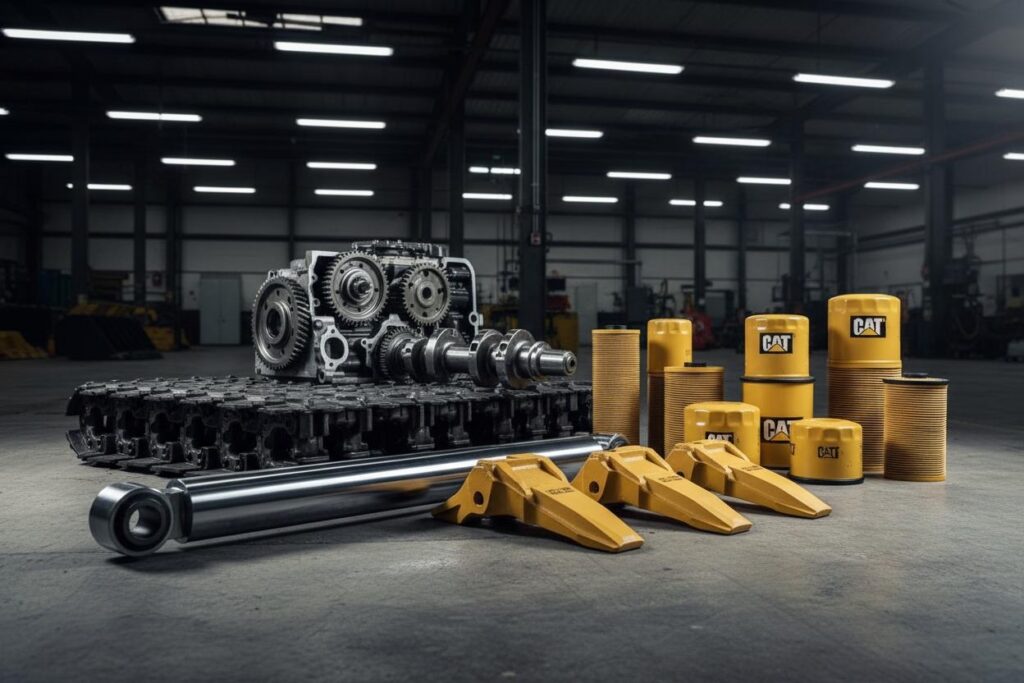
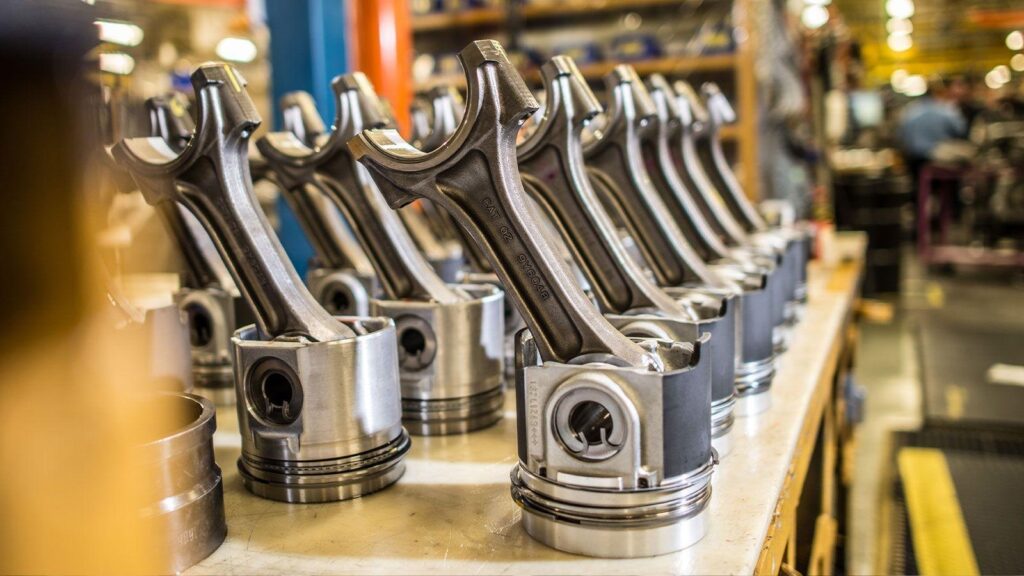
Common replacement components include pistons, cylinder liners, bearings, cylinder heads, valves, camshafts, crankshafts and turbochargers.
Cooling components, water pumps, belts and gaskets also play important roles.
Engine repairs require accurate identification of the engine arrangement and applicable component specifications.
Using an apparently similar part without confirming compatibility can cause substantial mechanical problems.
Hydraulic System Parts
Hydraulic systems provide the force required for digging, lifting, steering and operating attachments.
Typical components include hydraulic pumps, cylinders, seals, hoses, fittings and filtration elements.
Hydraulic components must withstand specified operating pressures and provide appropriate sealing and fluid compatibility.
Contamination control is especially important because particles entering sensitive hydraulic systems can accelerate component wear.
Transmission and Drivetrain Components
Transmissions and drivetrains transfer engine power to wheels, tracks or other driven assemblies.
Replacement components may include gears, bearings, shafts, seals, clutches and transmission pumps.
Incorrectly matched components can affect power transmission, generate excessive heat or lead to further damage.
Complex drivetrain repairs should follow the relevant manufacturer procedures.
Filters and Routine Service Parts
Filters are among the most frequently replaced heavy machinery components.
Equipment may require engine oil filters, fuel filters, air filters, hydraulic filters and transmission filters.
Each performs a different function and must meet the correct specifications.
Maintenance schedules should reflect the manufacturer’s requirements, machine operating conditions and applicable service guidance.
Undercarriage and Wear Components
Tracked equipment experiences continuous wear through contact with abrasive ground surfaces.
Track links, rollers, idlers, sprockets and related components require periodic inspection.
Excavator bucket pins, bushings and ground-engaging tools are also subject to considerable wear.
Replacing components at appropriate intervals helps maintain operational efficiency and may prevent damage to adjoining parts.
Genuine, Aftermarket, Used and Refurbished CAT Parts
One of the most important purchasing decisions involves choosing between different replacement-part categories.
Each option offers potential advantages and limitations.
Genuine Caterpillar Parts
Genuine CAT parts are supplied through Caterpillar’s authorised distribution channels and designed for specified equipment applications.
They provide a manufacturer-supported option for maintenance and repairs.
Buyers should consider genuine components when warranty conditions, technical requirements or critical applications make manufacturer-specified parts especially important.
Aftermarket CAT Parts
Aftermarket components are produced by manufacturers other than Caterpillar for use in compatible machines.
They can provide alternative purchasing options and may offer cost advantages.
However, aftermarket quality varies among manufacturers.
Compare material specifications, manufacturing standards, supplier reputation and available warranty information before purchasing.
The term “aftermarket” alone does not establish that a component is equivalent to a genuine part.
Used Caterpillar Parts
Used components may provide an economical solution for older machines or repairs where a new assembly would be disproportionately expensive.
Their suitability depends on previous operating conditions, remaining service life and inspection results.
Request information about component condition, testing and return arrangements before buying.
Refurbished and Reconditioned Components
Refurbished assemblies may undergo cleaning, inspection, repair and replacement of selected worn components.
The extent of refurbishment varies by supplier.
For major components such as engines, transmissions or hydraulic pumps, ask what work has been completed and whether the assembly has undergone appropriate testing.
How to Find the Correct Caterpillar Parts for Your Machine
Ordering the wrong component can create delays and unnecessary expense.
Accurate identification is particularly important because machines sharing a model name may use different components.
Identify Your Equipment Model
Begin by recording the complete machine model.
For example, Caterpillar manufactures several excavator, loader, dozer and articulated truck families.
Different generations and configurations may have different mechanical arrangements.
The model name provides an initial reference but may not establish exact parts compatibility.
Check the Serial Number
The machine serial number or Product Identification Number helps identify the correct equipment configuration.
Caterpillar’s official parts systems allow users to search for components using machine identification information.
Always provide the serial number when requesting a compatibility check.
Locate the Existing Part Number
Where available, record the original component number from a parts catalogue, service documentation or existing component.
Check whether the number has been superseded by a newer replacement.
Do not rely solely on photographs or approximate physical dimensions when ordering critical mechanical parts.
Confirm Technical Specifications
Some components also require confirmation of thread sizes, pressure ratings, material requirements, electrical specifications or equipment arrangements.
Filters, seals, pumps and sensors are examples where visually similar products may differ technically.
When uncertain, request confirmation from the supplier or an appropriately qualified technician.
Choosing a Reliable Caterpillar Parts Supplier
A knowledgeable supplier can help businesses identify suitable components and manage replacement-part purchasing.
Buyers should compare more than the quoted price.
Look for Relevant Product Experience
Suppliers specialising in earthmoving and construction machinery may understand the operational requirements of different equipment families.
For example, KEP Services (UK) Ltd, based in Chester-le-Street, County Durham, describes its business as supplying genuine, aftermarket, used and refurbished components for heavy plant machinery.
Its published product range includes engine, transmission, brake, hydraulic, pump, filter, pin and bushing components.
Businesses researching Caterpillar parts can explore KEP Services when comparing UK-based heavy-equipment replacement-part suppliers.
Evaluate Product Availability
A replacement component provides little immediate value if the machine remains idle while it is being sourced.
Ask whether the required product is physically in stock or must be ordered from another location.
Confirm dispatch dates, delivery destinations and potential lead times before finalising a purchase.
Ask About Quality and Warranties
Product condition, manufacturer identity and warranty coverage should be clear.
For aftermarket components, request available technical specifications and warranty terms.
For used or refurbished assemblies, ask about inspection procedures and what protection applies if the component fails.
Check Technical Support
Experienced parts specialists may help identify component numbers, compatible alternatives and relevant product information.
Provide accurate machine details and explain the fault or maintenance requirement when making an enquiry.
However, supplier assistance should not replace formal diagnosis for complex mechanical failures.
Caterpillar Parts for Different Machine Applications
Replacement-part requirements vary according to the type of equipment and how it is operated.
Excavators
Excavators frequently require hydraulic system components, bucket pins, bushings, filters and undercarriage parts.
The digging cycle places repeated stresses on cylinders, attachments and moving joints.
Regular checks can identify leakage, excessive play and abnormal wear.
Wheel Loaders
Wheel loaders are commonly used for loading, material handling and site operations.
Their maintenance needs may involve transmission components, hydraulic pumps, steering systems and bucket-related wear parts.
Machines operating in dusty environments also require careful attention to filtration and cooling systems.
Bulldozers and Track-Type Tractors
Track-type equipment works under high loads and often operates on abrasive or uneven ground.
Undercarriage condition, cooling performance and drivetrain maintenance are particularly important.
Wear inspections should follow the manufacturer’s applicable procedures.
Dump Trucks and Motor Graders
Off-highway trucks and graders rely on reliable braking, steering, powertrain and hydraulic components.
Maintenance programmes should account for loads, operating conditions and machine utilisation.
Safety-critical components require particular care during selection and installation.
How Much Do Caterpillar Parts Cost?
Caterpillar replacement-part prices vary widely depending on the component, machine model, manufacturer, condition and sourcing requirements.
Routine service items generally involve different purchasing considerations from complete engines, final drives or major hydraulic assemblies.
Genuine parts may carry different pricing and warranty arrangements from aftermarket alternatives.
Used assemblies may have lower acquisition costs, but their condition and remaining life introduce additional uncertainty.
For a meaningful comparison, consider the complete repair cost, including labour, delivery, installation materials and potential equipment downtime.
A cheaper component is not necessarily the lowest-cost choice if it requires frequent replacement or creates additional maintenance problems.
Request itemised quotations and compare the technical suitability of each option.
Best Practices for Heavy Machinery Maintenance
A structured maintenance programme helps identify developing problems and ensures replacement components are ordered before they become urgently necessary.
Follow Manufacturer Service Intervals
Use the machine’s operations and maintenance manual to determine appropriate inspection and replacement intervals.
Operating conditions may require additional checks or adjustments where the manufacturer recommends them.
Keep Fluids and Filters Clean
Contaminated oil, fuel and hydraulic fluid can affect component performance and service life.
Use fluids and filters that meet the relevant equipment requirements.
Maintain cleanliness when opening hydraulic or lubrication systems.
Inspect High-Wear Components
Check hoses, seals, pins, bushings and other exposed components for damage or abnormal wear.
Document findings and arrange repairs before deterioration causes additional mechanical failures.
Maintain Accurate Service Records
Record component numbers, maintenance dates, operating hours and relevant repair observations.
These records can simplify future parts identification and help establish replacement patterns.
Common Mistakes When Purchasing Caterpillar Parts
A frequent mistake is ordering a component using only the machine model without confirming the serial number.
Another is choosing the lowest-priced alternative without examining specifications, product condition or warranty coverage.
Buyers may also overlook the importance of shipping times, especially when machinery is already out of service.
Installing a new component without identifying the original cause of failure can result in repeated problems.
Finally, confusing an aftermarket component with a genuine manufacturer part may lead to incorrect assumptions about origin and warranty protection.
Clear product descriptions and accurate supplier documentation help avoid these issues.
Frequently Asked Questions About Caterpillar Parts
1. What are Caterpillar parts?
Caterpillar parts are components designed for or compatible with Caterpillar machinery and engines. They include engine parts, hydraulic components, transmission assemblies, filters, seals and other equipment spares.
2. Are aftermarket CAT parts reliable?
Some aftermarket components provide dependable service when manufactured to appropriate specifications. Quality varies, so buyers should evaluate technical compatibility, manufacturer reputation and warranty terms.
3. How can I find the correct CAT part number?
Use the machine’s serial number and official parts information, or request assistance from a knowledgeable supplier. Existing component numbers and service documentation can provide additional references.
4. Can I buy used Caterpillar spare parts?
Yes. Used components are available through various machinery parts suppliers. Check condition, inspection history, compatibility and return arrangements before buying.
5. Which Caterpillar parts require regular replacement?
Common maintenance items include engine oil filters, fuel filters, air filters and other consumables. Replacement intervals depend on the machine model and operating conditions.
6. Are genuine Caterpillar parts always necessary?
Not necessarily for every repair, but replacement components must meet the machine’s technical and safety requirements. Genuine parts may be preferable or required in certain applications or warranty situations.
7. Can a supplier identify parts using my machine serial number?
Many specialist suppliers can assist with identification when provided with the model, serial number and existing part details. Always obtain a clear compatibility confirmation before ordering.
8. Where can businesses purchase Caterpillar parts in the UK?
Buyers can approach authorised CAT dealers and independent heavy-machinery parts specialists. Compare product origin, availability, technical support and warranty conditions before choosing a supplier.
Conclusion
Choosing reliable Caterpillar parts is essential for maintaining the performance, safety and availability of heavy construction machinery.
Whether replacing a routine service filter or sourcing a major mechanical assembly, equipment owners should prioritise compatibility, component quality and dependable supplier support.
Genuine, aftermarket, used and refurbished parts each have potential applications, but the best choice depends on the machine’s requirements, component condition and overall repair economics.
By maintaining accurate equipment records, following recommended maintenance procedures and working with experienced parts suppliers, businesses can make more informed purchasing decisions and reduce avoidable interruptions to their operations.

Written by Twastia Editorial Team
Twastia Editorial Team shares practical insights about website design, SEO services, Google Ads, content marketing, social media, conversion rate optimization, and digital marketing strategy.
Last updated: Oct 17, 2026
Related posts from Twastia
Explore more useful articles from twastia.com about digital marketing, SEO, websites, ads, content, and growth strategy.