Floor Lamps: Stylish Lighting Ideas for Every Living Room
The right lighting can completely change how a living room looks and feels. A thoughtfully positioned lamp adds warmth to […]
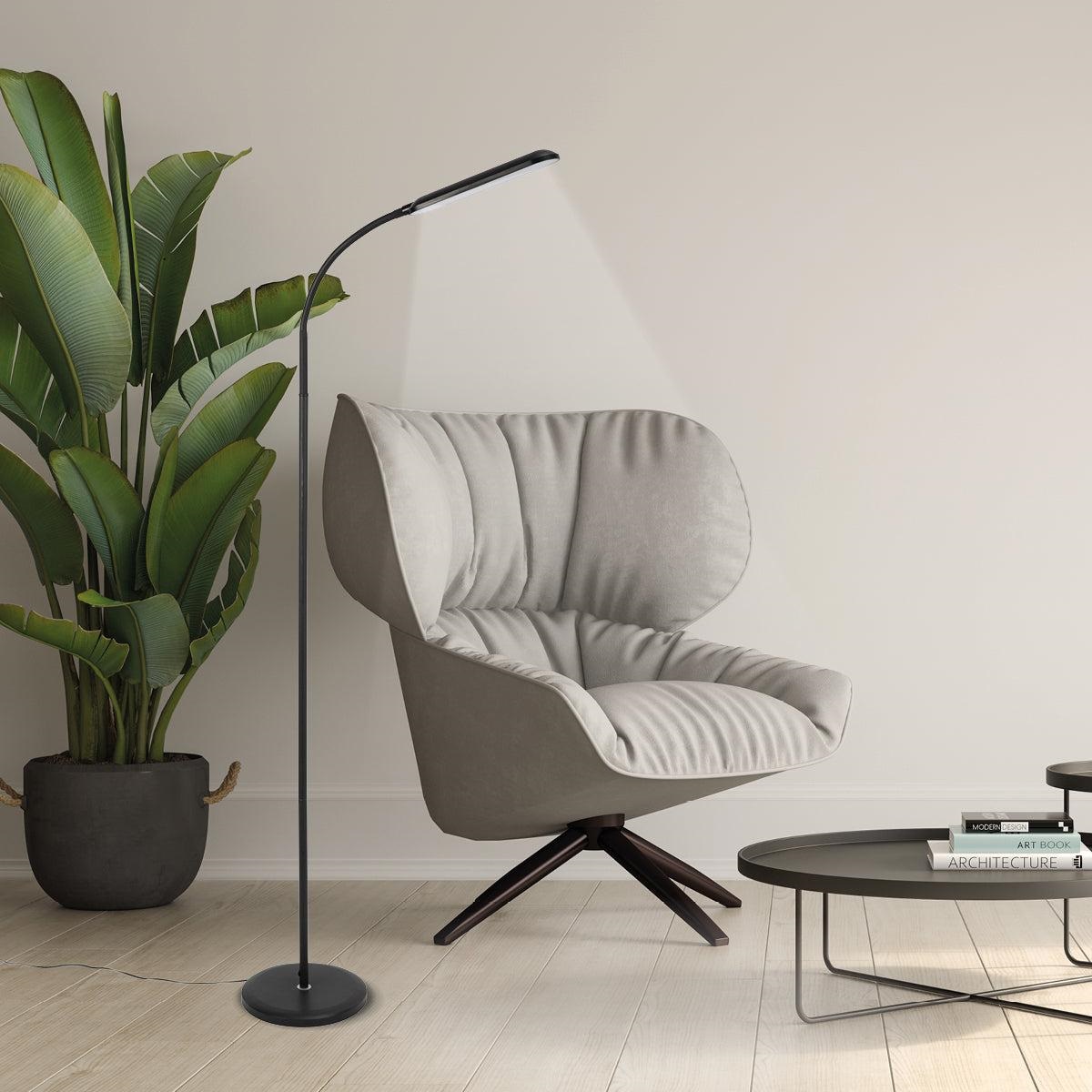
The right lighting can completely change how a living room looks and feels. A thoughtfully positioned lamp adds warmth to dark corners, makes reading more comfortable, and brings balance to the furniture arrangement. Yet many homeowners focus on sofas, rugs, and wall colors while treating lighting as an afterthought.
Floor lamps offer one of the simplest ways to improve a room without major renovations. They provide useful illumination, complement different decorating styles, and can often be repositioned as your furniture layout changes.
From sculptural arc lamps to minimalist LED designs, today’s options accommodate everything from compact apartments to spacious American family rooms.
Whether you’re decorating a new home or upgrading an established living space, this guide explains how to select, position, and style floor lamps for comfort, practicality, and visual appeal.
Why Floor Lamps Are Essential for Living Room Design
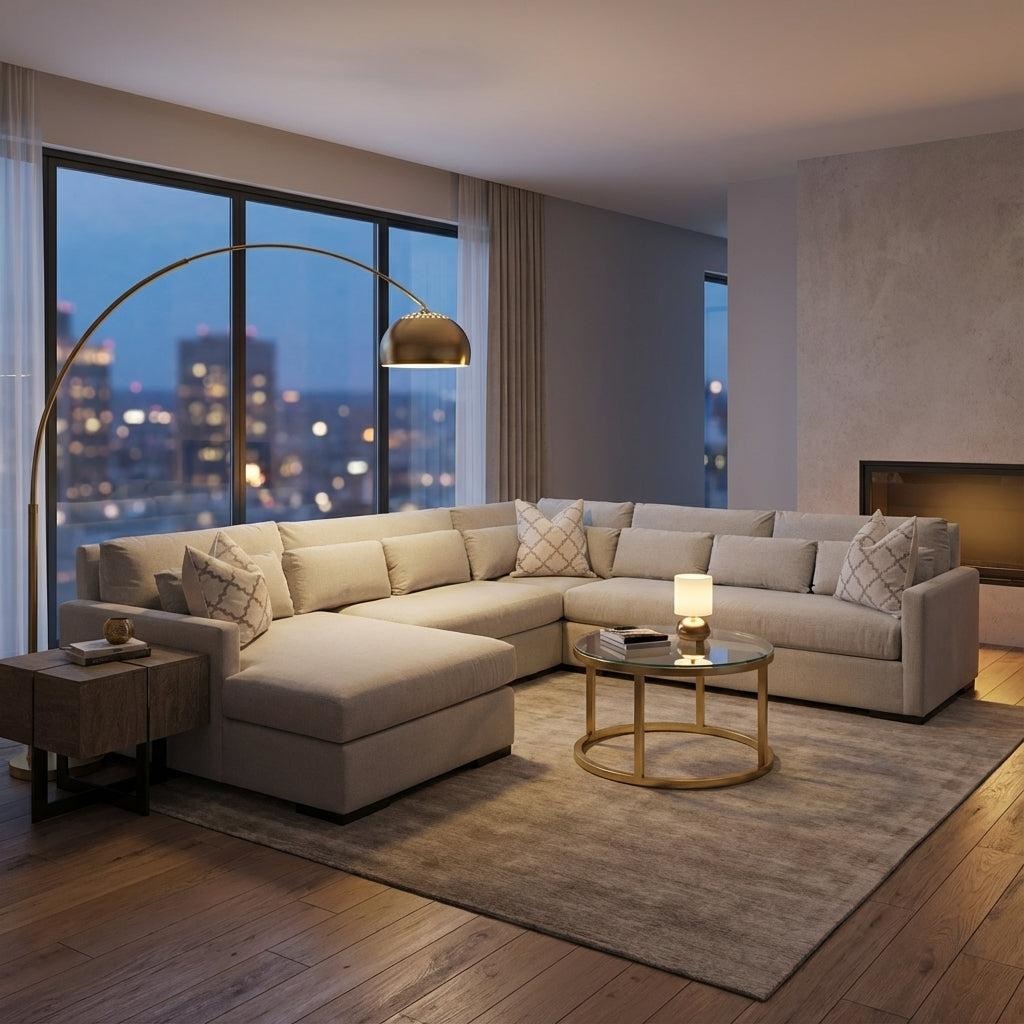
Floor lamps combine decorative appeal with everyday functionality. Unlike permanent ceiling fixtures, they usually require no electrical installation beyond access to a suitable outlet.
They are particularly useful in rooms where overhead lighting creates uneven brightness or where additional light is needed beside furniture.
Create Comfortable Ambient Lighting
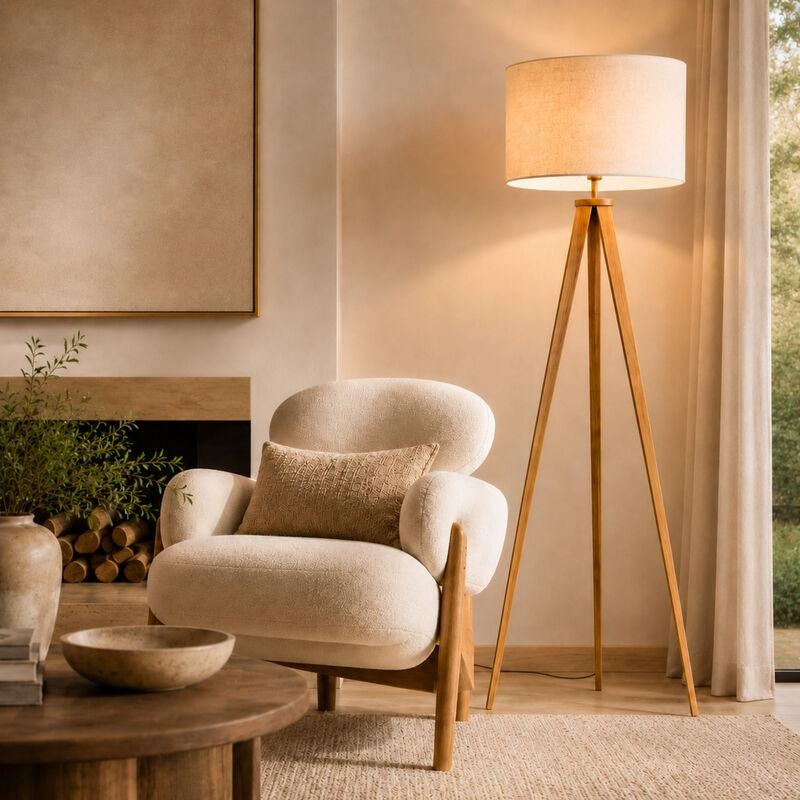
Ambient lighting provides general illumination that makes a room pleasant and easy to navigate.
A floor lamp with a fabric shade can distribute a soft glow, while an upward-facing fixture can reflect light off the ceiling.
This approach creates a more relaxed atmosphere than relying exclusively on a single bright overhead fixture.
Improve Reading and Everyday Activities
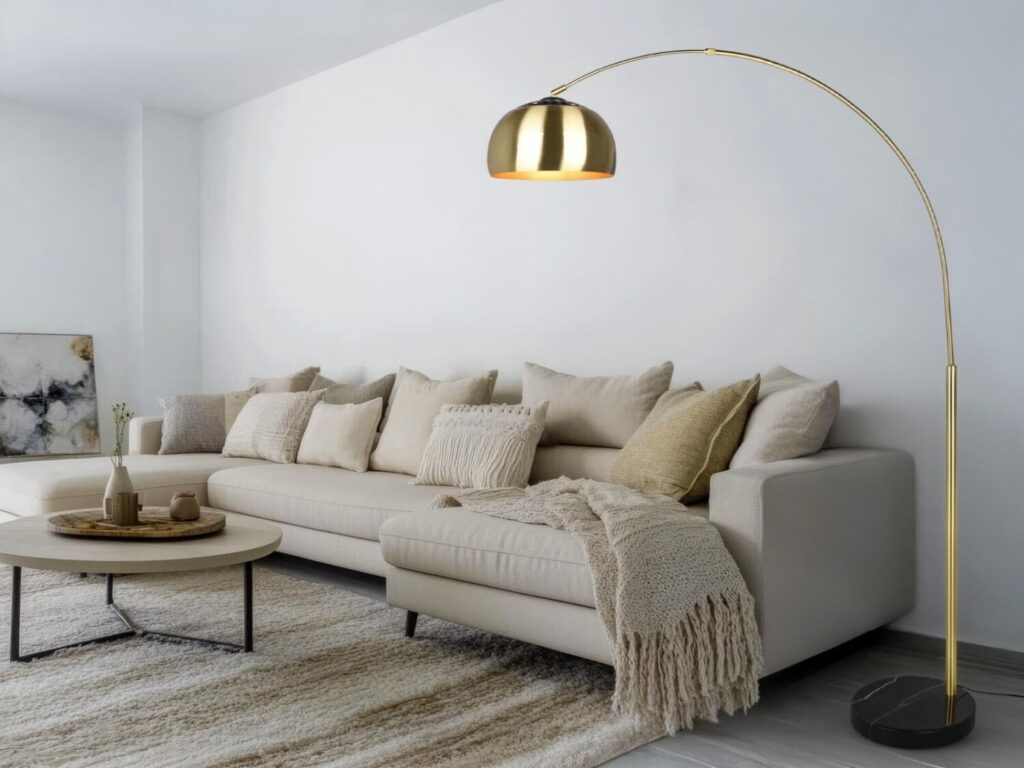
Reading, knitting, completing puzzles, and other detailed activities benefit from properly directed task lighting.
An adjustable floor lamp can illuminate a specific seating position without requiring the entire room to be brightly lit.
The most effective placement allows light to reach the activity without shining directly into the user’s eyes.
Add Height and Architectural Interest
Living rooms often contain predominantly horizontal furniture, including sofas, coffee tables, and media consoles.
A tall lamp introduces vertical contrast and helps balance the room’s proportions.
Distinctive shades, curved arms, and decorative bases can also serve as attractive design features.
Popular Types of Floor Lamps
Different floor lamp styles produce different lighting effects. Understanding their strengths helps narrow your choices.
Arc Floor Lamps
Arc floor lamps feature a long, curved arm that extends outward from the base.
This design allows light to reach over a sofa, reading chair, or coffee table without placing the base directly beneath the illuminated area.
They are especially useful beside large sectional sofas and in modern living rooms.
Because the upper arm extends away from the base, stability and suitable clearance are important considerations.
Tripod Floor Lamps
Tripod lamps stand on three legs, often featuring wood or metal construction.
Their architectural appearance works beautifully with mid-century modern, Scandinavian, and contemporary interiors.
Tripod bases occupy more floor space than narrow pole lamps, so measure the available area before purchasing.
Torchiere Floor Lamps
A torchiere directs most of its light upward.
Instead of focusing a beam on a specific activity, it helps illuminate the ceiling and surrounding room through reflected light.
This makes it useful for adding ambient illumination to a dim corner.
Adjustable Reading Lamps
Reading floor lamps feature movable arms, rotating heads, or adjustable heights.
They work well beside recliners, armchairs, and sectional seating where focused illumination is desirable.
Some models combine a general ambient light with a separate adjustable reading head.
Modern LED Floor Lamps
Integrated LED floor lamps can feature slim silhouettes, adjustable brightness, and compact lighting elements.
Certain models also offer selectable color temperatures or smart controls.
Their streamlined design makes them attractive for apartments and minimalist interiors.
Choosing Floor Lamps for Sectional Sofas
Large sectional sofas present a particular lighting challenge because they occupy significant floor space and may extend into corners.
A traditional table lamp may not reach the middle of the seating area, while an overhead fixture may create uncomfortable glare.
Choosing a floor lamp that complements the sectional’s shape can provide a practical solution.
Best Lighting for L-Shaped Sectionals
An arc lamp is often a strong choice for an L-shaped sectional.
Its base can sit behind or beside the sofa while the curved arm extends toward the central seating area.
This arrangement provides useful illumination without requiring an additional side table.
Before buying, check that the arm can reach the desired position without interfering with people standing or walking nearby.
Floor Lamps for U-Shaped Sofas
U-shaped sectionals typically create several seating zones.
One lamp may not illuminate every position effectively, especially in larger rooms.
Consider combining an arc lamp near one side with a slim reading lamp or another light source near the opposite seating area.
The objective is balanced illumination rather than matching fixtures at every corner.
Lighting for Small Sectional Sofas
Compact sectionals benefit from lamps with narrow bases and restrained silhouettes.
A slim LED standing lamp or adjustable pole lamp can provide useful light without crowding the walkway.
Avoid oversized tripod bases or large shades where space is limited.
For more detailed comparisons of placement and suitable designs, homeowners can explore this guide to floor lamps for sectional sofas.
How to Choose the Right Floor Lamp Height
Height affects both lighting performance and visual balance.
A lamp that is too short may leave the desired surface poorly illuminated, while one that is excessively tall can appear disproportionate.
Consider Seated Eye Level
For reading, position the light so that the bulb is shielded from direct view while sufficient illumination reaches the page.
Depending on the lamp design, this may mean placing the shade near shoulder level or positioning the light above and slightly behind the reader.
Adjustable models provide greater flexibility.
Measure Ceiling and Furniture Proportions
Tall lamps can complement rooms with generous ceiling heights.
In lower-ceiling spaces, visually lightweight fixtures often work better.
An arc lamp also requires enough overhead and horizontal clearance to avoid obstructing movement.
Check Base Dimensions
Overall lamp height is only one measurement.
Review the base diameter, shade width, arm reach, and available clearance around nearby furniture.
A stable lamp that fits comfortably is preferable to a larger design that creates an obstruction.
Understanding Brightness and Color Temperature
Choosing an attractive fixture is important, but the light it produces matters just as much.
Lumens Versus Watts
Lumens describe the amount of visible light a source emits.
Watts describe electrical power consumption.
When comparing modern LED lamps, lumens are generally more useful than wattage for evaluating brightness.
The appropriate output depends on whether the fixture provides general illumination, accent lighting, or focused task lighting.
Choosing Warm or Cool Light
Color temperature is measured in kelvins.
Warm white light, often around 2700K to 3000K, is commonly preferred for relaxed residential spaces.
Neutral or cooler light may be useful for certain work activities, although personal preference and room finishes also influence the result.
Benefits of Dimmable Lighting
Dimming allows a single lamp to accommodate different activities.
You might prefer brighter light while reading and a softer glow during an evening movie.
Confirm that the lamp and bulb are compatible with the intended dimming controls.
Not every LED product supports every dimmer.
Best Floor Lamp Placement Ideas
The location of a floor lamp can determine whether it improves the room or creates unnecessary clutter.
Beside the Sofa
Positioning a lamp near the end of a sofa offers convenient task lighting.
It can also help visually anchor the seating arrangement.
Make sure the fixture does not obstruct access to the armrest or adjacent walkway.
Behind a Sectional
Placing a suitable arc lamp behind a sectional can illuminate the seating while keeping the base away from the central living area.
This arrangement works particularly well in open-plan rooms where the sectional is positioned away from the wall.
In a Dark Corner
An upward-facing lamp can brighten a previously underused corner.
The reflected illumination may make the room feel more evenly lit.
Decorative plants, artwork, or nearby shelving can also benefit from subtle accent lighting.
Next to a Reading Chair
A dedicated reading lamp creates a comfortable activity zone.
Position the light to reduce shadows on the reading material while avoiding direct glare.
A nearby small table can complete the arrangement.
Matching Floor Lamps With Interior Design Styles
Lighting should complement the surrounding furnishings without necessarily matching every finish.
Modern and Minimalist Interiors
Choose slim metal frames, simple geometric shapes, and restrained colors.
Black, brushed nickel, and matte white finishes are particularly versatile.
Avoid visually heavy designs when the room already contains substantial furniture.
Scandinavian-Inspired Rooms
Wooden details, pale fabric shades, and understated forms work well with Scandinavian interiors.
The emphasis is on warmth, comfortable proportions, and practical design.
A natural wood tripod lamp can add visual texture beside a neutral sofa.
Industrial Living Rooms
Industrial spaces often feature exposed metal, dark finishes, and robust materials.
Floor lamps with visible joints, adjustable arms, or metal shades can reinforce this look.
Warm bulbs can help prevent the room from feeling overly stark.
Traditional and Transitional Homes
Fabric drum shades, bronze finishes, and elegant vertical profiles complement traditional furnishings.
Transitional interiors can combine these elements with cleaner contemporary shapes.
The aim is a balanced design rather than rigidly following one style.
How Much Do Floor Lamps Cost?
Floor lamp prices vary according to materials, dimensions, construction, brand, and lighting technology.
Basic standing lamps may be more affordable than large architectural arc lamps or designer fixtures.
Integrated LED systems, dimming controls, premium metal finishes, and natural stone bases can also influence cost.
When comparing products, evaluate more than the purchase price.
Consider construction quality, replacement-bulb availability, energy consumption, warranty terms, and the practicality of repairs.
A well-made lamp that meets your lighting needs may provide better long-term value than a cheaper fixture requiring frequent replacement.
Safety and Maintenance Tips for Floor Lamps
Floor lamps should remain stable and safe throughout everyday use.
Choose a base appropriate for the lamp’s height and design, particularly for models with extended arms.
Keep electrical cords away from doorways and walking paths. Never route cords beneath rugs where damage or overheating may go unnoticed.
Use bulbs within the manufacturer’s stated electrical limits and avoid placing hot lighting elements close to combustible materials.
In households with children or pets, consider additional stability precautions and keep cords from becoming pulling hazards.
For cleaning, unplug the lamp and allow it to cool. Remove dust with a soft cloth or suitable brush according to the manufacturer’s instructions.
Avoid spraying liquids directly onto electrical components.
Common Mistakes When Buying Floor Lamps
One frequent mistake is choosing a lamp based entirely on appearance without considering its lighting purpose.
An attractive fixture may provide insufficient illumination for reading or create unpleasant glare near a television.
Another mistake involves selecting a lamp that is too large for the available floor space.
Oversized shades and bases can obstruct movement and make an otherwise attractive room feel crowded.
Buyers should also consider bulb compatibility, dimming features, and the location of electrical outlets before purchasing.
Finally, avoid relying on a single lamp to illuminate an entire large living room. Combining ambient, task, and accent lighting generally produces a more flexible environment.
Frequently Asked Questions About Floor Lamps
1. What type of floor lamp is best for a living room?
The ideal type depends on your needs. Arc lamps work well beside larger sofas, adjustable lamps suit reading areas, and torchieres provide general illumination through reflected light.
2. Are floor lamps suitable for small living rooms?
Yes. Slim pole lamps and compact LED models can provide useful lighting without occupying much floor space. Choose a base that fits comfortably beside existing furniture.
3. Where should I place a floor lamp next to a sectional sofa?
Common positions include behind the sectional, beside an open end, or near a frequently used reading seat. Select a location that provides useful light without obstructing movement.
4. What light color is best for a cozy living room?
Warm white light around 2700K to 3000K is a popular choice for comfortable residential settings. Dimmable lighting provides additional flexibility.
5. Are LED floor lamps energy efficient?
LED technology generally uses less electricity than traditional incandescent lighting for a comparable amount of light. Actual efficiency varies by product.
6. Can a floor lamp replace ceiling lighting?
In some small rooms, strategically positioned lamps may provide adequate general and task illumination. Larger spaces often benefit from multiple complementary light sources.
7. Should floor lamps match table lamps?
Not necessarily. Different fixtures can work together when their finishes, proportions, colors, or design characteristics feel coordinated.
8. How do I prevent floor lamps from tipping over?
Choose a stable, appropriately weighted base, follow the manufacturer’s assembly instructions, and keep the lamp outside busy walking paths. Additional precautions may be appropriate around children and pets.
Conclusion
Floor lamps are among the most versatile accessories for improving living room comfort and interior design.
They provide useful illumination, introduce decorative interest, and offer flexibility that many permanently installed fixtures cannot match.
From elegant arc lamps beside sectional sofas to compact LED designs for smaller apartments, there are options for nearly every living space.
The key is selecting a fixture that balances style, brightness, placement, and safety.
With thoughtful planning and coordinated lighting, a well-chosen floor lamp can make your living room feel warmer, more practical, and more inviting throughout the day and evening.

Written by Twastia Editorial Team
Twastia Editorial Team shares practical insights about website design, SEO services, Google Ads, content marketing, social media, conversion rate optimization, and digital marketing strategy.
Last updated: Oct 17, 2026
Related posts from Twastia
Explore more useful articles from twastia.com about digital marketing, SEO, websites, ads, content, and growth strategy.