Roof Maintenance Service: Complete Homeowner’s Guide
Your roof works year-round to protect your home from rain, wind, sunlight, and changing temperatures. Yet because most roofing systems […]
Your roof works year-round to protect your home from rain, wind, sunlight, and changing temperatures. Yet because most roofing systems are difficult to see from the ground, early signs of wear often go unnoticed until water stains appear on ceilings or expensive repairs become necessary.
A professional Roof Maintenance Service helps homeowners identify developing problems, control debris and organic growth, and maintain essential roofing components before minor concerns become serious.
This is particularly important in places like Vancouver, Washington, where frequent rain, shaded properties, and mature trees can create challenging conditions for residential roofs.
Whether your home has asphalt shingles, metal panels, or another roofing material, regular inspections and appropriate maintenance can support long-term performance.
Understanding what roof maintenance involves, when to schedule it, and how to choose a qualified contractor can help you protect one of your home’s most important investments.
What Is a Professional Roof Maintenance Service?
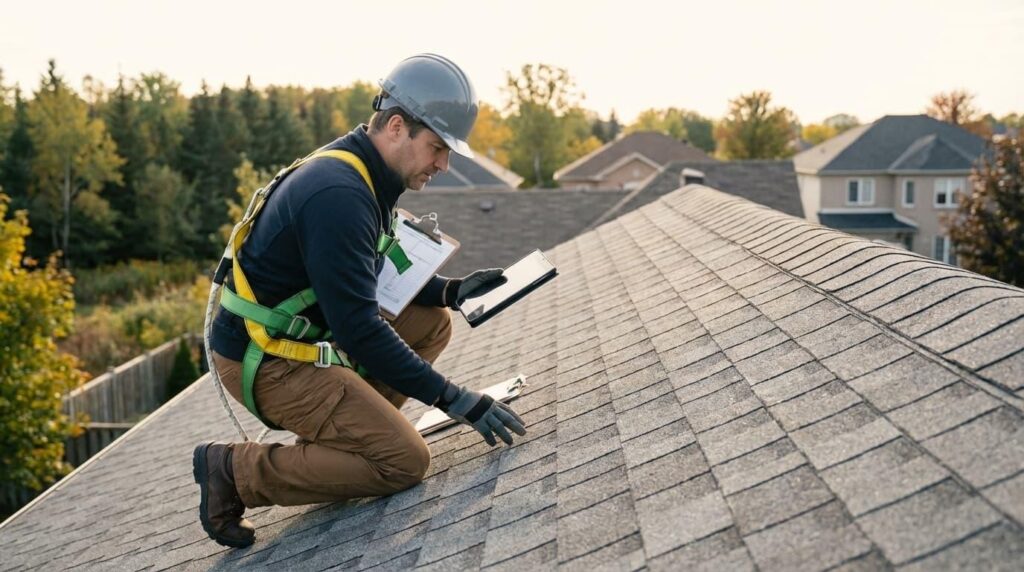
Roof maintenance is a preventive approach to keeping an existing roofing system in suitable working condition.
Unlike roof replacement, which involves installing a new roofing system, maintenance focuses on evaluating the current roof and addressing issues that can be corrected through cleaning, minor repairs, or other appropriate work.
The scope depends on the roofing material, roof age, visible condition, and surrounding environment.
Common maintenance activities include removing accumulated debris, assessing roof drainage, inspecting flashing, identifying damaged shingles, and evaluating moss or algae growth.
A professional inspection can also reveal conditions that require separate repairs rather than routine maintenance.
The objective is not to make every roof look new. It is to identify practical ways to maintain performance and prevent avoidable deterioration.
Why Regular Roof Maintenance Matters
Roofs experience gradual wear even when there are no visible indoor leaks.
Periodic inspections provide an opportunity to assess conditions before they affect other parts of the property.
Reduce the Risk of Water Damage
Roof leaks can develop around damaged flashing, deteriorated sealants, displaced shingles, and other vulnerable details.
Moisture entering the building may damage insulation, ceilings, walls, and interior finishes.
Identifying these concerns early can reduce the likelihood of more extensive repairs.
However, maintenance cannot guarantee that a roof will remain leak-free under every weather condition.
Address Moss and Organic Buildup
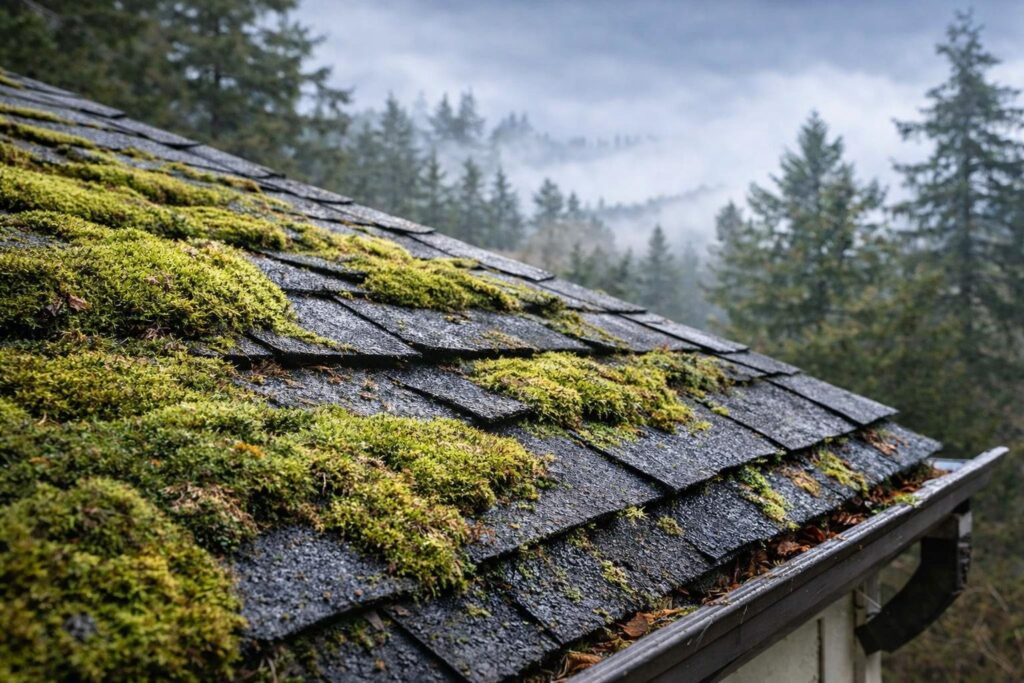
Moss commonly develops on shaded roofs in the Pacific Northwest.
Leaves, pine needles, and other organic debris can retain moisture and create favorable conditions for further growth.
Accumulated moss may also interfere with roof drainage or conceal damaged roofing materials.
Appropriate treatment depends on the roofing system and the extent of the buildup.
Support Long-Term Roof Performance
Every roof has a finite service life.
Regular maintenance cannot stop normal aging, but it can address avoidable problems such as blocked drainage, persistent debris, and localized damage.
The actual lifespan of a roofing system depends on materials, installation quality, weather exposure, ventilation, and maintenance history.
Help Homeowners Plan Repair Costs
Routine evaluations can provide a clearer picture of the roof’s condition.
Instead of waiting for an unexpected failure, homeowners can prioritize necessary work and plan for future repairs or replacement.
This is especially valuable for older properties and homes surrounded by mature trees.
What Does a Roof Maintenance Service Include?
A professional maintenance visit may involve several activities, depending on the roofing contractor and property conditions.
Roof Surface Inspection
The contractor examines accessible roofing surfaces for visible damage, unusual wear, and areas of concern.
On asphalt roofs, this may include checking for cracked, displaced, curling, or missing shingles.
On metal roofing, inspectors may examine accessible seams, fasteners, coatings, and flashing details.
Flashing and Roof Penetration Checks
Flashing helps direct water away from vulnerable roof intersections and penetrations.
Common inspection points include chimneys, skylights, plumbing vents, wall connections, and roof valleys.
Damaged flashing or failed connections can allow water intrusion even when surrounding roofing materials appear sound.
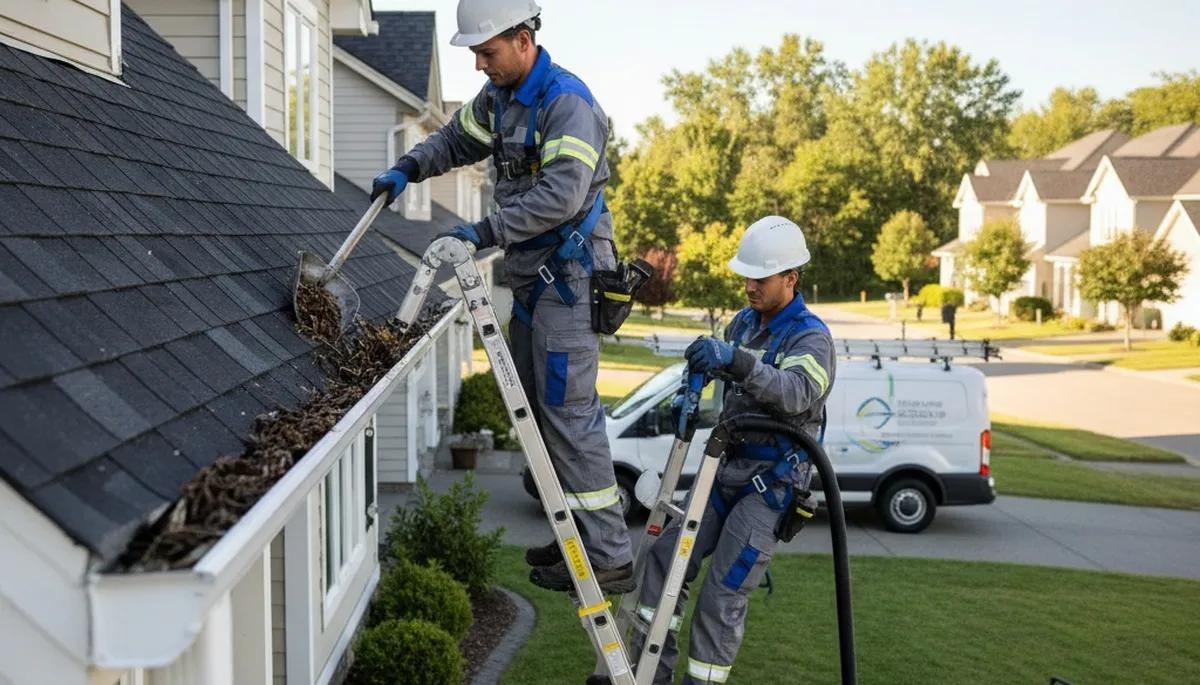
Roof Debris Removal
Branches, leaves, pine needles, and other debris may collect around valleys, roof edges, and drainage paths.
Removing loose material helps restore drainage and makes the roofing surface easier to inspect.
Methods should be selected to avoid unnecessary abrasion or damage.
Moss and Algae Evaluation
Roofing professionals can assess whether moss or other organic growth requires treatment.
The appropriate method depends on the roof material, condition, attachment of growth, and manufacturer guidance.
Aggressive cleaning is not suitable for every roofing system.
Drainage and Gutter Assessment
Gutters and downspouts carry rainwater away from the roof and building.
Obstructions can cause water to overflow near fascia boards, siding, or foundations.
Maintenance may include evaluating visible drainage problems and recommending gutter cleaning or repairs where necessary.
Roof Maintenance in Vancouver, Washington
Homes in Vancouver and nearby Southwest Washington communities face environmental conditions that make preventive roofing care particularly useful.
Extended periods of moisture, falling evergreen needles, and shaded roof sections can contribute to debris accumulation and moss growth.
How Pacific Northwest Weather Affects Roofs
Rainy conditions place considerable demands on roof drainage systems.
Leaves and needles can collect in roof valleys, while blocked gutters may prevent water from flowing away efficiently.
When roof surfaces remain damp for extended periods, moss and algae may develop.
However, not every Vancouver home experiences the same problems. Roof orientation, tree coverage, pitch, and maintenance history make a difference.
Why Professional Evaluation Is Important
Cleaning a roof without considering its condition can cause unnecessary damage.
For instance, loose shingles or deteriorated flashing may need repair before cleaning begins.
Homeowners considering a Roof Maintenance Service in Vancouver can explore J&J Roofing & Construction, a local roofing company offering roof cleaning, moss removal, inspections, repairs, and related roofing services.
The company’s published maintenance approach includes assessing accessible roofing surfaces, flashing, valleys, drainage areas, and organic buildup before recommending appropriate work.
When Should Vancouver Homeowners Schedule Maintenance?
Spring and fall are practical periods for checking many residential roofs.
Spring inspections can identify problems associated with winter storms and accumulated debris.
Fall maintenance can help address leaves, needles, and drainage concerns before prolonged wet weather.
Additional evaluation may be appropriate after significant storms or when visible damage appears.
There is no universal cleaning interval that suits every property.
Professional Roof Cleaning vs. Pressure Washing
Roof cleaning methods should match the roofing material and its condition.
Using excessive pressure can damage vulnerable materials, dislodge protective granules, and disturb roof accessories.
Why High-Pressure Cleaning Can Be Risky
Asphalt shingles have protective surfaces that should not be subjected to unnecessarily aggressive cleaning.
High-pressure washing may loosen granules, damage edges, or force water into vulnerable areas.
Homeowners should not assume that a method suitable for concrete pavement is appropriate for a roof.
Understanding Low-Pressure Cleaning
Some roofing systems may be suitable for manufacturer-approved low-pressure cleaning or carefully selected treatments.
The process may involve removing loose debris and addressing organic buildup without aggressive mechanical force.
Cleaning solutions must be compatible with the roofing material and used according to product directions and applicable regulations.
When Cleaning Is Not Enough
A clean-looking roof can still have structural or waterproofing problems.
Broken shingles, deteriorated flashing, damaged roof decking, and active leaks require appropriate evaluation and repair.
Cleaning should never be presented as a substitute for correcting these conditions.
Signs Your Roof Needs Professional Attention
Some warning signs are visible from the ground, while others appear inside the home.
Look for missing or damaged shingles, excessive moss growth, debris-filled valleys, overflowing gutters, and displaced flashing.
Indoors, water stains, peeling finishes, or unusual dampness may indicate moisture intrusion.
Not every stain originates from the roof. Plumbing leaks, condensation, and other issues can produce similar symptoms.
A qualified professional can help investigate the source.
Avoid climbing onto the roof to confirm suspected damage. Roof surfaces can be slippery and unstable, especially after rain.
Roof Maintenance for Different Roofing Materials
Maintenance requirements vary among roofing systems.
Asphalt Shingle Roofs
Asphalt shingles require attention to surface condition, flashing, drainage, and organic growth.
Avoid abrasive cleaning and methods inconsistent with manufacturer guidance.
Damaged or missing shingles may require localized repairs.
Metal Roofing Systems
Metal roofs can shed loose debris effectively on certain slopes, but valleys, gutters, seams, and penetrations still require inspection.
Coating deterioration, corrosion, loose components, or damaged flashing may need attention.
Maintenance techniques should match the specific metal roofing system.
Tile Roofing
Concrete and clay roof tiles can be vulnerable to cracking or breakage from improper foot traffic.
Inspections may focus on displaced tiles, drainage channels, flashing, and moss growth.
Professional access and material-specific cleaning techniques are important.
Low-Slope Roofing
Low-slope roofs require particular attention to drainage, seams, penetrations, and areas where water accumulates.
Standing water or blocked drains should be evaluated promptly.
Maintenance must follow the requirements of the membrane or roofing system installed.
How Much Does Roof Maintenance Cost?
The cost of professional roof maintenance depends on the work required and the characteristics of the property.
Roof size and pitch influence access, labor, and equipment requirements.
A steep or complex roof may require more extensive safety arrangements than a simple, low-slope design.
Other cost factors include roofing material, moss severity, debris accumulation, roof height, and necessary property protection.
Repairs identified during inspection may involve separate charges.
When requesting a quotation, ask whether the price includes inspection, cleaning, moss treatment, debris removal, and gutter-related work.
Clarify which repairs, treatments, or follow-up services would require additional approval.
Comparing clearly defined service scopes is more useful than relying on an unusually low advertised price.
How to Choose a Reliable Roof Maintenance Contractor
Hiring a qualified roofing professional helps ensure maintenance methods suit the roof’s construction and condition.
Verify Licensing and Insurance
Check that the company meets applicable contractor registration, licensing, bonding, and insurance requirements.
For Washington properties, contractor information can be checked through the state’s Department of Labor & Industries.
Confirm details independently before signing an agreement.
Ask About Roofing Experience
A contractor who understands roof construction can evaluate more than surface appearance.
Experience with flashing, drainage, roofing materials, and repair techniques is important when determining whether cleaning is appropriate.
Review the Proposed Cleaning Method
Ask how debris and moss will be addressed.
A reputable contractor should explain why a particular method is suitable and what steps will be taken to protect the roof and surrounding property.
Avoid accepting promises that moss will never return.
Request a Written Estimate
The estimate should identify the proposed services, any exclusions, and how additional repairs will be handled.
Clarify whether the company will provide photographs or an explanation of visible concerns.
Written documentation helps homeowners make informed decisions.
Seasonal Roof Maintenance Checklist
A simple seasonal approach makes it easier to recognize changes in roof condition.
Spring Maintenance
Inspect the property visually from a safe location after winter weather.
Look for damaged roofing materials, blocked gutters, and debris accumulated around drainage areas.
Arrange professional evaluation when concerns are visible.
Summer Maintenance
Dry-weather periods can provide opportunities for suitable maintenance and repair work.
Review areas affected by overhanging branches and consider whether appropriate tree trimming could reduce shade or falling debris.
Tree work should be completed safely by qualified professionals where necessary.
Fall Maintenance
Pay attention to leaves and needles collecting around gutters and roof valleys.
A professional inspection can identify drainage concerns before wetter weather.
Winter Monitoring
Avoid climbing onto wet, icy, or snow-covered roofs.
Watch for indoor leaks, overflowing gutters, or visible storm damage.
Arrange professional assistance when weather conditions make work safe.
Common Roof Maintenance Mistakes to Avoid
One common mistake is postponing inspection until an active leak develops.
Another is using harsh cleaning methods that may damage shingles or other roofing components.
Homeowners may also focus exclusively on moss while overlooking damaged flashing or blocked drainage.
Applying household chemicals without checking product suitability can damage roofing materials, landscaping, or surrounding surfaces.
Finally, assuming that cleaning will permanently prevent moss growth creates unrealistic expectations.
The best approach combines appropriate treatment, periodic observation, and attention to environmental conditions.
Frequently Asked Questions About Roof Maintenance Service
1. How often should a roof receive professional maintenance?
There is no single interval suitable for every roof. Many homeowners arrange periodic inspections, with additional checks after severe weather. Cleaning frequency depends on visible buildup, roof material, shade, and surrounding trees.
2. Does professional roof cleaning extend roof life?
Appropriate maintenance may help prevent avoidable deterioration, but no cleaning service can guarantee a particular lifespan. Roof condition, installation quality, materials, and environmental exposure remain important.
3. Is roof moss dangerous?
Moss can retain moisture, obstruct drainage, and conceal roofing problems. The level of concern depends on the material, amount of growth, and whether the underlying roof has been affected.
4. Can I pressure wash my roof myself?
High-pressure cleaning can damage certain roofing materials, especially asphalt shingles. Roof access also presents serious fall hazards. Follow manufacturer guidance and consult a qualified professional.
5. Does roof maintenance include leak repairs?
Not always. Inspections and cleaning may reveal problems, but repairing damaged flashing, shingles, or other components may require a separate service.
6. What is the best season for roof maintenance?
Spring and fall are common maintenance periods, although suitable scheduling depends on weather, roof condition, and required treatments.
7. How can I prevent moss from returning?
Reducing accumulated debris, improving drainage, and managing excessive shade where practical may help. However, no preventive approach can guarantee permanent moss elimination.
8. Should an older roof be cleaned or replaced?
The decision depends on its condition. A professional inspection can help determine whether maintenance, localized repairs, or replacement is appropriate.
Conclusion
A professional Roof Maintenance Service is an important part of protecting your home against avoidable roofing problems.
Routine inspections, suitable moss treatment, debris removal, and attention to drainage can help maintain roofing performance while identifying issues that require repairs.
For homeowners in Vancouver, Washington, the region’s wet climate and tree coverage make thoughtful roof care particularly valuable.
Rather than waiting for visible leaks or substantial damage, develop a maintenance plan based on your roof’s age, material, surroundings, and current condition.
With appropriate professional support and regular observation, homeowners can make informed decisions and maintain a safer, more dependable roofing system.

Written by Twastia Editorial Team
Twastia Editorial Team shares practical insights about website design, SEO services, Google Ads, content marketing, social media, conversion rate optimization, and digital marketing strategy.
Last updated: Oct 17, 2026
Related posts from Twastia
Explore more useful articles from twastia.com about digital marketing, SEO, websites, ads, content, and growth strategy.