Colored Wigs: Trending Shades, Styles & Buying Guide
Changing your hair color can be one of the most exciting ways to refresh your appearance. Whether you’re considering honey […]
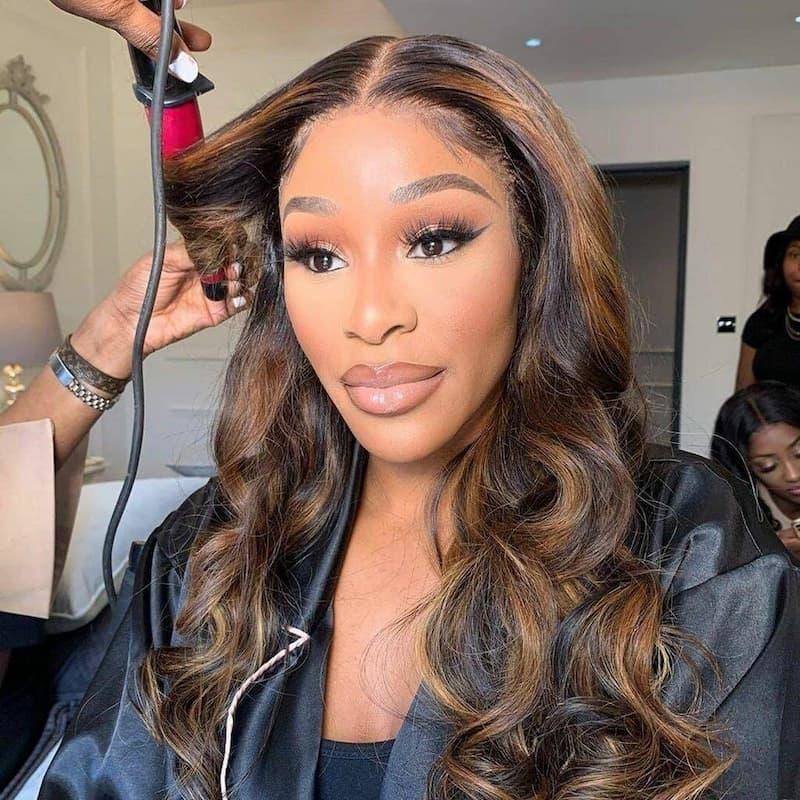
Changing your hair color can be one of the most exciting ways to refresh your appearance. Whether you’re considering honey blonde highlights, rich burgundy curls, warm ginger tones, or a dramatic ombre transformation, experimenting with color can help you discover an entirely new style.
However, coloring your natural hair isn’t always convenient. Bleaching, repeated dyeing, and frequent salon visits can require significant time, money, and maintenance.
That’s where colored wigs offer an attractive alternative.
Instead of permanently changing your natural hair, a colored wig lets you experiment with different shades, lengths, and textures. You can enjoy blonde waves for a weekend, wear a reddish-brown bob to work, or choose dramatic burgundy curls for a special occasion.
With so many options available, selecting the right wig can feel overwhelming.
Should you choose human hair or synthetic fibers? Which colors complement your complexion? And how can you maintain vibrant hair color without causing unnecessary damage?
This guide covers popular wig colors, construction types, styling options, shopping considerations, and practical maintenance tips to help you make a confident choice.
What Are Colored Wigs?
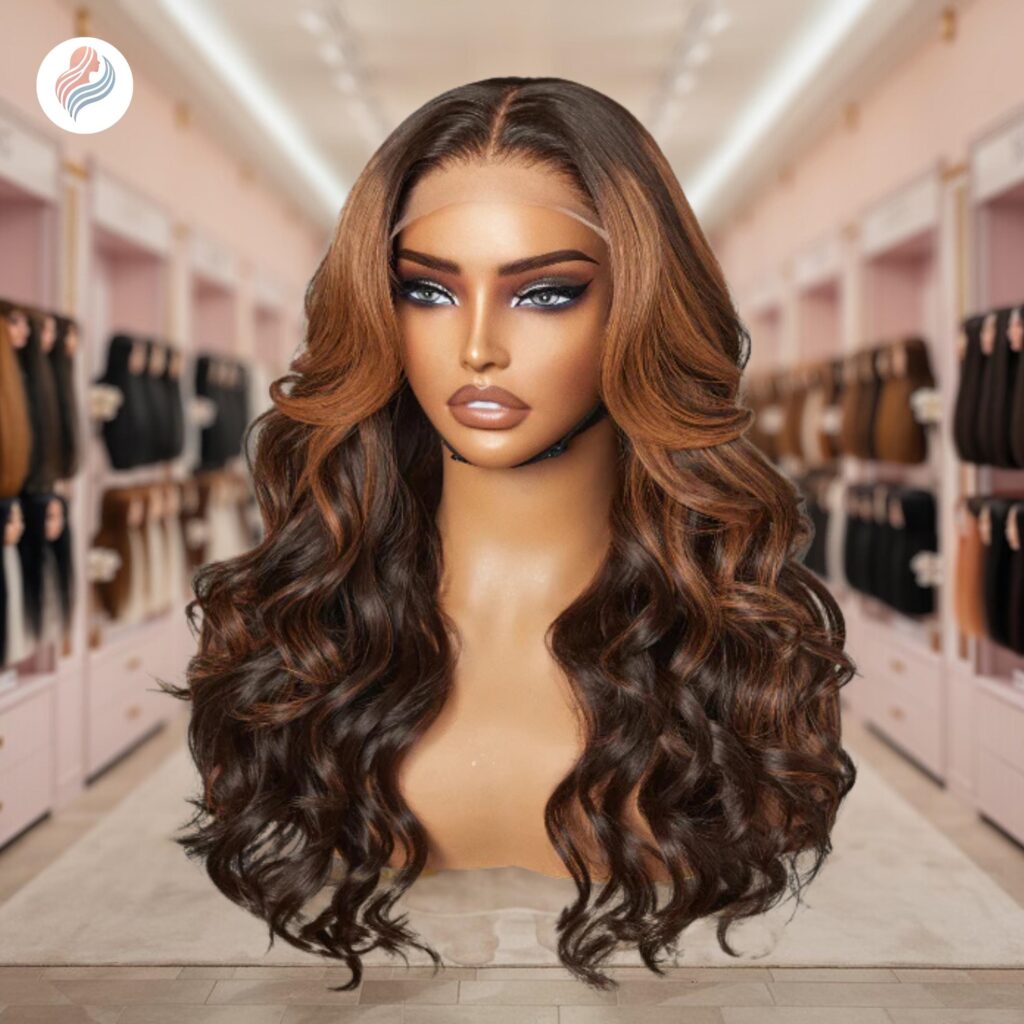
Colored wigs are hairpieces featuring shades other than natural black or standard dark brown, although the term also includes highlighted and blended-color designs.
They can feature subtle color variations or dramatic fashion shades.
Some popular options include honey blonde, burgundy, copper, ginger, chestnut brown, caramel highlights, and ombre combinations.
Colored wigs are available in various constructions, including lace front, lace closure, glueless, and full lace designs.
They may be manufactured from human hair, synthetic fibers, or blended materials.
Why Are Colored Wigs So Popular?
One major advantage is styling flexibility.
Instead of committing to a permanent hair color, you can explore different looks while leaving your natural hair color unchanged.
Pre-colored wigs can also reduce the need to bleach or chemically dye your own hair.
However, wigs still require correct installation, comfortable fitting, and proper scalp care.
For many people, the ability to change hairstyles without a lengthy salon appointment makes them particularly convenient.
7 Popular Colored Wig Shades Worth Trying
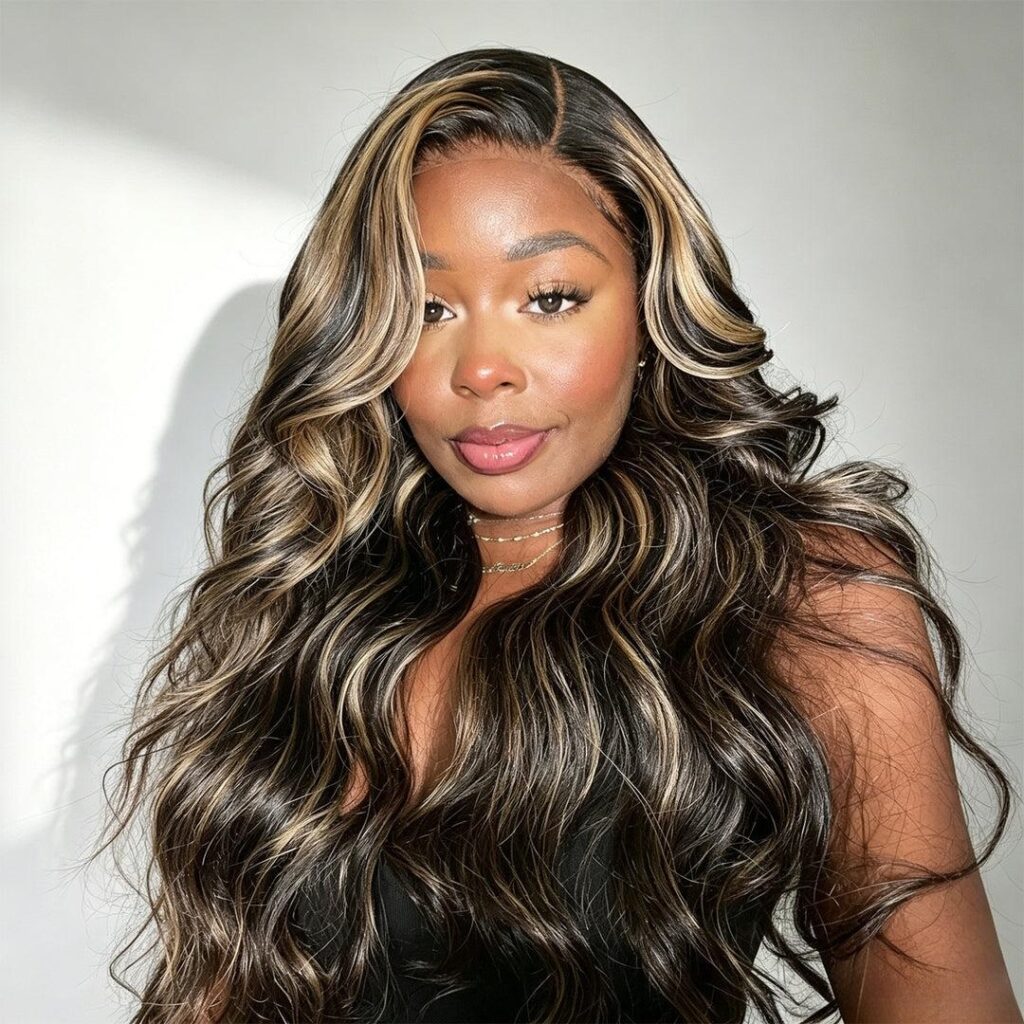
Your preferred hair color depends on your personal style, complexion, wardrobe, and desired level of contrast.
The following shades offer different possibilities for everyday wear and special occasions.
1. Honey Blonde Wigs for a Warm, Radiant Look
Honey blonde combines golden tones with warm blonde highlights.
It can create a bright, dimensional appearance without looking as cool-toned as platinum blonde.
Honey blonde styles are particularly popular in body wave, layered, and curly textures.
Dark-rooted variations can create a softer transition between the wig’s hairline and lighter lengths.
If you’re trying blonde for the first time, a honey blonde highlighted wig may feel more approachable than an entirely light-colored style.
2. Burgundy Wigs for a Bold Statement
Burgundy combines deep red and purple-inspired tones to create a rich, expressive color.
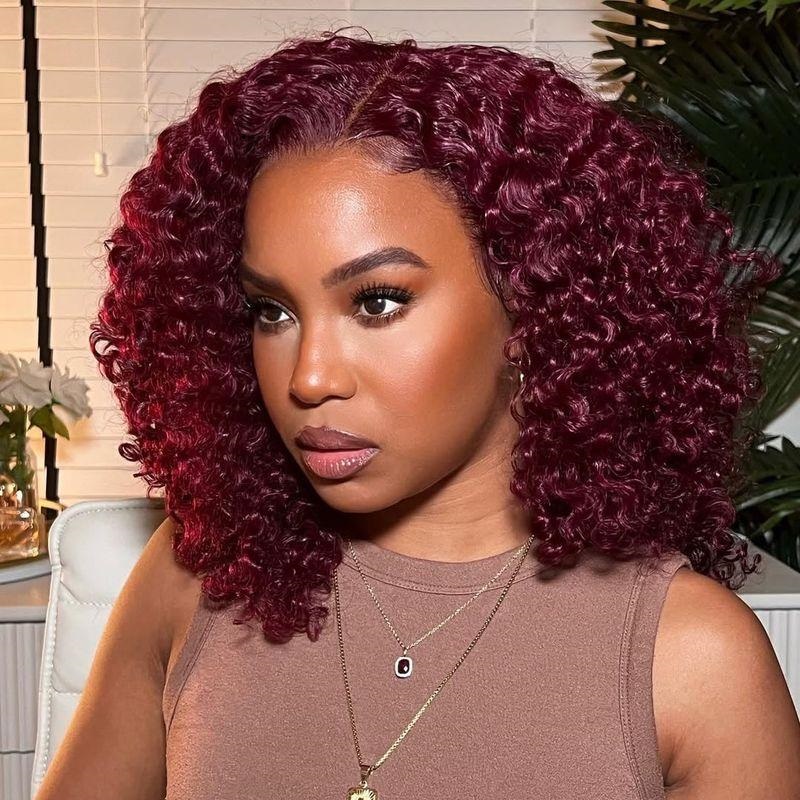
It can look sophisticated in sleek straight hairstyles or dramatic in voluminous curls.
Black cherry is a related shade that blends dark hair tones with deep reddish highlights.
These colors can be attractive choices for evening events, winter fashion, or anyone who prefers deeper statement colors.
3. Ginger Wigs for Warm Copper Tones
Ginger wigs feature orange-red or copper-inspired shades.
Some designs are bright and vivid, while others incorporate brown undertones for a more subdued finish.
Ginger colors work beautifully with layered bobs, loose curls, and shoulder-length styles.
If you prefer a softer effect, consider reddish-brown wigs rather than highly saturated copper shades.
4. Chocolate Brown Wigs for Everyday Elegance
Chocolate brown is a versatile choice for people who want a noticeable change without an extremely bright color.
It can complement casual outfits, professional clothing, and formal dresses.
Brown wigs may feature warm, neutral, or cooler undertones.
Look for photographs taken under different lighting conditions to understand the actual shade.
5. Ombre Wigs for Beautiful Color Transitions
Ombre wigs feature a gradual transition from one color to another, commonly beginning with darker roots and becoming lighter toward the ends.
Popular combinations include dark brown to caramel, black to burgundy, and chestnut brown to honey blonde.
The gradual blend creates visual depth and can give long hairstyles additional dimension.
6. Highlighted Wigs for Natural-Looking Dimension
Highlighted wigs include lighter strands throughout a darker base color.
Caramel, golden brown, and honey blonde highlights are common choices.
Unlike ombre styles, highlights may appear throughout the hair rather than concentrating near the ends.
They can create a subtle sun-kissed effect or a more dramatic contrast, depending on the placement.
7. Platinum Blonde Wigs for Dramatic Fashion
Platinum blonde is a very light shade that creates a striking appearance.
It works with short bobs, sleek straight styles, and long layered cuts.
However, light-colored human hair may have undergone significant processing.
That can affect its strength, moisture needs, and tolerance for additional chemical treatments.
Choose carefully if you plan to restyle or recolor the wig frequently.
Human Hair vs. Synthetic Colored Wigs
Hair material affects styling flexibility, maintenance, appearance, and price.
Neither option is automatically better for every shopper.
Colored Human Hair Wigs
Human hair wigs can offer natural movement and styling versatility.
Depending on their processing history, they may be compatible with curling irons, straighteners, and certain styling products.
However, pre-colored human hair has often undergone chemical treatment.
Repeated bleaching, excessive heat, or additional coloring can weaken the strands.
Human hair also typically requires more washing, conditioning, and styling attention than many synthetic alternatives.
Synthetic Colored Wigs
Synthetic wigs are often more affordable and may retain their original shape after washing.
They are available in a wide range of fashion colors.
However, some synthetic fibers cannot tolerate standard heat styling tools.
Even heat-resistant synthetic wigs have manufacturer-specific temperature limits.
Before purchasing, consider how often you plan to wear the wig and whether you want to change its hairstyle regularly.
Understanding Different Colored Wig Constructions
Wig construction influences appearance, comfort, installation, and styling possibilities.
Colored Lace Front Wigs
Lace front wigs use a lace section near the forehead to create a more natural-looking front hairline.
They can be especially appealing for hairstyles with visible parting.
However, lace size, knot visibility, cap fit, and installation quality affect the result.
Glueless Colored Wigs
Glueless wigs are designed to be worn without traditional wig adhesive.
They may use adjustable straps, elastic bands, combs, or drawstring mechanisms to secure the cap.
These designs are convenient for people who prefer to remove their wigs regularly.
Still, proper sizing is essential for comfort and stability.
Colored Bob Wigs
Bob wigs offer a shorter hairstyle that can be practical for everyday wear.
Popular variations include straight bobs, layered bobs, and curly styles.
A ginger or burgundy bob can create a bold appearance without requiring long hair.
HD Lace Colored Wigs
HD lace is marketed as a thin lace material intended to blend discreetly against the skin.
However, the term isn’t a guarantee of invisible lace.
A convincing appearance depends on material quality, appropriate color matching, and careful installation.
How to Choose the Best Wig Color for Your Skin Tone
Skin undertones can provide a helpful starting point when considering hair colors.
However, personal preference matters more than rigid beauty rules.
Warm Undertones
People with warm undertones may enjoy shades such as honey blonde, caramel, copper, ginger, and warm chocolate brown.
These colors can create a harmonious appearance when paired with similarly warm makeup and accessories.
Cool Undertones
Cooler undertones may pair attractively with ash blonde, certain burgundy shades, and cooler brown colors.
Deep wine-red tones can create a noticeable contrast.
Neutral Undertones
Neutral undertones often work with a broad range of warm and cool shades.
Consider experimenting with caramel balayage, chestnut brown, and soft blonde highlights.
Remember that lighting, clothing colors, and makeup can significantly influence how a wig looks.
Whenever possible, review customer photos under natural lighting.
Choosing the Right Length, Density, and Texture
Color is only one part of choosing a wig.
Length, density, and texture can dramatically change the finished hairstyle.
Selecting Wig Length
Shorter wigs may offer easier daily handling, while longer wigs provide additional styling possibilities.
Curly hair usually appears shorter than straight hair of the same measured length because of its curl pattern.
Check whether the retailer measures curly hair while stretched.
Understanding Hair Density
Wig density describes the amount of hair distributed throughout the cap.
Commonly advertised options include 150% and 180% density.
However, density measurements and their appearance can vary between manufacturers.
A fuller wig may create a dramatic style, while a lighter construction may feel more suitable for everyday wear.
Choosing Hair Texture
Straight, body wave, deep wave, water wave, kinky curly, and yaki straight textures offer different styling experiences.
For example, caramel highlights may appear especially dimensional in wavy hair.
Burgundy curls create a different impression from a sleek burgundy bob.
Choose a texture that complements your preferences and maintenance routine.
Where to Shop for Colored Wigs Online
Shopping online provides access to numerous colors and styles, but reviewing product specifications is essential.
One option for exploring available styles is KLAIYI Hair’s collection of colored wigs.
The collection includes human hair options featuring honey blonde highlights, black cherry, reddish brown, golden brown, and ombre variations.
It also presents different constructions, including lace front and glueless designs, alongside straight, body wave, and curly textures.
For shoppers interested in ready-to-wear styles, the collection includes products described as put-on-and-go and no-slip wigs.
Before purchasing, check individual product descriptions for exact hair materials, lace dimensions, cap sizing, processing information, and maintenance instructions.
Product availability, discounts, and pricing may change.
What to Check Before Buying Colored Wigs
A beautiful product photograph doesn’t always reveal how a wig will fit or perform.
Consider several practical factors before ordering.
Review the Actual Color
Studio lighting can make hair colors appear warmer, brighter, or more saturated.
Look for videos and customer photographs showing the wig in different environments.
Pay attention to root color, highlight placement, and the overall blend.
Check Cap Measurements
Measure your head circumference and compare it with the manufacturer’s sizing guide.
If additional measurements are requested, follow the retailer’s instructions.
A cap that is too tight can cause discomfort, while an oversized cap may shift during wear.
Examine the Return Policy
Read the retailer’s current return and exchange conditions before completing your purchase.
Some stores restrict returns after lace has been cut, hair has been altered, or the product has been worn.
Understanding these conditions can help you avoid unnecessary disputes.
How to Maintain Colored Human Hair Wigs
Colored human hair may require additional care because chemical processing can influence moisture retention and strand strength.
A consistent maintenance routine can help preserve appearance and reduce unnecessary damage.
Wash With Suitable Products
Choose a gentle shampoo appropriate for color-treated human hair.
Detangle the wig before washing, starting at the ends and moving upward.
Avoid aggressively rubbing the strands together.
Follow with an appropriate conditioner, keeping heavy products away from lace areas where they could contribute to buildup or weaken attachment points.
Minimize Excessive Heat
Frequent use of high-temperature styling tools can damage hair fibers.
Use suitable heat protectant products and follow the manufacturer’s temperature recommendations.
Whenever possible, allow the wig to air-dry using an appropriate stand.
Protect the Hair During Storage
Store your wig in a clean, dry place.
A wig stand may help maintain the shape of the hairstyle.
Keep the hair protected from unnecessary friction and prolonged direct sunlight.
For curly styles, gently arrange the curls before storage to reduce tangling.
Common Mistakes to Avoid With Colored Wigs
One mistake is assuming that every human hair wig can be bleached or dyed repeatedly.
Pre-colored hair may already have undergone chemical processing, making additional treatment risky.
Another mistake is selecting a color solely from heavily edited product images.
Whenever possible, examine realistic customer photographs.
Shoppers should also avoid neglecting scalp care beneath the wig.
Keep your natural hair clean and avoid installation techniques that place excessive tension on the hairline.
Finally, don’t assume that high density automatically means better quality.
A comfortable, appropriately constructed wig may offer a more satisfying experience than a heavier design that doesn’t suit your needs.
Frequently Asked Questions About Colored Wigs
Are colored wigs made from real human hair?
Some colored wigs are made from human hair, while others use synthetic fibers or blends. Always check the product’s material specifications before purchasing.
Which colored wigs look the most natural?
Wigs with carefully blended shades, suitable density, realistic hairlines, and properly fitted caps can look natural. Ombre brown and softly highlighted styles are popular options for subtle color changes.
Can I straighten or curl a colored human hair wig?
Many human hair wigs can be styled with heat, depending on their processing history and manufacturer instructions. Use appropriate temperatures and avoid excessive styling.
Are glueless colored wigs good for beginners?
Glueless wigs can be convenient for beginners because they may not require adhesive. However, cap sizing, secure fitting, and basic maintenance still matter.
How long do colored wigs last?
Lifespan varies according to hair quality, construction, frequency of use, chemical processing, and maintenance. There is no guaranteed lifespan for every colored wig.
Can I dye an already colored wig?
Some human hair wigs can be recolored, but additional chemical treatments may cause damage or unpredictable results. Consult an experienced professional before attempting major color changes.
What colored wig should I try first?
If you’re unsure about choosing a bold color, consider honey blonde highlights, chestnut brown, or caramel ombre. These styles offer noticeable variation without requiring a completely dramatic shade.
Conclusion: Find Colored Wigs That Reflect Your Style
Hair color can be a powerful form of personal expression, and wigs make experimenting with different looks more accessible.
Whether you prefer honey blonde waves, rich burgundy curls, warm ginger tones, or subtle caramel highlights, there are many possibilities to explore.
The best colored wigs combine an appealing shade with suitable hair quality, comfortable cap construction, and practical maintenance requirements.
Before buying, compare materials, textures, density, lace construction, and retailer policies.
Most importantly, choose a hairstyle that fits your preferences rather than following trends you don’t enjoy.
With thoughtful selection and proper care, a colored wig can become a versatile addition to your beauty routine, giving you the freedom to experiment with new looks whenever you feel inspired.

Written by Twastia Editorial Team
Twastia Editorial Team shares practical insights about website design, SEO services, Google Ads, content marketing, social media, conversion rate optimization, and digital marketing strategy.
Last updated: Oct 9, 2026
Related posts from Twastia
Explore more useful articles from twastia.com about digital marketing, SEO, websites, ads, content, and growth strategy.