construction CRM: The Best Guide to Managing Projects and Clients
Running a successful general contracting business, specialized remodeling company, or commercial construction enterprise across the United States involves juggling a […]
Running a successful general contracting business, specialized remodeling company, or commercial construction enterprise across the United States involves juggling a million moving parts simultaneously.
From fielding initial phone calls from prospective homeowners and drafting accurate project estimates to managing subcontractors and ordering expensive building materials, chaos is always lurking nearby.
Without a centralized, highly organized digital system to keep your team aligned, important client communications easily slip through the cracks, leading to lost revenue and frustration.
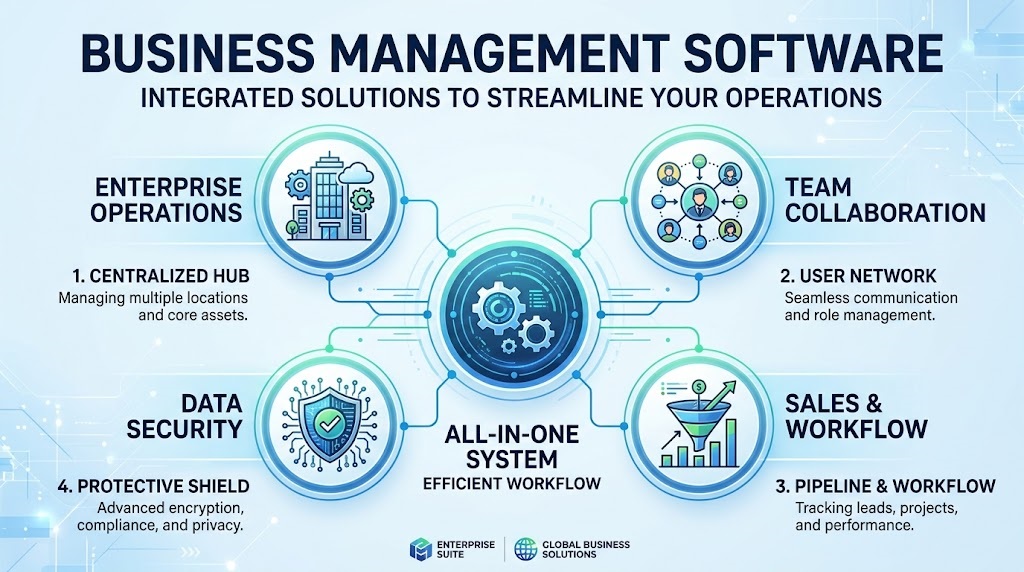
Implementing a powerful, specialized construction CRM completely transforms how contracting companies handle their daily sales pipelines, customer interactions, and on-site project workflows.
Unlike generic corporate software designed for traditional retail businesses, a modern construction CRM is custom-built to solve the unique logistical challenges of the building trades.
In this comprehensive guide, we will explore why traditional spreadsheets no longer cut it, examine essential software features, and show you how to boost your profitability.
The Unique Challenges of Contractor Operations

The construction industry operates on a vastly different timeline and structural framework compared to standard retail or software-as-a-service business models.
Projects involve massive financial investments, lengthy sales cycles, complex multi-tier subcontracting networks, and highly variable field conditions that change daily.
Relying on paper notebooks, messy desktop sticky notes, or generic contact lists guarantees that your growing business will eventually hit an operational ceiling.
The Dangers of Disconnected Communication
When client inquiries, architectural drawings, material cost estimates, and change orders are scattered across different platforms, mistakes happen and deadlines are routinely missed.
A homeowner who feels ignored because their phone call was not returned promptly will quickly cancel their contract and hire a competing local builder instead.
Leveraging a dedicated construction CRM ensures that every single phone call, text message, email, and meeting note is automatically tied to the correct client profile.
Streamlining the Sales Pipeline
Winning profitable bids in a highly competitive regional market requires lightning-fast response times and impeccably organized follow-up schedules with prospective clients.
When a new lead fills out a contact form on your website, automated triggers within a construction CRM can immediately assign the task and send a welcome email.
This instantaneous professionalism instantly builds high levels of trust and drastically increases your overall closing ratio on high-ticket residential and commercial projects.
Core Features Every Professional Needs
When shopping for the ultimate software solution to manage your contracting business, you must look far beyond basic contact storage and email marketing tools.
An elite construction CRM offers a robust suite of industry-specific features designed to bridge the frustrating gap between the corporate office and the active job site.
Understanding these foundational capabilities helps you select a platform that perfectly matches your specific workflow requirements and business growth goals.
Lead Generation and Estimating Tools
The lifeblood of any construction company is a steady, predictable stream of profitable new projects flowing into the sales pipeline every single month.
Top-tier platforms integrate seamlessly with digital marketing campaigns, tracking exactly which online advertisements or social media channels generate your highest-quality leads.
Furthermore, built-in estimating modules inside a construction CRM allow project managers to quickly generate accurate, itemized proposals while still sitting at the client’s kitchen table.
Job Scheduling and Subcontractor Management
Coordinating dozens of independent subcontractors—from electricians and plumbers to drywallers and painters—is notoriously difficult without centralized digital scheduling boards.
A comprehensive construction CRM provides intuitive drag-and-drop calendar tools that visually display project timelines, milestone deadlines, and active crew assignments.
If a severe weather event delays exterior framing, you can instantly notify all affected subcontractors with a single automated broadcast message, saving hours of phone calls.
Integrating Office Operations with Job Sites
One of the most persistent hurdles in the construction sector is bridging the frustrating communication disconnect between office estimators and field workers.
Office personnel sit comfortably in front of desktop monitors reviewing architectural plans, while field crews battle dusty conditions and noisy machinery outdoors.
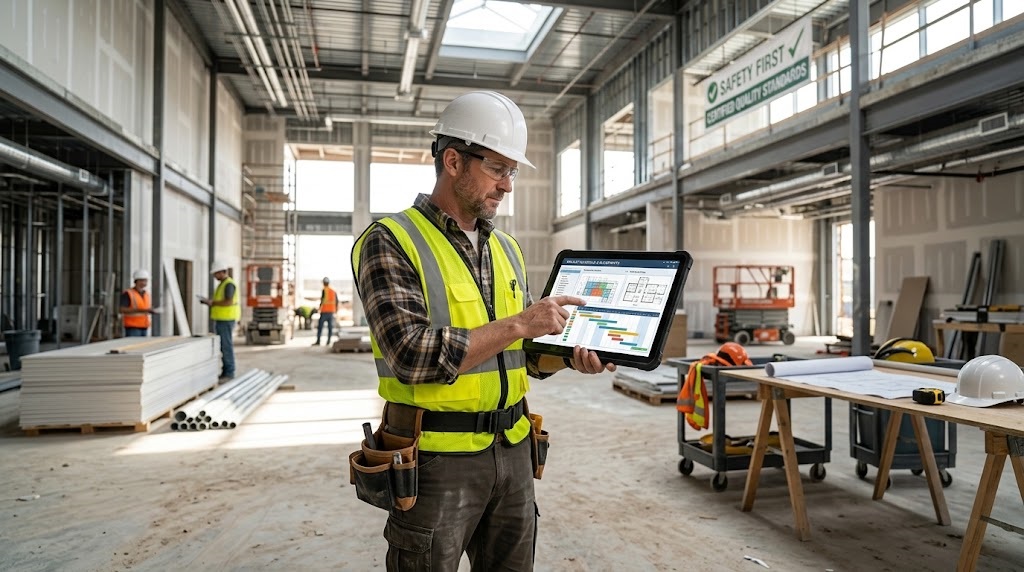
Deploying a mobile-friendly construction CRM bridges this operational gap, ensuring everyone stays completely synchronized regardless of their physical location.
Mobile Accessibility for Field Crews
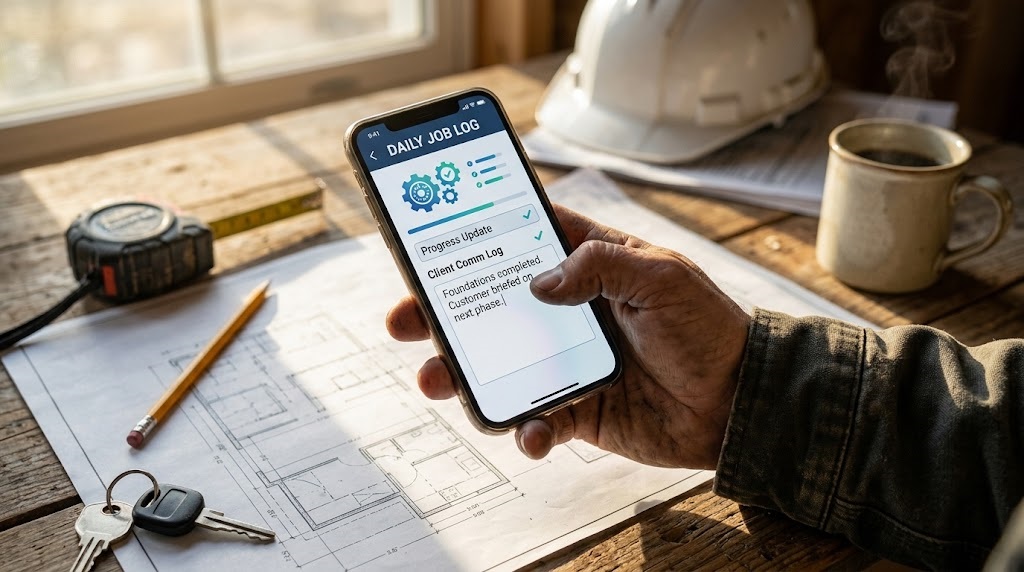
Modern cloud-based software solutions offer lightning-fast mobile apps for smartphones and tablets, empowering superintendents to upload daily progress photos directly from the field.
If a client requests an unexpected design modification mid-project, the field supervisor can log the change order instantly through the construction CRM mobile interface.
This real-time documentation protects your business from costly liability disputes and ensures clear billing records when final payment is due.
Document Management and Blueprint Storage
Keeping track of physical paper blueprints, signed waivers, municipal building permits, and insurance certificates in a messy truck glove compartment is a recipe for disaster.
A centralized digital document vault within your construction CRM allows authorized team members to access critical PDFs instantly from any job site.
Secure cloud storage guarantees that your important project files are fully backed up and protected against unexpected physical damage or theft.
Selecting the Right Software Platform
The modern software marketplace is flooded with hundreds of options, making the selection process feel overwhelming for busy contractors managing active job sites.
Choosing the wrong platform can result in expensive software subscription fees, frustrating employee adoption roadblocks, and wasted administrative hours.
Taking a strategic, highly methodical approach ensures you invest in a construction CRM that delivers measurable return on investment from day one.
Assessing Your Company Size and Budget
A solo handyman or small residential remodeler has vastly different software requirements than a massive commercial construction firm managing multi-million dollar projects.
Carefully evaluate your current team size, expected transaction volume, and monthly software budget before committing to a long-term enterprise subscription contract.
Many leading providers offer tiered pricing models, allowing you to scale your construction CRM features upward as your business expands and hires more staff.
Evaluating Customer Support and Onboarding
Even the most technologically advanced software platform is completely useless if your team refuses to use it due to a steep, confusing learning curve.
Prioritize software vendors that offer comprehensive, human-led onboarding sessions, extensive video training libraries, and responsive technical customer support.
A great software partner will guide your office staff and field crews through the transition, ensuring high user adoption and immediate operational success.
Frequently Asked Questions
What is the primary difference between a generic CRM and a specialized construction platform?
Generic enterprise tools focus entirely on standard B2B sales pipelines, whereas a specialized platform includes job estimating, blueprint storage, and subcontractor scheduling.
How much does a typical software subscription cost for contractors?
Monthly subscription fees vary widely based on user seats and feature tiers, typically ranging from $50 for basic tools to several hundred dollars for enterprise packages.
Can these software platforms integrate with existing accounting tools?
Yes, most leading platforms offer seamless, secure integrations with popular financial software like QuickBooks Online and Xero to streamline invoicing and payroll.
Is it difficult to train field workers to use mobile management apps?
Modern mobile applications feature clean, intuitive interfaces that most field workers can learn to navigate efficiently within just a few minutes of training.
How does a digital system help reduce costly change order disputes?
By requiring digital client signatures and real-time photo documentation for every modification, a centralized system eliminates “he said, she said” arguments over extra work.
What security measures protect sensitive client and financial data?
Cloud-based platforms utilize advanced bank-level encryption, multi-factor authentication, and automated daily backups to keep your sensitive business data completely secure.
Conclusion
Navigating the complex, high-stakes world of modern American construction requires more than just skilled craftsmanship and hard work; it demands smart business management.
Relying on outdated paper systems or fragmented spreadsheets actively limits your company’s growth potential and drains valuable time from your busy schedule.
By investing in a robust, specialized construction CRM, you streamline your sales pipeline, eliminate office miscommunication, and elevate client satisfaction.
Take the necessary time to evaluate your company’s specific operational needs, test a few industry-leading demos, and upgrade your business infrastructure today.
The videos above provide additional visual software walkthroughs and expert implementation strategies to help you choose the ideal platform for your contracting business.

Written by Twastia Editorial Team
Twastia Editorial Team shares practical insights about website design, SEO services, Google Ads, content marketing, social media, conversion rate optimization, and digital marketing strategy.
Last updated: Oct 24, 2026
Related posts from Twastia
Explore more useful articles from twastia.com about digital marketing, SEO, websites, ads, content, and growth strategy.