12 Creative Ways to Reuse Leftover Paving Slabs in Your Backyard
A beautiful backyard doesn’t always require an expensive renovation. Sometimes, the best landscaping ideas begin with materials you already have. […]
A beautiful backyard doesn’t always require an expensive renovation. Sometimes, the best landscaping ideas begin with materials you already have. If you’ve recently installed a patio, replaced a walkway, or completed a home improvement project, you might have several unused paving slabs waiting in your garage or garden.
Instead of throwing them away, consider turning those leftover materials into something practical and attractive.
From decorative garden pathways to cozy seating corners, recycled paving stones can enhance pretty much every outdoor space, whether you own a compact city backyard or a spacious suburban property.
With a little creativity and proper preparation, paving slabs can become stepping stones, garden borders, plant displays, or attractive outdoor features.
This guide explores 12 creative ways to reuse leftover paving slabs, along with installation tips, maintenance advice, and budget-friendly landscaping ideas for American homeowners.
Why Reuse Leftover Paving Slabs?
Before purchasing new landscaping materials, take a closer look at the paving stones you already own.
Paving slabs come in different materials, including concrete, natural stone, and porcelain. Depending on their condition and intended use, many can be repurposed in residential landscapes.
Save Money on Outdoor Improvements
New landscaping materials can quickly increase project expenses. Reusing existing slabs helps reduce material purchases, leaving more room in your budget for plants, lighting, or outdoor furniture.
Reduce Unnecessary Waste
Repurposing usable building materials can prevent them from becoming construction waste.
It’s a practical way to make better use of materials already purchased.
Create a Coordinated Backyard
Using leftover slabs from your existing patio can connect different garden features visually.
Matching textures and colors help create a cohesive appearance between pathways, seating areas, and planting beds.
1. Create a Beautiful Garden Stepping-Stone Path
A stepping-stone pathway is one of the easiest ways to reuse leftover paving slabs.
You can install a path between your patio and garden shed, connect flower beds, or create a comfortable walkway across your lawn.
How to Design Your Pathway
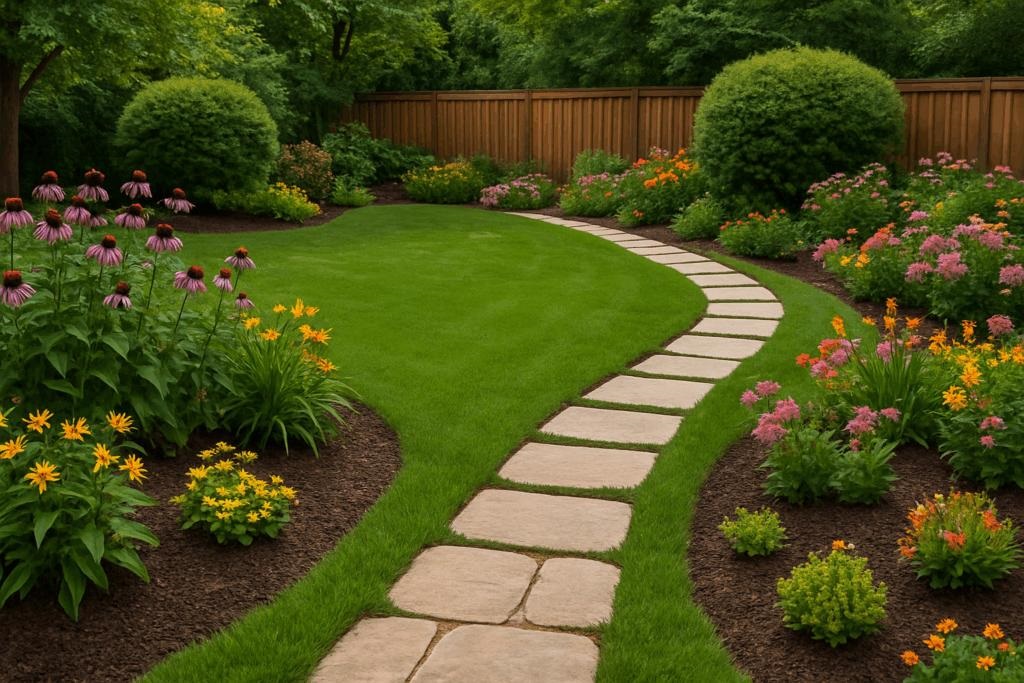
Start by planning the route. A straight path complements modern landscaping, while a curved design often suits cottage-style gardens.
Arrange the slabs at natural walking intervals before installation.
Excavate the ground where necessary and prepare a suitable stable base. Each slab should sit securely without rocking or creating a tripping hazard.
Surrounding the stones with grass, decorative gravel, or low-growing plants produces a welcoming garden appearance.
2. Build a Decorative Mosaic Walkway
Have several broken or irregularly shaped slabs?
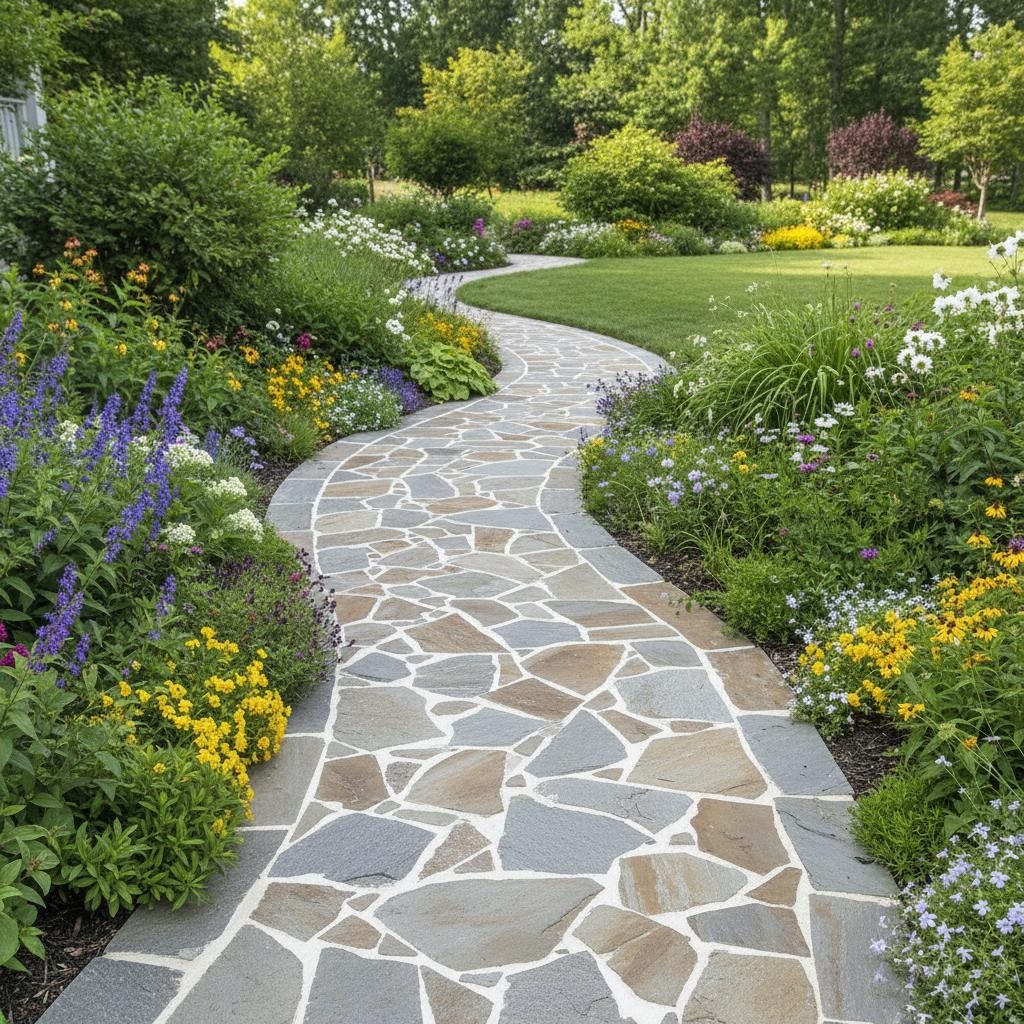
Consider using structurally sound pieces to create a decorative mosaic pathway.
Mix complementary colors and stone textures to introduce visual interest.
For example, beige natural stone combined with charcoal-colored pavers can produce a distinctive geometric design.
Make the Pattern Look Professional
Sketch the arrangement before starting.
Dry-lay the pieces to confirm spacing, then install them using an appropriate bedding system.
Keep the finished walking surface even and secure.
Avoid using sharp or unstable fragments. Cutting or breaking masonry can create dangerous flying chips and silica dust, so professional assistance may be preferable for extensive modifications.
3. Design a Cozy Outdoor Seating Corner
Even a small backyard can accommodate an attractive seating area.
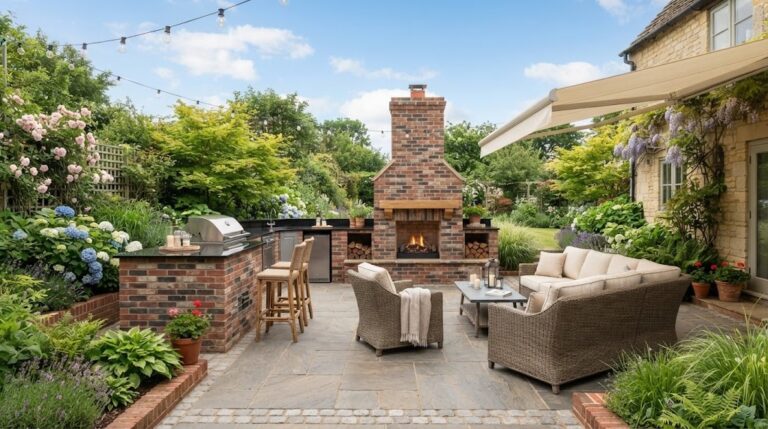
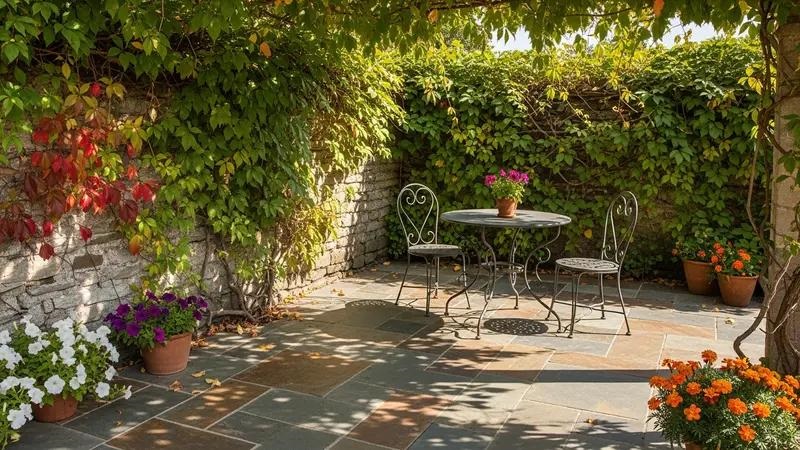
Several matching paving slabs can form the foundation of a compact patio designed for a bistro table or comfortable garden chair.
Choose a spot with pleasant views and appropriate drainage.
Prepare the ground properly and install the slabs on a stable base.
Complete the design with decorative planters, comfortable outdoor cushions, and subtle garden lighting.
This affordable improvement can transform an unused corner into a relaxing place for morning coffee or evening conversations.
4. Create Attractive Flower Bed Borders
Garden edging defines planting areas and helps maintain a tidy landscape.
Leftover paving slabs may work as low decorative borders between lawns, gravel pathways, and flower beds.
Choose suitable pieces and position them in a shallow prepared trench where their stability can be maintained.
Use a consistent layout for a contemporary appearance or a more informal arrangement for cottage gardens.
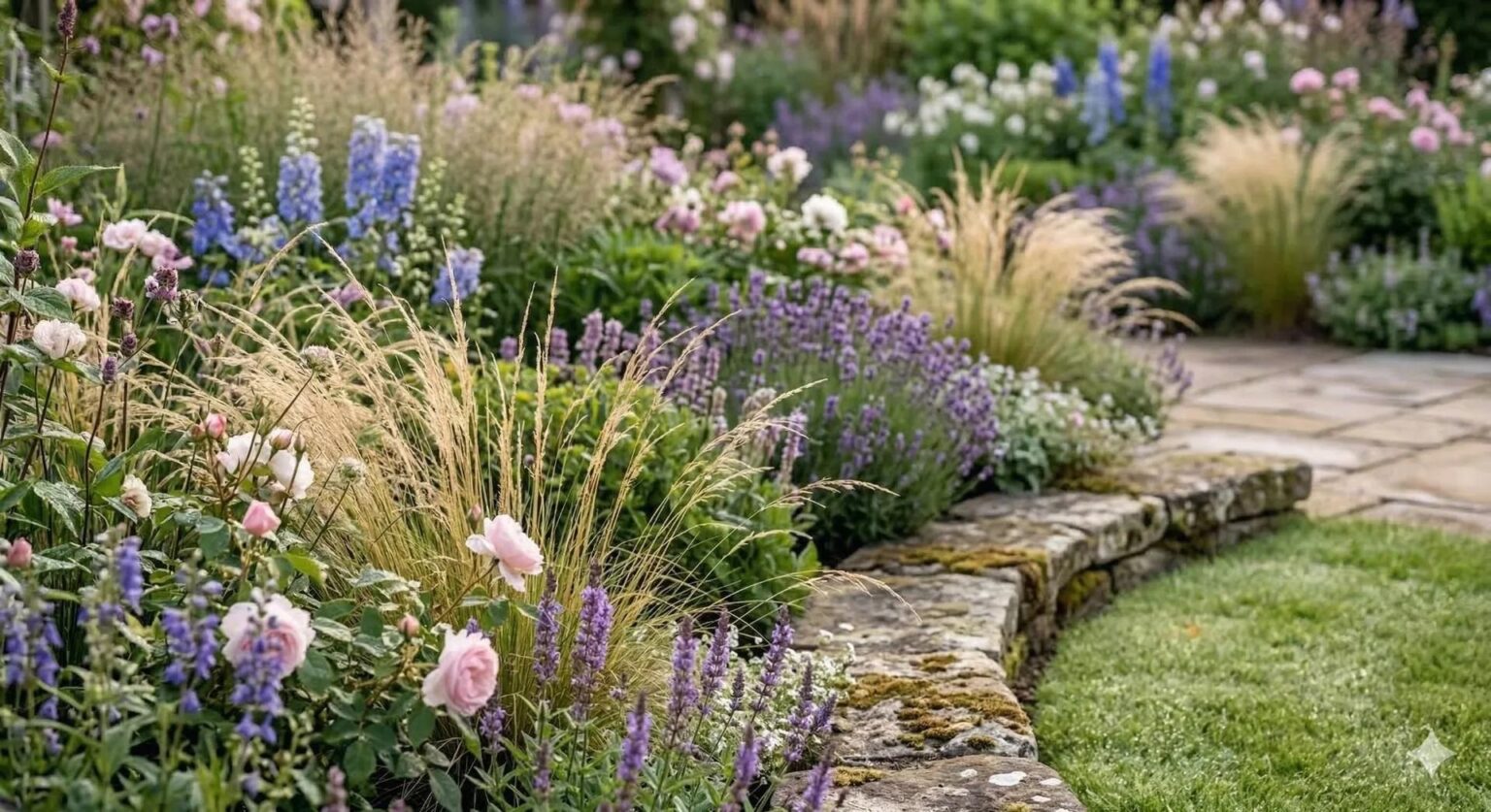
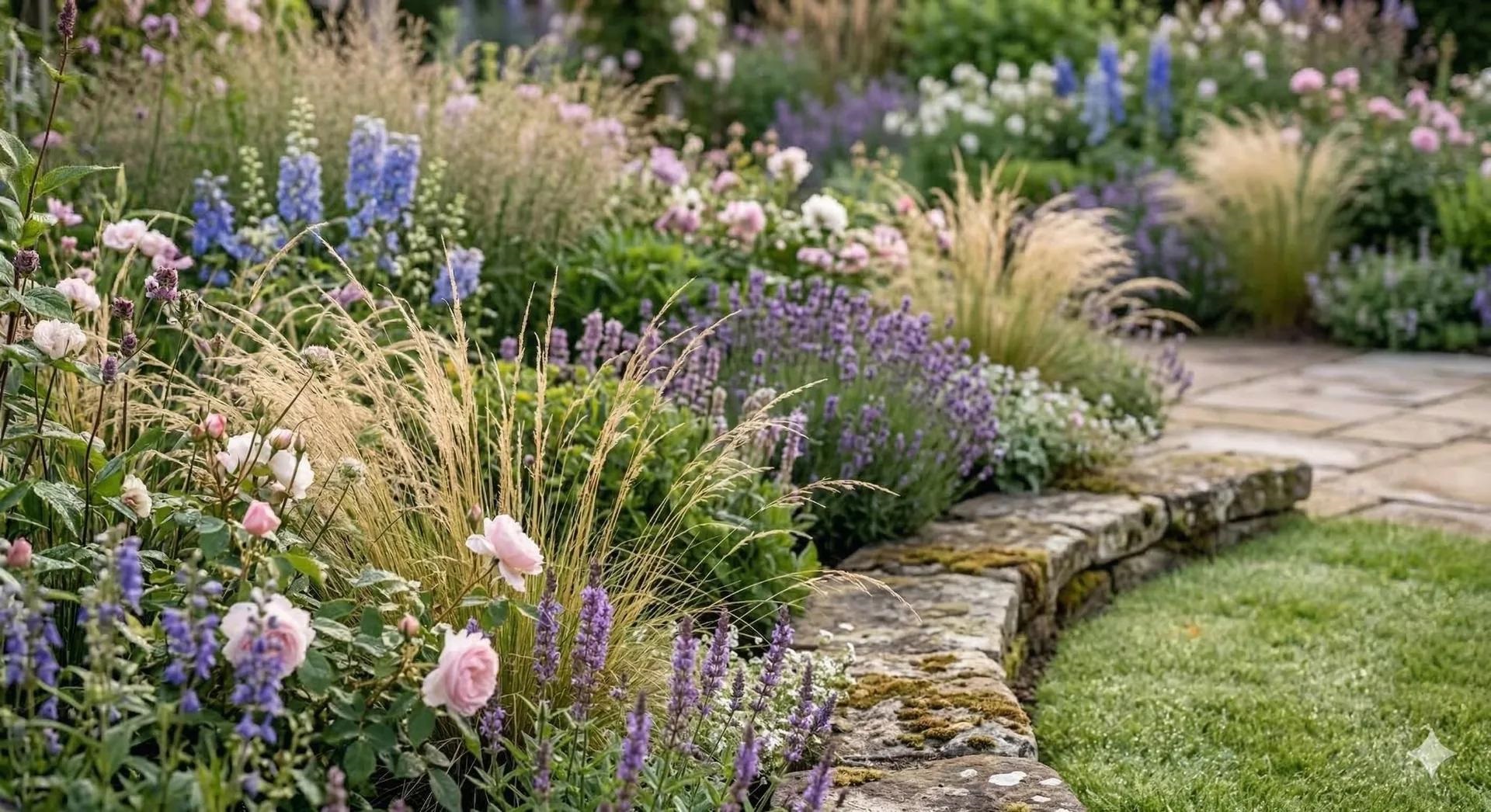
Stone borders pair beautifully with flowering perennials, ornamental grasses, and low shrubs.
Avoid using ordinary paving slabs as tall retaining walls. Structures holding back significant soil require materials designed for that purpose.
5. Make Decorative Plant Display Platforms
Outdoor planters look more organized when arranged on attractive stone surfaces.
Use suitable leftover paving slabs to create small ground-level platforms for terracotta pots, decorative containers, or seasonal flower arrangements.
A neutral stone base can complement both modern and traditional garden designs.
Create an Eye-Catching Arrangement
Combine planters of different heights and colors.
Arrange taller plants toward the back and lower flowering varieties toward the front. Creative Ways
Ensure the platform is level, stable, and allows adequate drainage.
Avoid stacking loose slabs into tall, unsupported structures, especially when displaying heavy pots.
6. Create a Small Patio Extension
Sometimes your existing patio needs only a little additional space.
If you have enough matching slabs, consider extending a carefully prepared paved area to accommodate planters, additional seating, or a small outdoor table.
Matching the original materials can create a seamless visual transition.
However, ensure the new section has suitable foundations, drainage, and movement accommodation where required.
If the extension meets the house or affects surface-water flow, consult a qualified installer.
A well-planned patio extension can make outdoor entertaining more convenient without requiring a complete redesign.
7. Design a Decorative Gravel and Stone Garden
Combining paving slabs with decorative gravel creates a visually interesting landscape feature.
Use large slabs as stepping stones and surround them with crushed stone or appropriately sized gravel.
This design can suit modern homes, low-water landscapes, and small urban courtyards.
For added texture, introduce drought-tolerant plants suited to your region.
Consider lavender in appropriate growing conditions, ornamental grasses, or locally adapted native plants. Creative Ways
Install suitable landscape edging and prepare the surface to minimize movement and weed growth.
Remember that gravel alone does not guarantee effective drainage; underlying soil conditions still matter.
8. Add a Useful Garden Utility Pad
An attractive backyard should also function efficiently.
Leftover paving slabs can help create a designated area for storing watering cans, hose reels, and everyday gardening equipment.
Position the utility pad near an outdoor faucet or garden shed.
Prepare a stable surface and ensure runoff does not collect against your home’s foundation.
A practical utility area helps keep equipment organized and reduces muddy patches caused by repeated foot traffic.
You can soften the appearance with nearby potted flowers or low-maintenance greenery.
9. Create a Path Around Raised Garden Beds
Vegetable gardening becomes more comfortable when there are clear walking routes between planting areas.
Use suitable recycled pavers to establish accessible pathways around raised beds.
Well-planned paths reduce the need to walk on cultivated soil.
They can also make watering, harvesting, and general garden maintenance easier.
Choose a layout that accommodates wheelbarrows and other equipment if needed.
Use stable materials and appropriate spacing to avoid uneven walking surfaces.
For new raised beds, choose a purpose-built construction system rather than assuming ordinary paving slabs can safely hold substantial soil pressure.
10. Design a Backyard Reading Retreat
A quiet reading corner can make a backyard feel more personal.
Select a shaded location beneath a suitable tree or beside a garden fence.
Create a small, level paved surface using recycled slabs, then add an outdoor lounge chair or compact bench designed for exterior use.
Surround the area with fragrant flowers, ornamental grasses, or attractive containers. Creative Ways
Solar-powered pathway lights may provide gentle evening illumination without extensive wiring.
This project works especially well in narrow backyards where larger patio installations would feel overwhelming.
11. Create a Decorative Entrance Feature
Your backyard entrance deserves as much attention as your main patio.
Leftover paving stones can define the ground around a garden gate, shed entrance, or side-yard walkway.
Choose colors that complement your home’s exterior.
A simple geometric arrangement often looks attractive when paired with natural landscaping.
Add suitable outdoor lighting and low-growing border plants for a welcoming finish.
If the entrance is frequently used, prioritize a stable, slip-resistant walking surface over decorative complexity.
Accessible routes may require additional considerations, including appropriate dimensions, slopes, and surface transitions.
12. Enhance an Outdoor Fire Pit Seating Area
A backyard fire feature can create a welcoming gathering space.
Leftover paving slabs may help define a nearby seating zone when the materials are suitable for the location and installed correctly.
However, standard paving slabs should not automatically be used to construct the firebox or surfaces exposed directly to flames.
Heat can damage unsuitable materials.
Use a manufacturer-approved fire pit system and materials specifically rated for the intended exposure.
The U.S. Fire Administration recommends positioning outdoor fire pits at least 10 feet from homes and combustible materials.
Always follow local fire restrictions and the product manufacturer’s instructions.
How to Choose the Right Paving Slabs for Reuse
Before beginning any landscaping project, examine the condition and characteristics of your materials.
Inspect for Damage
Look for deep cracks, loose surfaces, crumbling edges, and other signs of deterioration.
A damaged piece may be unsuitable for a walkway even if it still looks attractive.
Consider Thickness and Material
Concrete, natural stone, and porcelain slabs have different installation requirements.
Some products need continuous support and cannot safely span gaps.
Check Slip Resistance
Outdoor walking surfaces need adequate traction, particularly in rainy or freezing conditions.
Smooth decorative products may not perform well in exposed locations.
Match Your Landscape Style
Neutral gray pavers work beautifully with modern homes.
Warm sandstone colors complement rustic and traditional gardens.
Using a limited color palette can keep the finished design cohesive.
Essential Installation Tips for Long-Lasting Results
Proper preparation is just as important as the design itself.
Begin by marking the project area and checking underground utility locations before digging. In the United States, contact 811 or your state’s utility notification service where excavation is planned.
Remove vegetation and unsuitable loose material.
Prepare and compact the base according to the intended use, soil conditions, and manufacturer’s instructions.
Position the slabs carefully and check that each piece is stable.
Provide appropriate surface drainage, particularly near foundations.
In colder states, freeze-thaw movement makes correct base preparation especially important.
For substantial paved areas, hiring an experienced landscape contractor may prevent expensive installation problems.
Are Reused Paving Slabs Environmentally Friendly?
Reusing existing materials can reduce demand for replacement products and avoid disposing of otherwise usable construction materials.
However, environmental performance depends on the complete project.
For example, installing a large impermeable patio may increase surface runoff compared with keeping an area planted.
The U.S. Environmental Protection Agency explains that properly engineered permeable pavement systems can help manage stormwater by allowing rainfall to pass through the surface into underlying layers.
Ordinary paving slabs separated by gravel are not automatically equivalent to an engineered permeable system.
Consider drainage and planted areas alongside the potential waste-reduction benefits.
Common Mistakes to Avoid
One frequent mistake is installing paving slabs directly on soft, unprepared soil.
This can result in movement, settling, and uneven surfaces.
Another is using cracked materials where people regularly walk.
Homeowners may also overlook proper drainage, uncomfortable stepping distances, or mismatched slab thicknesses.
Avoid constructing load-bearing benches, tall garden walls, or fireboxes from ordinary paving slabs without verified structural or heat-resistant design.
Finally, take care when handling heavy materials.
OSHA warns that cutting concrete and stone can release harmful respirable crystalline silica dust. Appropriate tools and dust controls are essential, and extensive cutting is better handled by trained professionals.
Frequently Asked Questions About Leftover Paving Slabs
What Can I Do With Leftover Paving Slabs?
You can create garden stepping stones, decorative pathways, flower bed edging, plant display platforms, small seating areas, and utility pads when the materials are suitable.
Can I Lay Paving Slabs Directly on Grass?
Placing slabs directly on grass often results in movement and unevenness. A properly prepared base generally provides a more reliable walking surface.
Can Broken Paving Slabs Be Reused?
Some chipped or irregular pieces may be suitable for decorative mosaics or low ground-level features. Avoid using structurally damaged pieces in areas requiring safe load support.
Are Paving Slabs Good for Small Backyards?
Yes. Compact stepping-stone paths, decorative planters, and small paved seating corners can improve functionality without covering the entire garden.
Do I Need Mortar for Reused Paving Slabs?
Not always. The appropriate bedding method depends on the paving material, intended application, and installation system. Follow manufacturer guidance.
Can I Build a Fire Pit Using Leftover Slabs?
Do not assume ordinary paving slabs are suitable for direct flame exposure. Use approved fire-rated components and follow local safety rules.
How Do I Maintain Recycled Paving Stones?
Sweep regularly, remove weeds, clean with suitable products, and inspect for movement or cracks. Repair unstable sections before they become hazards.
Conclusion: Transform Your Backyard With Creative Paving Ideas
Leftover paving slabs can become valuable materials for a wide variety of outdoor improvement projects.
Whether you create a stepping-stone garden path, a cozy seating corner, or a decorative flower bed border, thoughtful reuse can add character while reducing unnecessary purchases.
The most successful projects combine attractive design with stable installation, effective drainage, and safe construction practices.
Start with a small project that suits your available materials and build from there.
With a little imagination and careful planning, you can turn forgotten paving slabs into beautiful, practical features that make your backyard more enjoyable throughout the year.

Written by Twastia Editorial Team
Twastia Editorial Team shares practical insights about website design, SEO services, Google Ads, content marketing, social media, conversion rate optimization, and digital marketing strategy.
Last updated: Oct 15, 2026
Related posts from Twastia
Explore more useful articles from twastia.com about digital marketing, SEO, websites, ads, content, and growth strategy.