Quality Home Builders in Melbourne: 2026 Complete Guide
Building a new home is one of the biggest financial and personal decisions you can make. From choosing the perfect […]
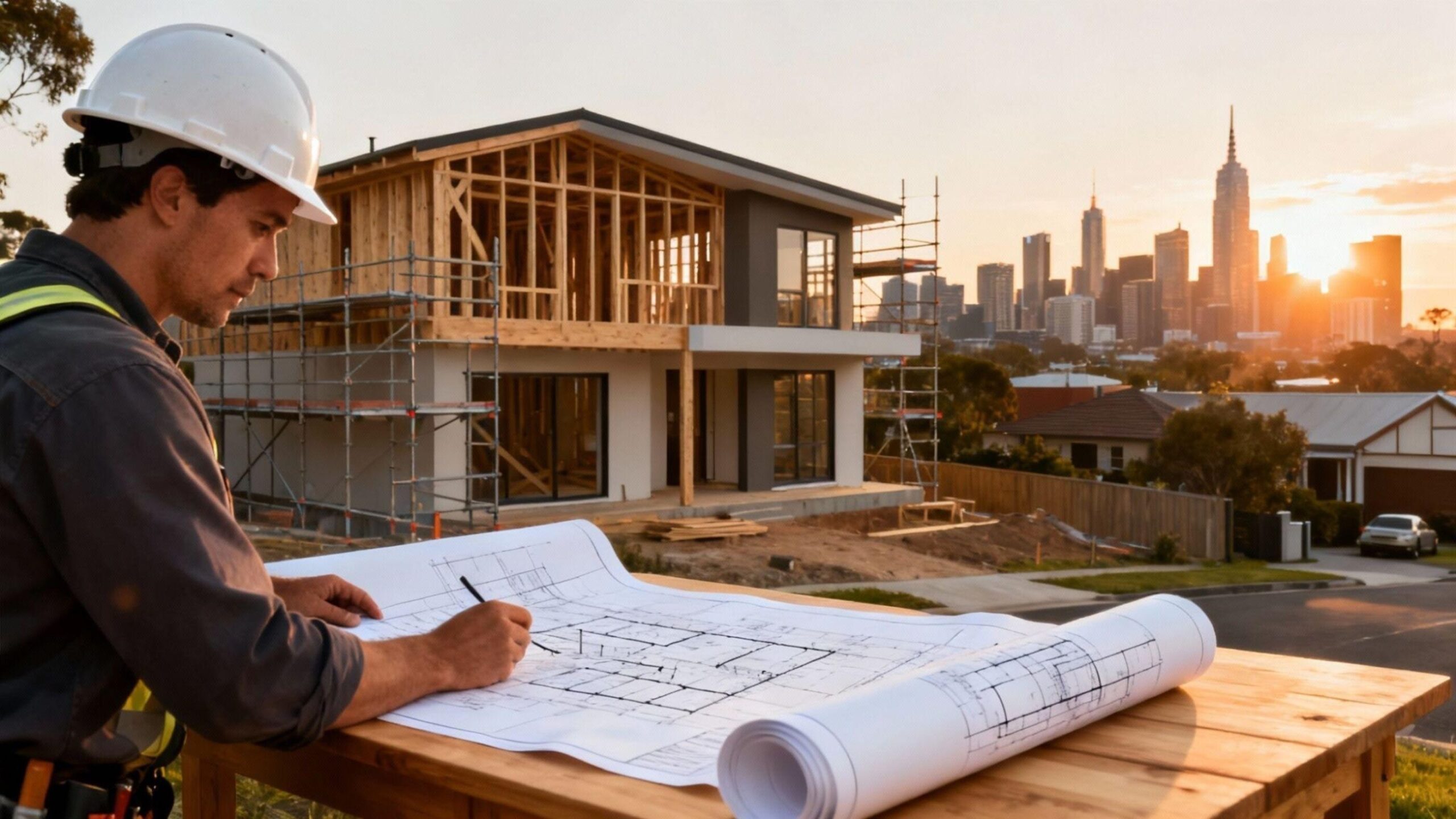
Building a new home is one of the biggest financial and personal decisions you can make. From choosing the perfect floor plan to selecting materials and managing construction costs, every decision contributes to the comfort, appearance, and long-term value of your property.
Melbourne, Australia, offers a wide variety of residential building opportunities, including contemporary family houses, double-story residences, and thoughtfully designed homes in developing suburban communities.
However, finding quality home builders in Melbourne involves much more than comparing attractive house designs. Homeowners should evaluate builder registration, construction standards, contracts, materials, warranties, and customer service.
For American readers considering an international property investment or exploring Australian home design inspiration, understanding Melbourne’s construction market provides valuable insights.
This guide explains how to evaluate Melbourne home builders, compare popular designs, understand construction costs, and plan a successful residential building project.
Why Melbourne Is an Attractive Place to Build a Home
Melbourne is the capital of Victoria and one of Australia’s major residential and commercial centers.
The metropolitan area offers established neighborhoods, expanding suburban communities, employment opportunities, educational institutions, and diverse architectural styles.
Variety of Residential Locations
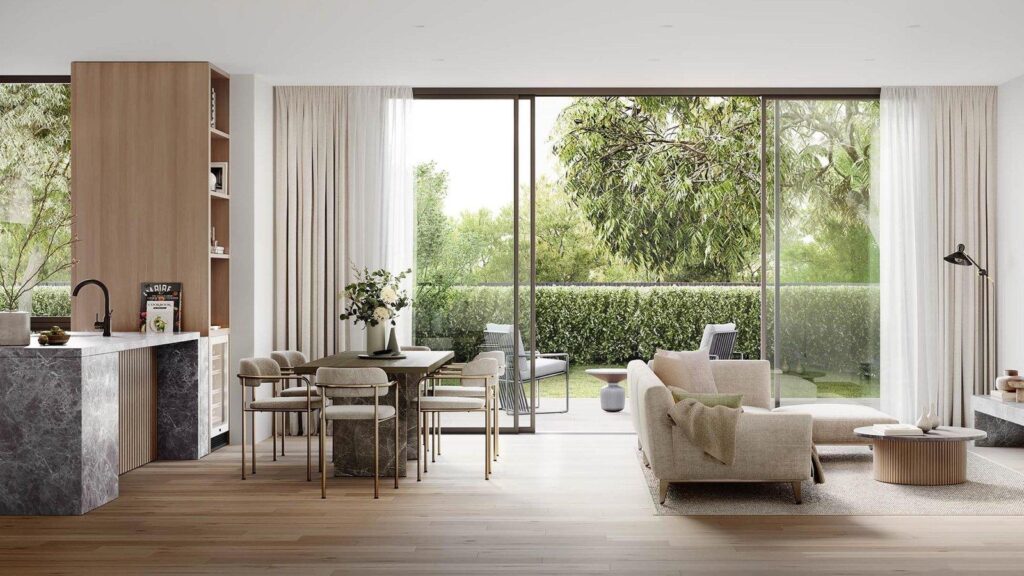
Melbourne’s western, northern, southeastern, and eastern suburbs offer different housing environments.
Developing areas may provide opportunities to purchase residential land and construct a new home, subject to availability and planning requirements.
Established neighborhoods may appeal to homeowners seeking access to existing community facilities.
Contemporary Home Designs
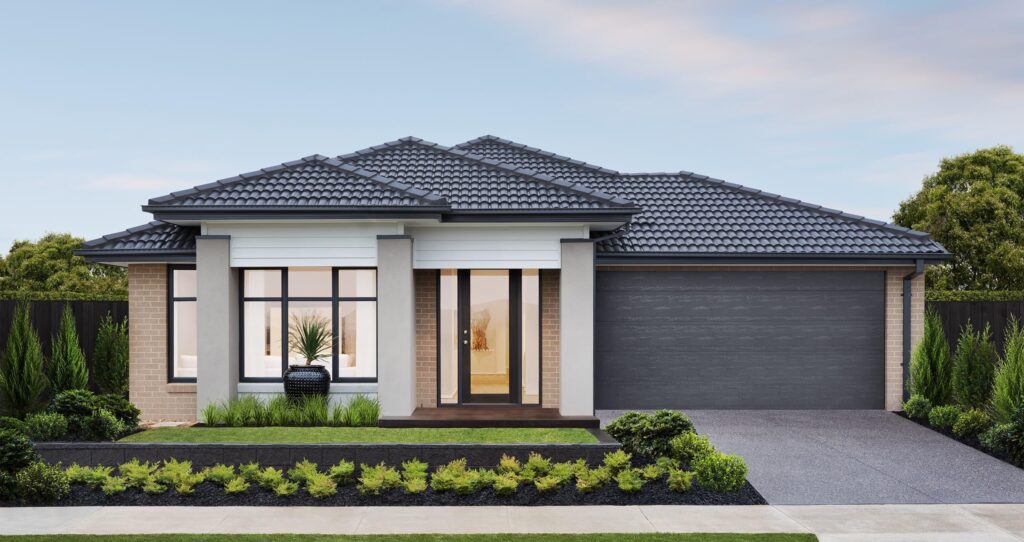
Melbourne builders commonly offer modern single-story houses, spacious double-story residences, and flexible family-oriented floor plans.
Popular design features include open-plan living spaces, functional kitchens, covered outdoor entertaining areas, and generous storage.
Energy-Efficient Construction
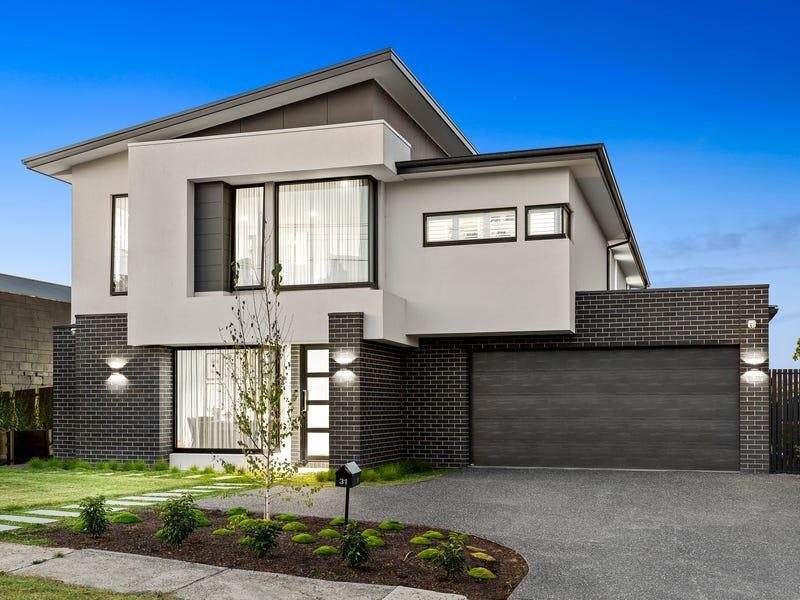
Victoria has introduced updated energy-efficiency standards for new residential buildings.
These requirements encourage better insulation, appropriate glazing, and more thoughtful building orientation.
For homeowners, energy-conscious design can improve indoor comfort and help manage ongoing operating expenses.
What Makes a Quality Home Builder?
Not every builder offers the same level of workmanship, service, or construction expertise.
A quality builder should demonstrate technical competence, clear communication, appropriate registration, and reliable project management.
Verified Registration and Qualifications
In Victoria, registered building practitioners are regulated by the Building and Plumbing Commission (BPC).
Before hiring, confirm that the individual or company holds registration appropriate for the proposed work.
Registration alone does not guarantee project quality, but it is an essential starting point.
Transparent Pricing
A reliable builder should explain what the quoted price includes.
Ask about site preparation, foundations, fixtures, landscaping, utility connections, and potential variations.
Clear documentation reduces misunderstandings during construction.
Good Construction Practices
Quality workmanship depends on appropriate materials, qualified tradespeople, accurate installation, and compliance with approved plans.
A reputable builder should welcome reasonable questions about construction methods and independent inspections.
Clear Communication
Building projects involve many decisions.
Regular updates, written agreements, and accessible project representatives can make the experience more manageable.
Popular Types of Homes Built in Melbourne
Single-Story Family Homes
Single-story properties remain popular among households seeking convenient movement between living areas.
These designs may include multiple bedrooms, open kitchens, separate living spaces, and covered outdoor areas.
They can also suit homeowners who prefer to avoid internal stairs.
Double-Story Homes
Double-story houses provide additional living space without requiring an equally large ground-floor footprint.
They are useful for families wanting separate bedroom zones, home offices, or additional entertainment areas.
However, staircase placement and structural requirements influence construction costs.
Custom-Designed Homes
Custom construction allows greater control over layout, finishes, and architectural features.
Homeowners may work with designers and builders to create spaces suited to particular lifestyles.
The additional design work and specialized construction can increase costs.
House and Land Packages
Some developers and builders offer arrangements combining residential land with a proposed house design.
Before committing, clarify whether the transaction involves separate land and construction contracts.
Verify site suitability, inclusions, title conditions, and construction timing.
Banksia Homes: Exploring Melbourne Home Designs
Homeowners researching quality home builders in Melbourne may encounter Banksia Homes, a Victorian residential building company.
Australian Business Register records identify Banksia Homes Pty Ltd as an active Australian private company, with the Banksia Homes business name registered.
Independent residential property directory OpenLot lists the company as a Victorian builder and identifies two home designs associated with display homes in Tarneit.
These listings offer useful examples of contemporary family housing options.
Manly 25: Single-Story Living
OpenLot describes the Manly 25 as a single-story house featuring five bedrooms, two bathrooms, two living spaces, and a double garage.
The listed floor area is approximately 225 square meters.
Its configuration demonstrates how a single-level home can accommodate larger households.
Belmont 33: Spacious Double-Story Design
The Belmont 33 is listed as a double-story residence with five bedrooms, three bathrooms, three living areas, and a double garage.
Its published floor area is approximately 298 square meters.
This arrangement may appeal to families seeking additional separation between living and sleeping spaces.
These are independently listed design details, not confirmation that the models are currently being sold.
Banksia Homes’ official website was inaccessible during research. Buyers should independently confirm its current operations, designs, registration, and display-home availability.
How to Compare Quality Home Builders in Melbourne
Review Completed Projects
Ask builders to provide examples of completed homes.
Where possible, inspect actual construction quality rather than relying exclusively on promotional photographs.
Look at finishes, cabinetry, tiling, window installation, and exterior detailing.
Compare Similar Specifications
Two builders may advertise similar floor plans at different prices.
However, one quotation may include upgraded flooring, better fixtures, or additional site works.
Use a consistent specifications checklist when comparing offers.
Read Independent Customer Feedback
Reviews can provide insight into communication, construction delays, and post-handover service.
Look for patterns across multiple independent sources rather than focusing on isolated positive or negative comments.
Understand Warranty Coverage
Ask about statutory warranties, defects procedures, insurance arrangements, and manufacturer warranties.
Confirm which responsibilities remain with the builder after construction.
Important Features of Modern Melbourne Homes
Open-Plan Living Areas
Open layouts connect kitchens, dining rooms, and family spaces.
They can encourage household interaction and make entertaining easier.
However, acoustic privacy and practical storage should still be considered.
Functional Kitchen Design
A well-designed kitchen provides suitable work surfaces, storage, lighting, and convenient movement between appliances.
Larger houses may include walk-in pantries or separate preparation areas.
Indoor-Outdoor Connections
Sliding doors and covered patios help connect living areas with outdoor spaces.
Designers should consider sunlight, ventilation, privacy, and weather protection.
Flexible Rooms
A spare bedroom may double as a home office or guest space.
Flexible floor plans allow households to adapt as family requirements change.
Energy-Efficient Windows and Insulation
Insulation, appropriate glazing, and thoughtful orientation influence thermal comfort.
These features should be integrated into the design rather than treated as last-minute upgrades.
Understanding Victoria’s 7-Star Energy Standards
Victoria introduced updated residential energy-efficiency requirements on May 1, 2024.
Under the applicable compliance pathway, new homes generally need to meet a minimum 7-star Nationwide House Energy Rating Scheme (NatHERS) performance standard and a Whole of Home energy budget.
NatHERS assesses predicted thermal performance using factors such as insulation, glazing, climate, and building design.
Why Energy Ratings Matter
Better thermal performance can reduce the energy required to heat or cool a house.
This may improve comfort during Melbourne’s changing seasonal temperatures.
However, actual utility costs depend on household behavior, installed appliances, and energy prices.
Ask builders how their proposed design will comply with current requirements.
Step-by-Step Guide to Building a Home in Melbourne
Step 1: Establish Your Budget
Determine how much you can allocate to land, design, construction, and additional expenses.
Include a contingency for unexpected costs.
Step 2: Select Suitable Land
Investigate zoning, access, soil conditions, drainage, easements, and development restrictions.
Some sites require more extensive foundation work.
Step 3: Choose a Registered Builder
Compare qualifications, experience, project examples, and written quotations.
Verify registration through the Building and Plumbing Commission.
Step 4: Finalize Your Design
Choose a floor plan that fits the land and your household needs.
Confirm room dimensions, materials, electrical layouts, heating, cooling, and storage.
Step 5: Review the Building Contract
Examine the complete written contract before signing.
Confirm the contract price, specifications, progress payments, variations, and anticipated completion arrangements.
Independent legal advice can be valuable.
Step 6: Obtain Required Approvals
Planning and building permits are separate approvals.
Depending on the project, one or both may be required.
A registered building surveyor oversees building approval and mandatory inspection requirements.
Step 7: Monitor Construction
Maintain regular communication and review progress against agreed milestones.
Document requested changes in writing.
Step 8: Complete Final Inspections
Before moving in, confirm the required inspections and occupancy documentation.
Record outstanding defects and follow the appropriate handover process.
How Much Does Building a Home in Melbourne Cost?
Construction prices depend on location, floor area, design complexity, materials, and site conditions.
Single-story and double-story houses have different structural and construction requirements.
Custom architectural features may increase costs compared with standardized designs.
Additional expenses can include:
- Land purchase and government charges
- Soil testing and site preparation
- Planning and building approvals
- Utility connections
- Flooring and interior upgrades
- Driveways, fencing, and landscaping
- Independent inspections and professional services
Request itemized quotations rather than relying on advertised base prices.
For American buyers, currency movements between the Australian and U.S. dollars may also affect the total investment.
Building Contracts and Home Warranty Protection in 2026
Victorian domestic building work valued above $10,000 generally requires a major domestic building contract with an appropriately registered builder.
The builder must provide the Domestic Building Consumer Guide before the client signs.
A significant change occurred on July 1, 2026, when Victoria introduced its new Home Warranty scheme.
For eligible domestic building contracts signed on or after that date, the scheme generally applies to work exceeding AUD $20,000 involving homes up to three stories.
It can provide protection in qualifying circumstances involving incomplete, defective, or non-compliant work, subject to its conditions and limits.
Contracts signed earlier may remain under the previous Domestic Building Insurance arrangements.
Confirm the applicable insurance and obtain the required Notice of Cover before construction proceeds.
Can Americans Build or Buy a New Home in Melbourne?
American citizens are not automatically entitled to purchase Australian residential property without restrictions.
Foreign purchasers generally need appropriate authorization unless an exemption applies.
Australia currently restricts foreign purchases of established homes, subject to limited exceptions, through June 30, 2029.
Qualifying new homes and vacant residential land may be available through approved foreign investment arrangements.
Conditions, application fees, development obligations, and state taxes may apply.
U.S. buyers should obtain independent Australian property and tax advice before purchasing land or signing a construction contract.
Buying property also does not automatically grant Australian residency rights.
Common Mistakes to Avoid When Choosing a Builder
One common mistake is selecting a builder solely because of an attractive advertised starting price.
Another is failing to verify registration, insurance, or the complete scope of included work.
Homeowners may also overlook soil conditions, delay allowances, and contract variation procedures.
Do not assume that display-home furnishings and premium finishes are included in standard packages.
Carefully review contracts and ask for clarification before making significant payments.
Frequently Asked Questions About Melbourne Home Builders
How Do I Find Quality Home Builders in Melbourne?
Begin by verifying builder registration, reviewing completed projects, comparing written quotations, and examining independent customer feedback.
Choose a builder with relevant experience in the type of home you want.
Is Banksia Homes a Melbourne Building Company?
Australian Business Register records identify Banksia Homes Pty Ltd as a Victorian company.
Independent property listings associate Banksia Homes with residential designs in Tarneit.
Its current operating and sales arrangements should be confirmed directly.
Are Single-Story Homes Cheaper Than Double-Story Homes?
Not necessarily.
Costs depend on floor area, foundations, roof design, materials, and land conditions.
Compare detailed quotations for similar specifications.
What Is a 7-Star NatHERS Rating?
It is a measure of a home’s predicted thermal performance under standardized modeling conditions.
Victoria generally requires new residential construction to meet applicable energy-efficiency requirements, including the 7-star standard.
Do Melbourne Builders Offer Custom Floor Plans?
Many builders offer customization, but the available flexibility varies.
Some specialize in fixed designs with selected modifications, while others provide fully customized construction.
How Long Does It Take to Build a Home in Melbourne?
Timelines vary according to design complexity, approvals, weather, site conditions, and contractor availability.
Request a realistic project schedule and review contractual delay provisions.
Can American Citizens Purchase New Homes in Victoria?
Potentially, subject to Australia’s foreign investment framework and applicable state requirements.
Approval and eligibility should be confirmed before entering into a purchase agreement.
How Can I Avoid Unexpected Building Costs?
Request a detailed specification list, review provisional allowances, investigate the site, and document variations before approving additional work.
Conclusion: Choose Quality Home Builders in Melbourne With Confidence
Finding quality home builders in Melbourne requires careful research, realistic budgeting, and attention to construction standards.
The best choice depends on your preferred design, available land, project requirements, and the builder’s demonstrated capability.
Whether you are considering a practical single-story residence or a spacious double-story family home, evaluate the full construction process rather than focusing only on appearance.
For American readers exploring Melbourne property opportunities, understanding Australian ownership restrictions and local building regulations is equally important.
By verifying credentials, comparing detailed quotations, and reviewing contracts with qualified professionals, you can make more informed decisions about your future home.

Written by Twastia Editorial Team
Twastia Editorial Team shares practical insights about website design, SEO services, Google Ads, content marketing, social media, conversion rate optimization, and digital marketing strategy.
Last updated: Oct 15, 2026
Related posts from Twastia
Explore more useful articles from twastia.com about digital marketing, SEO, websites, ads, content, and growth strategy.